
Essential Car Maintenance for Road Safety
Introduction
Car maintenance is an essential aspect of ensuring road safety, not just for you but for everyone sharing the road. Regular upkeep of your vehicle helps prevent unexpected breakdowns, improves driving performance, and extends the life of your car. Whether you’re preparing for a long journey or just your daily commute, following essential car maintenance tips can make a significant difference in your safety and peace of mind. This blog post will guide you through the key maintenance tasks you should prioritize to keep your vehicle in top condition and ensure a safe driving experience.
Key Takeaways
✔ Prioritize Regular Maintenance: Regularly check critical components like tires, brakes, fluids, and lights to ensure your vehicle is safe and reliable.
✔ Know When to Seek Professional Help: While DIY maintenance can save time and money, certain tasks require professional expertise to avoid costly mistakes.
✔ Leverage Technology: Use maintenance tracking apps and diagnostic tools to stay on top of your vehicle’s needs and catch issues early.
✔ Long-Term Benefits: Regular maintenance enhances safety, increases vehicle longevity, and improves fuel efficiency.
Regular Maintenance Checks for Road Safety
Essential Car Maintenance for Road Safety

Essential Car Maintenance for Road Safety
✔ Tire Maintenance
✔ Importance of Tire Pressure and Tread Depth
Maintaining proper tire pressure and tread depth is essential for road safety. Correct tire pressure ensures better fuel efficiency, even tire wear, and optimal vehicle handling. Adequate tread depth helps maintain traction, especially in wet or slippery conditions, reducing the risk of skidding or hydroplaning.
✔ Rotating and Aligning Tires
Regular tire rotation and alignment ensure even wear across all tires, extending their lifespan and improving vehicle stability. Misaligned tires can cause uneven wear, affecting handling and safety.
✔ Brake System Maintenance
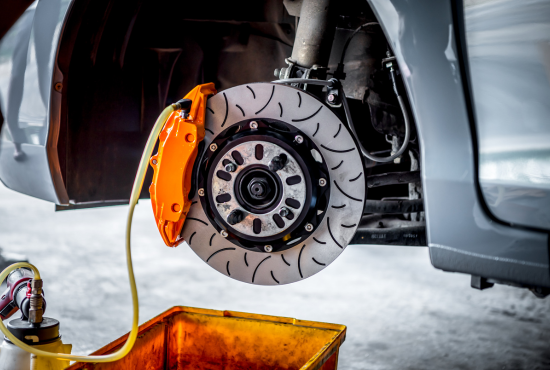
✔ Checking Brake Pads and Rotors
Regularly inspect brake pads and rotors for wear and tear. Worn-out brake pads can reduce braking efficiency, while damaged rotors can lead to vibrations and longer stopping distances.
✔ Signs of Brake Wear and Tear
Be aware of signs indicating brake wear, such as squeaking noises, a spongy brake pedal, or vibrations when braking. Addressing these issues promptly can prevent brake failure and ensure safe stopping power.
✔ Engine and Fluid Maintenance
✔ Monitoring Engine Oil Levels
Regularly check engine oil levels and top up or change the oil as needed. Proper engine lubrication is crucial for preventing wear and tear on engine components, ensuring smooth operation.
✔ Importance of Coolant and Other Fluids
Maintain appropriate levels of coolant, brake fluid, power steering fluid, and transmission fluid. These fluids play vital roles in engine cooling, braking efficiency, steering control, and transmission operation.
✔ Battery Health
✔ Checking Battery Life and Connections
Inspect the battery for corrosion, loose connections, and overall health. A well-maintained battery ensures reliable engine starts and prevents unexpected breakdowns.
✔ Preventing Battery Failures
Regularly test your battery’s charge and replace it before it fails, especially if it’s more than three years old. Cold weather and infrequent use can strain the battery, so proactive maintenance is key.
✔ Lights and Signals
✔ Ensuring All Lights and Signals Are Functional
Regularly check that all exterior lights, including headlights, brake lights, and turn signals, are functioning properly. Proper lighting ensures visibility to other drivers and helps prevent accidents.
✔ Replacing Burnt-Out Bulbs Promptly
Replace any burnt-out bulbs immediately to maintain safety and avoid fines. Inadequate lighting can lead to accidents, especially in low-light conditions or during nighttime driving.
Addressing Common Car Maintenance Issues
Essential Car Maintenance for Road Safety
Essential Car Maintenance for Road Safety
✔ Recognizing Early Signs of Vehicle Problems
✔ Unusual Noises: Listen for any unusual sounds like squeaks, grinding, or knocking. These could indicate issues with the brakes, engine, or suspension that need immediate attention.
✔ Dashboard Warning Lights: Pay attention to any warning lights on your dashboard. These indicators are designed to alert you to potential problems with your vehicle’s systems, such as low oil pressure, brake issues, or engine trouble.
✔ Changes in Vehicle Handling: If you notice your car pulling to one side, difficulty steering, or a rough ride, it could indicate problems with alignment, suspension, or tires.
✔ Leaks Under the Vehicle: Spotting puddles of fluid under your car can signal leaks in vital systems like the cooling system, transmission, or brake lines, which should be addressed promptly.
When to Seek Professional Help
✔ Complex Repairs: For issues beyond basic maintenance, such as transmission problems, major engine repairs, or advanced electrical issues, it’s best to consult a professional mechanic. Attempting complex repairs without the proper knowledge or tools can lead to further damage.
✔ Persistent Problems: If a problem persists after you’ve tried basic troubleshooting, seek professional help. This could include ongoing issues with your vehicle’s performance, recurring warning lights, or any safety concerns that aren’t resolved with routine maintenance.
✔ Scheduled Maintenance: Regularly scheduled maintenance, like timing belt replacements, brake inspections, or fluid changes, is best performed by a qualified technician to ensure it’s done correctly and safely.
DIY Car Maintenance vs. Professional Service
Essential Car Maintenance for Road Safety

Essential Car Maintenance for Road Safety
✔ Pros and Cons of DIY Maintenance
✔ Pros:
Cost Savings: DIY maintenance can save you money on labor costs, as you only need to purchase parts and tools.
Convenience: You can perform maintenance on your own schedule without needing to make an appointment.
Learning Experience: Doing your own car maintenance allows you to gain knowledge about your vehicle and improve your mechanical skills.
✔ Cons:
Risk of Errors: Without proper knowledge or experience, there’s a risk of making mistakes that could lead to more significant issues or safety hazards.
Limited Tools and Equipment: Professional mechanics have access to specialized tools and diagnostic equipment that you might not have at home.
Time-Consuming: DIY maintenance can be time-consuming, especially if you’re unfamiliar with the process or run into unexpected challenges.
When to Opt for Professional Inspections
✔ Complex Repairs: For advanced repairs such as transmission work, engine diagnostics, or electrical system issues, it’s best to rely on a professional mechanic who has the expertise and tools to address these problems safely and effectively.
✔ Routine Safety Checks: Professional mechanics are trained to spot potential safety issues that you might overlook. Regular inspections by a professional can ensure your vehicle is in top condition and reduce the risk of accidents.
✔ Warranty Considerations: If your vehicle is still under warranty, some maintenance and repairs may need to be performed by a certified professional to keep the warranty valid. Check your warranty terms before attempting DIY repairs.
✔ Time Efficiency: If you don’t have the time or resources to perform maintenance yourself, professional service can be more efficient, allowing you to focus on other responsibilities while your vehicle is taken care of.
The Role of Technology in Car Maintenance
Essential Car Maintenance for Road Safety
Essential Car Maintenance for Road Safety
✔ Using Apps to Track Maintenance Schedules
✔ Maintenance Reminders: Apps like MyCarFax, AutoCare, and CARFAX Car Care allow you to set reminders for regular maintenance tasks such as oil changes, tire rotations, and brake inspections. These reminders ensure that you keep up with essential maintenance, preventing potential issues before they arise.
✔ Vehicle History Tracking: Many apps provide a comprehensive record of your vehicle’s maintenance history. This can be particularly useful when selling your car, as you can show potential buyers a detailed record of how well you’ve maintained the vehicle.
✔ Customizable Schedules: Some apps allow you to customize maintenance schedules based on your driving habits and vehicle type, helping you avoid unnecessary or premature services.
✔ How Technology Can Help Diagnose Issues Early
✔ OBD-II Scanners: Onboard Diagnostic (OBD-II) scanners are devices that can be plugged into your car’s OBD-II port to read error codes and diagnose issues. These scanners can help identify problems such as engine misfires, oxygen sensor failures, and transmission issues before they become severe.
✔ Diagnostic Apps: Paired with an OBD-II scanner, diagnostic apps like Torque Pro, FIXD, and BlueDriver can provide real-time data and detailed reports on your vehicle’s performance. These apps offer insights into potential problems, allowing you to address them promptly.
✔ Predictive Maintenance: Some advanced systems and apps use machine learning algorithms to predict when certain components might fail based on your driving patterns and vehicle data. This predictive maintenance can help you avoid breakdowns and expensive repairs by addressing issues before they become critical.
✔ Remote Diagnostics: Many modern vehicles are equipped with telematics systems that can send diagnostic information to your smartphone or directly to a service center. This allows for remote monitoring of your vehicle’s health and early detection of potential issues, even when you’re not behind the wheel.
Long-Term Benefits of Regular Car Maintenance
Essential Car Maintenance for Road Safety
Essential Car Maintenance for Road Safety
✔ Enhanced Road Safety
✔ Reduced Risk of Accidents: Regular maintenance ensures that critical safety components like brakes, tires, and lights are in optimal condition, significantly reducing the risk of accidents caused by mechanical failure.
✔ Improved Handling and Control: Maintaining your vehicle’s suspension and steering systems ensures better handling and control, especially in challenging driving conditions such as wet or icy roads.
✔ Reliable Performance: A well-maintained vehicle is less likely to experience unexpected breakdowns, providing you with peace of mind and confidence while driving.
✔ Increased Vehicle Longevity
✔ Prolonged Engine Life: Regular oil changes, fluid top-ups, and timely replacement of worn-out parts prevent excessive wear and tear, helping to extend the life of your vehicle’s engine.
✔ Prevention of Major Repairs: By addressing minor issues early through regular maintenance, you can avoid costly major repairs that can arise from neglected problems.
✔ Higher Resale Value: A vehicle with a well-documented maintenance history typically retains its value better, making it more attractive to potential buyers when it’s time to sell or trade in your car.
✔ Better Fuel Efficiency
✔ Optimized Engine Performance: Regular engine tune-ups, air filter replacements, and fuel system cleanings ensure that your engine runs efficiently, leading to better fuel economy.
✔ Proper Tire Maintenance: Keeping your tires properly inflated and aligned reduces rolling resistance, improving fuel efficiency and saving you money at the pump.
✔ Reduced Emissions: A well-maintained vehicle produces fewer emissions, contributing to a cleaner environment and potentially reducing the costs associated with emissions-related repairs.
Call-to-Action
Stay safe on the road by scheduling your next vehicle maintenance check today. For professional assistance, contact a certified mechanic or visit your local service center. Keep your car in top condition and enjoy peace of mind every time you drive.
Schedule Your Road Test Today: Book Now
Schedule Your Road Test Today: Book Now
Frequently Asked Questions (FAQs)
1. How often should I perform regular maintenance on my car?
It’s recommended to follow your vehicle’s owner’s manual for specific maintenance intervals, but generally, you should perform basic checks (like tire pressure, oil level, and lights) monthly and schedule more comprehensive maintenance (like oil changes, brake checks, and fluid top-ups) every 3,000 to 5,000 miles or as advised by your manufacturer.
2. Can I perform car maintenance myself, or should I always go to a professional?
Some basic maintenance tasks, such as checking tire pressure, topping up fluids, or changing wiper blades, can be done by most car owners. However, more complex tasks, like brake inspections, engine tune-ups, and suspension checks, should be handled by a professional mechanic.
3. What are the risks of neglecting regular car maintenance?
Neglecting regular maintenance can lead to serious issues like brake failure, engine breakdowns, poor fuel efficiency, and even accidents due to faulty components. It can also result in costly repairs down the road and reduce the lifespan of your vehicle.
4. How does regular car maintenance contribute to road safety?
Regular maintenance ensures that all safety-critical components, such as brakes, tires, and lights, are functioning correctly, which significantly reduces the likelihood of accidents caused by mechanical failure.
5. What are the signs that my car needs immediate professional attention?
Warning signs include unusual noises (squealing, grinding), dashboard warning lights, poor braking performance, fluid leaks, and difficulty starting the engine. If you notice any of these, it’s important to seek professional help immediately.
Conclusion
Regular car maintenance is not just about keeping your vehicle running smoothly; it’s essential for your safety and the safety of others on the road. By staying on top of routine checks and addressing issues as they arise, you can prevent accidents, extend your car’s lifespan, and improve its performance.