
How to Schedule a DMV New York Road Test Appointment: Complete Guide to Booking and Requirements
Scheduling a DMV New York road test appointment can feel overwhelming, but this guide explains the process, requirements, and preparation steps so you can book and pass with confidence. You’ll learn who is eligible, which MV forms matter, how to find a test site, step-by-step scheduling options, what to expect on test day, and practical preparation strategies that improve pass rates. We’ll also compare the official NY DMV timeline with expedited third-party scheduling tiers and outline how to choose the right approach for your timeline and budget. Read on for checklists, comparison tables, local site notes, and specific practice tips that cover both junior and adult applicants. By the end you’ll have a clear action plan to schedule a New York road test appointment and maximize your chance of passing the first time.
What Are the New York DMV Road Test Requirements?
New York DMV road test requirements define who is eligible, which documents are mandatory, and what vehicle and course prerequisites must be met before taking the driving test. These requirements ensure you have the legal authorization, documented training, and a safe vehicle for evaluation, reducing the chance of a rejected appointment at check-in. We’ll break down eligibility into candidate types, list required documents, explain the five-hour pre-licensing course effect, and summarize supervised driving rules for junior drivers. Understanding these elements first helps streamline scheduling and prevents last-minute appointment denials.
Who Is Eligible to Schedule a NY Road Test?
Eligibility to schedule a NY road test depends on age, permit status, and license class, with separate tracks for junior (Class DJ) applicants, adult Class D drivers, motorcycle candidates, and commercial licensing applicants. You must hold a valid learner permit appropriate to the license class you seek and meet any minimum age thresholds required by law; for junior drivers this includes supervised driving time logged on the proper paperwork. Eligibility also requires completion of any mandated pre-licensing coursework when applicable and possession of acceptable identity documentation. Confirming your eligibility before booking avoids wasted scheduling attempts and ensures you’re ready to legally take the test.
What Documents Do You Need for a NY Road Test Appointment?
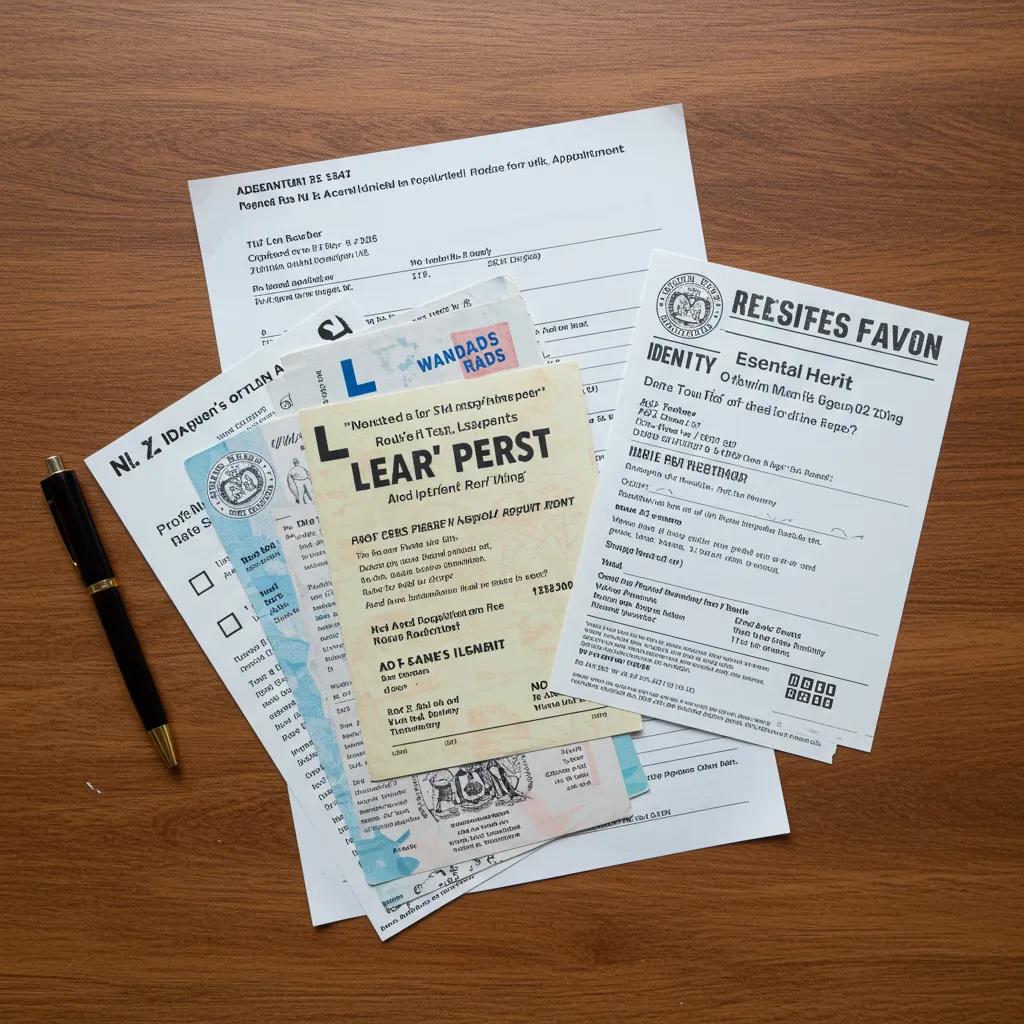
A complete document set is required at check-in: a valid learner permit for the correct license class, proof of identity and residency (as defined by DMV rules), and evidence of required course completion where applicable. You’ll need to present the MV-285 certificate or other pre-licensing documentation when required, and the vehicle used for the test must have current registration and proof of insurance that matches DMV standards. Examiners routinely verify documentation before driving begins, so organizing your original documents in advance helps you avoid unnecessary delays. Bringing clear, organized paperwork also projects professionalism and reduces examiner friction during the evaluation.
How Does the 5-Hour Pre-Licensing Course Affect Road Test Eligibility?
The five-hour pre-licensing course (MV-278/ MV-285 context) is a mandatory classroom component for many new drivers and produces a certificate that is often required before scheduling a road test. Completion is recorded as an an official certificate that proves you’ve completed DMV-approved instruction; without this certificate some applicants won’t be able to schedule for the exam. The pre-licensing course covers safe driving principles and prepares students for testable maneuvers, so treating it as foundational training improves readiness. Keep the original certificate available at check-in and include it with your other required documents.
What Are the Supervised Driving Requirements for Junior Drivers?
Junior drivers must complete a specified number of supervised driving hours, documented on the MV-262 form, including a set amount of night driving, before you can schedule a road test. The log should show the total required hours, signed statements from supervising drivers, and properly recorded night hours when applicable. Parents or guardians typically certify the entries, and examiners may check for reasonable accuracy and completeness at the test site. A clear, well-maintained MV-262 record both verifies eligibility and signals preparedness during the examiner’s administrative review.
How Do You Schedule a NY DMV Road Test Appointment?
Scheduling a NY DMV road test appointment can be done through the official DMV channels or via an expedited private booking service; each option has different timelines, steps, and trade-offs. Official scheduling typically requires using the DMV’s appointment portal or phone system and accepting available slots, which can lead to multi-week waits depending on location and season. Alternatively, expedited services streamline the search for earlier openings and handle submission logistics on your behalf at an added cost. Below, we’ll provide stepwise instructions for each method plus policies on rescheduling or canceling so you can pick the path that matches your urgency and budget.
What Is the Official NY DMV Road Test Scheduling Process?
The official process requires verifying permit eligibility, signing into the DMV scheduling portal or contacting the DMV by phone, and selecting an available test slot based on posted site calendars and availability. You’ll need to supply permit details, confirm the license class, and choose a test site; once scheduled, you’ll receive confirmation and instructions for test-day arrival and document presentation. Typical DMV wait times vary by region and season, often stretching several weeks during peak months, so flexibility is useful when relying only on official channels. If you need an earlier test, consider the alternatives explained below.
How Does Road Tests NY Expedite Your Road Test Booking?
Road Tests NY is a privately owned online service that expedites NY DMV road test scheduling by searching for earlier openings and handling booking logistics for clients, offering convenience, speed, and comprehensive support to get you on the road faster. The service provides three paid booking tiers—Regular Road Test ($25.00, 6–10 week wait time), Rush Road Test ($90.00, 1–3 week wait time), and Super Rush Road Test ($150.00, within 1 week)—and processes secure payments through a user-friendly booking system. To use our service, simply submit your required permit information and preferred locations, select a tier, and you’ll receive confirmation once a slot is secured. We emphasize reduced wait times and provide support during reschedule or cancellation events. This expedited pathway is perfect for applicants who need a faster appointment and prefer a hands-off booking experience.
What Are the Differences Between Regular, Rush, and Super Rush Road Test Options?
Choosing between Regular, Rush, and Super Rush depends on urgency, budget, and acceptable wait time; each tier offers specific trade-offs in price versus expected time-to-appointment. Regular service is the lowest-cost option and targets the same timeframe applicants often see through standard channels, while Rush and Super Rush increase fees to prioritize earlier openings and reduce waiting to weeks or days. Consider urgency—for planned learner permit expirations or travel constraints a faster tier may be worth the added cost; for flexible timelines, the lower tier reduces outlay. Below, you’ll find a concise comparison table to clarify expected waits and price points.
The following table compares official scheduling vs Road Tests NY expedited options so you can quickly assess time and cost trade-offs.
This comparison shows how expedited tiers trade cost for reduced wait time; choose based on urgency and budget.
How Can You Reschedule or Cancel Your NY DMV Road Test Appointment?
Rescheduling or canceling follows the rules of the scheduling method you used: official DMV appointments can typically be changed through the DMV portal within time windows set by the agency, while expedited services have their own reschedule and cancellation policies. When using a private service, confirm deadlines for changes and whether fees apply for rescheduling; Road Tests NY provides support for rescheduling and clearly communicates policy details during booking to minimize surprises. Always allow sufficient notice to avoid losing appointments or incurring penalties, and document any confirmations you receive from either the DMV or an expedited service. Clear communication and following required timelines preserve eligibility and reduce administrative complications.
Where Are the DMV Road Test Locations in New York?
New York State operates many road test sites across NYC boroughs, Long Island, and upstate regions; choosing a site affects traffic conditions, route complexity, and likely wait times. Urban sites often feature denser traffic and tighter maneuvers, while upstate locations generally provide less congested routes but may include highway segments. Reviewing local site characteristics before scheduling helps select a location that matches your driving strengths—parallel parking versus highway merging, for example—and can improve pass probability. The table below summarizes common site attributes to help you make the best selection.
Below is a quick reference table of representative test sites, typical wait and difficulty notes, and practical tips to help you choose the right location for your road test.
Use these attributes to select a site that suits your tested skills; picking a less congested location can reduce stress on test day.
What Are the Popular Road Test Sites in New York City Boroughs?
Popular NYC borough test sites tend to be busy and require confident urban driving skills, with examiners frequently assessing parallel parking and lane selection in dense traffic. You should expect narrow streets, curbside parking maneuvers, and short reaction windows for lane changes. Practicing near the chosen borough site on similar routes helps acclimate to local traffic patterns and typical examiner expectations. Local practice also builds confidence for time-pressured maneuvers that commonly decide pass/fail outcomes.
Where Are Upstate NY Road Test Locations?
Upstate test sites are typically located at county DMV centers and can include mixed rural and suburban routes with less stop-and-go traffic than city sites. You’ll often face longer stretches of two-lane roads, different right-of-way scenarios, and occasional highway driving depending on the site. Practicing at similar rural or suburban roads helps applicants master safe merging and speed-management tasks expected at these locations. Choosing an upstate site can be advantageous for those who prefer less congested testing environments.
What Are the Road Test Sites on Long Island?
Long Island test sites cover Nassau and Suffolk counties and often combine suburban intersections with moderate commuter traffic, requiring solid intersection judgment and highway entry skills in some locations. You should prepare for both curbside maneuvers and multi-lane road navigation, depending on the test site. Scouting the specific site and practicing nearby routes reduces surprises on test day and improves examiner rapport. Site selection within Long Island should align with the applicant’s strongest driving skills.
How Do Location Differences Affect Road Test Difficulty and Pass Rates?
Location differences—traffic density, route complexity, and examiner tendencies—directly influence perceived difficulty and pass rates, with urban sites often showing higher fail rates for maneuver errors and suburban/upstate sites showing more failures due to speed or highway merging. Understanding these patterns helps you choose a site that aligns with your strengths and tailor preparation accordingly. If you struggle with parallel parking, prefer a site with fewer curbside maneuvers; if highway merging is a weakness, select a site emphasizing residential routes. Matching site characteristics to your practice focus improves the likelihood of passing.
What Should You Expect on Your NY DMV Road Test Day?
On test day expect a standardized sequence: arrival and paperwork check, vehicle safety inspection, examiner instructions and the on-road driving evaluation, followed by immediate scoring and next steps. Being on time with required documents and a properly insured, registered vehicle reduces administrative disqualifications and allows the examiner to assess driving performance rather than paperwork lapses. The on-road evaluation covers maneuvers, traffic interactions, and rule compliance; examiners use a scoring sheet to record critical and non-critical errors. Understanding the typical timeline and what to expect from the examiner will reduce test anxiety and help you demonstrate examiner-friendly driving habits.
What Is the NY Road Test Checklist: What to Bring and Prepare?
Prepare a checklist of documents and vehicle readiness items so your check-in proceeds smoothly and you avoid rejection for missing paperwork or safety faults. Bring the original learner permit, MV-278/MV-285 certificate when required, a completed MV-262 for junior drivers, vehicle registration, and insurance documents matching DMV rules. Ensure the test vehicle has working lights, brakes, horn, seatbelts, and no active warning lights on the dash; examiners will perform a quick safety check before your drive. Arriving early, with clear paperwork and a fully functional vehicle, demonstrates responsibility and reduces administrative distractions before evaluation.
- This checklist highlights the most commonly required items for a successful test day.
- Verify your permit and documentation match the license class you’re testing for.
- Confirm the vehicle meets safety standards and that inspection items work correctly.
These preparations minimize the risk of disqualification for non-driving reasons and let you focus on performance.
How Is the NY Road Test Scored and What Are Common Mistakes?
Scoring follows a standardized sheet where examiners mark critical errors that can cause immediate failure and non-critical errors that accumulate toward a failing threshold; common mistakes include failing to yield, unsafe lane changes, and poor parallel parking technique. Understanding the scoring categories and which errors are deemed critical helps you prioritize avoiding top fail behaviors. Practical drills targeting high-failure maneuvers reduce the chance of both critical and accumulated errors. Studying common examiner expectations and practicing to minimize specific deductions improves overall scoring outcomes.
What Driving Maneuvers Are Tested During the NY Road Test?
Typical maneuvers include parallel parking, three-point turns, controlled intersections, lane changes, and sometimes highway merging or stop-and-go traffic handling, depending on site and examiner direction. Each maneuver is evaluated for safety, control, observation, and signaling; examiners expect clean, deliberate actions, not rushed or hesitant movements. Practice maneuvers under realistic conditions—timed, with an evaluator or experienced supervisor—so the skills translate to test day performance. Mastery of fundamental maneuvers directly reduces common failures and builds examiner confidence in your driving.
What Happens After You Complete the Road Test?
After the drive the examiner typically informs you of immediate pass/fail results and records the outcome; passing candidates will receive instructions for license issuance, while those who fail receive feedback and information on retesting timelines. If you fail, reflect on examiner feedback, practice targeted deficiencies, and consider a preparation course before rescheduling to improve your chance on the next attempt. Retest waiting periods vary depending on local DMV rules; using the feedback to create a focused practice plan shortens the path to success. Clear next steps and an action plan after the test ensure forward momentum toward licensure.
How Can You Prepare Effectively for the NY DMV Road Test?
Effective preparation combines focused practice on tested maneuvers, knowledge of requirements and forms, and targeted study of examiner expectations; a structured study plan increases pass probability more than unfocused driving time. Begin with a syllabus that covers maneuvers, defensive driving principles, and site-specific route practice, then layer on mock tests under timed conditions. Use a mix of free practice, supervised drives logged on the MV-262 when relevant, and optional online courses to shore up weak areas. In the following subsections, we’ll describe online course options, top practice tips, and considerations for renting a car for your test.
What Online Road Test Preparation Courses Does Road Tests NY Offer?
Road Tests NY offers several online preparation courses designed to complement hands-on practice, including the New York State Road Test Preparation Course ($75.00), Driving Foundations 101 ($49.00), and Highway Driving ($69.00). Each course targets different needs—comprehensive test preparation, fundamentals for new drivers, and highway skills respectively—and is designed to help you convert practice time into measurable improvements before test day. Using online courses alongside real-world driving drills creates a blended preparation approach that addresses both knowledge and execution. These paid courses are optional enhancements for those seeking structured guidance and consolidated study materials.
What Are the Best Driving Practice Tips for Passing the NY Road Test?
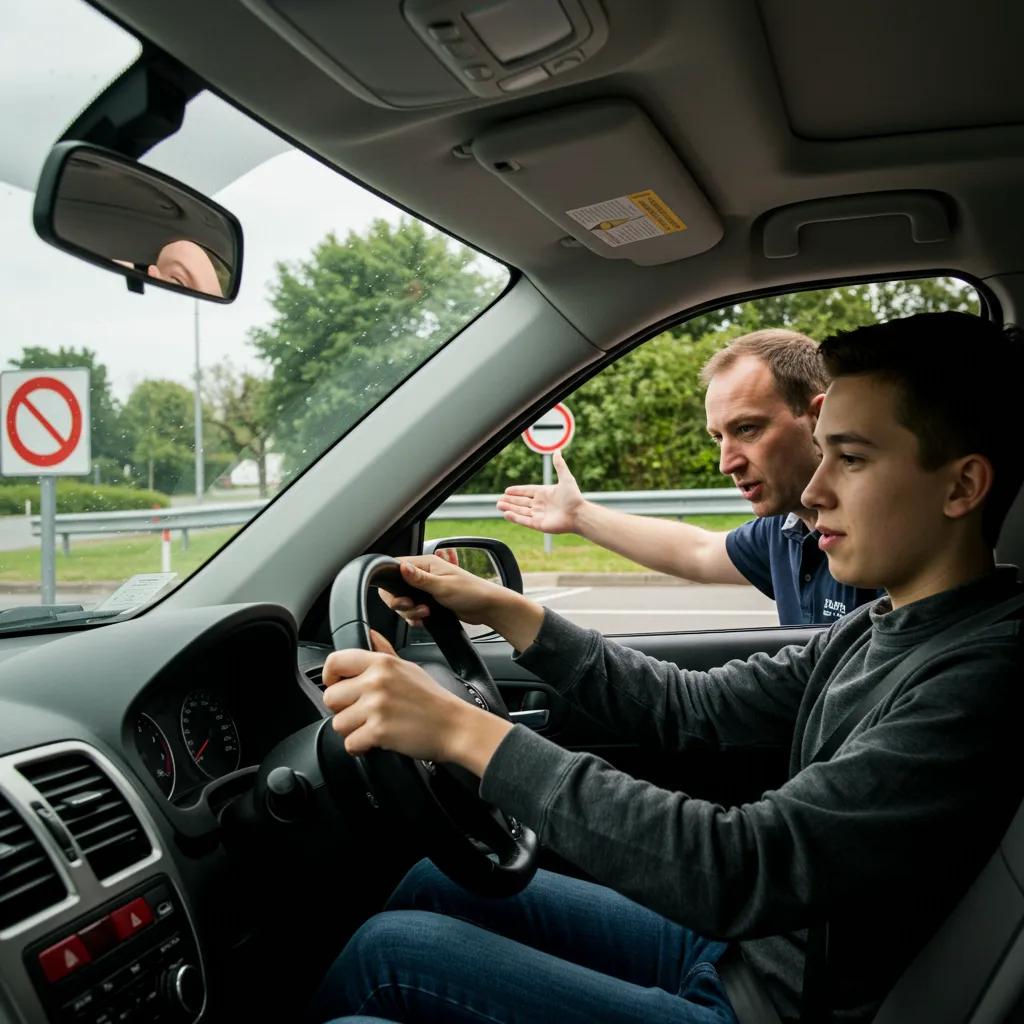
Focused practice routines should simulate test conditions and emphasize the most frequently evaluated skills: smooth controlled maneuvers, consistent observation, correct signaling, and safe speed control. Regularly run mock tests with a supervising driver who can time the session, score errors, and provide corrective feedback, concentrating on parallel parking, three-point turns, lane discipline, and right-of-way decisions. Break practice into short, repeatable drills with measurable goals, such as three flawless parallel parks in a row, and track progress by logging sessions. Translating isolated skill practice into fluid, examiner-approved driving behaviors is essential for test success.
- Practice tip list for efficient improvement:
- Simulate exam conditions: Run timed mock tests with a supervising evaluator.
- Drill high-failure maneuvers: Repeat parallel parking and three-point turns until consistent.
- Record and review: Log sessions and track specific error reduction goals.
- Focus on observation: Practice shoulder checks and mirror use until habitual.
These routines turn isolated skills into examiner-friendly driving habits that reduce scoring deductions.
How Can Renting a Car Help With Your NY Road Test?
Renting a properly insured, examiner-eligible vehicle can be a practical option if you don’t have access to a qualified car for the test, provided your rental meets DMV vehicle requirements and includes insurance coverage for road tests. Before the test, confirm the rental company’s policies allow driving for state road tests and ensure registration and insurance documents are present in the vehicle. Renting offers the advantage of using a well-maintained, modern vehicle that examiners will readily accept, which can reduce test-day mechanical issues and boost your confidence. Evaluate costs and policy details carefully and plan logistics to avoid last-minute complications on test day.
How Much Does It Cost to Book a NY DMV Road Test Appointment?
Cost to book a NY DMV road test appointment depends on whether you use the official DMV scheduling system or an expedited third-party service; third-party tiers have fixed prices tied to expected wait reduction. Official DMV scheduling typically involves no third-party fee, though the state controls appointment availability and timing; wait time is the implicit cost. Road Tests NY provides transparent pricing tiers—Regular Road Test ($25.00, 6–10 week wait), Rush Road Test ($90.00, 1–3 week wait), Super Rush Road Test ($150.00, within 1 week)—designed to convert your money into valuable time savings and booking convenience. The table below compares those tiers to the official scheduling experience to help you weigh monetary cost against time value.
What Are the Pricing Tiers for Road Tests NY Scheduling Services?
The following table summarizes Road Tests NY pricing tiers and recommended use cases so you can pick a tier that matches urgency and budget constraints.
How Do NY DMV Road Test Fees Compare to Expedited Booking Services?
Official DMV scheduling does not require a third-party fee but often entails longer waits, which can carry indirect costs such as delayed employment, schooling, or licensure milestones; our expedited services quantify that time value with transparent prices. Comparing time saved to the fee helps you decide whether paying for priority booking makes financial sense for your situation. For many applicants, the Rush or Super Rush tier is justified when a test delay would cause tangible setbacks, while others may prefer the lower-cost Regular option or official scheduling if timelines are flexible. Calculate the value of weeks saved versus out-of-pocket cost to choose the optimal booking approach.
Frequently Asked Questions
What Should You Do If You Miss Your Scheduled Road Test Appointment?
If you miss your scheduled road test appointment, it’s crucial to act quickly. You typically have the option to reschedule your test through the DMV portal or by contacting the DMV directly. Be aware that you may need to wait for the next available slot, which could be several weeks, depending on your location. If you used an expedited service, check their specific rescheduling policies, as they may have different procedures or fees associated with missed appointments.
Can You Change Your Road Test Location After Scheduling?
Yes, you can change your road test location after scheduling, but the process varies depending on whether you booked through the DMV or an expedited service. For DMV appointments, you can usually modify your location through the DMV portal, subject to availability. If you used a third-party service, contact them directly to inquire about changing your test site, or reach out to us if you booked through Road Tests NY. Keep in mind that changing locations may affect your wait time and the specific driving conditions you will encounter.
What Are the Common Reasons for Failing the NY Road Test?
Common reasons for failing the NY road test include critical errors such as failing to yield the right of way, improper lane changes, and not using turn signals. Other frequent mistakes involve poor parallel parking techniques and not adhering to speed limits. Understanding these common pitfalls can help you focus your practice on areas that are often evaluated. We recommend reviewing the scoring criteria and practice maneuvers that are known to be challenging for many applicants.
How Can You Prepare for the Driving Maneuvers Tested on the Road Test?
To prepare for the driving maneuvers tested on the road test, consistent practice is key. Focus on essential skills such as parallel parking, three-point turns, and lane changes. Use a safe, controlled environment to simulate test conditions, and consider having a supervising driver provide feedback. Additionally, familiarize yourself with the specific routes and traffic patterns near your test site, as this can help you feel more comfortable and confident on test day.
What Should You Do If You Have Special Needs or Require Accommodations for the Road Test?
If you have special needs or require accommodations for the road test, it’s crucial to inform the DMV when scheduling your appointment. They can provide information on available resources, such as adaptive vehicles or additional time for the test. Be sure to communicate your needs clearly and check if any documentation is required to support your request. Planning ahead ensures that your testing experience is as smooth and accommodating as possible.
Are There Any Age-Specific Considerations for Junior Drivers Taking the Road Test?
Yes, junior drivers have specific considerations when taking the road test. They must complete a minimum number of supervised driving hours, including night driving, and have their MV-262 form signed by a parent or guardian. Additionally, junior drivers are subject to restrictions on their licenses, such as passenger limits and curfews. Understanding these requirements is essential for junior drivers to ensure they meet all eligibility criteria before scheduling their road test.
How Long Is the Wait Time for a NY Road Test Appointment?
Typical DMV wait times vary by site and season and often range from a few weeks up to several months at high-volume locations; our expedited services can shorten that window substantially. Many applicants see multi-week waits through official channels—commonly 3–10 weeks—while paid tiers reduce waits to the weeks or days specified by each service option. Consider seasonal peaks, holidays, and site popularity when estimating your expected wait time and choose scheduling methods accordingly.
Can You Schedule a Road Test Before the 6-Month Waiting Period?
The six-month waiting period applies to junior permit holders and is enforced to ensure supervision and practice hours are accumulated; scheduling before completing mandated supervised driving or waiting periods is generally not permitted. Exceptions are rare and tied to specific regulatory allowances, so junior drivers should prioritize meeting MV-262 requirements before attempting to schedule. If you have questions about an exception, consult official DMV guidance and plan remedial actions, such as additional supervised practice or coursework, to meet eligibility.
What Happens If You Fail the NY Road Test?
If you fail the road test you will receive examiner feedback on specific deficiencies and guidance on when you may retake the examination; retest waiting periods vary and should be checked with official scheduling rules. Use examiner feedback to form a focused practice plan and consider targeted instruction or an online course to address recurring errors before rescheduling. Systematic remediation increases the chance of passing on the next attempt and reduces repeat failures.
How Do You Check Your Road Test Appointment Status?
You can verify appointment status through the official DMV checking methods or via confirmation communications from an expedited booking service; keep appointment details and confirmation receipts accessible for quick reference. If you used a third-party service, they typically provide booking confirmations and status updates through their platform and support channels. If you booked with us, we’ll keep you updated every step of the way. Confirming status a few days before test day avoids surprises and ensures you have the correct arrival instructions and documentation.
About the Author: Alex Chen
Alex Chen is a seasoned driving education specialist with over 15 years of experience navigating the complexities of the New York DMV system. Having personally guided thousands of aspiring drivers through the permit, pre-licensing, and road test processes, Alex possesses an unparalleled understanding of the requirements, common pitfalls, and optimal preparation strategies. Their expertise is rooted in a deep knowledge of NYS vehicle and traffic laws, examiner expectations, and a commitment to fostering safe, confident drivers. This guide distills years of practical insight to empower you with the most accurate and actionable information for your NY road test journey.