
Ace Your Road Test in New York: Essential Tips and Resources
New York drivers seeking to obtain their license must navigate the crucial step of passing the road test. Aspiring motorists can book road tests through various channels, including online platforms that streamline road test scheduling. These services often provide a help center and frequently asked questions section to guide applicants through the process. Knowing the available road test locations can help drivers choose a convenient spot to demonstrate their skills. In this article, we’ll explore essential tips and resources to help you ace your New York road test, from preparation strategies to understanding scoring criteria and post-test procedures.
Key Takeaways
- Thorough preparation is crucial for passing the New York road test
- Practice in various conditions helps build confidence and skills for the test
- Understanding and following traffic laws is essential for test success
- Proper documentation and a roadworthy vehicle are required for the test
- Staying calm and communicating clearly with the examiner can improve test performance
Prepare Effectively for Your NY Road Test

Getting ready for the New York driving test takes careful planning and practice. The New York DMV expects new drivers to be well-prepared before taking their road test. This means completing help centerdriver’s ed in New York, finishing a road test scheduling course, and putting in plenty of practice hours behind the wheel. Future drivers should focus on mastering key skills, understanding local traffic laws, and feeling confident in various driving situations. By following a thorough preparation strategy, aspiring drivers can boost their chances of passing the test and earning their license on the first try.
Study the New York Driver’s Manual Thoroughly
The New York Driver’s Manual serves as the go-to resource for anyone preparing for their book road test. It covers essential topics like recognizing stop signs, understanding insurance requirements, and the proper way to yield to pedestrians. Aspiring drivers should dedicate time to studying this manual, as it provides crucial information on traffic laws and safe driving practices.
Mastering the content in the manual helps drivers avoid common mistakes during their book road test and on the road. The guide also delves into serious issues like driving under the influence and navigating complex traffic situations. By thoroughly familiarizing themselves with this resource, new drivers set a solid foundation for responsible and lawful driving in New York.
Practice Driving in Various Conditions
Practicing driving in different conditions helps new drivers gain confidence and skills. They should spend time behind the wheel in various weather, from sunny days to light rain, and at different times of day. This exposure helps drivers learn how to handle their vehicle safely in changing environments. If you have any questions or need assistance, you can check the help center for frequently asked questions.
New drivers benefit from practicing on different types of roads and in various traffic situations. They should navigate residential streets, busy highways, and navigate through intersections with traffic lights. This diverse experience prepares them for the challenges they may face during the road test and as licensed drivers.
- Practice in different weather conditions
- Drive at various times of day
- Experience different road types
- Navigate through diverse traffic situations
- Learn to handle the car in changing environments
Get Comfortable With Basic Maneuvers
Mastering basic driving maneuvers boosts confidence for the road test exam. New drivers should practice parallel parking, three-point turns, and smooth stops at intersections. They must also learn to maintain proper speed limits and follow traffic signals accurately.
Instructors emphasize the importance of checking blind spots and using turn signals consistently. The road test fee covers evaluation of these fundamental skills, so perfecting them is crucial. Drivers must also demonstrate their ability to navigate safely without the influence of alcohol or other substances.
Familiarize Yourself With the Test Route
Aspiring drivers can gain an edge by familiarizing themselves with potential test routes near their local New York State Department of Motor Vehicles office. This knowledge helps drivers anticipate challenges they might face during the exam, such as tricky intersections or areas where parallel parking skills are tested. By scouting these routes, new drivers can practice navigating specific lanes, using their brakes effectively, and maneuvering their wheel with confidence.
Many driving schools offer practice sessions that cover common test routes. These sessions allow new drivers to experience realistic test conditions and receive feedback on their performance. Instructors often point out areas where examiners pay close attention, such as proper lane changes and smooth stops at intersections. This hands-on experience proves invaluable when the actual test day arrives.
- Locate nearby DMV offices
- Scout potential test routes
- Practice on common exam paths
- Identify challenging areas
- Gain confidence in specific driving tasks
Ensure Your Vehicle Meets All Requirements
The vehicle used for the road test must meet strict requirements set by the New York DMV. Drivers should check their car’s registration, insurance, and inspection status before the test date. They can find a comprehensive FAQ on vehicle requirements by entering their zip code on the DMV website.
Learning about these requirements is an essential part of driver education. The knowledge gained from understanding vehicle standards contributes to overall road safety and helps new drivers start their journey with a well-maintained car.
Schedule Ample Practice Sessions With a Licensed Driver
New drivers in New York City should schedule regular practice sessions with a licensed driver to hone their skills. These sessions help prevent common mistakes that lead to test failure, such as improper speed control or misjudging curb distance. Practicing with an experienced driver allows new motorists to receive immediate feedback and correct errors before they become habits.
During these practice sessions, new drivers should focus on mastering essential skills like checking mirrors frequently and maintaining safe following distances. The licensed driver can provide valuable insights on navigating busy city streets and handling unexpected situations. Here’s a breakdown of key areas to focus on during practice sessions:
Schedule Your Road Test With Ease
Booking a road test in New York doesn’t have to be a hassle. With modern online scheduling systems, aspiring drivers can easily select a date and time that fits their schedule. Understanding the various test location options allows candidates to choose a site that’s convenient and familiar. It’s crucial to confirm the appointment and gather all required documents beforehand, ensuring a smooth experience on test day. Regularly checking the DMV website for updates helps drivers stay informed about any changes or new requirements. By mastering these scheduling steps, new drivers can focus on perfecting their steering skills and remembering to fasten their seat belts, setting themselves up for success on the big day.
Choose a Convenient Date and Time Online
New York drivers can now schedule their road tests online with just a few clicks, saving time and reducing stress. This convenient system allows test-takers to select a date and time that fits their schedule, eliminating the need for long waits or phone calls. Parents and driving instructors can help guide new drivers through this process, ensuring they choose a suitable slot that aligns with their preparation timeline.
When selecting a test date, drivers should consider factors like their readiness level, availability of a licensed driver to accompany them, and any upcoming life insurance or legal deadlines. The online system provides a clear overview of available slots, allowing users to make informed decisions. Here’s a breakdown of the online scheduling process:
Understand the Test Location Options
New York offers various road test locations, each with unique characteristics that can impact a driver’s performance. Some sites may have more challenging parallel parking spots or busier intersections, while others might test a driver’s ability to handle manual transmission vehicles or navigate areas prone to accidents. Aspiring drivers should research their chosen location to prepare for its specific challenges and avoid surprises on test day.
The DMV website provides detailed information about each test site, including directions and any special requirements. Drivers should consider factors like traffic patterns, road conditions, and distance from their home when selecting a location. It’s also important to note that some sites may require additional documentation, such as a social security number or proof of motor vehicle insurance, so thorough preparation is key to a smooth testing experience.
Confirm Your Appointment and Required Documents
After scheduling a road test, drivers must confirm their appointment and gather all required documents. The DMV requires proof of identity, such as a social security card, and valid car insurance. Drivers should also ensure their vehicle is in good condition, with functioning brakes, lights, and safety features.
On test day, arriving early allows time to review last-minute details like proper clutch control and parallel parking techniques. This preparation helps reduce stress and allows drivers to focus on demonstrating their skills. Remember to bring a licensed driver who can provide feedback and support throughout the process.
Check the DMV Website for Any Updates
Staying updated on DMV regulations is crucial for road test success. The DMV website provides the latest information on requirements, including proper steering wheel techniques and necessary documents like passports. Drivers should check regularly for changes in rules about motorcycle tests or updates to clutch control guidelines.
The website also offers valuable resources for perfecting skills like checking over the shoulder during lane changes. By keeping informed, test-takers can avoid surprises and focus on demonstrating their driving abilities confidently. Here’s a breakdown of key areas to monitor on the DMV website:
Key Strategies to Ace the Road Test in NY
Mastering the New York road test requires a blend of skill, knowledge, and composure. Drivers must navigate various challenges, from maintaining proper traffic flow to handling unexpected situations like encountering a roundabout. Key strategies include staying focused, adhering to all traffic laws, and effectively communicating with the examiner. Aspiring drivers should also be prepared for tasks that test their awareness, such as checking the windshield for obstructions or maintaining a safe distance to avoid tailgating. By honing these skills and understanding the test’s nuances, including accessibility considerations for all drivers, candidates can approach their exam with confidence and increase their chances of success.
Stay Calm and Focused During the Test
Taking the New York drivers license test can be nerve-wracking, but staying calm and focused is crucial for success. During the NYC driving test, candidates should take deep breaths and remind themselves of their preparation. Maintaining a clear mind helps drivers navigate challenges like parallel parking and busy intersections with confidence.
The DMV driving test NY evaluates not just skills, but also a driver’s ability to handle pressure. Candidates can boost their focus by arriving early, doing a quick vehicle check, and mentally reviewing key maneuvers. Roadtestresults NY often reflect a driver’s composure, so staying relaxed throughout the New York State driving test can make a significant difference in the outcome.
Follow All Traffic Laws and Signals
During the New York driving test, examiners closely observe how well candidates follow traffic laws and signals. Drivers booking their dmv driving test ny appointment must demonstrate a thorough understanding of road signs, speed limits, and right-of-way rules. Proper use of turn signals, complete stops at stop signs, and adherence to traffic light instructions are crucial for passing the test.
Candidates who schedule their appointment for driving test ny should practice obeying all traffic laws consistently. This includes maintaining proper lane positioning, yielding to pedestrians, and following school bus safety rules. When arranging a dmv driving test appointment ny or preparing for the dmv driving test nyc, drivers should focus on developing good habits that align with New York’s traffic regulations. Here’s a breakdown of key traffic laws to master:
Be Prepared for Unexpected Situations
The New York driving test often throws curveballs at candidates to assess their ability to handle unexpected situations. Examiners may simulate emergencies, introduce sudden obstacles, or create scenarios that require quick thinking and proper responses. Drivers must remain vigilant and ready to adapt their driving strategy at a moment’s notice during the New York driving exam.
To excel in the New York written driving test and on-road assessment, aspiring drivers should practice various scenarios with their instructors. This includes learning how to safely maneuver around road work, respond to emergency vehicles, and handle adverse weather conditions. By developing a flexible mindset and honing their decision-making skills, candidates increase their chances of successfully navigating any surprises during the test.
Communicate Effectively With Your Examiner
Clear communication with the examiner proves vital during the New York road test. Test-takers should listen carefully to instructions, ask for clarification if needed, and respond confidently to questions. Maintaining a respectful and calm demeanor throughout the exam helps create a positive atmosphere and demonstrates professionalism.
Examiners appreciate drivers who verbalize their actions during the test, such as explaining their decision-making process at intersections or when changing lanes. This verbal communication showcases the driver’s awareness and understanding of traffic laws. Candidates should also inform the examiner promptly if they feel unsafe or encounter any issues with the vehicle during the test.
Understand the Scoring Criteria for NY Road Tests
New York’s road test scoring system evaluates drivers on a range of skills and behaviors. Examiners use a detailed checklist to assess performance, looking for both critical errors that result in automatic failure and minor mistakes that lead to point deductions. Understanding these criteria helps test-takers focus their preparation efforts and avoid common pitfalls. Aspiring drivers should familiarize themselves with the critical error list, recognize frequent reasons for losing points, and strive for smooth, confident driving throughout the exam. By mastering these aspects, candidates increase their chances of passing the test and earning their New York driver’s license.
Review the Critical Error List
The New York DMV provides a comprehensive list of critical errors that result in automatic failure of the road test. These errors include actions like running red lights, speeding, or failing to yield to pedestrians. Drivers should study this list carefully to avoid making these serious mistakes during their exam.
Understanding the critical error list helps test-takers focus on key safety aspects and decision-making skills. By internalizing these crucial points, drivers can develop habits that prioritize road safety and legal compliance. Here’s a breakdown of some common critical errors to avoid:
- Disobeying traffic signs or signals
- Failing to check blind spots before changing lanes
- Not coming to a complete stop at stop signs
- Improper use of turn signals
- Unsafe lane changes or merging
Know Common Reasons for Point Deductions
New York road test examiners deduct points for various minor infractions that don’t result in automatic failure. Common reasons for point deductions include improper mirror checks, inconsistent speed control, and hesitation at intersections. Drivers often lose points for inadequate scanning of their surroundings or failing to maintain a safe following distance.
Test-takers should also be aware that improper steering techniques, such as one-handed steering or crossing hands while turning, can lead to point deductions. Examiners pay close attention to how drivers handle basic maneuvers like parallel parking and three-point turns, deducting points for poor execution or excessive attempts. By focusing on these areas during practice sessions, aspiring drivers can minimize point deductions and improve their chances of passing the test.
Aim for Smooth and Confident Driving
Smooth and confident driving impresses road test examiners in New York. Drivers who maintain steady speeds, execute fluid lane changes, and brake gently demonstrate their mastery of vehicle control. This level of skill indicates a driver’s readiness for independent operation on New York’s busy roads.
Confidence behind the wheel comes from thorough preparation and practice. Drivers who approach intersections decisively, merge onto highways smoothly, and navigate complex traffic situations with ease often score higher on their road tests. This self-assurance, combined with respectful driving habits, showcases a test-taker’s potential as a responsible motorist.
What Happens if You Pass the Road Test
Passing the New York road test marks a significant milestone for new drivers. The journey doesn’t end there, though. Successful candidates receive a temporary license, but they must navigate a set of restrictions designed to ease them into full driving privileges. Understanding these limitations and planning for future driving experiences is crucial. New drivers should also consider ongoing education to enhance their skills and safety on the road. This transition period allows fresh license holders to build confidence while adhering to important safety measures put in place by the New York DMV.
Receive Your Temporary License
After passing the road test, successful candidates receive a temporary license document from their examiner. This paper serves as proof of their newly acquired driving privileges until their permanent license arrives in the mail, typically within a few weeks.
The temporary license allows new drivers to start operating vehicles immediately, subject to any restrictions that apply to junior drivers in New York. It’s crucial to keep this document with you whenever you drive, as it serves as your official license during this interim period.
Understand the Restrictions for New Drivers
New York imposes specific restrictions on newly licensed drivers to promote safety as they gain experience. These limitations include nighttime driving curfews, passenger restrictions, and rules about where they can drive within the state. Young drivers must adhere to these rules or risk penalties and license suspension.
The restrictions gradually ease as drivers gain experience and maintain a clean driving record. New drivers should familiarize themselves with these rules and plan their trips accordingly to ensure compliance. Following these guidelines helps new drivers build confidence and skills while reducing their risk on the road.
Plan for Future Driving Experiences and Education
New drivers who pass their road test should plan for continued learning and skill development. Many insurance companies offer defensive driving courses that can improve safety awareness and potentially lower insurance rates. Joining local driving clubs or participating in advanced driver training programs can also enhance skills and confidence on the road.
As new drivers gain experience, they should challenge themselves with diverse driving conditions. This includes practicing in different weather scenarios, navigating through unfamiliar areas, and gradually tackling more complex driving tasks. By continually expanding their driving repertoire, new license holders can become more competent and safer drivers over time.
Next Steps After a Road Test Failure in NY
Failing a road test in New York can be disheartening, but it’s not the end of the road. Many drivers face setbacks before earning their license, and the experience can be a valuable learning opportunity. The key is to approach the situation with a positive mindset and a determination to improve. By carefully analyzing feedback from the examiner, promptly scheduling another test attempt, and focusing on areas that need improvement, aspiring drivers can turn their initial disappointment into a roadmap for success. This process of reflection and targeted practice often leads to stronger, more confident drivers who are better prepared for the challenges of New York’s busy streets.
Analyze the Feedback From Your Examiner
After failing a road test in New York, drivers receive valuable feedback from their examiners. This feedback pinpoints specific areas where improvement is needed, such as parallel parking, lane changes, or following distance. Carefully reviewing these comments helps drivers understand their weaknesses and develop a focused plan for improvement.
Taking notes during the examiner’s feedback session ensures no crucial details are missed. Drivers should ask questions if any points are unclear, as this information forms the foundation for targeted practice sessions. By addressing each identified issue systematically, candidates increase their chances of success on subsequent attempts.
Schedule Your Next Test Attempt
After a road test failure, drivers should promptly schedule their next attempt. The New York DMV allows retakes after a short waiting period, typically a few days to a week. Scheduling quickly helps maintain momentum and keeps driving skills sharp.
When booking the next test, drivers should consider factors like location, time of day, and examiner availability. Choosing a familiar test site can boost confidence, while selecting a less busy time may reduce stress. Here’s a checklist for scheduling the next road test:
- Check the DMV website for available dates
- Select a convenient location
- Choose a time that allows for proper rest and preparation
- Ensure all necessary documents are still valid
- Confirm the appointment details via email or text
Focus on Areas Needing Improvement
After receiving feedback from the examiner, drivers should dedicate extra practice time to areas that need improvement. This targeted approach allows them to address specific weaknesses, whether it’s mastering smooth gear shifts, perfecting three-point turns, or enhancing situational awareness at intersections. Drivers may benefit from working with a professional instructor who can provide personalized guidance on these challenging aspects.
Utilizing online resources and practice tests can complement hands-on driving practice. Many websites offer virtual simulations of road test scenarios, helping drivers familiarize themselves with potential test situations. By combining practical experience with theoretical knowledge, aspiring drivers can build a well-rounded skill set that prepares them for success on their next road test attempt.
Essential Documents for Your NY Road Test
Preparing for a New York road test involves more than just honing driving skills. Aspiring drivers must gather a set of essential documents to present on test day. These papers prove identity, demonstrate readiness, and confirm the legality of the test vehicle. From identification and proof of practice to vehicle registration and insurance, each document plays a crucial role in the testing process. Young drivers face additional requirements, such as the Form MV-262, which verifies their readiness for the road. Understanding and organizing these documents well in advance helps ensure a smooth testing experience and allows test-takers to focus on showcasing their driving abilities.
Gather Required Identification and Proof of Practice
New York road test candidates must bring specific identification documents to their exam. These typically include a valid learner’s permit, proof of completion of a pre-licensing course or driver education, and a form of photo ID. Drivers should double-check that their learner’s permit hasn’t expired, as this would disqualify them from taking the test.
Proof of practice is equally important for the road test. New drivers need to present their completed practice log, showing they’ve met the state’s required supervised driving hours. This log should be signed by the supervising licensed driver who oversaw their practice sessions. Here’s a breakdown of the essential documents:
Verify the Vehicle Registration and Insurance
New York road test candidates must present valid vehicle registration and insurance documents on test day. These papers prove the vehicle’s legal status and coverage, ensuring compliance with state regulations. Examiners carefully check these documents before allowing the test to proceed.
Test-takers should verify that the registration hasn’t expired and that the insurance policy covers the date of the exam. Using a vehicle with outdated paperwork can result in test cancellation and rescheduling fees. Here’s a breakdown of the required vehicle documents:
Understand the Form MV-262 Requirement for Young Drivers
Young drivers in New York must obtain Form MV-262, also known as the Certification of Supervised Driving, before taking their road test. This form verifies that the aspiring driver has completed at least 50 hours of supervised driving practice, including 15 hours of night driving. A parent, guardian, or licensed driving instructor must sign this form, attesting to the accuracy of the recorded practice hours.
The MV-262 form serves as a crucial step in ensuring young drivers are adequately prepared for the responsibilities of independent driving. It encourages thorough practice and helps reinforce safe driving habits before the road test. Here’s what young drivers need to know about Form MV-262:
- Download the form from the New York DMV website or obtain it from a local DMV office
- Record practice hours accurately, including date, time, and driving conditions
- Ensure the supervising driver signs off on each practice session
- Submit the completed form to the examiner on the day of the road test
- Keep a copy for personal records, as it may be required for future reference
Special Considerations for New York City Drivers
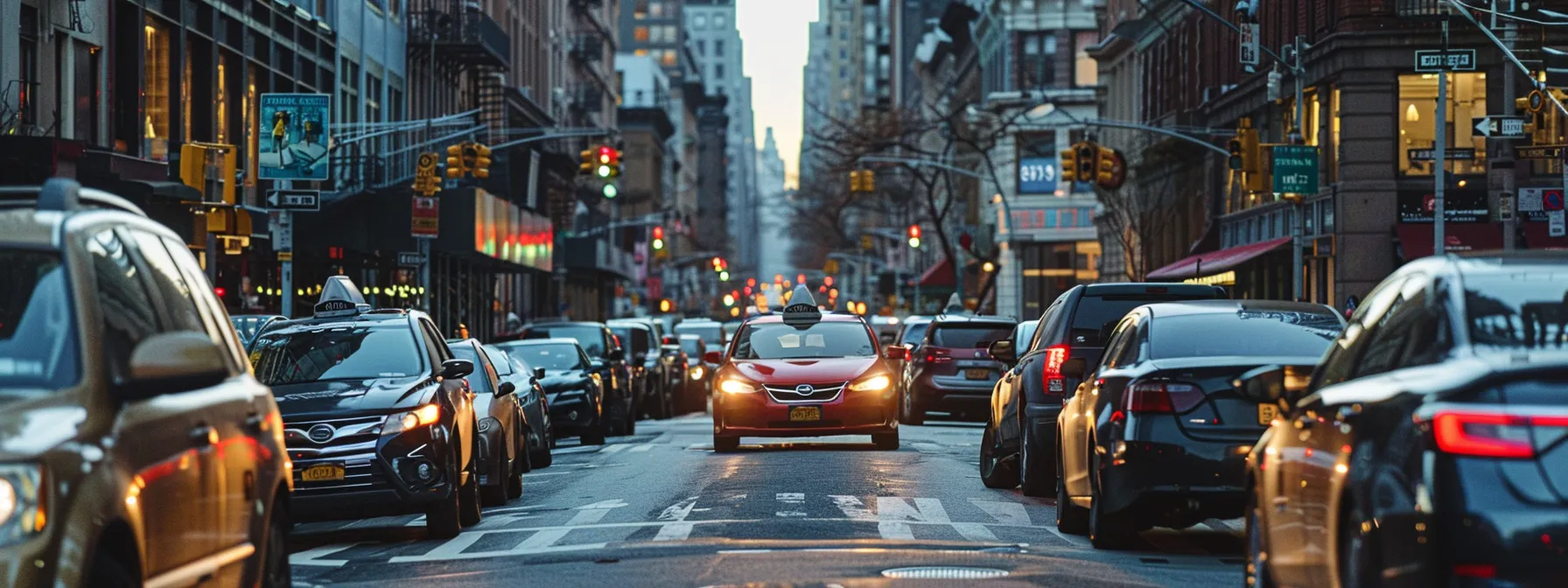
Navigating the bustling streets of New York City presents unique challenges for drivers taking their road test. The urban landscape demands a heightened awareness of dense traffic patterns and constant pedestrian activity. Aspiring NYC drivers must hone their skills in tight maneuvering, especially parallel parking, which is a crucial component of the test. They also need to master the art of stop-and-go driving, a common scenario in the city’s congested areas. By focusing on these specific skills and preparing for the intense urban environment, test-takers can increase their chances of success and demonstrate their readiness to handle the demanding driving conditions of the Big Apple.
Anticipate Heavy Traffic and Pedestrian Scenarios
New York City road test takers must prepare for the constant flow of vehicles and pedestrians that characterize the city’s streets. Examiners expect drivers to demonstrate heightened awareness of their surroundings, including the ability to anticipate sudden stops and react to jaywalkers. Mastering the art of defensive driving becomes crucial in this environment, where split-second decisions can make the difference between passing and failing the test.
Test candidates should practice navigating through congested areas, paying close attention to crosswalks and intersections where pedestrian activity is high. They must show proficiency in yielding to pedestrians, even when pedestrians don’t have the right of way, as safety takes precedence in all situations. Developing a keen eye for potential hazards and maintaining a calm demeanor in stressful traffic conditions will impress examiners and showcase a driver’s readiness for New York City’s unique driving challenges.
Practice Parallel Parking and Stop-and-Go Driving
Mastering parallel parking proves essential for New York City road test success. Drivers must practice squeezing into tight spaces between parked cars, perfecting their steering and spatial awareness. Regular practice in various parking scenarios builds confidence and improves technique, crucial skills for navigating the city’s limited parking options.
Stop-and-go driving challenges test-takers in NYC’s congested streets. Drivers need to maintain safe distances, anticipate sudden stops, and smoothly accelerate when traffic moves. Practicing these skills in busy areas prepares candidates for the frequent starts and stops they’ll encounter during their road test and daily city driving.
Utilize Available Resources and Driving Schools

New York drivers can tap into a wealth of resources to boost their road test readiness. From DMV-approved driving schools that offer structured learning programs to online practice tests that sharpen knowledge of traffic laws, aspiring drivers have numerous tools at their disposal. Professional driving instructors provide invaluable feedback, helping to refine skills and correct bad habits before test day. By leveraging these resources, test-takers can approach their exam with confidence, armed with the knowledge and practice needed to navigate New York’s challenging roads successfully.
Explore DMV-approved Driving Schools
DMV-approved driving schools offer structured programs tailored to New York’s specific road test requirements. These schools employ certified instructors who know the latest traffic laws and can provide insights into common test pitfalls. Students benefit from a mix of classroom instruction and behind-the-wheel practice, ensuring they’re well-prepared for both the written and practical aspects of the road test.
Many DMV-approved schools offer flexible scheduling options, including weekend and evening classes to accommodate busy lifestyles. Some schools even provide services like pick-up and drop-off for driving lessons, making it convenient for students to fit practice sessions into their routines. By choosing a reputable, DMV-approved school, aspiring drivers invest in quality instruction that can significantly improve their chances of passing the road test on the first attempt.
Access Online Practice Tests and Resources
Online practice tests offer aspiring New York drivers a convenient way to prepare for the written portion of their road test. These digital resources simulate the actual exam, covering topics like traffic laws, road signs, and safe driving practices. Many websites provide free access to these practice tests, allowing drivers to gauge their knowledge and identify areas needing improvement.
The New York DMV website features an official driver’s manual and interactive quizzes to supplement test preparation. Video tutorials and mobile apps provide additional learning options, catering to various learning styles. These online resources allow drivers to study at their own pace, reinforcing key concepts and boosting confidence before the actual road test.
Consider Professional Driving Instructor Feedback
Professional driving instructors offer invaluable insights that can make the difference between passing and failing a New York road test. These experts identify subtle mistakes that self-taught drivers might overlook, such as improper hand positioning on the steering wheel or inefficient scanning techniques. Their personalized feedback helps aspiring drivers refine their skills and build confidence behind the wheel.
Instructors also familiarize students with common test routes and potential challenges specific to their local DMV office. This insider knowledge allows drivers to practice navigating tricky intersections or mastering particular maneuvers that examiners frequently assess. By incorporating professional feedback into their preparation, test-takers can address weaknesses and approach their exam with a polished set of driving skills.
Legal and Safety Guidelines for NY Road Testing

New York’s road test process is governed by strict legal and safety guidelines designed to ensure new drivers are well-prepared for the responsibilities of operating a vehicle. Aspiring drivers must familiarize themselves with state driving laws, which form the foundation of safe and lawful road use. The state’s zero tolerance policy for drugs and alcohol underscores the serious nature of impaired driving, with severe consequences for violations. Additionally, the condition of the vehicle used for the test plays a crucial role in both safety and test eligibility. By thoroughly understanding these legal and safety requirements, test-takers can approach their exam with confidence, knowing they’re meeting all necessary standards for becoming licensed drivers in New York.
Review New York State Driving Laws
New York State driving laws form the foundation of road safety and test expectations. Aspiring drivers must thoroughly review these regulations, which cover topics like speed limits, right-of-way rules, and traffic sign meanings. Understanding these laws helps test-takers anticipate questions and scenarios they may encounter during their road test.
Key areas to focus on include seatbelt laws, child passenger safety regulations, and rules for interacting with emergency vehicles. Familiarity with New York’s point system for traffic violations also proves valuable, as it underscores the importance of safe driving habits. Here’s a list of essential New York driving laws to review:
- Speed limits in various zones (residential, school, highway)
- Right-of-way rules at intersections and crosswalks
- Proper use of turn signals and lane changing procedures
- Regulations for passing other vehicles safely
- Rules for stopping at railroad crossings and school buses
- Restrictions on cell phone use and distracted driving
Understand the Zero Tolerance Policy for Drugs and Alcohol
New York enforces a strict zero tolerance policy for drugs and alcohol during road tests. Any evidence of substance use results in immediate test failure and potential legal consequences. Test-takers must arrive sober and alert, as examiners are trained to detect signs of impairment.
The policy extends beyond the test day, emphasizing the importance of responsible driving habits. New drivers should understand that even trace amounts of alcohol or drugs in their system can lead to severe penalties, including license suspension and mandatory substance abuse programs. This zero tolerance approach underscores New York’s commitment to road safety and the gravity of impaired driving.
Prioritize Vehicle Safety and Roadworthiness
The vehicle used for a New York road test must meet strict safety standards. Examiners inspect cars for functioning lights, brakes, and safety features before allowing the test to proceed. Drivers should perform a thorough pre-test check, ensuring all components work properly and the vehicle is in good overall condition.
Roadworthiness extends beyond basic safety features. Test-takers must ensure their vehicle’s registration and inspection are up-to-date, with valid documentation readily available. A clean, well-maintained car not only meets legal requirements but also demonstrates the driver’s commitment to vehicle care and safety. Here’s a checklist for vehicle preparation:
- Check all lights (headlights, taillights, turn signals, brake lights)
- Test horn functionality
- Ensure windshield wipers and washers work properly
- Verify tire pressure and tread depth
- Clean all mirrors and windows for clear visibility
- Adjust seats and mirrors for optimal driving position
- Confirm seatbelts function correctly for all passengers
Frequently Asked Questions
How long does it typically take to schedule a road test in New York?
Scheduling a road test in New York typically takes 6-10 weeks through the standard DMV process. This long wait time can be frustrating for many drivers eager to obtain their license. However, private scheduling services like RoadTestsNY.com offer expedited options that can reduce the wait to as little as 1-3 weeks.
What documents do I need to bring to my New York road test?
To take your New York road test, bring your valid learner’s permit, driver’s education certificate (MV-285), and completed Pre-Licensing Course Certificate (MV-278). You’ll also need a registered, insured vehicle with valid inspection, and a licensed driver over 21 to accompany you.
Can I use my own car for the road test in New York?
Yes, you can use your own car for the New York road test. The vehicle must be properly registered, insured, and in good working condition. It should have valid inspection stickers and all necessary safety features, including working lights, brakes, and seatbelts.
What are the most common reasons people fail the New York road test?
Many drivers fail the New York road test due to inadequate preparation, nervousness, or simple mistakes. Common errors include improper lane changes, failure to yield, speeding, rolling stops, and parallel parking difficulties. Lack of practice in real traffic conditions also contributes to test failures.
How soon can I retake the road test if I fail in New York?
In New York, drivers who fail their road test can typically retake it after 24 hours. However, due to high demand and limited availability, it’s often challenging to secure a new appointment quickly. Many individuals opt for scheduling services to expedite the process and obtain an earlier test date.
Essential Points to RememberConclusion
Mastering the New York road test requires comprehensive preparation and a thorough understanding of state driving laws. Aspiring drivers must focus on developing crucial skills, from smooth parallel parking to navigating heavy traffic, while also familiarizing themselves with test procedures and required documentation. Utilizing available resources, such as DMV-approved driving schools and online practice tests, can significantly boost a candidate’s chances of success. By approaching the road test with confidence, proper preparation, and a commitment to safety, new drivers set themselves up for success not only on exam day but also for a lifetime of responsible driving on New York’s roads.