

Navigating Intersections During Road Test
Introduction: The Importance of Navigating Intersections During Your Road Test
Navigating intersections is one of the most critical skills you need to master to pass your road test successfully. Intersections are where multiple traffic flows converge, and this can present a range of challenges for new drivers. Properly handling these situations not only demonstrates your ability to follow traffic laws but also showcases your ability to remain calm and make quick decisions under pressure. On the road test, your examiner will be watching how you approach, stop, yield, and proceed through intersections—making it a major part of your assessment. Beyond the test, safe intersection navigation is essential for avoiding accidents and ensuring smooth driving in daily life. Mastering this skill will give you confidence and make you a more responsible driver.
Key Takeaways
✔ Observe traffic signs, lights, and road markings carefully.
✔ Always yield the right-of-way when required.
✔ Stay aware of pedestrians and other vehicles around you.
✔ Remain calm and take your time approaching and moving through intersections.
Types of Intersections You’ll Encounter on Your Road Test
During your road test, you’ll likely encounter various types of intersections, each requiring specific handling and decision-making.
✔ Controlled Intersections: These are managed by traffic signals or stop/yield signs. You’ll need to follow the lights or signs and know when it’s safe to proceed, stop, or yield. Pay close attention to right-of-way rules here.
✔ Uncontrolled Intersections: Typically found in residential areas, these intersections have no traffic signals or signs. You’ll need to slow down, scan the area, and yield to any vehicles or pedestrians already in the intersection.
✔ Roundabouts: A circular intersection where traffic moves in one direction around a central island. You must yield to traffic already in the roundabout and use proper signaling when exiting.
Understanding these different intersection types will help you approach them confidently and safely during your road test.
Navigating Intersections During Road Test

Navigating Intersections During Road Test
Read More: Mastering Parallel Parking for Your Road Test
Key Skills for Navigating Intersections During Your Road Test
Navigating intersections effectively is crucial for passing your road test. Here are key techniques to master:
✔ Observing Traffic Signals: Always pay close attention to traffic lights or signs and prepare to stop or proceed based on the signal. If the light changes as you approach, be ready to stop safely rather than rushing through a yellow light.
✔ Checking for Pedestrians: Before proceeding through any intersection, make sure to scan for pedestrians. Check crosswalks carefully and give pedestrians the right-of-way when necessary.
✔ Yielding the Right-of-Way: Know the rules for who has the right-of-way at different intersections. At controlled intersections, follow signals, and at uncontrolled intersections, yield to vehicles already in the intersection or those approaching from the right.
Mastering these skills will help you demonstrate safe driving and avoid critical mistakes during your road test.
Read More: Essential Vehicle Inspection Checklist for Your Road Test
How to Approach Controlled Intersections on Your Road Test
Handling controlled intersections properly is vital to passing your road test. Here’s a step-by-step guide:
✔ Observe the Traffic Light or Stop Sign Early: As you approach, take note of the traffic signal or stop sign ahead. Be prepared to adjust your speed accordingly.
✔ Come to a Complete Stop at Stop Signs: At stop signs, make sure to come to a full stop behind the line, even if no traffic is present. Rolling stops can result in points deduction.
✔ Watch for Pedestrians and Other Vehicles: Always check for pedestrians crossing the intersection and yield to them. If it’s a four-way stop, follow the first-come, first-served rule or yield to the vehicle on your right.
✔ Proceed Cautiously at Green Lights: Even if the light is green, scan the intersection for any potential hazards or unexpected vehicles. Make sure the intersection is clear before moving through.
✔ Avoid Common Mistakes: Rushing through yellow lights, not stopping completely at stop signs, and failing to check for pedestrians are typical errors that can cost you points.
By approaching controlled intersections with caution and following these steps, you can demonstrate safe, responsible driving during your road test.
Navigating Intersections During Road Test

Navigating Intersections During Road Test
Read More: How to Overcome Test Day Anxiety for Road Tests
Navigating Uncontrolled Intersections: What You Need to Know
Uncontrolled intersections, where there are no traffic lights or stop signs, can be tricky to navigate during your road test. Here’s what you need to keep in mind:
✔ Approach Slowly and Scan the Area: When approaching an uncontrolled intersection, reduce your speed and carefully observe the surroundings. Look for any oncoming vehicles, cyclists, or pedestrians that might be entering the intersection.
✔ Yield to the Right: The general rule at uncontrolled intersections is to yield to vehicles coming from your right. If another vehicle arrives at the intersection before you, allow them to go first.
✔ Check for Pedestrians: Always watch for pedestrians crossing the road. Even without traffic signals or signs, you are required to yield to pedestrians.
✔ Communicate with Other Drivers: Use your turn signals to indicate your intentions, even if there are no traffic control devices. Make eye contact with other drivers when necessary to ensure everyone knows who will proceed.
✔ Don’t Rush: Take your time and ensure the intersection is clear before moving through. Examiners will be looking for your ability to handle these intersections cautiously and predictably.
By following these tips and yielding appropriately, you can navigate uncontrolled intersections safely and with confidence during your road test.
Read More: Ultimate Road Test Preparation Checklist for Success
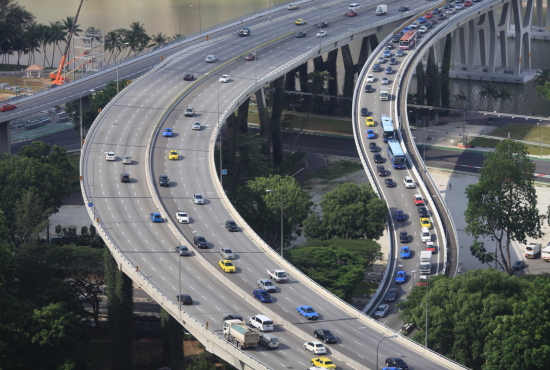
Dealing With Complex Intersections: Roundabouts and Multi-Lane Crossings
Complex intersections, such as roundabouts and multi-lane crossings, require extra caution and awareness during your road test. Here’s how to navigate them effectively:
✔ Approaching Roundabouts:
✔ Slow Down and Yield: As you approach a roundabout, reduce your speed and be prepared to yield to traffic already circulating inside. Look to your left to spot oncoming vehicles.
✔ Choose the Correct Lane: Ensure you are in the correct lane for your intended exit. Typically, the left lane is for turning left or continuing straight, while the right lane is for turning right or continuing straight.
✔ Signal Your Exit: When you’re about to exit the roundabout, use your turn signal to indicate your movement, helping other drivers understand your intentions.
✔ Navigating Multi-Lane Intersections:
✔ Understand the Lane Layout: In multi-lane crossings, lanes are often designated for specific turns or directions. Pay attention to signs and road markings to ensure you’re in the proper lane for your desired direction.
✔ Yielding and Right of Way: If you’re crossing multiple lanes of traffic or merging, be aware of vehicles coming from different directions. Yield to oncoming traffic when required and avoid sudden lane changes.
✔ Handling Heavy Traffic: In busy intersections, be patient and maintain a safe following distance. Avoid aggressive driving and wait for a clear opportunity before proceeding.
Navigating Intersections During Road Test
Navigating Intersections During Road Test
By approaching these complex intersections with focus and care, you’ll demonstrate your ability to manage more challenging road situations during your road test.
Read More: How to Ace Your Motorcycle Road Exam With Practice Tests
Common Mistakes to Avoid When Navigating Intersections
Navigating intersections can be challenging, and it’s easy to make mistakes under pressure. Here are some common errors to avoid during your road test:
✔ Rolling Stops: One of the most frequent mistakes is not coming to a complete stop at stop signs or red lights. A “rolling stop” occurs when you slow down but don’t stop fully. Always ensure your vehicle is stationary for at least a few seconds before proceeding.
✔ Late Signaling: Signaling too late or not at all can confuse other drivers and lead to dangerous situations. Make sure to signal well in advance, at least 100 feet before reaching the intersection, to indicate your intentions clearly.
✔ Failing to Check Blind Spots: It’s critical to check your blind spots, especially when making turns or changing lanes at intersections. Forgetting to do so can result in missing vehicles, bicycles, or pedestrians that may be in your path.
✔ Improper Lane Use: Another common mistake is not staying in the correct lane when making turns or entering intersections. Always remain in your designated lane and avoid cutting corners or drifting into another lane during a turn.
✔ Ignoring Pedestrian Crosswalks: Failing to yield to pedestrians at crosswalks is a serious violation. Always check for pedestrians, especially at busy intersections, and allow them to cross before you proceed.
✔ Misjudging the Right of Way: Many drivers struggle with knowing when to yield at intersections. Always follow the traffic rules for yielding to oncoming traffic, and be cautious about entering an intersection when it’s not your turn.
By being mindful of these common mistakes, you’ll increase your chances of passing the road test and ensure safer driving habits in real-world conditions.
Tips for Staying Calm and Focused at Intersections During Your Test
Navigating intersections during your road test can be nerve-wracking, but staying calm and focused is key to success. Here are some strategies to help manage anxiety and maintain concentration:
✔ Take Deep Breaths: If you feel nervous approaching an intersection, take a deep breath to calm your nerves. Controlled breathing helps clear your mind and keeps you focused on the task at hand.
✔ Stay in the Moment: Avoid thinking too far ahead or worrying about past mistakes. Focus on each step of the intersection navigation process, from checking signals to making safe turns.
✔ Maintain a Steady Pace: Rushing through intersections increases the likelihood of making mistakes. Keep a steady, controlled speed, and allow yourself time to observe traffic and signals before making any moves.
✔ Focus on Your Surroundings: Keep your attention on pedestrians, cyclists, and other vehicles around you. Being aware of your environment helps you make safer decisions at intersections.
✔ Follow Your Routine: Stick to the driving habits you’ve practiced. Consistency can bring a sense of familiarity and reduce stress during the test.
✔ Visualize Success: Before approaching an intersection, imagine yourself confidently navigating it. Positive visualization can boost your confidence and keep you calm.
By practicing these techniques, you’ll be better prepared to handle intersections smoothly, stay composed, and increase your chances of passing the road test.
Navigating Intersections During Road Test

Navigating Intersections During Road Test
Frequently Askes Questions – FAQs
Common questions about handling intersections, such as how to yield or when to proceed in challenging situations:
✔ How do I know when to yield at an intersection?
Yield when other vehicles or pedestrians have the right-of-way. At uncontrolled intersections, yield to vehicles already in the intersection or approaching from your right.
✔ What should I do if I arrive at a four-way stop at the same time as another driver?
The general rule is that the driver to your right has the right-of-way. If you both arrive at the exact same time, yield to the right.
✔ How should I approach a roundabout during my road test?
Slow down as you approach, yield to traffic already in the roundabout, and signal your exit. Stay in the correct lane based on your intended direction.
✔ What happens if I miss a traffic signal or stop sign during my road test?
Missing a signal or stop sign is a serious error that could result in failure. Always be alert and look ahead for road signs and signals as you approach intersections.
✔ When should I signal when approaching an intersection?
Signal at least 100 feet before you reach the intersection to give other drivers and pedestrians ample warning.
✔ What if a pedestrian is crossing the street when the light turns green?
You must yield to pedestrians in the crosswalk, even if you have the green light. Wait until they have completely crossed before proceeding.
✔ How do I handle a yellow light at an intersection?
If it’s safe to stop, do so. If you’re too close to the intersection to stop safely, proceed through with caution, but never speed up to beat the light.
✔ What’s the best way to handle a blind spot check at an intersection?
Always check your blind spots when preparing to turn or change lanes. Use your mirrors and quickly glance over your shoulder to ensure the path is clear.
✔ Can I fail the road test if I don’t stop properly at a stop sign?
Yes. Failing to make a complete stop at a stop sign or rolling through can lead to automatic failure, as it’s a critical safety rule.
✔ What if I’m unsure about when to proceed at an uncontrolled intersection?
When in doubt, slow down and proceed cautiously. Yield to vehicles already in the intersection or those coming from your right. If there’s confusion, better to wait a moment longer than rush through.
Call to Action
Encouraging readers to practice intersection navigation regularly and refine their skills before the road test. “Don’t wait until test day—start practicing your intersection navigation now to build confidence and improve your chances of success.”
Schedule Your Road Test Today: Book Now
Schedule Your Road Test Today: Book Now
Conclusion: Master Intersection Navigation for Road Test Success
Successfully navigating intersections is a crucial part of passing your road test and becoming a responsible driver. Mastering these skills will not only help you during the test but will also keep you safe on the road in everyday driving situations. Keep practicing, stay confident, and you’ll ace the test!