
Mock Road Test Scenarios
Introduction: Why Practicing Mock Road Test Scenarios Is Essential
Practicing mock road test scenarios is one of the most effective ways to prepare for your driving test. These simulations help replicate real driving conditions, allowing you to experience and respond to different situations you may face during the actual test. By practicing various scenarios, from navigating intersections to parallel parking, you build confidence, sharpen your skills, and reduce test-day anxiety. Mock road tests also give you a chance to identify areas for improvement, ensuring that you’re fully prepared to handle every aspect of the driving exam with ease.
Key Takeaways
✔ Focus on realistic driving scenarios, including intersections, parallel parking, and emergency stops.
✔ Practice consistently in different locations to cover a wide range of road conditions and challenges.
✔ Get feedback from a licensed driver to identify areas for improvement and boost your confidence.
Scenario 1: Navigating a Busy Intersection
Navigating a busy intersection is one of the most critical skills you’ll need to master before your road test. Intersections are often the site of complex traffic patterns, requiring drivers to remain vigilant, make quick decisions, and adhere to a variety of traffic rules. This mock scenario will guide you through the steps of safely approaching and crossing a busy intersection while following all necessary procedures.
Mock Road Test Scenarios

Mock Road Test Scenarios
✔ Step 1: Preparing to Approach the Intersection
As you approach the intersection, begin by scanning your environment. Look ahead to identify any upcoming traffic signals, stop signs, or other road markings. Pay attention to pedestrians, bicyclists, and vehicles that may be preparing to cross or merge into your lane. It’s essential to be aware of your surroundings and not rely solely on the vehicle in front of you. Many mistakes during road tests occur because drivers fail to properly assess the situation before they reach the intersection.
Begin slowing down as you approach. Gradually reduce your speed so that you’re ready to stop if necessary, especially if the traffic light is yellow or there are vehicles in front of you. Abrupt stops or sudden braking can lead to unsafe situations, as well as points deducted from your road test score. Smooth, controlled deceleration is key.
✔ Step 2: Checking Traffic Signals
Once you’re close to the intersection, check the traffic lights. If the light is green, ensure it’s safe to proceed by confirming there are no pedestrians or vehicles running red lights in cross-traffic lanes. If the light turns yellow while you’re still some distance away, reduce your speed and prepare to stop. Never try to rush through a yellow light, as this can result in dangerous situations and may cause you to fail the test.
In addition to the main traffic signals, pay attention to any directional arrows. These can indicate if you’re required to make a turn or if certain lanes are restricted to specific maneuvers. If you’re in a turning lane, wait for the green arrow to proceed. If there are no arrows, follow the rules of right-of-way.
✔ Step 3: Observing Pedestrians and Other Road Users
Intersections often involve pedestrian crossings, so it’s vital to be aware of foot traffic. Even if you have a green light, always yield to pedestrians who are crossing the street. Failing to yield to pedestrians is a major infraction that could result in an automatic failure on your road test.
Watch for cyclists as well, especially if you’re in an area with dedicated bike lanes. Cyclists may approach from behind or from the opposite direction, so check your mirrors and blind spots carefully. Many drivers make the mistake of only checking their surroundings when they reach the intersection, but this should be done well in advance.
✔ Step 4: Executing the Maneuver
Once you’ve assessed the situation and ensured the path is clear, proceed through the intersection. If you’re going straight, maintain a steady speed and ensure you’re in the correct lane. Keep an eye on the vehicles around you and be prepared to stop if necessary.
If you’re turning, signal well in advance and begin positioning your vehicle for the turn. If you’re turning left, yield to oncoming traffic unless you have a green arrow. For right turns, come to a full stop at red lights, then proceed when the road is clear. Make sure to use your mirrors and check your blind spots before executing the turn.
✔ Step 5: Maintaining Safe Distances
As you cross the intersection, maintain a safe distance between your vehicle and the one in front of you. Rear-end collisions are common at intersections, especially when drivers don’t leave enough space to react to sudden stops. A general rule of thumb is to keep at least three seconds of distance between you and the car ahead, and increase this distance in bad weather or heavy traffic conditions.
When turning, avoid cutting into the adjacent lanes or swinging too wide. Stay within your lane markings, as drifting into other lanes can be dangerous and is likely to result in points deducted during your road test. Smooth, controlled steering is essential to avoid overcorrecting and losing control of the vehicle.
✔ Step 6: Exiting the Intersection
Once you’ve passed through the intersection, continue monitoring your surroundings. Check your mirrors for approaching vehicles and ensure you maintain your lane position. Don’t accelerate too quickly after crossing, as abrupt speed changes can be unsafe and are often penalized during road tests. Gradually increase your speed, matching the flow of traffic and adhering to posted speed limits.
✔ Common Mistakes to Avoid
✔ Failing to Observe Traffic Signals: Running red lights or failing to stop at yellow lights can lead to automatic failure. Always ensure the intersection is clear and follow the signals.
✔ Incomplete Stops at Stop Signs: Make a full stop at all stop signs, even if there appears to be no traffic. Rolling stops are a common reason for points being deducted.
✔ Not Yielding to Pedestrians: Always give pedestrians the right-of-way. Failing to do so is not only dangerous but also results in penalties during the test.
✔ Late or Incorrect Turn Signaling: Always signal well before you reach the intersection. Late signaling or failing to signal entirely is a significant mistake.
✔ How This Scenario Prepares You for the Test
Practicing this busy intersection scenario will give you the confidence to handle similar situations during your road test. You’ll become more comfortable with managing multiple tasks at once, such as observing traffic signals, yielding to pedestrians, and maintaining safe distances—all while following the rules of the road. This scenario is also designed to mimic the types of real-world driving situations you’ll face after passing your test, so mastering it now will prepare you for both the road test and everyday driving.
Incorporating this scenario into your road test preparations will help you become familiar with common driving challenges, allowing you to build the skills and confidence necessary for success.
Mock Road Test Scenarios
Mock Road Test Scenarios
Scenario 2: Performing a Three-Point Turn
The three-point turn, also known as a Y-turn or K-turn, is one of the most fundamental maneuvers you’ll need to master for your road test. It is used when you need to turn your vehicle around in a confined space without the convenience of a roundabout or wide street. Road test examiners often include this maneuver to assess your control, precision, and ability to make quick, safe decisions. This scenario will provide step-by-step instructions for successfully completing a three-point turn under test conditions.
✔ Step 1: Preparing for the Three-Point Turn
Before starting the three-point turn, ensure the road is clear of other vehicles, pedestrians, or obstacles. You’ll want to choose a location that is wide enough to safely perform the maneuver but not so wide that it resembles a regular U-turn.
✔ Check your surroundings: Before executing the turn, look in all mirrors and over your shoulder to ensure the area is clear. Don’t rush—being thorough in your checks is key to safety and will show the examiner that you’re cautious and responsible.
✔ Step 2: Signaling Your Intentions
Once you’ve verified that the road is clear, signal your intention to turn left. Signaling is important to let other drivers or pedestrians know what you’re planning to do. This also gives the examiner confidence that you’re following the correct procedure.
Keep in mind that failing to signal or signaling too late can result in points being deducted during your road test.
✔ Step 3: The First Point – Moving Forward
Start by steering your vehicle to the left toward the curb. Move slowly but confidently, ensuring you stay in control of the car at all times. The goal is to bring your vehicle as close to the curb or edge of the road as possible without hitting it. Aim to stop when the front of your car is perpendicular to the curb.
While moving forward, make sure to continuously check your surroundings. You need to remain aware of any traffic, pedestrians, or unexpected obstacles. It’s easy to get tunnel vision during a three-point turn, so staying alert is crucial.
✔ Step 4: The Second Point – Reversing
Now that you’ve positioned your vehicle perpendicular to the curb, it’s time to reverse. Shift into reverse and begin steering the wheel sharply to the right. Your goal during this step is to back your car into the opposite side of the road, angling it toward the curb.
Make sure to move slowly and check over your shoulder while reversing. This is a critical part of the maneuver where mistakes often occur, such as hitting the curb or failing to check blind spots. Use your mirrors to ensure you’re aware of your surroundings, but also physically turn to look behind you, which is a practice examiners often require.
✔ Step 5: The Third Point – Moving Forward to Complete the Turn
Once you’ve angled the vehicle back enough, shift into drive again. Turn the steering wheel to the left, and begin moving forward slowly. At this point, you should be facing the opposite direction from where you started.
As you complete the turn, ensure your vehicle is properly aligned in the lane and that you’re following the correct road markings. Accelerate gradually once you’re back in the flow of traffic, ensuring you’re in full control of the vehicle.
✔ Step 6: Final Checks After the Turn
After completing the three-point turn, make sure to re-check for traffic in both directions and adjust your speed according to the road conditions. Be cautious of other vehicles that may have approached while you were executing the maneuver.
This final check not only demonstrates safety but shows that you’re always aware of your surroundings—a vital habit for safe driving and a key component of passing your road test.
✔ Common Mistakes to Avoid During a Three-Point Turn
✔ Failing to Signal: Not using your turn signal at each step can lead to deductions during the road test. Always signal before turning.
✔ Inadequate Observations: Failing to properly check mirrors, blind spots, and surroundings can lead to an unsafe situation and points being deducted.
✔ Rushing the Maneuver: Taking the three-point turn too quickly can result in hitting the curb, losing control of the vehicle, or creating a hazardous situation. Always perform the maneuver at a slow, controlled speed.
✔ Hitting the Curb: Accidentally hitting the curb can lead to a significant loss of points or even failure. Keep a safe distance between your vehicle and the curb, especially during the reverse section of the maneuver.
✔ Misjudging the Turn Radius: Incorrectly judging how much space you need to complete the turn can lead to overshooting the road or needing to make extra adjustments, which could cost points.
✔ How This Scenario Prepares You for the Road Test
Mastering the three-point turn in practice will ensure that you are well-prepared to handle the maneuver during your road test. Examiners are looking for precision, control, and safety, so performing this scenario will give you the confidence to complete the task successfully.
Executing a proper three-point turn also demonstrates your ability to handle tight spaces and make quick adjustments, which are crucial skills for everyday driving. By practicing this scenario multiple times before your test, you’ll develop muscle memory and the ability to stay calm under pressure, leading to better performance on test day.
Mock Road Test Scenarios

Mock Road Test Scenarios
Scenario 3: Executing a Safe Parallel Park
Parallel parking is one of the most challenging tasks for many drivers during their road test. It requires precision, spatial awareness, and control, as well as the ability to remain calm under pressure. This scenario simulates the parallel parking task, providing a step-by-step guide to ensure smooth and accurate parking during your test.
✔ Step 1: Preparing to Parallel Park
Before you start the parallel parking maneuver, it’s essential to find a suitable parking space. During the road test, your examiner will guide you to a designated area to perform this task, but in real life, you’ll need to judge the size of available spaces yourself.
✔ Check the space size: Ensure the parking spot is large enough to fit your vehicle comfortably. A good rule of thumb is that the space should be about one and a half times the length of your car.
Once you’ve found a suitable spot, signal to the right to indicate that you intend to park, and pull up alongside the car in front of the space. Your car should be parallel and about two to three feet away from the vehicle beside you.
✔ Step 2: Aligning Your Vehicle
When you’re ready to begin, align your vehicle so that your rear bumper is approximately in line with the rear bumper of the car beside the parking space. This alignment is crucial for ensuring that your vehicle will slide smoothly into the spot.
✔ Check your surroundings: Before starting the maneuver, take a moment to check for pedestrians, cyclists, or other vehicles that may be approaching. Use your mirrors and turn your head to look around for any potential hazards.
✔ Step 3: Reversing Into the Space
Once you’re confident the area is clear, shift into reverse and begin backing up slowly while turning the steering wheel to the right. As the rear of your vehicle enters the parking space, continue turning the wheel until you’ve reached a 45-degree angle with the curb.
This step requires careful control over your steering and speed. Move slowly to avoid misjudging the angle or hitting the curb. Throughout the reverse, continue checking your mirrors and surroundings to ensure you’re staying safe and aligned.
✔ Step 4: Straightening the Vehicle
When your car has backed into the parking space at a 45-degree angle, straighten your steering wheel while continuing to reverse slowly. The goal here is to center your vehicle in the parking spot. Be sure to leave enough room between the cars in front and behind you.
✔ Pro Tip: Use your mirrors and the distance from the curb as a guide to help you know when to straighten out. Ideally, your vehicle should be about 6–12 inches away from the curb when fully parked.
✔ Step 5: Adjusting and Completing the Park
If necessary, you can make small adjustments to perfect your parking position. This may involve pulling forward slightly or reversing again to ensure your vehicle is parallel with the curb and properly aligned within the space.
Be mindful of how many adjustments you make, as excessive adjustments may result in points being deducted during your road test. However, it’s better to take a moment to correct your position than to leave the vehicle parked incorrectly.
✔ Step 6: Parking the Vehicle and Exiting
Once you’ve safely positioned your vehicle, put the car in park and engage the parking brake. Check your surroundings one final time to ensure it’s safe before exiting the vehicle or proceeding to your next maneuver.
Examiners will typically assess how well you aligned your vehicle, how close you parked to the curb, and whether you left sufficient space between your car and the surrounding vehicles. Exiting the space correctly is also part of the test, so practice this step thoroughly.
✔ Common Mistakes to Avoid When Parallel Parking
✔ Failing to Check Surroundings: Not looking around before or during the maneuver can lead to safety issues and result in points being deducted.
✔ Hitting the Curb: Gently tapping the curb may not result in a failure, but if you hit it too hard or fail to recover from the impact, it could cost you.
✔ Parking Too Far from the Curb: Ensure that your car is positioned within 6–12 inches of the curb, as being too far can be penalized.
✔ Too Many Adjustments: While it’s okay to make minor adjustments, excessive corrections may be seen as a lack of control or confidence in your parking skills.
✔ Failure to Signal: Not signaling when pulling into or out of a parking space is a common mistake and can lead to points being deducted during the test.
✔ How This Scenario Prepares You for the Road Test
Parallel parking is a task that many learners find daunting. By practicing this mock scenario multiple times, you’ll build up the confidence and muscle memory needed to perform the maneuver with ease during the actual road test.
Being able to park smoothly and accurately demonstrates your vehicle control and spatial awareness—both essential for passing the test. The examiner will be looking at how well you manage your space, check for hazards, and execute the parking without hitting other vehicles or the curb.
✔ Tips for Success
✔ Practice Regularly: The more you practice parallel parking in different environments, the more comfortable you’ll become with the maneuver.
✔ Use Reference Points: Use landmarks like the rear bumper of the car next to you or road markings to guide your parking.
✔ Stay Calm and Move Slowly: Rushing the maneuver often leads to mistakes. Take your time and remain calm to avoid unnecessary errors.
By mastering this scenario, you’ll greatly increase your chances of acing the parallel parking portion of your road test and ensuring overall success.
Mock Road Test Scenarios

Mock Road Test Scenarios
Scenario 4: Handling an Emergency Stop
Emergency stops are an essential aspect of driving, and during your road test, examiners may simulate an emergency situation to test your reaction time and control of the vehicle. This scenario will help you practice how to safely bring your vehicle to a sudden stop in the event of an emergency while maintaining full control. Handling this maneuver effectively demonstrates your readiness for real-life driving and your ability to act quickly and safely in unexpected situations.
✔ Step 1: Understanding When an Emergency Stop is Necessary
An emergency stop is required when a sudden and unexpected hazard appears on the road, such as a pedestrian stepping out, an animal running across, or another vehicle making an abrupt stop. The purpose of the emergency stop is to quickly halt the vehicle to avoid a collision while maintaining control.
During your road test, the examiner may prompt you to perform this maneuver by asking you to stop the vehicle as if an emergency situation has occurred. It’s important to be ready and alert for this instruction.
✔ Step 2: Applying the Brakes
When you’re instructed to make an emergency stop, the first thing you must do is apply the brakes as quickly as possible. You need to press down firmly on the brake pedal but avoid slamming it abruptly, as this could cause the vehicle to skid or lose control.
✔ How to brake safely:
✔ Firm but steady pressure: Apply firm pressure on the brake pedal while avoiding a jerky motion. Modern vehicles are equipped with anti-lock braking systems (ABS) that prevent the wheels from locking, which allows you to maintain steering control while stopping.
✔ Check your rearview mirror: If you have time, quickly glance at your rearview mirror to ensure there are no vehicles tailgating or following too closely. However, the priority is stopping safely, so do not hesitate if you don’t have time for this check.
✔ Step 3: Clutch Control (For Manual Transmission)
If you’re driving a manual transmission vehicle, you will need to press the clutch pedal as you apply the brakes. Failing to do so could cause the engine to stall, which may affect the car’s ability to come to a smooth stop.
✔ Press the clutch pedal down fully as you brake to prevent the engine from stalling.
Maintain control of the vehicle, and ensure your foot remains on the clutch until you’ve come to a complete stop.
✔ Step 4: Bringing the Vehicle to a Complete Stop
Your goal is to bring the vehicle to a complete stop without losing control. As the vehicle slows down, maintain your grip on the steering wheel to ensure that the vehicle remains in its lane or on the road.
✔ Keep both hands on the wheel: Holding the steering wheel firmly with both hands will help keep the car straight during the sudden stop.
✔ Keep your foot on the brake pedal until the vehicle has come to a full stop.
✔ Step 5: Securing the Vehicle
Once the vehicle has stopped, engage the parking brake if necessary. Wait for the examiner’s instructions before proceeding or continuing with the test.
During an emergency stop, your ability to stay calm and react swiftly is key. If the situation was real, you’d need to ensure the area is safe before moving again.
✔ Step 6: Resuming the Test
Once the emergency stop is complete, and the examiner is satisfied with your response, they will likely instruct you to resume driving. Before moving forward:
Check your mirrors to ensure it’s safe to proceed.
Signal if necessary and slowly move back into traffic.
✔ Common Mistakes to Avoid During an Emergency Stop
Over-braking or slamming the brakes: While it’s important to stop quickly, slamming the brakes too hard can cause the vehicle to skid, especially in non-ABS vehicles. Focus on applying firm but controlled pressure on the brake pedal.
Not keeping both hands on the wheel: Many test-takers fail to maintain control of the steering wheel during an emergency stop, which can lead to swerving. Keep your hands on the wheel and steer as needed to stay in your lane.
Failure to check mirrors: Although safety during the stop is the priority, failing to briefly check your mirrors may result in points being deducted. It’s a good habit to quickly assess the situation behind you if possible.
Delayed reaction: A slow response to the examiner’s instruction to stop can indicate a lack of readiness or awareness, which could affect your test score.
✔ How This Scenario Prepares You for the Road Test
Examiners use the emergency stop scenario to evaluate how well you can handle unexpected events on the road. This task demonstrates your ability to react quickly, maintain vehicle control, and stop safely. By practicing this maneuver, you’ll improve your reaction time and boost your confidence in dealing with real-life road hazards.
This scenario also prepares you for handling emergency stops in real-world driving. Knowing how to bring your vehicle to a sudden halt without losing control is a vital skill for any driver and could one day prevent an accident.
✔ Tips for Success
Practice in a safe area: To simulate emergency stops, find a quiet street or parking lot where you can practice stopping quickly without disrupting traffic. This will help you get used to how your vehicle reacts during an emergency stop.
Familiarize yourself with ABS (Anti-lock Braking System): If your vehicle is equipped with ABS, practice stopping firmly and steering while braking to get a feel for how the system works.
Stay calm and react quickly: Focus on your surroundings, and be ready to respond quickly if an emergency stop is required during your test.
By mastering this scenario, you’ll be prepared to handle emergency stops during your road test and in real driving situations.
Mock Road Test Scenarios
Mock Road Test Scenarios
Scenario 6: Driving in a School Zone or Residential Area
Mock scenario for practicing careful driving in low-speed zones with possible pedestrian crossings.
Driving in a school zone or residential area requires extra caution and slower speeds, as pedestrians, children, and other unexpected hazards are more likely to be present. This mock scenario will help you prepare for driving through these zones during your road test, where you’ll need to demonstrate your ability to navigate safely and attentively.
✔ Step 1: Understanding School Zone and Residential Area Rules
School zones typically have reduced speed limits during specific times, often indicated by flashing lights or road signs. In residential areas, speed limits may be lower, and the presence of parked cars, cyclists, and pedestrians is more common. Make sure you are familiar with the specific speed limits and rules for both areas before starting this scenario.
✔ Step 2: Reducing Your Speed
Upon entering a school zone or residential area, reduce your speed accordingly. If you’re in a school zone, check for signs indicating the posted speed limit, which is usually 15–25 mph. If in doubt, slow down to ensure you’re within the safe range.
✔ Step 3: Scanning for Pedestrians and Hazards
Be extra vigilant for pedestrians, especially children, who may appear suddenly from between parked cars or near crosswalks. Make sure to check your mirrors and scan the road continuously for any potential hazards, including cyclists or other drivers pulling out of driveways.
✔ Step 4: Stopping at Crosswalks
If a pedestrian is waiting at a crosswalk, stop your vehicle and allow them to cross. Failing to yield to pedestrians is a common mistake during road tests, so be sure to prioritize their safety. Come to a complete stop and wait for the pedestrian to fully clear the crosswalk before proceeding.
✔ Step 5: Maintaining Control and Awareness
Throughout this scenario, focus on maintaining full control of the vehicle, keeping both hands on the wheel, and avoiding distractions. Anticipate potential obstacles, such as balls or toys rolling into the street, and be prepared to stop at any moment.
✔ Common Mistakes to Avoid:
✔ Failing to reduce speed: Exceeding the speed limit in school zones or residential areas can result in automatic failure during the road test.
✔ Not yielding to pedestrians: Failing to stop for pedestrians at crosswalks is dangerous and will result in points deducted on your test.
✔ Getting distracted: Keep your focus on the road and surroundings, avoiding distractions like adjusting the radio or checking your phone.
By practicing this scenario, you’ll be well-prepared to handle school zones and residential areas safely during your road test, ensuring a smooth experience.
Mock Road Test Scenarios
Mock Road Test Scenarios
Scenario 7: Navigating a Roundabout
Practicing roundabout navigation, including correct entry and exit techniques for the road test.
Roundabouts can be intimidating for new drivers, but mastering this traffic feature is essential for your road test. This scenario will help you practice entering and exiting a roundabout safely, ensuring that you’re ready to navigate them during your test.
✔ Step 1: Understanding Roundabout Rules
Roundabouts are designed to manage traffic flow efficiently. Unlike traditional intersections, vehicles in the roundabout have the right of way. It’s important to know the rules: yield to vehicles already in the roundabout and approach the correct lane for your intended exit.
✔ Step 2: Preparing to Enter the Roundabout
As you approach the roundabout, slow down and look for yield signs. Check for traffic in the roundabout and wait for a safe gap to enter. Always signal if you intend to turn right or exit.
✔ Step 3: Maintaining Your Lane
Once inside the roundabout, stay in your lane and avoid changing lanes. Use your mirrors to monitor the traffic around you and follow the correct path toward your exit.
✔ Step 4: Exiting the Roundabout
When it’s time to exit, signal early to indicate your intent and smoothly exit the roundabout. Make sure you’re in the correct lane to exit; changing lanes at the last minute is dangerous and can result in a test deduction.
✔ Common Mistakes to Avoid:
✔ Not yielding to traffic: Entering the roundabout without yielding to oncoming traffic is a major error.
✔ Improper lane use: Ensure you’re in the right lane based on your exit and avoid lane changes inside the roundabout.
✔ Failing to signal: Always signal when you’re exiting the roundabout to alert other drivers.
By practicing this scenario, you’ll gain confidence in navigating roundabouts, a key skill for your road test and daily driving.
Mock Road Test Scenarios
Mock Road Test Scenarios
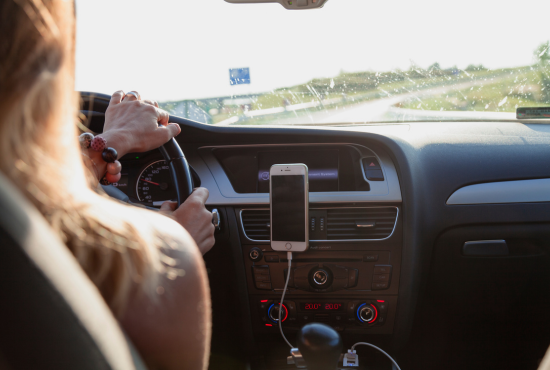
Scenario 8: Merging Onto a Highway
A mock scenario to help you practice safely merging onto highways, ensuring proper speed and signaling.
Merging onto a highway requires careful timing, speed control, and awareness of surrounding vehicles. This scenario will help you practice merging safely, ensuring you’re prepared for this task during your road test.
✔ Step 1: Accelerating to Highway Speed
Before merging, you’ll need to adjust your speed to match the flow of traffic on the highway. Use the acceleration lane to build speed, ensuring that you reach the appropriate speed for merging smoothly.
✔ Step 2: Checking Mirrors and Blind Spots
As you accelerate, check your mirrors and blind spots to assess the positions of nearby vehicles. Merging requires you to be fully aware of your surroundings, so be sure to scan the road carefully.
✔ Step 3: Using Your Turn Signal
Signal your intention to merge early to let other drivers know what you’re planning. This gives them time to adjust their speed or position, allowing you to merge safely.
✔ Step 4: Merging Into Traffic
Once you’ve reached highway speed and confirmed that it’s safe to merge, move smoothly into the lane. Be cautious not to cut off other drivers and always leave a safe following distance between your vehicle and the car in front.
✔ Common Mistakes to Avoid:
✔ Not building enough speed: Merging too slowly can disrupt the flow of traffic and increase the risk of accidents.
✔ Failing to check blind spots: Always check your blind spots before merging to avoid collisions.
✔ Late signaling: Ensure you signal in advance, giving other drivers time to adjust.
This scenario is essential for preparing to merge onto highways safely and confidently, a skill that’s often evaluated during road tests.
FAQs About Mock Road Test Scenarios
Q1: How can I set up a realistic mock road test?
To create a realistic mock road test, drive to locations that feature intersections, roundabouts, and other key elements you’ll encounter during the test. Ask a friend or family member to act as your examiner and provide feedback.
Q2: How often should I practice mock scenarios before my test?
It’s ideal to practice mock scenarios several times a week leading up to your test. Focus on different scenarios each day to cover a range of situations, such as parallel parking, lane changes, and emergency stops.
Q3: Can I practice mock road test scenarios alone?
Yes, but it’s best to have someone else with you, like a licensed driver, to provide feedback and help evaluate your performance. They can also monitor for any mistakes you might not notice yourself.
Q4: What should I do if I make mistakes during my mock test?
If you make a mistake, stop and assess what went wrong. Go over the scenario again to correct the error. Practicing repeatedly will help you refine your technique.
Q5: How can I simulate highway driving for my mock test?
You can practice merging and lane changes on local highways or expressways. Make sure you practice during non-peak hours to reduce traffic stress and ensure a smoother experience.
Q6: What should I focus on during mock tests in school zones or residential areas?
Pay special attention to speed limits, pedestrians, and potential hazards like parked cars. Practice slowing down, scanning for pedestrians, and stopping at crosswalks.
Q7: How do I prepare for parking tasks in my mock road test?
Find a quiet parking lot or street where you can safely practice parallel parking, three-point turns, and other parking scenarios that will be part of your test.
Q8: What should I focus on when practicing intersection navigation?
Concentrate on coming to full stops, yielding to other drivers, and checking for pedestrians or cyclists. Also, make sure to signal properly before making turns.
Q9: How can I practice emergency stops in a mock test?
Find a safe, open area where you can practice stopping quickly and safely. Make sure to avoid sudden stops in traffic-heavy areas, as this can be dangerous.
Q10: Can I simulate weather conditions in my mock road test?
You can’t control the weather, but you can practice driving in different conditions such as rain or wind when the opportunity arises. Focus on slowing down, keeping extra distance between vehicles, and using your windshield wipers effectively.
✔ Call to Action: Start Practicing These Mock Scenarios Today
Now that you’re familiar with the key scenarios for your road test, it’s time to start practicing. Set up mock road tests to build confidence and ensure you’re fully prepared for the big day.
Schedule Your Road Test Today: Book Now
Schedule Your Road Test Today: Book Now
Conclusion
Mastering these mock road test scenarios will help you feel more confident and prepared for your actual driving test. By simulating real-world conditions and addressing common challenges, you’ll develop the skills needed to pass with flying colors and become a safe, responsible driver.