
How to Schedule a Road Test Appointment in New York: Fast, Easy, and Expedited Options
Scheduling an appointment for a road test in New York is the final step for many learners seeking a driver’s license, and understanding the process can cut weeks of waiting and confusion. This guide explains what a New York road test appointment is, why delays happen with conventional DMV booking, and how to navigate eligibility, site selection, costs, preparation, and rescheduling options to get tested promptly. Readers will learn step-by-step booking methods, the differences between regular and expedited appointment options, how to choose the best test site, the documents you must bring (including MV-278 and MV-285 certificates), and practical preparation and scoring tips. The article also compares direct DMV scheduling with paid expedited services to help you weigh time versus cost for rush needs. By the end, you’ll have concrete booking steps, local site-selection criteria, fee clarity, and a plan to arrive prepared on test day.
How Do I Book a NY DMV Road Test Appointment?
A NY DMV road test appointment is scheduled time to take the driving examination required for issuance of a New York driver license, and booking starts after you meet eligibility such as having a valid learner’s permit and completing any required pre-licensing or driver education. The DMV offers an official online scheduling portal and phone options for appointments, though availability varies widely by site and time of year. Understanding the official channels and what information you’ll need reduces errors during booking and lowers the chance of needing to reschedule. Below are the core steps to book an appointment and what to expect once you confirm a slot.
What Are the Steps to Schedule a Road Test in New York?
Scheduling a road test follows a predictable sequence from eligibility verification to confirmation, and following each step carefully reduces booking friction. First, confirm you hold a valid learner’s permit and that any required pre-licensing course (MV-278) or driver education certificate (MV-285) is completed and available. Second, gather your learner’s permit number, personal details, and vehicle information before initiating an online or phone booking to speed the process. Third, select a test site and available date, then review confirmation instructions and save the appointment receipt or confirmation number. Troubleshooting tips include checking for mismatched names or permit numbers and avoiding peak booking hours to reduce time on hold.
Can I Book My NY Driving Test Online or by Phone?
Official booking is typically available through the NY DMV online scheduling system and by specified phone lines, each with distinct advantages and limits based on demand and time of day. The online portal usually provides the broadest set of available dates and allows quick confirmation, whereas phone booking can help with clarifying complex eligibility or site issues but may involve wait times. For applicants facing long waits through official channels, expedited third-party appointment sourcing is an option to find earlier openings, though it is a paid service rather than an official DMV booking channel. Choosing the right channel depends on your urgency and comfort with online self-service versus assisted scheduling.
What Information Do I Need to Provide When Booking?
You must provide a set of identifiers and verification details when booking that the DMV or a scheduling service will use to confirm eligibility and match records for the test appointment. At minimum, have your learner’s permit number, full legal name, date of birth, and contact details ready; if a pre-licensing certificate was issued, note the course name and certificate number. If you will use a personal vehicle for the test, you should also have the vehicle registration and insurance information available for reference during booking or on test day. Preparing these details in advance prevents delays when selecting a site and date, and reduces the chance of needing to rebook because of incomplete information.
What Are the Available Road Test Appointment Options in New York?
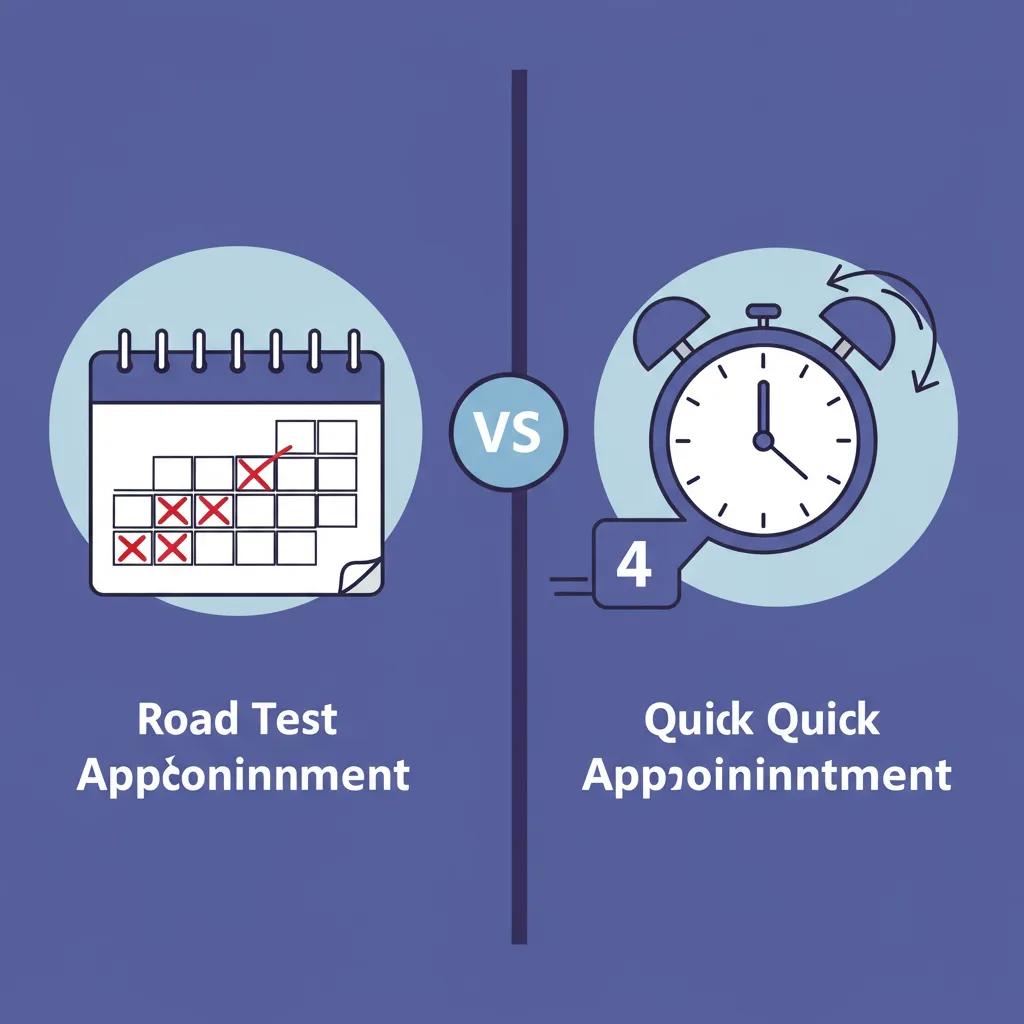
New York applicants can pursue a regular road test appointment through official DMV scheduling or opt for expedited appointment sourcing via third-party services that find earlier openings; each path differs by typical wait time, cost, and use case. Regular appointments reflect standard DMV lead times and are often the lowest-cost route but can involve waiting weeks to months depending on local demand. Expedited options are categorized in tiers that prioritize speed: a basic paid booking, a rush option for shorter lead times, and a super-rush option for the quickest possible appointments. Deciding which option fits you depends on urgency, budget, and willingness to pay for faster sourcing of available slots.
What Is the Difference Between Regular, Rush, and Super Rush Road Test Scheduling?
Regular appointments are sourced directly through the DMV and match standard availability at chosen test sites, offering the lowest out-of-pocket scheduling cost but potentially long wait times. Rush scheduling accelerates the search for openings—often delivering appointments in roughly one to three weeks—by prioritizing monitoring and outreach, while Super Rush targets appointments within about one week when feasible, using intensive searching and rapid booking. Each tier trades off time-to-test against additional cost and operational effort, so applicants with immediate needs often choose higher tiers to reduce scheduling uncertainty.
How Much Does Each Road Test Appointment Option Cost?
Below is a straightforward comparison of typical appointment tiers and example third-party pricing to illustrate the time-versus-cost trade-off for expedited booking services. The table uses example service tiers commonly available through private appointment-sourcing providers and is offered to clarify choices for applicants weighing faster access against additional fees.
This comparison shows how paying more can shorten lead time; applicants should confirm exact timelines and refund/reschedule policies with any provider before purchasing.
How Can Expedited Road Test Appointments Help Me Get Tested Faster?
Expedited appointment services can reduce scheduling time by continuously monitoring multiple test sites and claiming openings as they appear, which is particularly valuable when official DMV slots are fully booked for weeks. Benefits include time savings, less manual monitoring by the applicant, and concierge-style assistance that can search flexible nearby sites on your behalf. It is important to have realistic expectations: these services source appointments but do not change DMV eligibility rules or guarantee test outcomes. If you need a license urgently for work or travel, expedited booking can be cost-effective compared with waiting for standard availability.
Where Are the New York Road Test Locations and How Do I Choose the Best Site?
NY road test locations are distributed across counties and boroughs, and choosing the right site affects both your chance of finding an earlier appointment and the test-day driving conditions you’ll encounter. To locate nearby sites, use ZIP-based or county lookups offered by the DMV and create a shortlist of several sites to monitor for openings. Key selection criteria include typical traffic patterns near the site, examiner practices, ease of parking and check-in, and site layout (turn lanes, parking lot maneuvers). Knowing how sites differ helps you select locations that balance scheduling flexibility and a favorable testing environment.
Which NY Road Test Sites Are Available Near Me?
Finding nearby sites begins with a ZIP code or county search that lists official DMV test locations and their typical service scope, and expanding your search radius can reveal out-of-area sites with earlier availability. In practice, monitor multiple sites within commuting distance because lower-demand or suburban sites sometimes open appointments sooner than high-volume urban centers. When listing candidate sites, note commute time and whether local traffic patterns or intersection complexities could make the test more challenging; prioritize sites where you can practice the specific maneuvers beforehand.
What Are the Easiest Road Test Locations in New York for Quick Scheduling?
“Easier” sites for scheduling and passing often share characteristics: lower local demand, multiple testing lanes, and simpler approach roads with fewer busy intersections, which can make both booking and on-test driving less stressful. Identifying these sites involves checking historical availability patterns, local population density, and anecdotal examiner tendencies—factors that change seasonally and by time of day. A practical approach is to maintain a rotating shortlist of two to three candidate sites and monitor them for openings rather than fixating on a single high-demand location.
How Do I Get Directions and Local Tips for Specific Road Test Sites?
Before your test, compile directions, arrival instructions, and local practice areas to reduce last-minute stress and avoid avoidable mistakes on test day. Recommended steps include planning to arrive early, locating official check-in points and safe parking nearby, and identifying quiet nearby streets or parking lots for a final practice run. Local tips—such as where parallel parking practice is easiest or which intersections have tricky signals—help you focus practice sessions on realistic on-site conditions. If you prefer assistance locating open appointments at multiple nearby sites, third-party appointment-sourcing services can scan across locations on your behalf to surface earlier options.
What Documents and Requirements Are Needed to Book and Take a NY Road Test?
To be eligible for a NY road test appointment you must meet identification, permit, and education prerequisites; missing documentation is a leading cause of test denial on the day of the exam. The primary requirements include a valid learner’s permit, proof of completion of any required pre-licensing or driver education (MV-278 or MV-285 as applicable), and a legally registered and insured vehicle for the test if not using a school vehicle. Confirming these documents ahead of your appointment avoids surprises and ensures the DMV can validate your eligibility at check-in.
What Is a Valid Learner’s Permit and How Do I Obtain It?
A valid learner’s permit is the state-issued authorization that allows you to practice driving under restricted conditions and serves as the key eligibility document for scheduling a road test. Obtaining a learner’s permit requires meeting age and documentation requirements, passing written knowledge tests, and sometimes completing vision screening; the DMV issues the permit and records the permit number you will use during booking. On test day, the permit must be current and unexpired and will be verified by the examiner, so double-check that all personal details match DMV records before booking your appointment.
Why Is the Pre-Licensing Course Certificate Required?
New York requires completion of a pre-licensing course (MV-278) or an approved driver education program (MV-285) in many cases because these certificates demonstrate you received mandated instruction required before taking the road test. The certificate confirms coursework completion and must be presented at check-in; without it, examiners may refuse to administer the test. Obtain and retain an original or acceptable electronic copy of your certificate, ensure the name and permit number are correct, and list the certificate details accurately when booking to avoid administrative issues.
What Other Documents Should I Bring to My Road Test Appointment?
Bring a compact set of verified documents to your appointment so the examiner can complete identity and eligibility checks quickly and you can avoid a wasted trip. Essential items include your valid learner’s permit, pre-licensing or driver education certificate (MV-278 or MV-285), a form of primary ID if required, current vehicle registration, and proof of insurance for the vehicle you will use. Make sure originals are present rather than photocopies unless the DMV has expressly allowed electronic documentation; forgetting any required document typically results in immediate test cancellation and rescheduling.
How Can I Prepare for My New York Road Test Appointment?
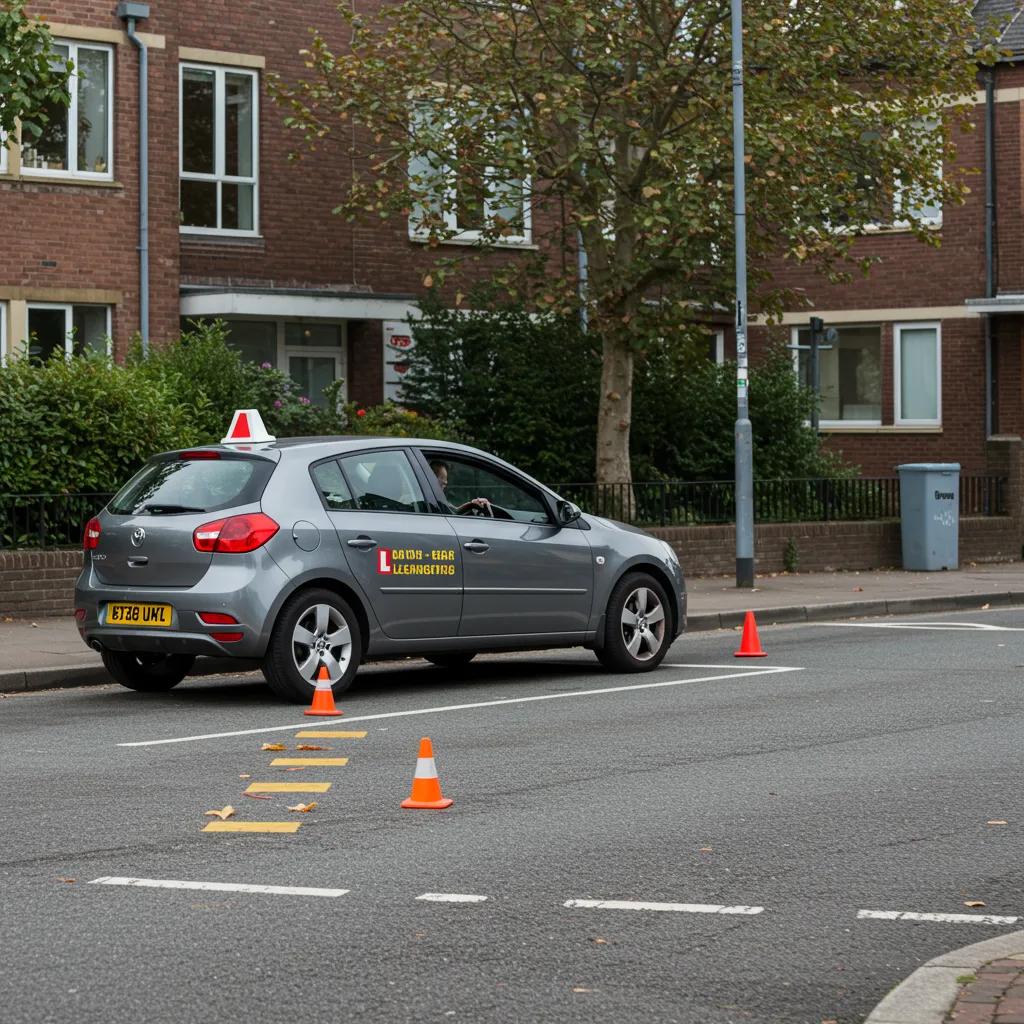
Effective preparation blends targeted practice of required maneuvers, mental readiness, and understanding how the NY road test is scored so you can avoid common fail points. Practice core maneuvers—parallel parking, three-point turns, controlled stops, lane changes, and intersection handling—in settings that mirror the test site when possible, and rehearse pre-test vehicle checks like signal and mirror adjustments. Mental preparation includes pacing, clear communication with the examiner, and following posted speed limits and signage carefully. Knowing what examiners look for reduces critical errors and increases your chance of passing.
What Are the Best Tips to Pass the NY DMV Road Test?
Passing the NY road test hinges on consistent, methodical driving and attention to examiner instructions combined with practiced maneuvers that demonstrate safe vehicle control. Before you start, check the vehicle’s lights, signals, brakes, and mirrors and confirm insurance and registration are in the vehicle; arrive early to calm nerves and review test expectations. During the test, make deliberate mirror and blind-spot checks, signal well in advance, obey posted speeds, and execute maneuvers smoothly—avoid sudden or rushed actions. Small habits like good posture, calm breathing, and asking for clarification if you don’t understand an instruction also contribute to a better impression and performance.
Preparation checklist overview:
- Vehicle readiness: Confirm registration, insurance, lights, and brakes.
- Maneuver drills: Practice parallel parking, three-point turns, and lane changes.
- Observation routines: Mirror and blind-spot checks before every maneuver.
These focused practices build a reliable skill set for test day and reduce the likelihood of critical errors that lead to immediate failure.
How Do I Understand the NY Road Test Scoring System?
NY road test scoring differentiates between critical errors—those that create immediate hazards—and minor mistakes that are noted but not always disqualifying, and understanding this distinction helps prioritize safe behaviors during the exam. Critical errors typically include actions like running a stop sign, causing a collision, or demonstrating dangerous control of the vehicle and usually result in automatic failure. Less severe faults are recorded as demerits and accumulate toward a failing evaluation only if frequent or serious; examiners use a standard checklist to record observations. Knowing these categories helps you emphasize safety-critical behaviors during practice and avoids common causes of failure.
What Common Mistakes Should I Avoid During the Road Test?
Common test-day errors often stem from lapses in observation, signaling, or vehicle positioning rather than raw driving skill, and avoiding them requires disciplined routines you rehearse beforehand. Typical mistakes include failing to check blind spots before lane changes, rolling through stop signs, improper lane changes, inadequate scanning at intersections, and hurried or imprecise parking maneuvers. Each mistake has a simple prevention strategy—consistent mirror/blind-spot checks, full stops at stop signs, signaling early, and slowing to a controlled pace—so build these habits into every practice run to reduce error risk. Practicing with realistic site-specific scenarios further minimizes surprises on the actual test.
How Do I Reschedule or Cancel My NY Road Test Appointment?
Rescheduling and cancellation policies differ between official DMV bookings and third-party expedited services, and understanding both helps you avoid penalties or lost fees. The DMV generally permits rescheduling within certain timeframes subject to availability; last-minute cancellations may force you to restart the booking process. Third-party services offer their own change policies that may include fees or credit rules, so confirm those terms before purchasing expedited assistance. Below are practical steps to reschedule and tips to minimize complications.
What Is the Process to Reschedule a Road Test in New York?
Rescheduling a DMV appointment typically involves returning to the official scheduling portal or contacting the designated phone service and selecting a new date and site based on current availability, providing the same identification details used for the original booking. Start the process early—well before your test date—so you have more site and date options and reduce the chance of long delays. If you used an appointment-sourcing service, contact that provider for assistance locating alternate openings more quickly; concierge services often prioritize rescheduling for customers. Preparing required documentation and keeping confirmation numbers handy speeds the rescheduling flow.
Are There Fees or Restrictions for Changing My Appointment?
Official DMV rescheduling may not always carry a fee, but restrictions such as blackout windows before the scheduled test or limits on rebooking frequency can apply; policies vary with the DMV’s current rules. Third-party expedited services typically charge for their sourcing assistance and have refund or credit policies you should review prior to purchase; some tiers may include partial refunds or rescheduling support while others are non-refundable. To avoid charges, reschedule as early as policies allow and keep documentation of any communications and confirmations; when using a paid service, understand the provider’s refund and reschedule terms before committing.
What Are the Fees and Payment Methods for NY Road Test Appointments?
Understanding the fee structure separates official DMV charges (if applicable) from third-party appointment-sourcing fees and clarifies how payments are accepted and documented. Official DMV fees vary by license class and service; third-party providers charge service fees for expedited appointment sourcing and typically publish tiered pricing to reflect different urgency levels. Clear receipts and transparent policies help applicants reconcile costs, and knowledge of accepted payment methods prevents last-minute payment issues.
Payment guidance summary:
- Use major credit/debit cards for third-party purchases and retain receipts.
- Confirm refund/reschedule terms before paying for expedited services.
- Keep DMV fee receipts separate for license records and potential reimbursements.
This approach ensures transparent accounting of costs and makes resolving any disputes or refunds straightforward.
Frequently Asked Questions
What Should I Do If I Miss My Scheduled Road Test Appointment?
If you miss your scheduled road test appointment, it’s important to act quickly. The New York DMV typically allows you to reschedule your test, but you may need to wait for available slots, which can vary by location. Check the DMV’s official website or contact their customer service for specific instructions on rescheduling. Be aware that some third-party services may have different policies regarding missed appointments, so if you used one, consult them for guidance on your next steps.
Can I Change My Test Site After Booking?
Yes, you can change your test site after booking, but the process may vary depending on whether you booked through the DMV or a third-party service. For DMV bookings, you will need to log into the scheduling portal or call their service line to select a new location. If you used a third-party service, contact them directly for assistance. Keep in mind that changing sites may affect your appointment date and availability, so it’s best to do this as soon as possible.
What Happens If I Fail the Road Test?
If you fail the road test, you will receive feedback from the examiner on the areas that need improvement. You can retake the test, but you must wait a minimum period, typically at least one day, before scheduling a new appointment. It’s advisable to practice the specific skills that led to your failure and consider taking additional driving lessons to boost your confidence and skills before attempting the test again.
Are There Any Age Restrictions for Taking the Road Test?
In New York, you must be at least 16 years old to take the road test. However, if you are under 18, you must have held your learner’s permit for at least six months and completed a pre-licensing course or driver education program. These requirements ensure that younger drivers have adequate practice and knowledge before taking the road test, promoting safer driving habits.
Can I Use a Rental Car for My Road Test?
Yes, you can use a rental car for your road test in New York, provided it meets certain requirements. The vehicle must be legally registered, insured, and in good working condition. Additionally, you must have the rental agreement and proof of insurance available during the test. It’s advisable to check with the rental company to ensure they allow their vehicles to be used for driving tests and to confirm any specific policies they may have.
What Should I Do If I Have Special Needs or Require Accommodations for the Test?
If you have special needs or require accommodations for your road test, it’s essential to inform the DMV when scheduling your appointment. They can provide necessary adjustments, such as additional time or specific vehicle modifications. You may also want to bring a support person who can assist you during the test. Contact the DMV in advance to discuss your needs and ensure a smooth testing experience.
How Can I Check the Status of My Road Test Appointment?
You can check the status of your road test appointment by logging into the New York DMV’s online scheduling portal or by calling their customer service line. Have your confirmation number and personal details ready to facilitate the process. This will allow you to verify your appointment date, time, and location, as well as make any necessary changes if needed.
Conclusion
Successfully scheduling a road test appointment in New York can significantly reduce waiting times and streamline the path to obtaining your driver’s license. By understanding the various booking options, required documents, and preparation strategies, you can enhance your chances of passing the test on your first attempt. Whether you choose the standard DMV route or an expedited service, being well-informed empowers you to make the best decision for your needs. Start your journey towards driving independence by exploring our resources and booking your appointment today.
About the Author: Sarah Chen
Sarah Chen is a seasoned expert in New York State Department of Motor Vehicles (DMV) procedures, with over a decade of experience guiding individuals through the complexities of driver’s license acquisition. Her background includes working with driving schools and consulting on regulatory compliance, giving her an in-depth understanding of road test requirements, scheduling nuances, and common pitfalls. Sarah is dedicated to demystifying the process, providing clear, actionable advice to help new drivers navigate their path to licensure efficiently and confidently.