

Incorrect Speed During Road Test
Introduction
✔ The Importance of Speed Control During the Road Test
Speed control is one of the key factors that examiners focus on during a road test. Maintaining proper speed not only ensures that you are abiding by traffic laws but also demonstrates your ability to handle your vehicle safely. It shows that you are mindful of the surroundingroad conditions and can adapt your driving accordingly.
✔ How Speed Affects Your Road Test Performance
Speeding or driving too slowly can lead to immediate test failure. Examiners observe how well you regulate your speed in different scenarios such as residential zones, highways, and areas with changing speed limits. Proper speed management indicates your overall driving competence, ensuring both your safety and the safety of others on the road.
Key Takeaways
✔ Speed control is vital for road test success and safety.
✔ Always adhere to speed limits and adjust for road conditions and environments.
✔ Practice in a variety of driving scenarios to develop consistent speed management skills.
✔ Stay calm, focused, and confident on test day.
Understanding Speed Limits and Their Role in the Test
✔ Adhering to Posted Speed Limits
Following posted speed limits is crucial during the road test. Speed limits are designed to ensure safety in various driving environments, and during your test, examiners will closely observe your ability to follow these rules.
✔ Adjusting Speed Based on Road Conditions
In addition to posted speed limits, you must be able to adjust your speed appropriately based on factors like weather, traffic, and road conditions. Proper speed adjustment shows your awareness of the surroundings and your ability to drive defensively.
✔ School Zones, Residential Areas, and Construction Zones
These areas often have reduced speed limits and require extra caution. Paying close attention to these zones during the test is critical, as examiners look for compliance and your ability to prioritize safety in areas with increased risk.
Incorrect Speed During Road Test

Incorrect Speed During Road Test
Common Mistakes Drivers Make with Speed During Road Tests
✔ Driving Too Fast for Conditions
One of the most common errors during road tests is failing to adjust speed according to the current driving conditions. Whether it’s inclement weather, heavy traffic, or poor road surfaces, driving too fast can lead to immediate test failure.
✔ Failing to Adjust Speed in Response to Traffic
Another frequent mistake is not adapting speed to the flow of traffic. Examiners expect you to maintain a safe distance from other vehicles and adjust your speed appropriately to avoid potential hazards caused by traffic congestion.
✔ Speeding in Areas with Changing Limits
Drivers often overlook speed limit changes in areas like construction zones, school zones, or residential areas. Missing these changes can result in excessive speeding, which is a critical error during the road test.
How Examiners Evaluate Your Speed Control
✔ What Road Test Examiners Look for in Speed Management
Examiners closely monitor your ability to maintain proper speed throughout the test. They assess how well you adhere to posted speed limits, adjust your speed based on road conditions, and respond to varying traffic patterns. Consistent speed management shows your understanding of safe driving principles.
✔ Consequences of Exceeding or Falling Below the Speed Limit
Driving too fast or too slow can both negatively impact your test performance. Exceeding the speed limit can lead to immediate test failure, while driving too slowly may indicate a lack of confidence or awareness, which can also result in a deduction of points or failure.
Incorrect Speed During Road Test
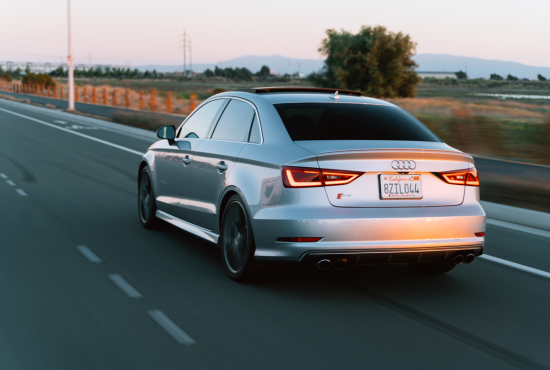
Incorrect Speed During Road Test
Tips for Maintaining the Correct Speed During the Test
✔ How to Stay Within the Speed Limit
Make it a habit to regularly check posted speed limits and adjust accordingly. Always stay alert to changing speed zones and use the traffic around you as a reference. Practice driving within limits during your test preparations to build confidence.
✔ Adjusting Speed for Turns, Hills, and Intersections
Slow down when approaching turns, hills, and intersections to maintain control. Reduce speed slightly before the turn and gradually return to normal speed after completing the maneuver. Uphill or downhill driving requires careful speed management to ensure stability.
✔ Using Your Speedometer as a Guide
Frequently glance at your speedometer during the test to ensure you’re within the limit. This habit helps you maintain proper speed, especially in areas where conditions may tempt you to drive faster or slower than the posted limit.
Recognizing and Responding to Changing Speed Zones
✔ How to Identify and React to Speed Changes
Pay close attention to speed limit signs, especially when entering new areas such as school zones, residential areas, or construction zones. Recognizing these signs early will help you adjust your speed smoothly and stay within legal limits.
✔ Tips for Handling Transitional Speed Limits
When transitioning between speed zones, begin slowing down or speeding up gradually as soon as you notice a change in the posted limit. Avoid abrupt adjustments, as this can make your driving appear erratic to the examiner. Always anticipate speed changes when approaching common transitional areas like school zones or construction sites.
Incorrect Speed During Road Test

Incorrect Speed During Road Test
Legal and Safety Implications of Incorrect Speed
✔ The Legal Consequences of Speeding During Your Road Test
Speeding during your road test can result in an automatic failure, as it indicates a disregard for traffic laws. Additionally, speeding can lead to legal consequences such as fines or points on your driving record, which could affect your ability to retake the test.
✔ Safety Risks Associated with Incorrect Speed
Driving too fast or too slow increases the risk of accidents, as it can prevent you from reacting appropriately to road conditions, pedestrians, or other vehicles. Proper speed management ensures you maintain control over your vehicle, keeping yourself and others on the road safe.
Common Scenarios Where Drivers Fail Due to Incorrect Speed
✔ Speeding in Residential Areas or School Zones
Drivers often overlook the lower speed limits in residential areas or school zones. Failing to adjust your speed in these areas can not only result in test failure but also put pedestrians and children at risk.
✔ Failing to Slow Down at Intersections and Curves
Many drivers neglect to reduce their speed when approaching intersections or navigating curves. This can lead to losing control of the vehicle or failing to react to sudden changes, such as a pedestrian crossing or an oncoming vehicle.
Practicing Speed Control Before Your Road Test
✔ Drills and Exercises to Improve Speed Awareness
Practicing controlled acceleration and deceleration can help you become more aware of your speed. Try driving in different zones with varying speed limits to better gauge how to adjust your speed accordingly. Additionally, practice driving at a constant speed on straight roads and hills to improve your overall speed management.
✔ Incorporating Speed Management into Your Practice Routines
During practice sessions, focus on adhering to speed limits in different environments, such as highways, residential areas, and school zones. Make a conscious effort to check your speedometer regularly and adjust your speed based on traffic conditions, road signs, and curves.
Incorrect Speed During Road Test

Incorrect Speed During Road Test
Preparing for the Road Test with Confidence
✔ Practicing in a Variety of Speed Zones
Familiarize yourself with driving in diverse environments, including highways, residential streets, and areas with fluctuating speed limits. This will help you stay prepared for different speed zones you may encounter during your road test.
✔ Staying Calm and Focused on Test Day
On test day, stay calm by taking deep breaths and focusing on your driving technique. Keep your attention on the road, traffic signs, and your speedometer to ensure you maintain the correct speed throughout the test. Confidence will come from the consistent practice you’ve put in.
Call-to-Action
Ready to ace your road test? Start practicing today by focusing on speed management techniques and proper signaling habits. Visit our blog for more tips on how to pass your road test with flying colors!
Schedule Your Road Test Today: Book Now
Incorrect Speed During Road Test

Incorrect Speed During Road Test
Frequently Asked Questions (FAQs)
Q1: What happens if I drive over the speed limit during the road test?
A: Exceeding the speed limit can result in an automatic fail, as it demonstrates unsafe driving practices.
Q2: How can I maintain the correct speed in unfamiliar areas?
A: Always keep an eye on speed limit signs and adjust your speed accordingly based on road conditions and traffic.
Q3: Do I need to adjust my speed for different weather conditions?
A: Yes, if conditions like rain, fog, or ice affect visibility or traction, reducing your speed is crucial for safety.
Q4: What should I do if I accidentally slow down too much?
A: Gradually accelerate back to the correct speed, being cautious not to overcorrect and exceed the limit.
Q5: Will I fail if I drive too slow during the test?
A: Driving significantly under the speed limit without reason can also lead to a fail as it disrupts traffic flow and can be unsafe.
Q6: How do I handle changing speed zones during the test?
A: Be alert to upcoming speed signs, and make adjustments in a controlled and timely manner.
Q7: Is it okay to use the speedometer frequently during the road test?
A: Yes, glancing at your speedometer regularly helps ensure you’re maintaining the correct speed.
Q8: Can driving too fast in a school zone or residential area result in automatic failure?
A: Yes, speeding in these sensitive areas is considered a serious offense during road tests and can lead to failure.
Q9: How can I stay calm when managing my speed during the test?
A: Practice beforehand and focus on driving consistently, trusting your preparation to guide you through.
Q10: What are the main areas where people fail due to incorrect speed?
A: Common failures occur when drivers don’t adjust speed for changing zones, intersections, or road conditions.
Conclusion
Mastering speed control is one of the most critical aspects of passing your road test. By understanding speed limits, adjusting to road conditions, and practicing regularly, you can ensure your speed management is consistent and safe.