

Documents Needed for Road Test
Introduction
Preparing for your road test in New York State can be an exciting yet nerve-wracking experience. One of the most crucial steps in this process is ensuring you have all the essential documents ready. Without the proper paperwork, you won’t be able to take the test, no matter how prepared you are in terms of driving skills. This comprehensive guide will walk you through all the necessary documents you need, how to gather them, and tips to ensure you have a smooth and successful road test experience.
Why Are Documents Important?
Before diving into the list of required documents, it’s important to understand why these documents are so essential. The New York State Department of Motor Vehicles (DMV) requires specific paperwork to verify your identity, ensure you have completed necessary training, and confirm that you have practiced driving under supervision. Having all the correct documents helps the DMV maintain safety and order during the testing process.
Learner Permit
The first document you need is your learner permit. In New York State, you must be at least 16 years old to apply for a learner permit. This permit allows you to practice driving under the supervision of a licensed adult. Here’s what you need to know about obtaining and using a learner permit:
a) Application Process:
To get a learner permit, you must pass a written test that covers the rules of the road and safe driving practices. You can study for this test using the New York State Driver’s Manual.
b) Required Identification:
When applying for your learner permit, bring proof of identity, such as a birth certificate or passport, and proof of residency, such as a utility bill or bank statement.
c) Validity:
Your learner permit is valid for five years, but you should aim to get your driver’s license as soon as you feel ready and have met all the requirements.
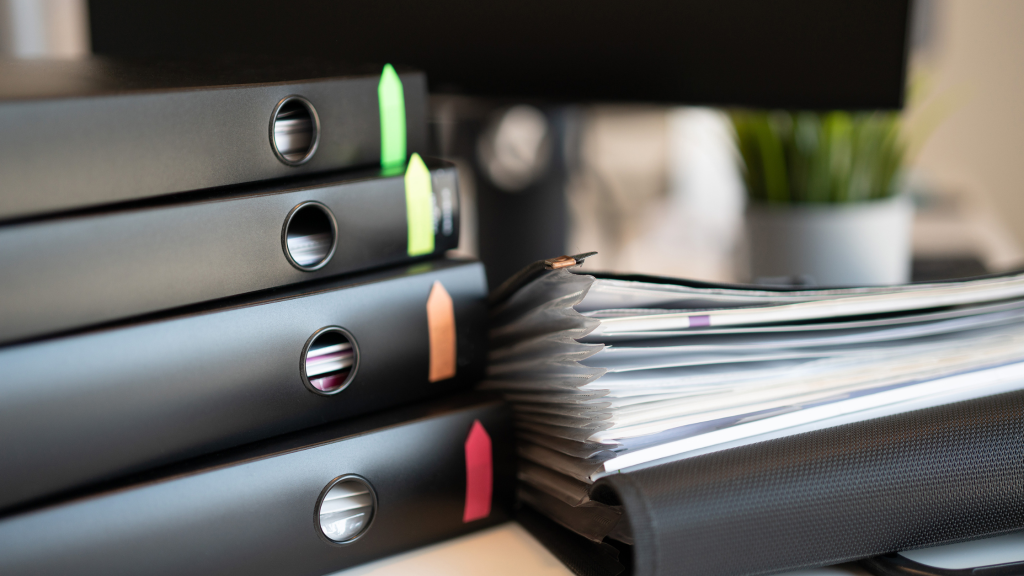
Essential Documents for Your Road Test Success
MV-278 Pre-Licensing Course Certificate
The MV-278 Pre-Licensing Course Certificate proves you have completed the required five-hour pre-licensing course. This course covers essential topics like safe driving practices, the effects of alcohol and drugs on driving, and the responsibilities of drivers. Here’s how to get this certificate:
a) Course Enrollment:
You can take the pre-licensing course at any DMV-approved driving school. The course is usually offered as a single session lasting five hours.
b) Certificate Issuance:
Upon completion of the course, you will receive the MV-278 certificate. Keep this document safe, as you will need it to schedule your road test.
c) Validity:
The MV-278 certificate is valid for one year, so make sure to take your road test within this time frame.
MV-285 Driver Education Certificate
If you have completed a high school or college driver education course, you will receive the MV-285 Driver Education Certificate. This certificate can be used in place of the MV-278 and has additional benefits:
a) Comprehensive Training:
The driver education course is more comprehensive than the pre-licensing course, often including both classroom instruction and behind-the-wheel training.
b) Reduced Wait Time:
With the MV-285 certificate, you can schedule your road test at 17 years old instead of waiting until you are 18.
c) Insurance Benefits:
Completing a driver’s education course may also qualify you for reduced insurance rates. Check with your insurance provider for details.

Essential Documents for Your Road Test Success
Completed Practice Log (MV-262)
For junior learners (those under 18), New York State requires you to complete a 50-hour practice driving log (MV-262). This log must be signed by your supervising driver and is crucial for taking your road test. Here’s what you need to know:
a) Practice Requirements:
The 50 hours of practice must include at least 15 hours of driving after sunset and 10 hours in moderate to heavy traffic.
b) Supervising Driver:
Your supervising driver must be at least 21 years old and hold a valid driver’s license.
c) Log Details:
Record the date, time, and duration of each practice session. Both you and your supervising driver must sign each entry.
Scheduling Your Road Test
Once you have gathered all the necessary documents, you can schedule your road test. Follow these steps to ensure a smooth scheduling process:
a) Online Scheduling:
Visit the New York DMV website to schedule your road test. Be prepared to choose a date, time, and location that works for you. Remember to book early, as spots can fill up quickly.
b) Document Review:
Double-check that you have all required documents, including your learner permit, MV-278 or MV-285 certificate, and completed practice log (MV-262).
c) Confirmation:
After scheduling, you will receive a confirmation email. Keep this email handy, as you may need to refer to it on the day of your test.

Essential Documents for Your Road Test Success
Preparing Your Vehicle
On the day of your road test, the vehicle you use must be in good condition and meet all safety requirements. Here are some tips to ensure your car is ready:
a) Vehicle Inspection:
Make sure your car has a valid registration and inspection. Check that all lights, brakes, and other essential parts are working properly.
b) Cleanliness:
Ensure the interior and exterior of the car are clean. A clutter-free car makes a better impression and ensures there are no distractions.
c) Required Equipment:
Your car must have working seat belts, mirrors, and a horn. Make sure all these features are functional and in good condition.
Tips for a Smooth Road Test Experience
To increase your chances of passing the road test, consider these helpful tips:
1) Practice Regularly: The more you practice, the more confident and prepared you will be.
2) Know the Test Route: Familiarize yourself with the common test routes in your area. This can help reduce anxiety and make you feel more comfortable.
3) Stay Calm: Keep your nerves in check. Remember, the examiner is there to ensure you can drive safely, not to trick you.
4) Follow Instructions Carefully: Listen to the examiner’s instructions and follow them precisely. If you are unsure, ask for clarification.
5) Check Your Mirrors and Blind Spots: Make it a habit to check your mirrors and blind spots regularly. This shows the examiner that you are aware of your surroundings.
Common Mistakes to Avoid
Avoiding common mistakes can make a big difference in your road test outcome. Here are some pitfalls to watch out for:
1) Incomplete Stops: Always come to a complete stop at stop signs and red lights. Rolling stops can lead to automatic failure.
2) Speeding: Stick to the speed limit at all times. Driving too fast or too slow can be dangerous and may cause you to fail the test.
3) Improper Lane Changes: Always signal before changing lanes and check your mirrors and blind spots.
4) Failure to Yield: Yield the right of way when necessary to avoid accidents.
5) Parking Errors: Practice parallel parking and parking on hills to avoid mistakes during the test.
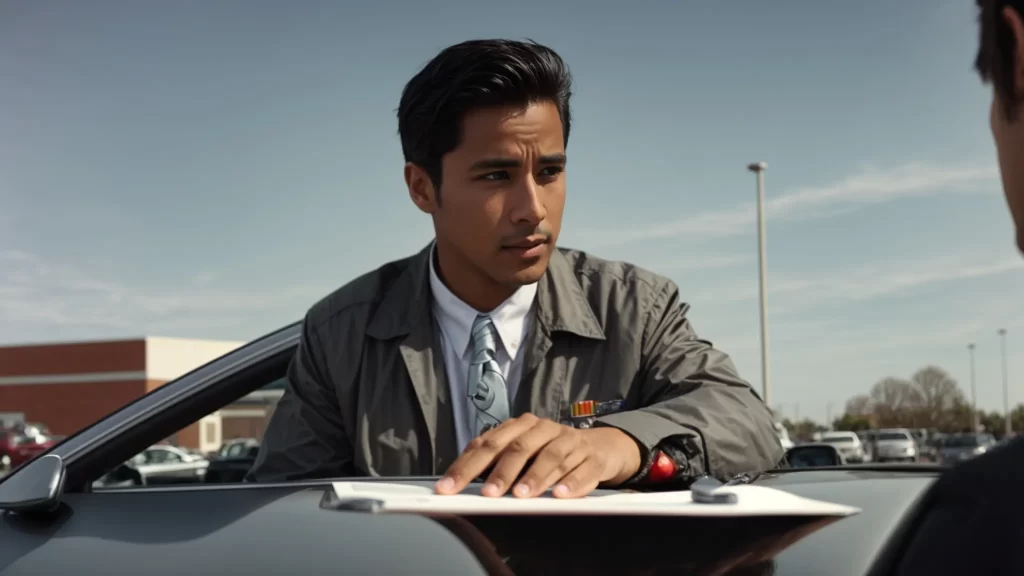
Essential Documents for Your Road Test Success
Call-to-Action
Ready to take your road test? Make sure you have all the required documents and practice a lot. Schedule your road test today on the New York DMV website. Don’t wait – the sooner you schedule, the sooner you can get your driver’s license. Good luck, and drive safely!
Frequently Asked Questions (FAQs)
Q: How long is the road test?
A: The road test usually lasts about 15-20 minutes.
Q: Can I use a rental car for the road test?
A: Yes, you can use a rental car, but make sure it meets all safety requirements and has valid registration and insurance.
Q: What happens if I fail the road test?
A: If you fail, you can retake the test. Check the New York DMV website for specific retake rules and fees.
Q: Do I need to bring a licensed driver to the road test?
A: Yes, you must be accompanied by a licensed driver who is 21 years or older.
Q: Can I take the road test without completing a pre-licensing course?
A: No, completing the pre-licensing course or a driver education course is mandatory.
Q: What should I bring to the road test?
A: Bring your learner permit, pre-licensing course certificate (MV-278) or driver education certificate (MV-285), completed practice log (MV-262), and a vehicle that is in good condition with valid registration and inspection.
Q: How many times can I take the road test?
A: You can take the road test as many times as needed, but there may be a waiting period and a fee for each retake. Check the New York DMV website for details.
Q: What should I do on the day of the road test?
A: Make sure to arrive early, bring all necessary documents, and ensure your car is in good condition. Stay calm and follow the examiner’s instructions.
Q: Is there a fee for the road test?
A: Yes, there is a fee for the road test. Check the New York DMV website for the current fee amount and payment methods.
Conclusion
Successfully passing your road test in New York State is a significant step toward becoming a licensed driver. By understanding and preparing the essential documents, such as your learner permit, MV-278 or MV-285 certificates, and completed practice log (MV-262), you set yourself up for a smoother and more organized testing experience.
Preparation doesn’t stop at gathering paperwork; consistent practice, knowing the test routes, and staying calm during the test is equally important. Remember to check your vehicle’s condition and ensure all necessary documents are with you on the day of the test.
By following these guidelines and avoiding common mistakes, you increase your chances of passing your road test and earning your driver’s license. Good luck on your journey to becoming a licensed driver in New York State. With the right preparation and a confident attitude, you’ll be driving safely and legally in no time.