

Seat Belt and Airbag Functionality Check
Introduction
Ensuring that your vehicle’s safety features, such as seat belts and airbags, are functioning properly is crucial for both your safety and the safety of your passengers. These features are designed to reduce the risk of injury during accidents, and regular checks can help identify potential problems before they become serious. In this blog post, we’ll walk through the importance of seat belt and airbag functionality, how to inspect them, and what to do if issues arise.
Key Takeaways
✔ Regular Inspections: Periodically check your seat belts and airbag systems to ensure they are functioning correctly.
✔ Component Understanding: Familiarize yourself with the components of seat belts and airbag systems to better identify potential issues.
✔ Prompt Repairs: Address any issues with seat belts or airbags promptly to maintain safety and comply with legal requirements.
✔ Professional Assistance: Seek professional help when necessary to handle complex repairs or replacements.
Importance of Seat Belt and Airbag Functionality for Safety
Seat belts and airbags are essential components of a vehicle’s safety system. Seat belts help to keep passengers securely in place during a collision, reducing the risk of injury by preventing excessive movement. Airbags complement seat belts by providing a cushion that absorbs impact, reducing the force felt by passengers. When both systems function properly, they significantly increase the chances of surviving an accident with fewer injuries. Regular checks ensure these lifesaving devices are ready to perform when needed, making them a crucial part of vehicle safety maintenance.
Seat Belt and Airbag Functionality Check

Seat Belt and Airbag Functionality Check
Understanding Seat Belt Components
✔ Seat Belt Webbing and Buckle Integrity
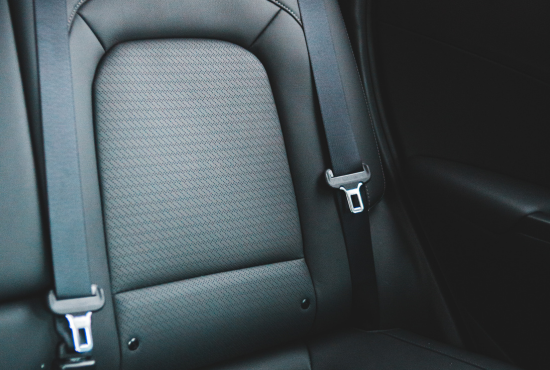
The seat belt webbing must be free from frays, tears, or wear that could compromise its strength. The buckle should securely lock into place with a clear, audible click, and release without issues. Regularly inspecting these components ensures proper functionality during an emergency.
✔ The Role of the Retractor Mechanism
The retractor mechanism controls how the seat belt extends and retracts. It should allow smooth belt movement during normal driving and lock in place during sudden stops or impacts, keeping the passenger securely restrained.
✔ Pre-Tensioners and Load Limiters Explained
Pre-tensioners activate in the event of a crash, tightening the seat belt to remove slack and reduce forward movement. Load limiters then release a small amount of belt webbing to prevent excessive pressure on the chest, helping to minimize injury during severe collisions.
Seat Belt and Airbag Functionality Check
Seat Belt and Airbag Functionality Check
How to Perform a Seat Belt Functionality Check
✔ Inspecting the Condition of the Seat Belt Straps
Examine the seat belt straps for any visible signs of wear, such as fraying, cuts, or tears. Make sure the fabric remains smooth and strong, as damaged straps may not hold up in the event of an accident.
✔ Testing the Buckle for Proper Latching
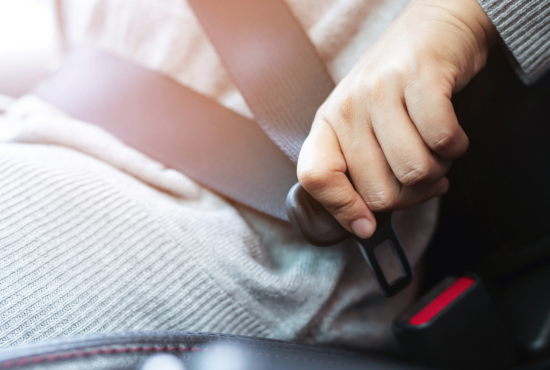
Insert the seat belt into the buckle and listen for a distinct, audible “click” to confirm that it has securely latched. Tug firmly on the belt to ensure it doesn’t release unless the button is pressed. A faulty buckle may not secure passengers effectively.
✔ Ensuring the Retractor is Working Correctly
Extend the seat belt fully to test the retractor’s smoothness, ensuring that the belt retracts automatically when released. Pull the belt sharply to test the locking mechanism, which should engage during sudden movements to prevent forward momentum in case of a collision.
Seat Belt and Airbag Functionality Check
Seat Belt and Airbag Functionality Check
Understanding Airbag Systems
✔ Front Airbags vs. Side and Curtain Airbags
Front airbags are designed to protect the driver and front passenger in head-on collisions, while side and curtain airbags provide protection during side impacts and rollovers. Side airbags shield the torso, and curtain airbags protect the head and neck by deploying from the roof.
✔ How Airbags Deploy in a Crash
Airbags deploy when sensors detect a significant collision force. Upon impact, the airbag inflates within milliseconds to cushion occupants, reducing the likelihood of serious injuries by preventing direct contact with hard surfaces inside the vehicle.
✔ Importance of Sensors and Airbag Control Modules
Airbag deployment relies on precise data from sensors located throughout the vehicle. These sensors detect the severity of a crash and communicate with the airbag control module to determine when to deploy. Proper sensor and module functionality is essential for the timely deployment of airbags during an accident.
How to Perform an Airbag Functionality Check
Seat Belt and Airbag Functionality Check
Seat Belt and Airbag Functionality Check
✔ Inspecting the Airbag Warning Light on the Dashboard
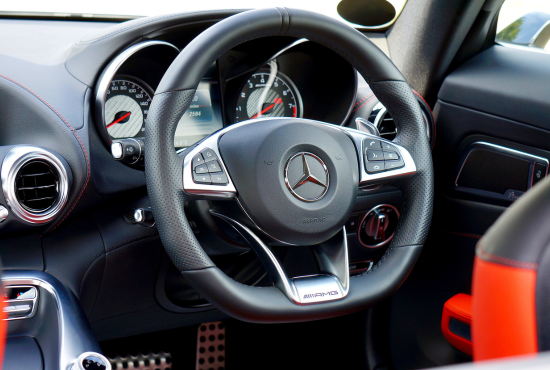
The airbag warning light is a critical indicator of your vehicle’s airbag system health. When you turn on the ignition, the light should illuminate for a few seconds and then turn off. If the light remains on or flashes, it signals a problem with the system that requires immediate attention.
✔ Checking for Signs of Previous Airbag Deployment
Look for signs such as wrinkled dashboard surfaces or steering wheel covers, which may indicate that an airbag has deployed before. This is especially important if you’re buying a used vehicle, as improper repairs could compromise the airbag system’s functionality.
✔ Ensuring Airbag Sensors Are Working Properly
Airbag sensors are often located in the front of the vehicle and near impact zones. If you’ve been in a minor accident or had repairs done near the sensor locations, have them checked by a professional to ensure they are functioning correctly.
Common Seat Belt and Airbag Issues
Seat Belt and Airbag Functionality Check

Seat Belt and Airbag Functionality Check
✔ Frayed or Worn-Out Seat Belts
Over time, seat belt webbing can become frayed, worn, or weakened, which reduces its ability to protect you in the event of a collision. Check regularly for any visible signs of wear and tear and replace seat belts as needed.
✔ Faulty Airbag Sensors and Warning Lights
Faulty sensors can prevent airbags from deploying when needed. Pay attention to airbag warning lights that remain on, as they are a sign that the system may not function correctly in a crash.
✔ Malfunctioning Retractors and Airbag Systems
Seat belt retractors may lose their tension over time, leading to a loose or non-functional seat belt. Additionally, airbag systems may malfunction due to wiring or control module issues, requiring professional diagnostics and repairs.
Steps to Address Seat Belt and Airbag Problems
Seat Belt and Airbag Functionality Check
Seat Belt and Airbag Functionality Check
✔ Repairing or Replacing Damaged Seat Belts
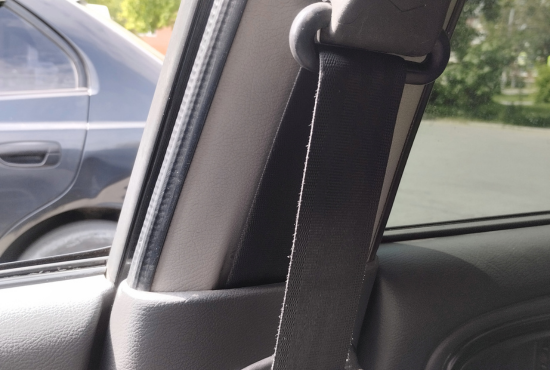
If your seat belt shows signs of damage, such as fraying or wear, it is crucial to have it repaired or replaced immediately. This ensures that the seat belt will function correctly in the event of an accident, providing you with the necessary protection.
✔ Resetting or Replacing Faulty Airbag Sensors
Airbag sensors may need to be reset or replaced if they are malfunctioning. A professional mechanic can diagnose and repair sensor issues to ensure the airbag system functions properly.
✔ When to Seek Professional Help
If you’re unable to diagnose or fix seat belt and airbag issues on your own, it’s best to seek professional assistance. Mechanics with specialized equipment can identify and resolve complex problems to ensure your vehicle’s safety features are fully operational.
Legal Requirements for Seat Belts and Airbags
Seat Belt and Airbag Functionality Check
Seat Belt and Airbag Functionality Check
✔ Seat Belt and Airbag Laws by Region
Each region or country has specific laws governing the use of seat belts and airbags. These regulations dictate when and where seat belts must be worn, as well as the standards for airbag systems in vehicles. Ensuring compliance with local laws is essential for both safety and legal reasons.
✔ The Consequences of Ignoring Safety Features
Failing to maintain functional seat belts and airbags can result in significant legal penalties, including fines and potential driving license suspensions. More importantly, neglecting these safety features increases the risk of serious injury or death in the event of an accident.
Call-to-Action
For comprehensive vehicle safety checks, including seat belt and airbag inspections, contact a certified mechanic or visit your local auto repair shop. Prioritize regular maintenance to ensure your vehicle meets safety standards and to protect yourself and your loved ones on the road.
Schedule Your Road Test Today: Book Now
Schedule Your Road Test Today: Book Now
Frequently Asked Questions (FAQs)
✔ How often should I check my seat belts and airbags?
It’s recommended to check your seat belts and airbag systems during regular vehicle maintenance or at least once a year. Additionally, inspect them if you notice any issues or after an accident.
✔ What should I do if my seat belt gets frayed or worn out?
If you notice any fraying or wear on your seat belt, replace it immediately. Seat belts are crucial for your safety, and damaged belts should not be used.
✔ How can I tell if my airbag system is functioning properly?
Ensure that the airbag warning light on your dashboard is functioning correctly. If the light is on or flashing, it indicates a potential issue with the airbag system.
✔ What are common signs that an airbag has been deployed?
Common signs include a deployed airbag (visible damage), an airbag warning light on the dashboard, and signs of previous deployment on the airbag covers.
✔ Can I reset the airbag warning light myself?
In most cases, the airbag warning light requires professional diagnostics to reset. If the light remains on, consult a certified mechanic to address the underlying issue.
✔ Are there legal requirements for seat belts and airbags in my region?
Yes, legal requirements for seat belts and airbags vary by region. Check local regulations to ensure your vehicle complies with safety standards.
✔ What should I do if my seat belt buckle is not latching properly?
If the seat belt buckle is not latching securely, have it inspected and repaired or replaced by a professional. A malfunctioning buckle compromises safety.
✔ How do I know if my airbag sensors are functioning correctly?
Airbag sensors should be checked during regular maintenance. A diagnostic tool can verify their operation, or you may notice warning lights on the dashboard indicating sensor issues.
✔ Can I replace seat belts or airbags myself?
While minor repairs may be feasible, it’s generally recommended to have seat belts and airbag systems replaced or repaired by a professional to ensure proper functionality and safety.
✔ What are the consequences of ignoring seat belt and airbag issues?
Ignoring seat belt and airbag issues can lead to compromised safety during a collision, legal penalties, and potential injury. Regular checks and prompt repairs are crucial for maintaining vehicle safety.
Conclusion
Ensuring that your vehicle’s seat belts and airbag systems are fully functional is a crucial aspect of road safety. Regular checks and maintenance of these safety features not only comply with legal requirements but also protect you and your passengers in the event of a crash. By understanding how to inspect and maintain these systems, you can contribute to a safer driving experience and potentially save lives.