
Vehicle Lighting and Signal Inspection
Introduction
Ensuring that your vehicle’s lighting and signal systems are in perfect working order is crucial for both your safety and the safety of others on the road. Properly functioning headlights, brake lights, and turn signals are essential for clear communication with other drivers and pedestrians, especially during night driving or in adverse weatherconditions. This guide will walk you through the importance of vehicle lighting and signal safety, the steps for performing regular inspections, and how to address common issues that may arise.
Why Vehicle Lighting and Signal Safety Matters
Vehicle lighting and signal systems are critical for safe driving as they ensure visibility and communication on the road. Proper lighting allows you to see the road ahead and makes your vehicle visible to other drivers, especially in low-light conditions. Signal lights, such as turn signals and brake lights, communicate your intentions to other road users, helping to prevent accidents. Maintaining these systems is essential for avoiding traffic violations and ensuring the safety of everyone on the road.
Vehicle Lighting and Signal Inspection
Vehicle Lighting and Signal Inspection
Types of Vehicle Lights and Their Functions
✔ Headlights (High Beam and Low Beam):
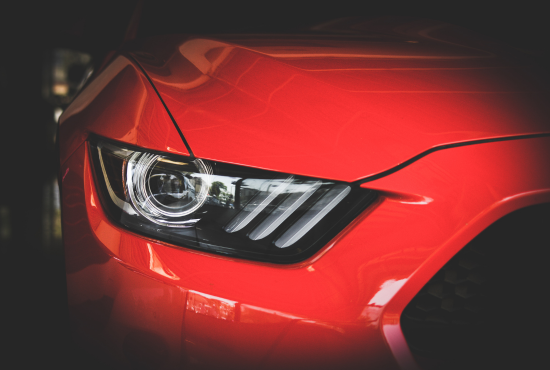
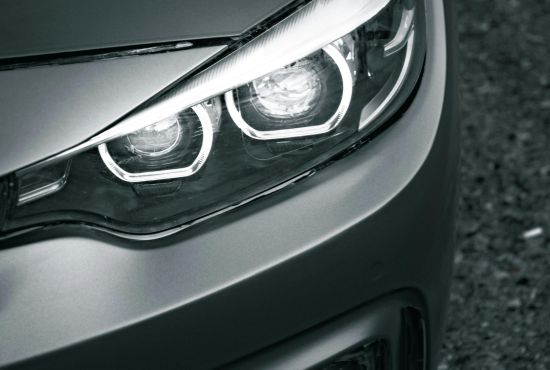
Headlights are essential for visibility, especially at night or in poor weather conditions. High beams provide maximum illumination for rural or dark roads, while low beams are used in normal driving conditions to avoid blinding other drivers.
✔ Tail Lights and Brake Lights:
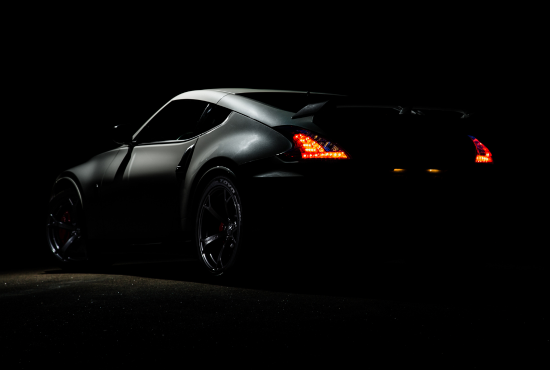
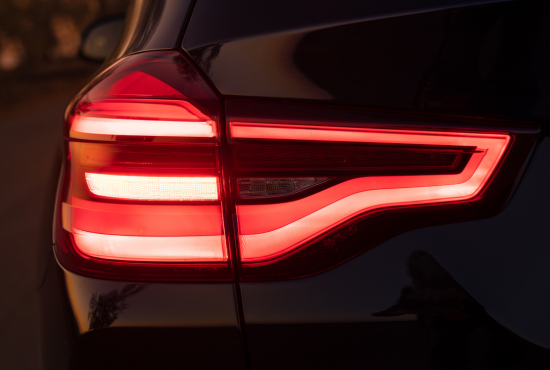
Tail lights illuminate when your headlights are on, making your vehicle visible from behind. Brake lights activate when you apply the brakes, signaling to drivers behind you that you are slowing down or stopping.
✔ Turn Signals and Hazard Lights:
Turn signals indicate your intention to turn or change lanes, helping to prevent accidents by alerting other drivers. Hazard lights are used to warn others that your vehicle is stationary or moving slowly due to an emergency.
✔ Fog Lights and Auxiliary Lights:
Fog lights are designed to cut through fog, rain, or snow, providing better visibility in adverse weather conditions. Auxiliary lights, such as driving lights or off-road lights, offer additional illumination in specific driving situations.
Regular Vehicle Lighting and Signal Inspection
Vehicle Lighting and Signal Inspection
Vehicle Lighting and Signal Inspection
✔ How to Check Your Headlights and Tail Lights:
Start by turning on your headlights and walking around your vehicle to ensure both the high and low beams are functioning properly. Check your tail lights by turning on the vehicle’s lights and observing the rear of the car to ensure they are illuminated.
✔ Inspecting Turn Signals and Hazard Lights:
Activate your turn signals and check that both the front and rear indicators flash at a consistent rate. Test your hazard lights by pressing the hazard button and confirming that all four indicators are flashing simultaneously.
✔ Testing Brake Lights for Proper Function:
Have someone stand behind your vehicle while you apply the brakes to ensure all brake lights illuminate. If you’re alone, you can use a reflective surface or a garage door to see the lights from inside the car.
Common Issues with Vehicle Lighting and Signals
✔ Burnt-Out Bulbs:
One of the most common issues with vehicle lighting is burnt-out bulbs. This can affect headlights, tail lights, turn signals, or brake lights, leading to reduced visibility and safety hazards. Regularly check your lights to ensure they are all functioning, and replace any burnt-out bulbs promptly.
✔ Wiring and Connection Problems:
Faulty wiring or loose connections can cause lights to flicker, dim, or stop working altogether. If you notice inconsistent lighting, it might be due to wiring issues. It’s important to inspect the electrical connections and repair any damaged wires to maintain proper lighting function.
✔ Lens and Housing Damage:
Cracks, moisture, or dirt inside the light lens or housing can diminish the brightness and effectiveness of your vehicle’s lights. Damaged lenses can also lead to more significant issues, such as water entering the housing and causing electrical problems. Ensure that all lenses and housings are clean, sealed, and free of damage.
Steps to Perform a DIY Lighting and Signal Inspection
Vehicle Lighting and Signal Inspection
Vehicle Lighting and Signal Inspection
✔ Tools You’ll Need for a Lighting Check
✔ Screwdriver Set: For removing light housings or access panels.
✔ Gloves: To protect your hands and prevent oils from your skin from contacting the bulbs.
✔ Replacement Bulbs: Ensure you have the correct bulbs for your vehicle model.
✔ Multimeter: For checking electrical connections and diagnosing wiring issues.
✔ Flashlight: To help inspect hard-to-see areas.
✔ Cleaning Supplies: For wiping down lenses and removing debris.
✔ Step-by-Step Guide to Inspecting Each Light
✔ Park in a Safe Location:
Find a flat, well-lit area to perform the inspection. Turn off your vehicle and engage the parking brake.
✔ Check Headlights:
Turn on your headlights and inspect both the high beam and low beam settings. Look for brightness, clarity, and any signs of dimming or flickering. Repeat this process for both headlights.
✔ Inspect Tail Lights and Brake Lights:
Ask someone to press the brake pedal while you check the brake lights. Ensure all tail lights and brake lights illuminate correctly. Check the tail lights by turning on the headlights.
✔ Test Turn Signals and Hazard Lights:
Activate each turn signal (left and right) and ensure they flash at a consistent pace. Check the hazard lights by pressing the hazard button and inspecting all four corners of the vehicle.
✔ Examine Fog Lights and Auxiliary Lights:
If your vehicle is equipped with fog lights or additional auxiliary lights, turn them on and check for proper operation. Ensure they are aligned correctly and not obstructed by debris.
✔ Look for Lens and Housing Damage:
Inspect the lenses and housings of all lights for cracks, dirt, moisture, or clouding. Clean any dirt and ensure the lenses are sealed and intact.
Vehicle Lighting and Signal Inspection
Vehicle Lighting and Signal Inspection
✔ How to Replace Faulty Bulbs and Fix Common Issues
✔ Access the Light Housing:
Depending on your vehicle, you may need to remove screws or panels to access the light housing. Use your screwdriver set to carefully remove these components.
✔ Remove the Old Bulb:
Once you’ve accessed the bulb, twist or pull it out of the socket (refer to your vehicle’s manual for specific instructions). Be cautious not to damage the socket or wiring.
✔ Install the New Bulb:
Insert the new bulb into the socket, ensuring it’s securely in place. Avoid touching the glass part of the bulb with your fingers, as oils can shorten the bulb’s lifespan.
✔ Test the New Bulb:
Before reassembling the housing, turn on the light to make sure the new bulb is working properly. If it doesn’t light up, double-check the connection and inspect for any wiring issues.
✔ Reassemble the Light Housing:
Once you’ve confirmed the new bulb is working, reattach the housing and secure any screws or panels. Make sure everything is tightly sealed to prevent moisture from entering.
✔ Address Any Wiring Issues:
If a light isn’t working despite a new bulb, use a multimeter to check for continuity in the wiring. Repair or replace any damaged wires or connections.
Importance of Professional Lighting Inspections
Vehicle Lighting and Signal Inspection
Vehicle Lighting and Signal Inspection
✔ When to Seek Expert Help
✔ Persistent Issues: If you notice that lights are flickering, dimming, or not working despite replacing the bulbs, it’s time to consult a professional. These issues could indicate deeper electrical problems that require expert diagnosis and repair.
✔ Complex Repairs: For issues involving wiring, fuses, or the vehicle’s electrical system, it’s advisable to seek professional help. Incorrect handling of electrical components can lead to further damage or safety hazards.
✔ Annual Inspections: Even if you perform regular DIY checks, it’s wise to have your vehicle’s lighting and signals inspected by a professional at least once a year. They can detect and fix problems that might be missed during a routine check.
✔ Benefits of Regular Professional Maintenance
✔ Enhanced Safety: Professional inspections ensure that all lights and signals are functioning correctly, which is crucial for road safety, especially in low-visibility conditions.
✔ Long-Term Cost Savings: By identifying and addressing minor issues before they escalate, professional maintenance can prevent costly repairs down the road.
✔ Compliance with Regulations: Professionals are up-to-date with the latest safety standards and regulations. Regular checks ensure that your vehicle complies with legal requirements, reducing the risk of fines or penalties.
Extended Lifespan of Lighting Systems: Proper maintenance by professionals helps prolong the life of your vehicle’s lighting systems, ensuring consistent performance and reducing the frequency of replacements.
Legal Requirements for Vehicle Lighting and Signals
Vehicle Lighting and Signal Inspection
Vehicle Lighting and Signal Inspection
✔ Understanding Local Laws and Regulations
✔ Headlight Usage: Many regions have specific laws regarding when headlights must be used, such as during certain hours, in poor weather conditions, or in areas with reduced visibility. Understanding these laws helps you avoid violations and ensures safer driving.
✔ Turn Signals and Hazard Lights: Local regulations often dictate how and when turn signals and hazard lights should be used. For example, signaling a turn or lane change is mandatory in most places, and failure to do so can lead to penalties.
✔ Brake and Tail Lights: Laws typically require that brake lights function properly at all times. Non-working brake or tail lights can lead to fines and are a significant safety hazard.
✔ Additional Lighting: There are often restrictions on the use of certain types of lights, such as fog lights or auxiliary lights. In some areas, the color and intensity of vehicle lights are also regulated, especially for aftermarket modifications.
✔ Ensuring Compliance to Avoid Fines and Penalties
✔ Regular Inspections: Conducting regular checks of your vehicle’s lights and signals helps ensure that they meet legal standards and are functioning correctly. This can prevent unexpected fines during traffic stops or vehicle inspections.
✔ Up-to-Date Knowledge: Keep yourself informed about local traffic laws, as regulations regarding vehicle lighting and signals can change. This is particularly important if you move to a new area where the laws may differ.
✔ Professional Verification: Consider having a professional inspection if you’re unsure whether your vehicle’s lighting complies with legal requirements. Mechanics and automotive specialists are familiar with the regulations and can ensure your vehicle meets all standards.
✔ Documenting Repairs and Inspections: Maintain records of any repairs or inspections related to your vehicle’s lighting. These can serve as proof of compliance if questioned by law enforcement or during a vehicle inspection.
Safety Tips for Night Driving and Poor Weather Conditions
Vehicle Lighting and Signal Inspection
Vehicle Lighting and Signal Inspection
✔ Using Headlights Effectively at Night
✔ Switch to Low Beams in Traffic: When driving in areas with oncoming traffic or close behind another vehicle, always use low beams to avoid blinding other drivers. High beams should only be used when you’re on a dark road with no nearby vehicles.
✔ Keep Headlights Clean: Dirty headlights can significantly reduce visibility at night. Regularly clean your headlights to ensure maximum brightness and range.
✔ Adjust Headlight Angle: Make sure your headlights are properly aligned to avoid causing glare for other drivers and to illuminate the road effectively. If you notice the light beams are too high or too low, have them adjusted by a professional.
✔ Use High Beams Wisely: In rural or poorly lit areas, use high beams to increase your visibility. However, remember to switch back to low beams when other vehicles approach.
✔ Adjusting Lights for Fog and Rainy Conditions
✔ Use Fog Lights in Dense Fog: If your vehicle is equipped with fog lights, use them in dense fog to improve visibility. Fog lights are designed to cut through fog and provide a wider beam that illuminates the road directly in front of your vehicle.
✔ Avoid High Beams in Fog: High beams can reflect off the fog and create a “white wall” effect, reducing visibility. Stick to low beams or fog lights when driving in foggy conditions.
✔ Turn on Headlights in Rain: Even during daylight hours, heavy rain can reduce visibility. Turn on your headlights to increase your visibility to other drivers. In many areas, it’s legally required to use headlights when windshield wipers are in use.
✔ Use Hazard Lights When Visibility Is Extremely Poor: If visibility becomes dangerously low due to heavy rain or fog, turn on your hazard lights to alert other drivers to your presence. However, avoid using hazard lights while driving at normal speeds, as they can confuse other drivers.
Innovations in Vehicle Lighting Technology
Vehicle Lighting and Signal Inspection
Vehicle Lighting and Signal Inspection
✔ LED and HID Lighting Systems
✔ LED Lighting Systems: Light-emitting Emitting Diodes (LEDs) are becoming increasingly popular in modern vehicles due to their efficiency and longevity. LEDs provide a bright, white light that enhances visibility and reduces eye strain. They consume less power than traditional halogen bulbs and have a longer lifespan, which means fewer replacements and lower overall maintenance costs.
✔ HID Lighting Systems: High-Intensity Discharge (HID) lights use an electrical arc between tungsten electrodes to produce a bright light. HIDs are known for their high output and intense brightness, which improves visibility at night. They are more energy-efficient than halogen lights and offer a longer range, but can be more expensive to replace and may require specialized installation.
✔ Adaptive Headlights and Automatic High Beams
✔ Adaptive Headlights: Adaptive headlights adjust the direction and range of your headlights based on the vehicle’s speed, steering angle, and elevation. This technology improves illumination around curves and uneven terrain, enhancing night driving safety. Adaptive headlights can pivot to follow the steering direction, providing better visibility in corners and improving overall driving comfort.
✔ Automatic High Beams: Automatic high beams (also known as auto high beam assist) are designed to automatically switch between high and low beams based on the presence of oncoming traffic or vehicles ahead. This technology helps ensure that your high beams are used when they are most effective, without causing glare for other drivers. It enhances visibility on dark roads while maintaining safety for all road users.
These innovations represent significant advancements in vehicle lighting technology, offering improved safety, efficiency, and driving comfort.
Call-to-Action
Inspect Your Vehicle: Schedule a lighting and signal inspection for your vehicle today to ensure all components are in proper working order.
Upgrade Your Lights: Explore options for upgrading to LED or HID lighting systems for enhanced visibility and safety.
Contact Us: Reach out to our team for expert advice on vehicle lighting, maintenance services, or to book a professional inspection.
By taking these steps, you can contribute to safer driving conditions for yourself and others on the road.
Schedule Your Road Test Today: Book Now
Vehicle Lighting and Signal Inspection

Vehicle Lighting and Signal Inspection
Frequently Asked Questions (FAQs)
1. How often should I check my vehicle’s lighting and signals?
It’s recommended to check your vehicle’s lighting and signals at least once a month or before long trips. Regular inspections ensure all lights are functioning properly and can prevent safety issues.
2. What should I do if a bulb burns out?
If a bulb burns out, replace it as soon as possible. Consult your vehicle’s manual for the correct bulb type and replacement instructions. If you’re unsure, a professional mechanic can assist with the replacement.
3. How can I tell if my headlights are misaligned?
If you notice that your headlights are not illuminating the road evenly or if they seem to be pointing in the wrong direction, they may be misaligned. You can perform a basic alignment check by parking on a level surface and checking the beam pattern, or have a professional alignment done.
4. Are there any specific regulations for vehicle lighting in my area?
Vehicle lighting regulations can vary by location. Check your local laws and regulations to ensure your vehicle’s lighting is compliant. This can include requirements for headlight brightness, color, and the use of certain lighting features.
5. What are the benefits of upgrading to LED or HID headlights?
Upgrading to LED or HID headlights can provide brighter and more focused illumination, improve nighttime visibility, and enhance overall driving safety. LEDs are energy-efficient and have a longer lifespan, while HIDs offer powerful lighting for better visibility on dark roads.
Conclusion
Ensuring your vehicle’s lighting and signals are in top condition is crucial for safe driving. Regular inspections and timely maintenance of headlights, tail lights, turn signals, and other lighting components can prevent accidents and ensure compliance with local regulations. By staying informed about the latest lighting technologies and performing routine checks, you can enhance your driving experience and safety on the road.