

Checklist for Safe Vehicle Operation
Preliminary Introduction and Overview:Introduction
Ensuring the safe operation of your vehicle is crucial not only for your own safety but also for the safety of other road users. A well-maintained vehicle reduces the risk of accidents, improves your driving experience, and helps avoid costly repairs. This guide provides a comprehensive checklist for essential vehicle operation safety, covering all the critical aspects you need to check before getting behind the wheel. From pre-drive inspections to ongoing maintenance, following these steps will help you keep your vehicle in top shape and ensure a safer journey on the road.
Key Takeaways
✔ Regular inspections and maintenance are crucial for vehicle safety.
✔ Address common issues like brake problems and tire wear before they become serious.
✔ Use technology and professional services to assist in maintaining your vehicle.
✔ Stay informed about your vehicle’s needs and respond to warning signs promptly.
Why Vehicle Operation Safety is Crucial
Checklist for Safe Vehicle Operation

Checklist for Safe Vehicle Operation
Vehicle operation safety is paramount for several reasons:
✔ Protecting Lives: Proper vehicle safety checks and maintenance help prevent accidents caused by vehicle malfunctions, protecting both the driver and other road users.
✔ Avoiding Costly Repairs: Regular safety checks can identify potential issues before they become major problems, saving you from expensive repairs and breakdowns.
✔ Enhancing Vehicle Performance: Well-maintained vehicles operate more efficiently, providing better performance, fuel economy, and a smoother driving experience.
✔ Complying with Legal Requirements: Adhering to safety regulations and maintaining your vehicle helps ensure compliance with local laws and avoid fines or legal issues.
✔ Increasing Longevity of Your Vehicle: Routine maintenance extends the lifespan of your vehicle by keeping its components in good working order, reducing wear and tear.
✔ Boosting Driver Confidence: Knowing that your vehicle is in safe operating condition gives you greater confidence while driving, allowing you to focus on the road and traffic conditions.
Daily Pre-Drive Safety Checks
Checklist for Safe Vehicle Operation

✔ Checking Tire Pressure and Condition
Tire Pressure: Use a tire pressure gauge to ensure each tire is inflated to the recommended pressure levels. Proper tire pressure improves fuel efficiency and handling.
Tire Condition: Inspect tires for visible damage such as cuts, punctures, or bulges. Check tread depth to ensure adequate traction and replace tires if tread is worn below the recommended level.
✔ Inspecting Fluid Levels
Engine Oil: Check the engine oil level using the dipstick. Ensure it’s within the recommended range and add oil if necessary.
Coolant: Ensure the coolant level is between the minimum and maximum marks on the reservoir. Adequate coolant prevents engine overheating.
Brake Fluid: Verify that brake fluid is at the proper level to maintain effective braking performance.
Windshield Washer Fluid: Make sure there’s enough fluid in the reservoir for clearing your windshield and ensuring visibility.
✔ Testing Lights and Signals
Headlights and High Beams: Turn on headlights and check both low and high beams to ensure they are functioning properly.
Brake Lights: Have someone assist you or use a reflective surface to check if the brake lights illuminate when the brake pedal is pressed.
Turn Signals and Hazard Lights: Activate turn signals and hazard lights to ensure they flash correctly. Replace any non-working bulbs promptly.
Tail Lights: Confirm that tail lights are operational to ensure you are visible to drivers behind you.
Interior Safety Check
Checklist for Safe Vehicle Operation

Checklist for Safe Vehicle Operation
✔ Ensuring Proper Seat Belt Functionality
Seat Belt Operation: Verify that all seat belts retract smoothly and latch securely. Check for any visible damage or fraying of the seat belt material.
Buckle and Latch Function: Ensure that the seat belt buckles engage and release properly. Test the latching mechanism to confirm it holds the belt firmly in place.
✔ Adjusting Mirrors and Seat Position
- Mirrors: Adjust rearview and side mirrors to provide a clear view of the road and surroundings. Ensure mirrors are properly positioned to minimize blind spots.
- Seat Position: Adjust the driver’s seat for optimal comfort and control. Ensure you can reach the pedals, steering wheel, and controls easily while maintaining a clear view of the road.
✔ Checking Dashboard Warning Lights
- Warning Light Review: Start the vehicle and observe the dashboard for any warning lights. Ensure that no warning lights remain illuminated after the initial vehicle check.
- Understanding Lights: Familiarize yourself with the meaning of each warning light. Refer to your vehicle’s manual for information on what specific lights indicate and what actions to take if they appear.
Engine and Transmission Safety Checks
Checklist for Safe Vehicle Operation

Checklist for Safe Vehicle Operation
✔ Monitoring Engine Performance
Engine Idle: Start the engine and listen for smooth operation. Pay attention to any unusual noises, vibrations, or rough idling that could indicate potential issues.
Acceleration: Test the engine’s responsiveness by accelerating gently. Ensure the engine responds smoothly and steadily without hesitation or unusual noises.
Exhaust Smoke: Observe the exhaust for any abnormal smoke colors, such as blue, white, or black, which could indicate engine problems.
✔ Assessing Transmission Fluid Levels
Fluid Level Check: With the engine off and cooled down, locate the transmission fluid dipstick (if applicable) and check the fluid level. Ensure it is within the recommended range on the dipstick.
Fluid Condition: Inspect the transmission fluid for color and consistency. It should be a clear, reddish color. If it appears dark, dirty, or has a burnt smell, it may need to be changed.
Leaks and Lines: Check the area around the transmission for any signs of fluid leaks. Ensure that transmission lines and connections are secure and free from damage.
Brakes and Steering Inspection
Checklist for Safe Vehicle Operation
Checklist for Safe Vehicle Operation
✔ Evaluating Brake Functionality
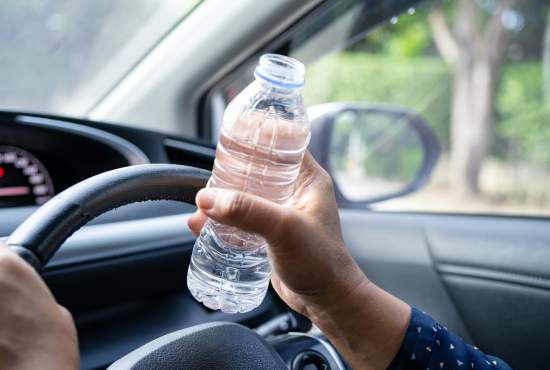
Brake Pedal Feel: Press the brake pedal to assess its firmness and responsiveness. The pedal should not feel spongy or too soft. If it does, there may be an issue with the brake system.
Brake Performance: Test the brakes at low speeds to ensure they engage smoothly and effectively. Listen for any unusual noises such as squealing or grinding, which may indicate worn brake pads or other issues.
Brake Fluid Levels: Check the brake fluid reservoir to ensure it’s at the recommended level. Low brake fluid can affect braking performance and indicate potential leaks in the system.
✔ Checking Steering Responsiveness
Steering Wheel Play: Turn the steering wheel slightly and check for excessive play or looseness. There should be minimal play, and the steering should feel precise and responsive.
Steering Response: Drive the vehicle at a low speed and perform a few gentle maneuvers. Ensure the steering responds accurately to your inputs without any unusual vibrations or resistance.
Power Steering Fluid: Check the power steering fluid level and condition. Low or dirty fluid can affect steering performance and make the steering feel heavier than usual.
Emergency Equipment and Tools
Checklist for Safe Vehicle Operation
Checklist for Safe Vehicle Operation
✔ Ensuring Availability of Essential Items
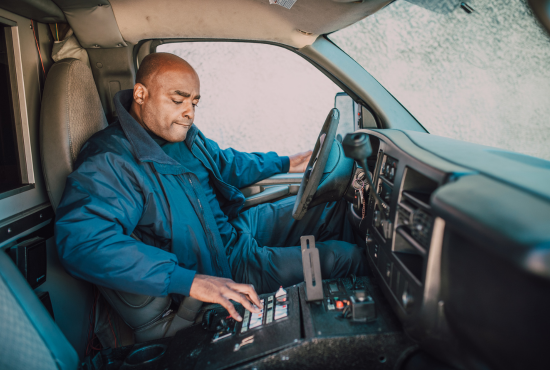
First Aid Kit: Ensure that you have a well-stocked first aid kit in your vehicle. This should include bandages, antiseptic wipes, adhesive tape, and basic medical supplies for minor injuries.
Emergency Triangle and Flares: Keep an emergency triangle or flares in your vehicle to alert other drivers in case of a breakdown or accident. These items help ensure your safety and visibility on the road.
Fire Extinguisher: Carry a fire extinguisher suitable for automotive use. It can be crucial in the event of a small fire caused by electrical issues or flammable fluids.
✔ Regularly Checking Emergency Supplies
Expiration Dates: Regularly check the expiration dates on items in your first aid kit and replace any expired materials.
Functionality of Tools: Test the functionality of emergency tools such as the flashlight and ensure it has fresh batteries. Replace or recharge as needed.
Condition of Equipment: Inspect the emergency triangle, flares, and fire extinguisher for any damage. Ensure they are in good working condition and replace them if necessary.
Keeping your emergency equipment well-maintained and easily accessible can help you respond effectively to unexpected situations and enhance your overall safety on the road.
Responding to Vehicle Alerts
Checklist for Safe Vehicle Operation
Checklist for Safe Vehicle Operation
✔ Understanding Common Warning Lights
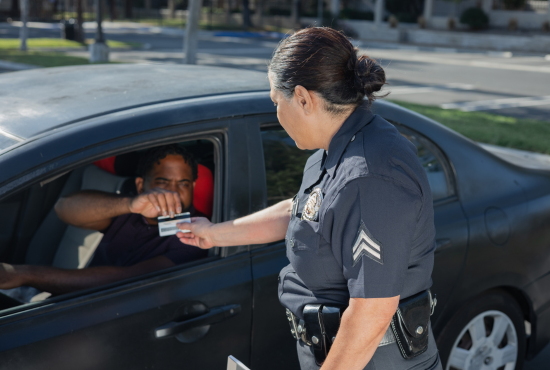
Engine Warning Light: This light, often shaped like an engine, indicates a potential issue with the engine or emission control system. If it comes on, check your engine immediately.
Brake Warning Light: This light can indicate low brake fluid, worn brake pads, or a problem with the braking system. If illuminated, check your brake fluid level and consult a mechanic if necessary.
Battery Warning Light: This light suggests an issue with the battery or alternator. It may indicate that the battery is not charging properly, which could be due to a faulty alternator or battery.
Oil Pressure Light: This light signals that your oil pressure is low, which could be due to insufficient oil or a problem with the oil pump. Check your oil level and consider getting it checked by a professional.
Tire Pressure Warning Light: This light indicates that one or more of your tires may be under-inflated. Check the tire pressure and inflate as needed.
✔ Taking Appropriate Action When Alerts Appear
Pull Over Safely: If a warning light indicates a serious issue, pull over to a safe location as soon as possible to assess the situation. Continuing to drive could cause further damage.
Consult Your Vehicle Manual: Refer to your vehicle’s owner manual for specific information about warning lights and recommended actions. Each vehicle may have different warning light indicators and meanings.
Check Immediate Issues: For warning lights indicating low fluid levels or pressure, perform a quick check of the affected system (e.g., check oil or tire pressure) and address any obvious issues.
Seek Professional Assistance: If you cannot resolve the issue or if multiple warning lights appear, contact a professional mechanic for a thorough inspection and repair. Ignoring persistent warning lights can lead to more severe vehicle problems.
Responding promptly and appropriately to vehicle alerts ensures that minor issues are addressed before they escalate, helping maintain your vehicle’s safety and reliability.
Maintaining Vehicle Safety Over Time
Checklist for Safe Vehicle Operation
Checklist for Safe Vehicle Operation
✔ Scheduling Regular Maintenance
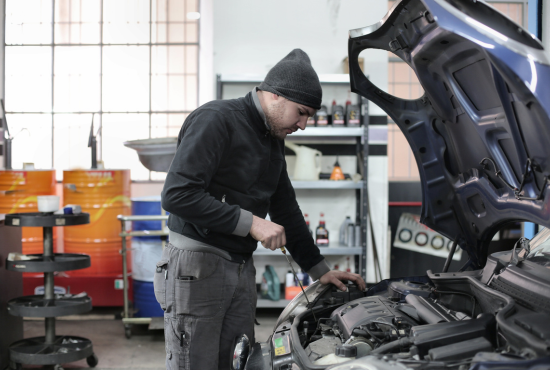
Follow Manufacturer’s Maintenance Schedule: Adhere to the recommended maintenance intervals provided in your vehicle’s owner manual. This typically includes regular oil changes, tire rotations, brake checks, and fluid replacements.
Plan Seasonal Inspections: Schedule seasonal maintenance checks to address issues that may arise due to weather changes. For example, have your vehicle inspected before winter to ensure it is prepared for cold temperatures and adverse driving conditions.
Track Maintenance Records: Keep a detailed record of all maintenance and repairs performed on your vehicle. This helps you stay on top of upcoming service needs and provides valuable information if you need to seek professional help.
✔ Keeping Up with Vehicle Recalls and Updates
Monitor Recall Notices: Regularly check if your vehicle is subject to any recalls by visiting the National Highway Traffic Safety Administration (NHTSA) website or contacting your vehicle manufacturer. Recalls address safety defects and are crucial for vehicle safety.
Act Promptly on Recalls: If you receive a recall notice, contact your local dealership or service center as soon as possible to arrange for the necessary repairs or replacements. Delaying recall-related repairs can affect your vehicle’s safety and performance.
Stay Informed about Updates: Stay updated on any new safety features, software updates, or service bulletins related to your vehicle. Manufacturers sometimes release updates that can improve vehicle safety and performance.
By consistently scheduling regular maintenance and staying informed about recalls and updates, you can ensure that your vehicle remains safe and reliable throughout its lifespan.
Common Safety Issues and How to Address Them
Checklist for Safe Vehicle Operation
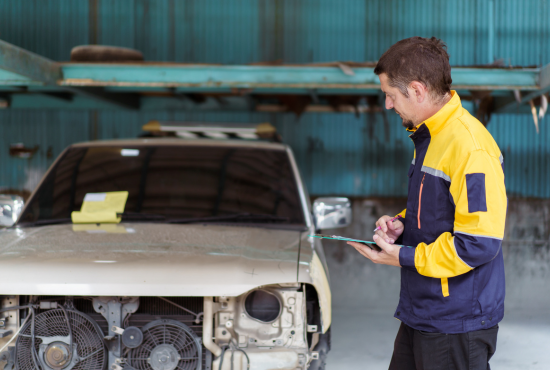
Checklist for Safe Vehicle Operation
Addressing Common Mechanical Failures
Engine Overheating: Regularly check coolant levels and ensure the radiator and cooling system are functioning properly. Overheating can often be avoided with routine maintenance and timely fluid replacements.
Brake Failure: Listen for unusual noises such as squealing or grinding when braking. If you experience reduced braking performance, have your brake system inspected immediately.
Transmission Issues: Be alert to any slipping or rough shifting. Low transmission fluid or worn components can cause these problems. Regular checks can help catch issues early.
Handling Unexpected Road Conditions
Adverse Weather: Drive cautiously in rain, snow, or fog. Adjust your speed and increase following distance to accommodate reduced visibility and slippery roads. Ensure your tires are suitable for the weather conditions.
Potholes and Debris: Avoid sudden steering maneuvers to prevent damage if you encounter road hazards. Regularly check your tires and suspension system for any damage from rough road conditions.
When to Seek Professional Help
Identifying Issues Requiring Expert Attention: If you notice persistent problems such as strange noises, inconsistent performance, or dashboard warning lights, consult a professional mechanic. Ignoring these signs can lead to more severe issues.
Finding a Reliable Mechanic: Look for mechanics with good reviews and certifications. Ask for recommendations from friends or family and ensure the shop is reputable and has a track record of reliable service.
Tips for Safe Driving Practices
Adhering to Road Safety Rules: Always follow traffic laws and regulations. This includes obeying speed limits, using turn signals, and stopping at red lights and stop signs.
Managing Distractions While Driving: Minimize distractions by avoiding phone use and eating while driving. Keep your focus on the road and be aware of your surroundings to respond quickly to any potential hazards.
By addressing common mechanical failures promptly, adapting to unexpected road conditions, and seeking professional help when necessary, you can ensure safer driving experiences. Adhering to road safety rules and managing distractions further enhances your safety and the safety of others on the road.
Call-to-Action
Ensure your vehicle is road-ready by scheduling a comprehensive safety check today. If you have any concerns or need professional assistance, contact your local mechanic or visit a trusted auto service center. Stay safe on the road by prioritizing regular vehicle maintenance and addressing issues early.
Schedule Your Road Test Today: Book Now
Frequently Asked Questions (FAQs)
1. How often should I perform a vehicle safety check?
You should perform a basic vehicle safety check before each drive, especially for long trips. Comprehensive inspections, including engine and transmission checks, should be done regularly, typically every 6 to 12 months, depending on your vehicle’s usage and manufacturer recommendations.
2. What should I do if I notice a warning light on my dashboard?
Consult your vehicle’s owner manual to understand the specific warning light. If the light indicates a critical issue (like engine or brake problems), pull over safely and contact a professional mechanic as soon as possible.
3. How can I maintain my tires for optimal safety?
Regularly check tire pressure, inspect tread depth, and ensure proper alignment and balancing. Rotate your tires every 6,000 to 8,000 miles and replace them when tread depth reaches the minimum safe level.
4. When should I seek professional help for my vehicle?
Seek professional help if you notice persistent issues such as unusual noises, reduced performance, or warning lights. If you’re unsure about the severity of the problem or lack the tools for a proper diagnosis, consult a certified mechanic.
5. How can technology assist in vehicle maintenance?
Technology such as Tire Pressure Monitoring Systems (TPMS) and maintenance tracking apps can help you stay on top of vehicle care. These tools provide reminders and alerts for regular maintenance and potential issues.
Conclusion
Regular vehicle maintenance and safety checks are essential for ensuring your vehicle operates safely and efficiently. By performing routine inspections, addressing common issues promptly, and utilizing technology for assistance, you can enhance your vehicle’s performance and longevity. Prioritizing these practices not only improves your driving experience but also contributes to overall road safety.