
Vehicle Safety Inspection Checklist
Introduction
Preparing for your road test is not just about knowing the rules of the road or mastering your driving skills. It’s also about ensuring your vehicle is in top-notch condition. A vehicle safety inspection is a crucial step that many aspiring drivers overlook, but it can make a significant difference on test day. By thoroughly inspecting your vehicle beforehand, you can avoid potential issues that could cause stress or even failure during the test. This guide will walk you through the essential vehicle safety inspection checklist to ensure your car is ready for the road test, giving you the confidence to focus on your driving performance.
Key Takeaways
✔ Complete Vehicle Safety Inspection: Ensure that all parts of your vehicle, from tires to fluid levels, are in good condition before the test.
✔ Practice on Test Routes: Familiarize yourself with the routes, conditions, and challenges you might face during the test.
✔ Prepare for Various Conditions: Understand how different weather conditions and traffic patterns can impact your driving and practice accordingly.
✔ Use Technology Wisely: Utilize GPS, driving simulators, and other tools to enhance your preparation and navigate complex routes.
✔ Seek Professional Guidance: Take advantage of driving instructors’ expertise to address specific challenges and improve your skills.
Vehicle Safety Inspection Checklist

Vehicle Safety Inspection Checklist
Importance of a Vehicle Safety Inspection Before Your Road Test
Conducting a vehicle safety inspection before your road test is crucial for several reasons. First, it ensures that your car meets the safety standards required for the test, minimizing the risk of any mechanical failures that could lead to automatic disqualification. A well-maintained vehicle also allows you to demonstrate your driving skills more effectively, as you won’t be distracted by issues like faulty brakes, dim headlights, or underinflated tires. Additionally, the inspection helps you familiarize yourself with your vehicle’s condition, giving you peace of mind and confidence on test day. By addressing potential problems in advance, you reduce the likelihood of surprises during the test, allowing you to focus on passing with flying colors.
Exterior Vehicle Inspection Checklist
Vehicle Safety Inspection Checklist
Vehicle Safety Inspection Checklist
✔ Checking for Visible Damage
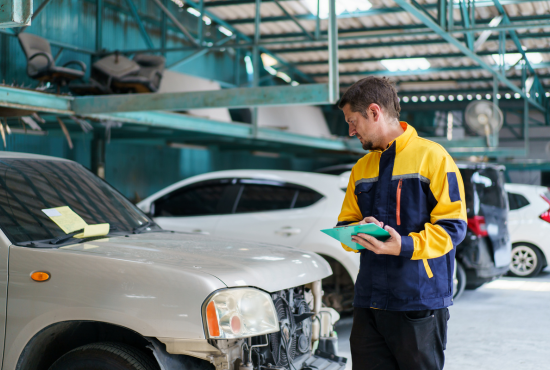
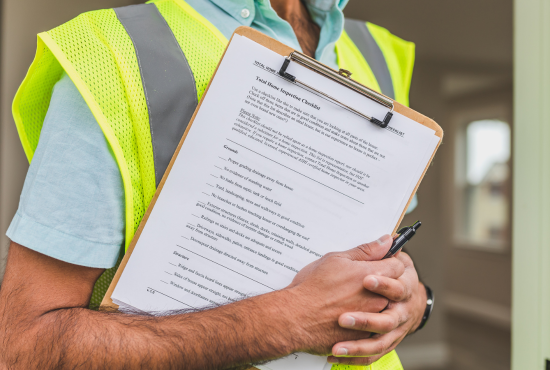
Start your inspection by walking around the vehicle and looking for any visible damage, such as dents, scratches, or loose parts. Pay close attention to the bumpers, mirrors, and doors. Any significant damage should be repaired before your road test, as it could affect your vehicle’s performance and your ability to pass the test.
✔ Inspecting Lights and Signals
Ensure that all exterior lights and signals are functioning correctly. This includes the headlights, brake lights, turn signals, and hazard lights. Check that they are bright and not flickering. Faulty lights can be dangerous, especially during the test, and may result in failure if they’re not working properly.
✔ Windshield and Wipers Condition
Examine the windshield for cracks or chips that could obstruct your view. Make sure the windshield wipers are in good condition and can clear the glass effectively. Test the windshield washer fluid to confirm it’s working properly. Visibility is crucial during the test, and a clear windshield is essential for safe driving.
✔ Tire Condition and Pressure
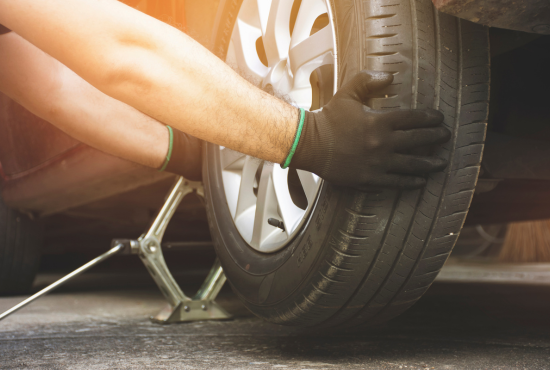
Check the tires for proper tread depth and ensure there are no signs of wear or damage, such as cuts or bulges. Use a tire pressure gauge to measure the air pressure in each tire, including the spare. Properly inflated tires with good tread will provide better traction and handling, which is important for passing your road test safely.
Under the Hood Inspection Checklist
Vehicle Safety Inspection Checklist

Vehicle Safety Inspection Checklist
✔ Engine Oil Level
Start by checking the engine oil level using the dipstick. Make sure the engine is cool and parked on a level surface before doing so. Pull out the dipstick, wipe it clean, reinsert it, and then pull it out again to check the oil level. The oil should be within the marked area on the dipstick, and it should have a clean, amber color. If the oil level is low or the oil appears dirty, top it up or replace it as necessary. Proper oil levels are crucial for engine performance and longevity, especially during a road test.
✔ Coolant Level
Next, inspect the coolant level in the reservoir tank. The coolant should be between the “min” and “max” marks on the tank. Low coolant levels can lead to engine overheating, which could cause a breakdown during your test. Ensure that the coolant is topped up if needed, and check that it’s the correct type for your vehicle. Avoid opening the radiator cap if the engine is hot, as this can cause hot coolant to spray out.
✔ Brake Fluid and Power Steering Fluid
Check the brake fluid level in its reservoir. The fluid should be clear and fall between the “min” and “max” lines. Low brake fluid can indicate worn brake pads or a leak, both of which need to be addressed before your road test. Similarly, check the power steering fluid level, ensuring it’s within the recommended range. Proper brake and steering functionality are critical for passing your test, as they directly impact vehicle control.
✔ Battery Health
Inspect the battery for any signs of corrosion on the terminals and ensure that the connections are tight. You can also check the battery charge if you have a multimeter or visit a mechanic for a quick test. A weak or dying battery could cause starting issues or electrical malfunctions during your road test, so it’s important to ensure it’s in good condition.
Interior Vehicle Inspection Checklist
Vehicle Safety Inspection Checklist
Vehicle Safety Inspection Checklist
✔ Seat Belts Functionality
Before your road test, ensure that all seat belts in the vehicle are functioning correctly. Buckle each seat belt to check that it latches securely and releases smoothly. The seat belts should retract properly without any slack and should be free of any tears or frays. Functioning seat belts are not only essential for your safety but are also a legal requirement and a key aspect of the vehicle inspection during the test.
✔ Mirror Adjustments
Properly adjusted mirrors are crucial for visibility and safe driving. Adjust the rearview mirror so that you have a clear view of the entire rear window. Adjust the side mirrors so that they show a small portion of your car and provide a wide view of the lanes beside you. Make these adjustments while seated in your driving position to ensure optimal visibility. This step is critical, as you’ll be expected to check your mirrors frequently during the road test.
✔ Dashboard Warning Lights Check
Turn on the ignition to check that all dashboard warning lights function correctly during the startup phase. These lights include indicators for the engine, battery, brakes, oil pressure, and more. Ensure that no warning lights remain illuminated after the car has started, as this could indicate a mechanical issue that needs to be addressed before your test. If any warning lights are on, consult the vehicle’s manual or a mechanic to resolve the issue.
✔ Horn and Indicator Functionality
Test the horn to ensure it works properly, as it’s an essential tool for signaling other drivers and pedestrians in case of emergencies. Next, check that all turn signals (indicators) function correctly by engaging them one by one and confirming that the corresponding lights on the dashboard and exterior of the car are operational. Proper use of the horn and indicators will be closely observed during your road test, so it’s vital to ensure they’re in working order.
Brake System and Steering Inspection Checklist
Vehicle Safety Inspection Checklist
Vehicle Safety Inspection Checklist
✔ Brake Pads and Rotors
The brake pads and rotors are critical components of your vehicle’s braking system. Before your road test, ensure that the brake pads are not worn down, and the rotors are not warped or damaged. Listen for any unusual noises when applying the brakes, such as squealing or grinding, which could indicate a problem. If you notice any issues, have a mechanic inspect and replace the brake pads or rotors as necessary. Effective braking is essential for safety and is a key aspect evaluated during the road test.
✔ Emergency Brake Check
The emergency brake (or parking brake) is an important safety feature that must be in good working condition. To check the emergency brake, engage it fully and ensure that it holds the vehicle in place without rolling, even on an incline. The emergency brake lever or pedal should feel firm and not require excessive force to engage or disengage. During your road test, you may be required to demonstrate the use of the emergency brake, so it’s vital to ensure it functions correctly.
✔ Steering Wheel Play
The steering wheel should respond immediately when turned, without excessive play or looseness. To check this, start the vehicle and gently move the steering wheel back and forth. There should be minimal free play before the wheels start to turn. If the steering feels loose or unresponsive, it could indicate an issue with the steering system that needs to be addressed. Proper steering control is crucial for safe driving, and any deficiencies could impact your performance during the road test.
✔ Suspension System
The suspension system affects the vehicle’s handling and ride comfort. Check the suspension by pressing down on each corner of the vehicle; it should bounce once or twice before settling. If the car continues to bounce or feels unstable, it may indicate worn-out shocks or struts. Also, pay attention to any unusual noises or vibrations while driving, which could signal a suspension problem. A well-maintained suspension system ensures smoother driving and better control, both of which are critical for passing the road test.
Safety Features Inspection Checklist
Vehicle Safety Inspection Checklist
Vehicle Safety Inspection Checklist
✔ Airbag System Check
Airbags are vital safety components designed to protect you in the event of a collision. To ensure the airbag system is functioning correctly, start by turning on the vehicle and checking the dashboard for the airbag warning light. The light should illuminate briefly and then turn off. If the light stays on or flashes, it may indicate a problem with the airbag system, such as a malfunctioning sensor or a disabled airbag. It’s important to have any issues diagnosed and repaired by a qualified technician before your road test to ensure your safety.
✔ Anti-lock Braking System (ABS) Functionality
The Anti-lock Braking System (ABS) prevents the wheels from locking up during hard braking, helping maintain control of the vehicle. To check the ABS, start the vehicle and observe the ABS warning light on the dashboard. Like the airbag light, the ABS light should turn on briefly and then go off. If the light remains on or blinks, there may be a problem with the ABS system. Additionally, during your drive, you can perform a gentle brake test in a safe area to ensure the ABS engages smoothly without any unusual noises or vibrations. A fully functional ABS is crucial for safe braking, especially during emergency situations, and is an important aspect to verify before your road test.
Common Issues to Address Before Your Road Test
Vehicle Safety Inspection Checklist
Vehicle Safety Inspection Checklist
✔ Fixing Tire Issues
Tires play a crucial role in the overall safety and performance of your vehicle. Before your road test, ensure that all tires have adequate tread depth and are free from any visible damage, such as cuts, punctures, or bulges. Uneven tread wear may indicate alignment or suspension issues that need to be addressed. Additionally, check the tire pressure and make sure it meets the manufacturer’s recommended levels. Under-inflated or over-inflated tires can affect handling and braking performance, which are critical during a road test. If any tire issues are found, it’s important to resolve them by either repairing or replacing the tires as necessary.
✔ Replacing Faulty Lights and Indicators
Lights and indicators are essential for communicating with other road users and ensuring visibility, especially during night driving or in adverse weather conditions. Before your road test, inspect all exterior lights, including headlights, tail lights, brake lights, turn signals, and hazard lights. Ensure that they are functioning correctly and are bright enough to be visible from a distance. Replace any burnt-out bulbs or faulty connections immediately. Additionally, clean any dirt or debris off the light covers to maximize their effectiveness. Properly functioning lights and indicators are not only a legal requirement but also a key aspect of passing your road test.
✔ Addressing Any Fluid Leaks
Fluid leaks can be a sign of serious underlying issues in your vehicle. Common fluids to check include engine oil, coolant, brake fluid, power steering fluid, and transmission fluid. Inspect the ground under your parked car for any signs of leaks and check under the hood for any fluid pooling around reservoirs or components. If you notice any leaks, it’s important to identify the source and have it repaired before your road test. Even minor leaks can lead to significant mechanical failures, which could jeopardize your ability to pass the test. Addressing these issues beforehand ensures that your vehicle is in optimal condition for the road test.
Final Pre-Test Checks
Vehicle Safety Inspection Checklist

Vehicle Safety Inspection Checklist
✔ Ensuring All Documents Are in the Vehicle
Before heading to your road test, double-check that you have all the necessary documents in the vehicle. These typically include your learner’s permit, vehicle registration, proof of insurance, and any paperwork required by the testing center. Having these documents readily accessible ensures that your test starts smoothly without any delays. It’s also wise to bring any confirmation of your test appointment and any instructions provided by the DMV or testing agency. Keeping these documents organized in a folder or envelope within easy reach in the car can save you from unnecessary stress on the day of your test.
✔ Conducting a Quick Test Drive
A quick test drive before your road test can help you identify any last-minute issues with the vehicle and ensure that everything is functioning as expected. During this drive, pay attention to the responsiveness of the steering, brakes, and acceleration. Test the lights, indicators, and windshield wipers to confirm they are working correctly. Listen for any unusual noises that could indicate a problem. A brief drive around the block or on a quiet road allows you to get a feel for the vehicle and address any concerns immediately. This final check can boost your confidence and ensure that your car is road-ready for the test.
Call-to-Action
Ready to ace your road test? Schedule your road test now and ensure you’re fully prepared with our expert tips and checklists. Contact us for more information on how to get started or for assistance with any part of your test preparation. Check your nearest locations and book your appointment today to secure your path to becoming a licensed driver!
Schedule Your Road Test Today: Book Now
Vehicle Safety Inspection Checklist
Frequently Asked Questions (FAQs)
Q1: What documents do I need to bring for my road test?
A1: You typically need to bring your learner’s permit, vehicle registration, proof of insurance, and any appointment confirmation or instructions provided by the DMV. Ensure all these documents are up-to-date and readily accessible.
Q2: How can I check if my vehicle is ready for the road test?
A2: Perform a comprehensive vehicle safety inspection. This includes checking exterior conditions (such as lights and tires), under the hood (like oil and coolant levels), interior functionality (seat belts and dashboard lights), and specific safety features (airbags and ABS).
Q3: What should I do if I find a problem with my vehicle before the test?
A3: Address any issues as soon as possible. For minor problems, you might be able to fix them yourself or get them repaired quickly. For major issues, it’s best to reschedule your test until your vehicle is in proper working condition.
Q4: How do I prepare for unexpected challenges during the road test?
A4: Familiarize yourself with the test route if possible, practice driving under various conditions, and use technology like GPS and driving simulators to enhance your preparedness. Staying calm and focusing on safety will also help you handle any unexpected situations.
Q5: What are some common mistakes to avoid during the road test?
A5: Avoid common mistakes such as failing to use turn signals, not checking blind spots, misjudging distances, and driving too fast or too slow. Practice these skills thoroughly before the test to ensure you’re confident in your abilities.
Conclusion
Preparing for your road test involves more than just knowing how to drive. Ensuring your vehicle is in top condition, understanding the specific requirements of your test route, and practicing handling various driving scenarios can greatly improve your chances of success. By following a thorough inspection checklist and addressing any potential issues ahead of time, you set yourself up for a smoother and more confident testing experience.