
Pass Your Havemeyer Bronx Road Test: The Complete Guide with Expert Tips
Facing the Havemeyer Bronx road test? You’re not alone! This New York DMV site in the Bronx throws a mix of neighborhood traffic, bike lanes, and tricky curbside parking your way, often influencing what examiners look for and where folks tend to stumble. But don’t sweat it! This guide breaks down the Havemeyer Avenue route, specific maneuvers, booking options, and all the practical prep you need to walk into test day feeling confident. Many drivers miss out for totally avoidable reasons—think shaky parallel parking, forgetting blind-spot checks, or awkward intersection positioning. We’ll tackle all of that with step-by-step advice and focused drills. You’ll discover how local traffic and bike lanes change your observation game, which maneuvers to truly master, and exactly what to bring so you don’t get turned away before you even start. We also compare Havemeyer to other Bronx driving test spots and lay out your booking choices, including our own expedited scheduling services and helpful prep courses. Keep reading for detailed route directions, common mistakes (and how to fix ’em!), essential documents, vehicle checks, and handy quick-reference tables that sum up everything for your successful Havemeyer Bronx DMV driving test.
What Makes the Havemeyer Avenue Road Test Site *Different* in the Bronx?
The Havemeyer Avenue site is a real-world mix of residential and commercial streets. Think narrow roads, parked cars, and active bike lanes – all of which change how examiners judge your safe road positioning and observation skills. This layout really puts your close-quarters maneuvers and precise curb positioning to the test, so examiners often zero in on your parallel parking, blind-spot checks, and how well you scan intersections. Expect varying traffic during busy times and plenty of cyclists, which will impact your lane choices and speed control. Knowing these unique characteristics ahead of time can help you avoid unexpected faults and focus your practice on the skills that truly matter for your exam.
Here’s a quick rundown of Havemeyer’s key features to skim before you hit the road for practice.
This summary highlights why targeted practice on narrow-street control and cyclist awareness is absolutely crucial for passing at Havemeyer.
Where Exactly is the Havemeyer Avenue Road Test Site, and What Should You Look For?
The Havemeyer Bronx road test site is easy to spot by its local cross streets and neighborhood landmarks. It’s a testing ground that blends residential blocks with light commercial activity. You’ll find curbside parking, short blocks, and plenty of intersections that demand sharp scanning and timely signaling. Since it’s a real neighborhood route, not a dedicated DMV lot, be ready for changing road surfaces and parked vehicles that can make parallel parking a bit tighter. These real-world features mean examiners will be watching closely for your precise vehicle placement and consistent mirror-and-shoulder-check habits.
Before you head to Havemeyer, take a moment to get familiar with the nearby streets and common landmarks. This way, you’ll recognize your turn cues during the test route, boost your situational awareness, and avoid those last-minute lane-choice errors on test day.
How Do Traffic and Bike Lanes Impact Your Havemeyer Driving Test?
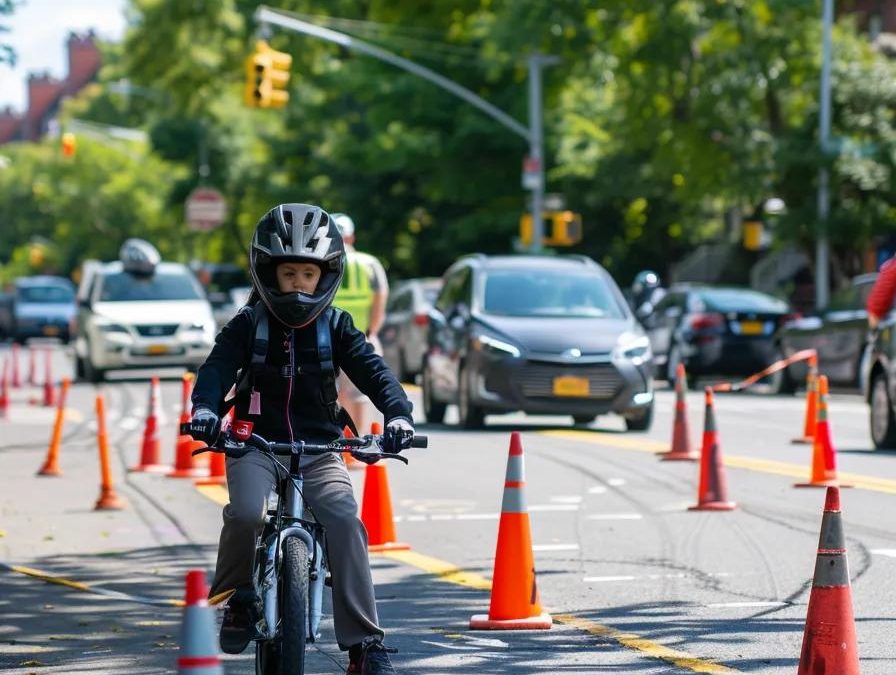
Those bike lanes alongside Havemeyer Avenue mean you’ll often encounter cyclists who might be moving faster than parked traffic. Examiners will be assessing how well you account for these two-wheeled road users. At Havemeyer, you absolutely need to integrate regular mirror checks, clear shoulder checks, and smooth, reduced-speed merging to ensure safe gaps when changing lanes or making turns. Traffic can shift from slow local flows to quick bursts of commuter activity, so keep your speed adaptable and maintain a defensive following distance to avoid any sudden braking that examiners might flag.
Make sure to practice these specific observation routines: check your left, right, and center mirrors, then perform a thorough shoulder check before *any* lateral movement. These repeated, structured checks will build a reliable habit, helping you avoid common failures related to blind-spot omissions and cyclist encounters.
Mastering the Havemeyer Avenue Driving Test Route: Your Path to Success!
Successfully navigating the Havemeyer Avenue road test route means combining what you’ve learned about the route with calm, consistent driving routines that examiners will instantly recognize as safe and legal. The route typically involves a series of neighborhood intersections, short blocks, and curbside maneuvers, all designed to test your observation, signaling, and correct lane choices. Approach every intersection with the examiner’s standards in mind—think full stops when required, thorough scanning, and picking the right turn lane—and you’ll significantly boost your chances of a clean drive. Consistent practice on the route’s common turns, paired with focused drills on parking and three-point turns, will directly translate into measurable improvements on test day.
- Approach every intersection with reduced speed, scanning thoroughly for cross traffic and pedestrians.
- Signal at least 100 feet before your turn (when safe), and remember to cancel it after you’ve completed the turn.
- Choose the correct lane early for left or right turns to avoid any last-second lane changes.
- Use smooth, steady acceleration after turns to blend seamlessly with local traffic flow.
- Only perform lane changes after your mirrors and a shoulder check confirm a safe gap.
These practical steps help you build a sequence you can rehearse until each movement feels automatic, making it less likely for examiners to spot any hesitation faults.
What Are the Key Turns and Intersections on the Havemeyer Road Test Route?
The Havemeyer Avenue road test route frequently features short T-intersections and staggered cross streets. Both left and right turns here demand precise lane positioning and keen observation. Examiners are looking for solid lane discipline on approach, accurate signaling, and your ability to judge safe gaps for turns, even with parked cars potentially limiting your view. Practice these intersection types, paying close attention to those final-look checks and gradual speed reduction to show excellent control and meet examiner expectations.
- T-intersections: Come to a full stop, scan both directions thoroughly, then proceed only when clear and safe.
- Right turns onto narrower side streets: Hug the curb closely and keep an eye out for cyclists before turning.
- Left turns across traffic: Get into the proper lane early and yield to oncoming flow with a steady, confident gap assessment.
- Staggered or offset intersections: Re-center your vehicle and rescan between segments to account for any obstructed sightlines.
Following each of these numbered intersection routines will help you avoid angle errors and signaling omissions that often lead to examiner deductions.
Which Maneuvers Are Absolutely Essential to Master at Havemeyer Avenue?
Certain maneuvers are absolutely critical for passing at Havemeyer Avenue and should be practiced until they’re second nature: parallel parking, three-point turns, controlled lane changes, and your pre-test vehicle inspection. Each maneuver tests a unique skill set—think spatial judgment for parking, sharp observation and planning for three-point turns, and consistent scanning for lane changes. Mastering these will lead to predictable, examiner-friendly behavior and significantly reduce any subjective faulting.
- Parallel parking: Align correctly, back slowly, and make small, precise adjustments rather than big steering inputs.
- Three-point turn: Clear traffic, position yourself close to the curb, and execute with deliberate checks between each movement.
- Lane changes: Signal early, check your mirrors, perform a shoulder-check, and move smoothly without sudden swerves.
- Vehicle inspection: Double-check your lights, signals, and seatbelts *before* the examiner arrives to avoid an immediate dismissal.
How to Nail Parallel Parking at Havemeyer Avenue?
Parallel parking on Havemeyer demands a compact, step-by-step approach, especially with those narrow curb clearances and typical Bronx curb heights. Start by aligning your vehicle parallel and about one to two feet away from the reference car. Check your mirrors, then signal your intent. Reverse slowly, turning the wheel to angle the rear into the space. Make small steering corrections to straighten your vehicle, aiming for less than 12 inches from the curb if possible. Keep those mirror and shoulder checks constant throughout the entire maneuver, and correct forward or backward in tiny increments to avoid any curb strikes.
- Align with the reference car and set your parking brake if needed.
- Reverse at a walking pace, steering to angle your vehicle toward the curb.
- Make small corrections to center the car, finish with wheels straightened, and perform a final safety check.
These concise steps help minimize common faults like hitting the curb, parking too far from the curb, or forgetting to check your surroundings during the maneuver.
What Are the Best Practices for the Three-Point Turn on Havemeyer?
A three-point turn at Havemeyer needs to be executed with safety-first checks and controlled movements, respecting the limited road width and local traffic. Begin by signaling and checking both directions thoroughly. Then, steer towards the curb, getting close enough to reverse without overcorrecting. Pause between each stage of the turn to rescan your environment; avoid rushing and maintain slow, precise steering inputs. If the road width isn’t enough or traffic makes the maneuver unsafe, politely ask the examiner if an alternative turning method is permitted.
- Signal and check mirrors, then position your vehicle for the initial turn.
- Advance slowly into the pivot, stop, reverse while checking all around, then complete the final forward movement.
- Pause between each movement to actively look for oncoming vehicles and pedestrians.
These staged actions clearly demonstrate your awareness of road safety and examiner expectations, significantly reducing the chance of lane encroachment or collision faults.
Common Mistakes at Havemeyer Bronx Road Test Site (and How to Avoid Them!)
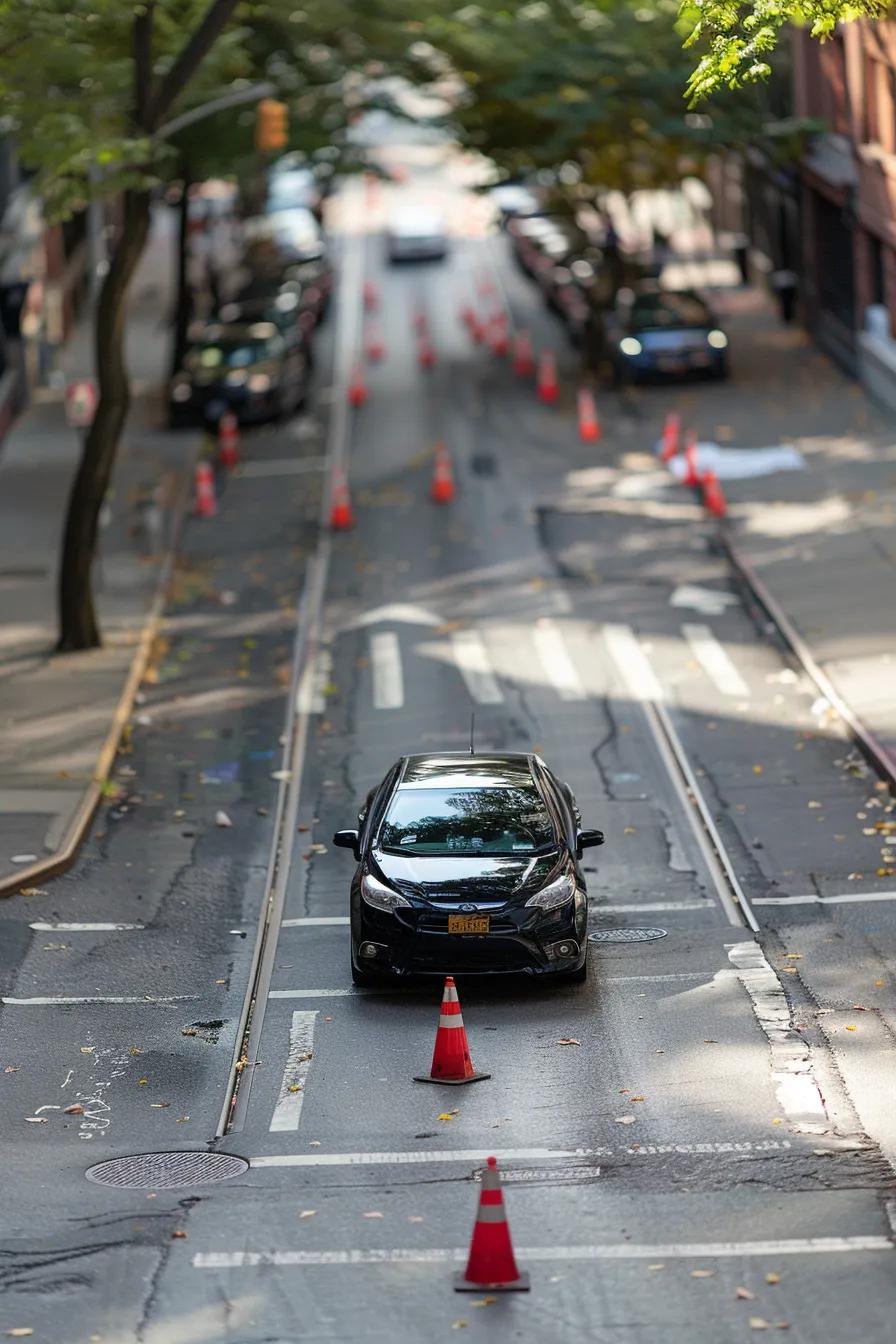
Spotting frequent errors at Havemeyer Avenue means you can target your practice and directly reduce your risk of failure. Common patterns include incomplete stops, missed shoulder checks, poor parallel parking alignment, and incorrect speed control near bike lanes. Examiners typically mark faults when drivers show inconsistent scanning, hesitation at intersections, or abrupt steering that compromises safety. Our systematic corrective plan—combining repetitive drills, mock tests, and focused observation routines—will tackle these weak points and turn them into strengths long before test day.
This list highlights the most common mistakes, along with concise corrective actions you can apply during your practice.
- Incomplete stops: Practice coming to a *full* stop with the engine idling. During mock runs, look both ways and even verbalize “stop complete” to reinforce the habit.
- Missed blind-spot checks: Build a “mirror-then-shoulder” habit for *every* lane change and rehearse it until it becomes second nature.
- Parallel parking errors: Use specific reference point drills and count-based backing techniques to dramatically improve your consistency.
- Speeding or creeping: Use visual cues (like crosswalks or parked cars) to help you calibrate safe, legal speeds and maintain steady control.
- Signal misuse: Signal early and only cancel *after* your turn is fully completed to clearly demonstrate your intent and awareness.
What Errors Lead to the Most Failures at Havemeyer Avenue?
Failures at Havemeyer most often come from easily observable, repeatable errors: forgetting to check blind spots when merging or turning, incorrect parallel parking technique, rolling through required stop signs, and unsafe interactions with cyclists in adjacent lanes. Each of these errors directly impacts the safety evaluation criteria examiners use to decide if you pass or fail. Understanding *why* each error matters—blind spots create collision risk, rolling stops reduce control, parking mistakes show poor spatial judgment—will help you focus your drills on the underlying skill, not just the symptom.
- Blind-spot omissions: Fix this by practicing thorough shoulder checks before *every* lateral move.
- Parking faults: Correct these with staged backing drills and immediate curb-distance feedback.
- Rolling stops: Rehearse full, complete stops with mental checkpoints to ensure your vehicle comes to a total halt.
- Cyclist interactions: Practice merging slowly and always allowing clear, ample space for two-wheeled road users.
How Can You Mentally and Physically Prepare to Ace Your Test?
Your mental and physical preparation directly impacts your performance at Havemeyer. Mental rehearsal, getting enough rest, and realistic mock tests will significantly reduce anxiety-driven errors and keep your mind sharp during the exam. Create a short, repeatable pre-test routine: try some breathing exercises, quickly run through a checklist of maneuvers, and do a warm-up drive to reacquaint yourself with the vehicle controls. Physically, make sure you’re well-rested and hydrated, and that your vehicle is in top shape for predictable handling. Mentally rehearsing observation sequences and intersection routines will reduce hesitation and foster those automatic, examiner-friendly responses.
- Daily practice plan: Aim for 30–45 minutes focusing on one specific maneuver, plus 15 minutes of route familiarization.
- Mock test routine: Simulate the *entire* test under timed conditions to build your endurance and confidence.
- Day-before checklist: Get plenty of rest, double-check all vehicle inspection items, and mentally rehearse your key maneuvers.
Ready to Book Your Road Test at the Havemeyer Bronx DMV Location?
Booking your road test at the Havemeyer Bronx DMV location can be done through official DMV channels or via trusted third-party appointment services that offer expedited scheduling tiers. Official DMV scheduling often depends on availability and can mean multi-week waits, which is why many applicants choose reputable expedited services to shorten that wait time. When you’re ready to book, have your learner permit details and preferred testing windows handy. Also, consider off-peak dates to boost your chances of snagging a favorable time slot. We provide clear details on all available scheduling options to help you choose between economy and speed.
What Are Your Road Test Scheduling Options and Prices?
Road Tests NY offers a tiered appointment scheduling service that many New York applicants rely on to cut down standard DMV wait times and secure specific test locations like Havemeyer Avenue. Our pricing for the Road Tests NY service is structured by how quickly you need it: the Regular option is $25.00 with an expected 6–10 week wait, our Rush service is $90.00 targeting 1–3 weeks, and the Super Rush option is $150.00 aiming for appointments within just one week. These clear price points let you choose the perfect balance between cost and speed, keeping your booking transparent.
When you’re deciding which scheduling tier is right for you, think about your current preparation level. Expedited bookings make perfect sense if you’re already practice-ready and just need an available slot, fast!
How Does Road Tests NY Get You a Faster Havemeyer Road Test Appointment?
Road Tests NY operates as a privately owned online appointment booking service, dedicated to helping New York residents secure road test reservations at specific DMV sites, including Havemeyer. We do this by offering expedited scheduling tiers. Our efficient workflow matches your applicant information with available slots and prioritizes your booking based on your chosen service tier—Regular, Rush, or Super Rush. This means you can select a timeline that perfectly matches your readiness and urgency. While using an expedited service can definitely shorten your calendar wait for a test, remember to pair it with focused practice to make the absolute best use of that earlier appointment!
If cutting down your wait time is a priority while you continue your targeted route practice, consider an expedited scheduling tier to align your testing date with your readiness.
What to Bring & How to Prepare for Your Havemeyer Bronx Road Test Day?
Getting your documents in order, ensuring your vehicle is ready, and completing practice-oriented courses will significantly boost your chances of a smooth acceptance and a fair examination at Havemeyer. The NY DMV requires specific identification and permit verification, and examiners will visually inspect your test vehicle for valid registration, an inspection sticker, functioning lights, and seatbelts. A structured checklist will streamline your pre-test tasks and help you avoid immediate rejection due to preventable vehicle or documentation failures. Plus, complementing your logistical prep with focused training coursework will further improve your performance on those maneuvers that are especially emphasized at Havemeyer.
Make sure to review this checklist the night before to ensure absolutely nothing is overlooked and to reduce any last-minute stress on test morning.
Which Documents and Vehicle Requirements Are Absolutely Mandatory for Your Test?
On test day, you *must* present a valid learner permit and any identity documents required by the NY DMV. You also need to supply a test vehicle that meets all safety and registration standards. Examiners will meticulously check your vehicle’s registration, inspection sticker, signal and brake lights, horn, and seatbelts. Any malfunction in these areas can lead to rejection before your test even begins! Ensuring your car is clean, has properly inflated tires, and fully functioning controls will help you avoid avoidable administrative failures and keep the focus squarely on your driving performance during the evaluation.
Prepare a short pre-drive checklist to go through at least 15 minutes before your scheduled appointment. This will confirm every required item is present and functioning perfectly. You can find more information at find a test center.
How Can Our Online Courses and Pre-Licensing Help You Pass at Havemeyer?
Formal preparation courses significantly reduce your risk of failure by breaking down common test maneuvers into easy-to-follow practice drills. They also teach standardized observation and defensive-driving routines that perfectly align with examiner expectations. Road Tests NY offers paid preparation resources that perfectly complement your on-road practice: our New York State Road Test Preparation Course, priced at $75.00, focuses on route-aware skills and maneuver drills. And our Driving Foundations 101, at $49.00, covers core defensive driving concepts and practical checklists for test day. These offerings are specifically designed to reinforce the precise skills that tend to determine pass rates at sites like Havemeyer.
Using our targeted courses alongside repeated route practice will build both your confidence and the precise habits examiners evaluate during the Havemeyer Bronx road test.
What Are Other New Yorkers Saying About the Havemeyer Avenue Road Test Site?
Feedback from test-takers at the Havemeyer Avenue road test site consistently highlights the location’s tight parking spaces, active bike lanes, and examiners’ keen focus on observational habits. This reflects a common pattern across many reviews. Many applicants report that success at Havemeyer truly hinges on clean, well-practiced maneuvers and calm, confident decision-making when facing neighborhood traffic. Common praise often centers on predictable examiner behavior when drivers clearly demonstrate signaling and consistent mirror checks, while complaints sometimes mention limited parking clearance and occasional obstructions from delivery vehicles.
Summarizing these peer experiences can help you prioritize your practice areas and choose comparative practice locations that truly match Havemeyer’s demands.
What Are the Common Experiences and Reviews from Havemeyer Test Takers?
Recurring themes from Havemeyer test-taker reports include appreciation for straightforward examiners when drivers show prepared, consistent technique, and frequent notes about failures tied to parking or missed shoulder checks. Test-takers often advise arriving early, warming up with a short practice drive near the test site, and focusing intently on precise parking references. These shared experiences strongly suggest that replicable habits, rather than last-minute corrections, reliably lead to better outcomes at Havemeyer.
How Does Havemeyer Stack Up Against Other Bronx Road Test Sites?
Compared with other Bronx road test sites like Strang Avenue, Riverdale, and Zarega Avenue, Havemeyer is often rated as moderately difficult. It’s generally more challenging than wide-lane suburban routes but typically less complex than sites with heavy highway merging or multi-lane arterial turns. Havemeyer truly favors drivers who excel at low-speed precision and cyclist awareness, while other sites might emphasize high-speed lane merging or long-distance steering control. Choose Havemeyer if you want focused practice on tight parking and close-quarters observation. Consider alternate sites if your main weaknesses are limited to high-speed lane merging.
- Strang Avenue: Generally features wider streets and easier parking, making it a good choice for beginners.
- Riverdale: Can include higher-speed segments, making it better for practicing merging skills.
- Zarega Avenue: Offers similar urban density and comparable maneuver complexity to Havemeyer.
For applicants ready to align an earlier test date with targeted practice, consider our expedited scheduling options and focused preparation courses to perfectly match your readiness level and timeline. If you want assistance finding a less busy Havemeyer appointment while you finalize your practice, an expedited booking tier can secure a test date sooner. Likewise, a targeted preparation course can sharpen your parallel parking and blind-spot routines well ahead of that appointment.
Frequently Asked Questions
What Should You Do If You Don’t Pass Your Havemeyer Road Test?
If you don’t pass your Havemeyer road test, it’s important to stay calm and really understand *why*. Review the examiner’s feedback carefully to pinpoint specific areas for improvement, like parallel parking or those crucial blind-spot checks. Take the time to practice these skills thoroughly before you reapply. You can schedule a retest after a waiting period (which varies by state). Consider taking a few extra lessons with a driving instructor to truly refine your techniques and boost your confidence for your next attempt.
How Can Weather Conditions Affect Your Driving Test?
Weather conditions can definitely make a big difference to your driving test experience at Havemeyer. Rain, snow, or fog can reduce visibility and make road surfaces slippery, which means you’ll need to drive even more cautiously. Examiners will be assessing your ability to adapt to these conditions, including maintaining safe speeds and proper following distances. If severe weather is in the forecast for your test day, it’s wise to consider rescheduling for a safer time. Practicing in various weather conditions can also really help you prepare for any unexpected challenges during the test.
Are There Specific Times When the Havemeyer Test is Easier?
While the difficulty of the Havemeyer road test can certainly vary with traffic patterns, many applicants find that scheduling their test during off-peak hours—like mid-morning or early afternoon—can lead to a much less stressful experience. During peak hours, you might encounter heavier traffic and more cyclists, which can increase the complexity of the test. Observing local traffic trends and choosing a time when the roads are typically quieter can help you focus better and perform your best during your test.
What Are the Best Ways to Manage Test Day Anxiety?
Managing test day anxiety is absolutely crucial for performing well at Havemeyer. Start by preparing thoroughly in advance, which includes practicing all maneuvers and really familiarizing yourself with the test route. On the day of the test, arrive early to give yourself time for a quick warm-up drive. Engage in relaxation techniques, such as deep breathing or visualization, to calm your nerves. Remember, it’s totally normal to feel anxious, but focusing on your solid preparation and maintaining a positive mindset can truly help you stay composed throughout the test.
Can I Use My Own Car for the Havemeyer Test?
Yes, you absolutely can use your personal vehicle for the Havemeyer road test, provided it meets the NY DMV’s safety and registration requirements. Make sure your vehicle is in excellent working condition, with functioning lights, seatbelts, and a valid inspection sticker. It’s also a good idea to clean your vehicle and check tire pressure before the test. Using a familiar vehicle can help you feel much more comfortable and confident during the test, as you’ll already be accustomed to its handling and controls.
What If I Have Special Needs During the Test?
If you have special needs that might affect your driving test, it’s really important to communicate these to the DMV when you schedule your appointment. They may be able to offer accommodations, such as additional time or the use of adaptive equipment. Be sure to inform your examiner on the day of the test about any specific requirements you have. Preparing in advance and openly discussing your needs can help ensure a much smoother testing experience and allow you to focus on confidently demonstrating your driving skills.
About the Author
Alex Rodriguez
Certified Driving Instructor & Road Test Expert
Alex Rodriguez is a highly experienced certified driving instructor with over 15 years of dedicated service in New York City. Specializing in road test preparation for challenging sites like Havemeyer Avenue, Alex has guided hundreds of students to success. His expertise lies in breaking down complex maneuvers, understanding examiner expectations, and providing practical, real-world strategies for safe and confident driving. Alex is passionate about fostering skilled drivers and is a trusted voice in driver education.