
When it comes to the NY road test, many new drivers often feel the most nervous about parallel parking. Whether you’re taking your test in New York City or another part of the state, parallel parking is an essential skill to master. Successfully completing this maneuver during your road test is a key part of showing that you are prepared to drive safely in busy environments. In this blog, we’ll walk you through the NY road test expectations, specifically regarding parallel parking, and provide expert tips to help you excel.
What is Parallel Parking on Your NY Road Test?
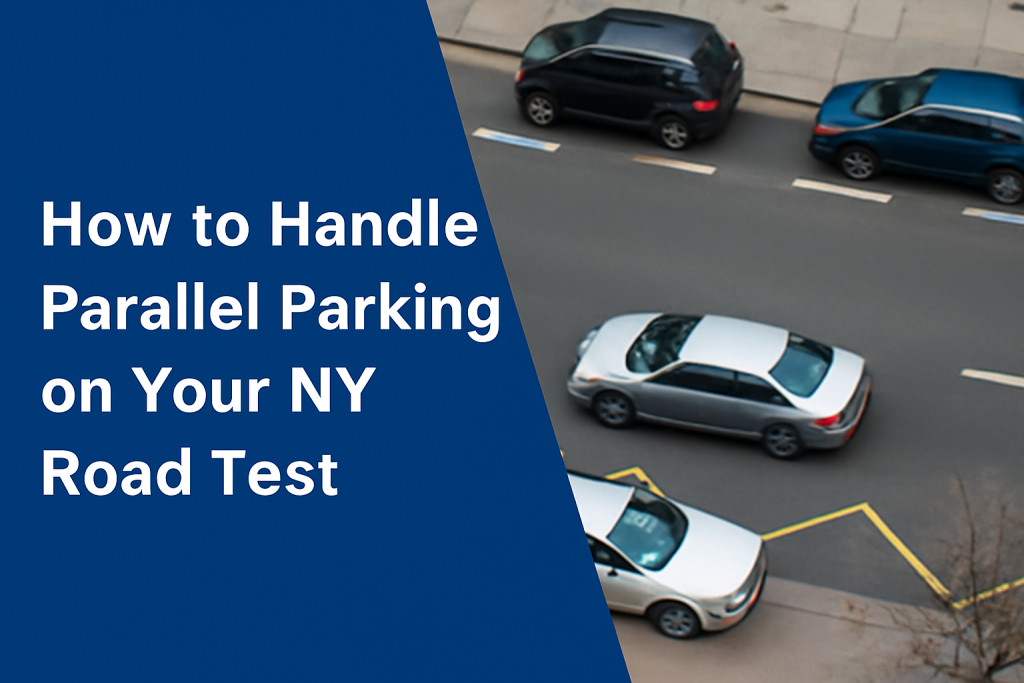
Parallel parking involves maneuvering your car into a parking space between two parked vehicles. The ability to perform this task smoothly and safely is essential for your NY road test, as it demonstrates your control of the vehicle and your awareness of your surroundings. Parallel parking is often one of the most stressful parts of the exam, but with the right preparation and technique, you can handle it with confidence.
1. NY Road Test Expectations for Parallel Parking
When you take your NY road test, here’s what you can expect regarding parallel parking:
- The Test Setup: The examiner will guide you to a parallel parking space, which is usually located between two cars parked along the curb.
- Timing: You will have plenty of time to complete the parking maneuver, but the examiner will be observing your speed and control throughout the process.
- Key Skills: The examiner will evaluate your ability to:
- Signal before performing the maneuver
- Reverse into the parking space without hitting the curb or other vehicles
- Make smooth adjustments to position the car properly
- Maintain control of the vehicle throughout the process
2. Step-by-Step Guide to Parallel Parking for Your NY Road Test
While parallel parking might feel intimidating, breaking it down into steps can help you remain calm and focused during your NY road test.
Step 1: Signal Your Intentions
Before you begin, signal to indicate you are about to park. Signaling is not just required by law but also shows the examiner that you are aware of other traffic on the road. Be sure to use your turn signal well in advance.
Step 2: Position Your Car
Align your vehicle parallel to the parking space, leaving about 2–3 feet of space between your car and the parked vehicles. This distance allows enough room for you to maneuver without hitting the other cars.
Step 3: Check for Obstacles
Before you start reversing, check your mirrors and blind spots to ensure the area around you is clear of pedestrians, cyclists, or other vehicles. This is a critical step that demonstrates your awareness of the surroundings.
Step 4: Reverse Into the Parking Space
Slowly begin reversing into the parking space while turning the steering wheel in the direction of the space. Use your mirrors and rearview camera (if available) to guide your car. Take it slow there’s no need to rush through this maneuver.
Step 5: Straighten the Wheel
Once the back of your car is in the parking space, straighten the wheel to ensure the front of your car is properly aligned with the parking lines. This step ensures that you don’t leave your car too far from the curb.
Step 6: Make Adjustments
If necessary, pull forward and back again to ensure that your car is centered within the lines of the parking space. Try to park with about 6–12 inches from the curb to avoid blocking traffic.
3. Common Mistakes to Avoid During Parallel Parking
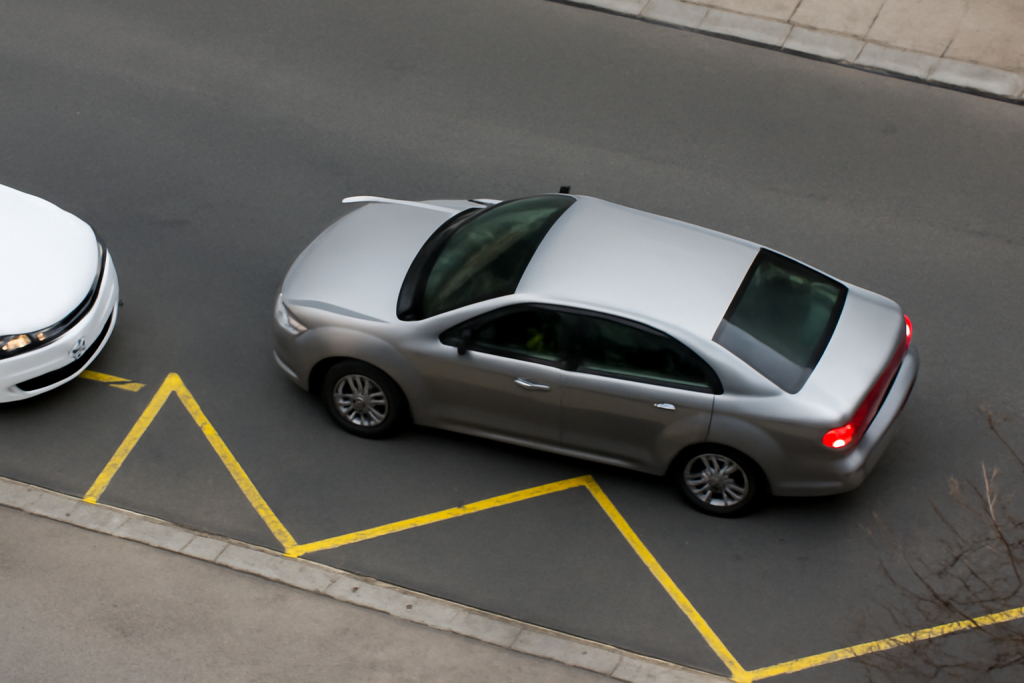
Many first-time road test takers fail the parallel parking portion due to common mistakes. Here’s a list of things to avoid:
- Not Signaling: Failing to signal is a common mistake and can result in an immediate point deduction or failure. Always use your signal before parking.
- Not Using Your Mirrors: Not checking your mirrors is a dangerous habit. Always use your mirrors and check your blind spots before and during the maneuver.
- Hitting the Curb: You should aim to park as close as possible to the curb but avoid hitting it. Getting too close to the curb is acceptable, but hitting it will result in a penalty.
- Rushing: Trying to parallel park too quickly can cause mistakes. Take your time, move slowly, and focus on making precise movements.
- Oversteering: Overturning the wheel can cause you to veer out of the parking space or hit the car in front or behind. Make small adjustments instead of sharp turns.
4. Practice Makes Perfect: How to Prepare for the Parallel Parking Portion of Your NY Road Test
To succeed at parallel parking, you must practice regularly. Here are some ways you can prepare:
1. Practice in Various Settings
Find safe, quiet areas like empty parking lots or residential streets to practice parallel parking. Try practicing with different types of vehicles and parking spaces. This will help you get a feel for how much space you need and what it feels like to maneuver your car in tight spots.
2. Take a Driving Lesson
If you want to ensure you’re fully prepared, consider enrolling in a road test preparation program in NYC. An instructor can offer hands-on lessons and tips tailored to the NY road test expectations. At Road Tests NY, we specialize in helping drivers pass the parallel parking portion of the road test by providing expert guidance and practice.
3. Practice in Different Weather Conditions
If possible, try practicing parallel parking in different weather conditions, such as during rain, fog, or snow. The test conditions might not always be ideal, and being prepared for a variety of scenarios can help you feel more comfortable on the day of the test.
5. How Road Tests NY Can Help You Pass Your Road Test
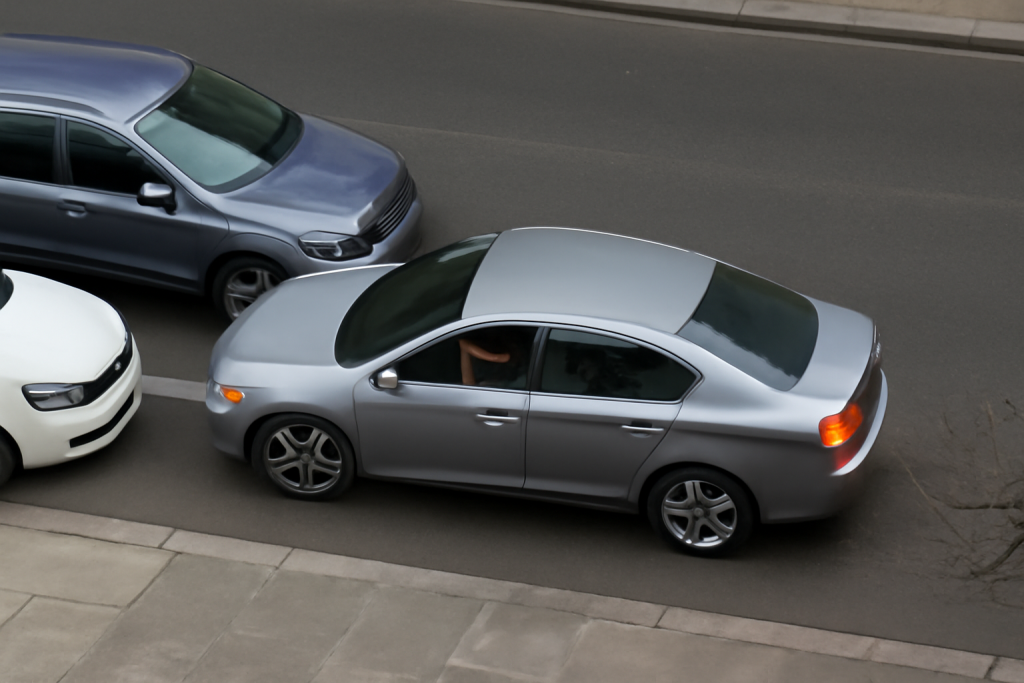
At Road Tests NY, we understand how important it is to be well-prepared for your NY road test. Our road test preparation program NYC offers personalized lessons and training sessions designed to give you the skills and confidence you need to succeed. Whether you’re struggling with parallel parking or other parts of the road test, our experienced instructors are here to guide you every step of the way.
Our program focuses on:
- Parallel parking practice
- Understanding traffic rules
- Driving in city conditions
- Mock road tests to simulate the real exam
By enrolling in our program, you’ll get the hands-on experience you need to confidently navigate the NY road test and pass with ease.
Parallel Parking and the NY Road Test
1. How many attempts do I have to parallel park during the NY road test?
You generally have one attempt to parallel park. If you fail the maneuver, you may be unable to continue with the rest of the road test.
2. What if I make a mistake while parallel parking?
Minor mistakes, such as hitting the curb lightly or making a small adjustment, may not cause you to fail. However, if you make significant errors or block traffic, you could fail the test.
3. Can I use the rearview camera during my road test?
Yes, you can use your car’s rearview camera, but it’s important not to rely solely on it. You should also check your mirrors and use your own judgment during the maneuver.
4. How far should my car be from the curb when parallel parking?
Your car should be about 6–12 inches from the curb to ensure you’re not too far out or too close. Staying within this range will ensure you pass the parking section without issues.
5. How do I handle parallel parking with other vehicles around?
Practice in areas with real cars parked along the street to get used to judging how much space you need. Use your mirrors and adjust your steering to park without touching the other vehicles.
6. Conclusion
Successfully passing the parallel parking portion of your NY road test is crucial for becoming a licensed driver. With consistent practice, careful attention to detail, and a solid understanding of NY road test expectations, you’ll be able to master parallel parking and ace the test.
For more information on our road test preparation program NYC or to schedule your driving lesson, visit Road Tests NY. We’re here to help you become a skilled and confident driver, ready to pass your NY road test and hit the road!