
How to Obtain Your Driver’s License in NYC
Getting a driver’s license in New York City can be a complex process, but understanding the steps and requirements makes it much easier. From obtaining your learner’s permit to booking your road test, each stage requires careful preparation. Fortunately, resources like road test scheduling services and help centers are available to guide you through the process. In this article, we’ll explore the journey to becoming a licensed driver in NYC, covering everything from permit restrictions to road test locations. Keep reading to learn how to navigate the system and get behind the wheel with confidence.
Main Points to RememberKey Takeaways
- New York requires specific steps to obtain a Class D permit and license
- Applicants must gather necessary documents and pass written and road tests
- NYC imposes strict regulations on young and newly licensed drivers for safety
- Digital licenses are now available through a mobile ID app for NYC drivers
How to Get Your First Passenger (Class D) Permit and License
New York residents seeking their first passenger vehicle license must navigate several steps to obtain a Class D permit and license. The process involves verifying eligibility, gathering identity documents, studying for and passing the written test at the driver ite ny, completing a pre-licensing course, and successfully passing the road test. Aspiring drivers must familiarize themselves with new york dmv requirements and prepare thoroughly to earn the privilege of operating a car on state roads. This guide outlines the key stages in obtaining a license, from initial preparation to final road test book road test success.
Check if You Are Eligible for a Class D License
New York State requires drivers to meet specific eligibility criteria before obtaining a Class D license. Applicants must be at least 16 years old, provide proof of identity and residency, and pay the required fee to the New York State Department of Motor Vehicles. For more information on road test locations, help center assistance, or frequently asked questions, applicants can access our road test scheduling services.
Prospective drivers need to pass a written test, complete a pre-licensing course, and hold a learner’s permit for a minimum period before taking the driving test. The DMV also mandates that applicants have supervised driving practice and maintain a clean driving record during the permit phase.
Gather Required Documents for Identity Verification
Aspiring drivers in NYC must gather specific documents to verify their identity when applying for a Class D permit and license. The New York DMV requires proof of identification, which typically includes a social security number and may involve additional documents like a credit card statement or utility bill. Applicants should also be prepared to provide evidence of residency and legal presence in the United States.
It’s crucial to have all necessary paperwork in order before visiting the DMV, as incomplete documentation can delay the licensing process. The DMV website provides a comprehensive list of acceptable documents, which may vary depending on an applicant’s age and circumstances. Individuals with a history of driving under the influence or other legal issues may need to provide additional documentation or face restrictions.
- Proof of identity (e.g., birth certificate, passport)
- Social Security card or number
- Proof of New York State residency
- Completed MV-44 application form
- Payment for fees
Study for the Written Permit Test
Aspiring drivers in New York City must study diligently for the written permit test, which covers traffic laws, road signs, and safe driving practices. The New York State Driver’s Manual, available online and at DMV offices in Brooklyn and Staten Island, serves as the primary study resource for this exam.
To increase their chances of passing, test-takers should familiarize themselves with local regulations, including parking rules enforced by the New York City Police Department and tax-related aspects of vehicle ownership. Some study materials may require a social security number for access, ensuring only eligible residents can prepare for the test.
Schedule and Pass the Written Permit Test
New York City residents can schedule their written permit test at any DMV office, including locations in Queens. Applicants should bring their passport or other accepted forms of identification, along with enough money to cover the test fee and any additional charges.
The written test covers road signs, traffic laws, and safe driving practices. While most people pass on their first attempt, some may need to retake the exam. Those who fail can consult a driving school or even a lawyer for advice, though most find that additional studying is sufficient. After passing, new drivers can practice their skills by observing taxi drivers navigate the city’s busy streets.
Complete Required Behind-the-Wheel Training
New York City residents must complete mandatory behind-the-wheel training before taking their road exam. Learners practice driving skills with a licensed instructor or qualified adult, gaining experience in various traffic situations. Some use popular ride-sharing apps like Uber to observe professional drivers navigating city streets, though this doesn’t count toward official training hours.
Drivers should use a web browser to track their practice hours and review traffic laws. Those with a felony conviction or outstanding traffic ticket may face additional requirements or restrictions. The training period helps new drivers develop confidence and skills needed to pass the road test and drive safely in NYC’s busy environment.
- Schedule lessons with a driving school or qualified instructor
- Practice in different weather conditions and times of day
- Learn to navigate NYC’s unique traffic patterns and rules
- Complete the required minimum hours of supervised driving
- Keep a log of practice hours and skills mastered
Pass the Road Test for Your Class D License
New York City drivers must pass a road test to obtain their Class D license, demonstrating their ability to navigate Manhattan’s bustling streets safely. The test evaluates skills like parallel parking, three-point turns, and obeying traffic signals in real-world conditions.
Aspiring drivers should arrive at the designated testing site with a licensed driver, a registered and insured vehicle, and proper identification. Those who pass receive credit towards their license, while those who fail must wait at least one day before retaking the test in New York.
How to Get Other Permits and Licenses

Beyond the standard Class D license, New York City offers additional permit and license types for specific vehicles and purposes. Motorcycle enthusiasts can pursue a Class M license, while those seeking employment in transportation may need a Commercial Driver License (CDL) for Classes A, B, or C. These specialized licenses often require additional training, including defensive driving courses, and have unique application processes. Applicants should be aware that certain violations can lead to license revocation. The New York DMV provides detailed information in PDF format on their website, outlining the steps and requirements for each license type.
Motorcycle (Class M)
Motorcycle enthusiasts in New York City can obtain a Class M license by completing specific requirements. Applicants must pass a written test, complete a motorcycle safety course, and demonstrate their riding skills during a road test, which may take place in areas like Long Island City.
The DMV has made the process more accessible through a user-friendly app that allows riders to schedule tests and track their progress. Applicants may need to provide a fingerprint for identification purposes, and the motorcycle community often shares tips and resources to help new riders navigate the licensing process.
Commercial Driver License (Class A, B, or C)
New York City residents seeking a Commercial Driver License (CDL) for Class A, B, or C must meet strict requirements. Applicants need to provide photo identification, pass written and skills tests, and submit a medical exam document on any day except Monday. The DMV accepts payment via debit card or other methods.
CDL applicants must also pass a background check and provide proof of legal residence. Some trucking companies offer training programs that help new drivers prepare for the tests and secure employment. Aspiring commercial drivers should check with their bank about special loan options for CDL training costs.
Younger and New Drivers Permit and License Restrictions

New York City imposes strict regulations on younger and newly licensed drivers to promote safety on its bustling streets. These rules, part of the Graduated License Laws, vary based on a driver’s age and experience level. Young motorists face specific limitations on passengers and nighttime driving. While obtaining a license doesn’t require a background check like purchasing a weapon might, new drivers must still follow these regulations closely. Law enforcement officers enforce these rules across all zip codes, so it’s crucial for new drivers to understand and adhere to them, keeping their license receipt handy as proof of their driving status.
Understand Graduated License Laws in NYC
NYC’s Graduated License Laws impose restrictions on new drivers to promote safety while learning. These laws limit activities like mobile phone use and set curfews for nighttime driving. Law enforcement officers strictly enforce these rules throughout the city.
The restrictions vary based on age and experience level, gradually granting more privileges as drivers gain skills. Unlike hunting licenses in other parts of the United States, NYC’s driving laws focus on urban safety concerns. New drivers must understand these laws to avoid penalties and ensure safe driving practices:
Know the Age-Specific Restrictions for Young Drivers
Young drivers in NYC face strict age-specific restrictions to promote safety and reduce accidents. The police enforce a zero-tolerance policy for alcohol consumption, with severe penalties for those caught operating a motor vehicle under the influence. New drivers under 21 must submit an affidavit confirming their understanding of these rules before receiving their license.
Restrictions also limit the number of passengers young drivers can transport and impose curfews on nighttime driving. These rules apply even when using ride-sharing services like Lyft, as young drivers are prohibited from working as professional drivers until they meet age and experience requirements. Gradually, these restrictions ease as drivers gain more experience and reach certain age milestones.
Follow the Passenger and Night Driving Limits
New York City enforces strict passenger and night driving limits for young and new drivers to enhance road safety. These rules restrict the number of passengers a novice driver can carry and impose curfews on nighttime driving, differing from neighboring states like New Jersey. Drivers must demonstrate knowledge of these regulations, which may impact their ability to use a vehicle for work purposes, such as driving a bus.
To comply with these restrictions, new drivers should keep their license information, including their email address, readily available. Employers may require an Employer Identification Number for young drivers seeking work-related driving positions, emphasizing the importance of understanding and following these limits. The following table outlines the key restrictions for young and new drivers in NYC:
Lost, Stolen, or Destroyed Learner Permit Existing Permit Holders
Losing a learner permit in NYC can be stressful, especially for those with an international driving permit or on probation. Whether misplaced in the Bronx or stolen elsewhere, permit holders must act quickly to maintain their driving privileges. The process involves reporting the loss, applying for a replacement, and continuing driver education. Those born outside the US may need to provide a birth certificate. The DMV’s FAQ section offers guidance, but understanding the steps to replace a lost permit is crucial for aspiring drivers to stay on track towards obtaining their full license.
Report the Incident to the DMV Immediately
New York City drivers who lose their learner’s permit must report the incident to the DMV right away. This quick action helps prevent identity theft and ensures the driver can continue their path to full licensure without unnecessary delays.
When reporting a lost permit, drivers may need to provide information about their bank account for verification purposes. The DMV website offers a simple javascript form for reporting lost permits, making the process easier for those comfortable with technology. Drivers should note that certain circumstances, such as failing a drug test, could affect their driving privileges and should be disclosed during this process, regardless of their primary language.
Apply for a Replacement Permit
NYC drivers who lose their learner’s permit must apply for a replacement promptly. The DMV requires specific information to process the request, including details about any misdemeanor convictions or pending imprisonment that could affect driving privileges. Applicants should be prepared to provide their credit history and current lease agreement as part of the verification process.
To obtain a replacement permit, drivers must follow these steps:
- Complete the MV-44 application form
- Provide proof of identity and residency
- Pay the replacement fee
- Visit a DMV office in person or apply online if eligible
- Temporary permit issued while waiting for permanent replacement
Continue Your Driver Education and Training
Losing a learner’s permit in NYC doesn’t mean driver education must stop. Aspiring drivers should continue their training, focusing on areas like defensive driving and traffic law compliance. Those facing court appearances for reckless driving charges should seek guidance from their instructors on how to address these issues while pursuing their license.
The DMV offers resources in various formats, including WAV files, to help drivers with mental health concerns continue their education. Learners should familiarize themselves with the United States Code sections relevant to driving regulations. Continuing education demonstrates commitment and can positively influence the license application process:
- Attend additional driving classes
- Practice with a licensed driver
- Review traffic laws and regulations
- Complete online driving courses
- Participate in defensive driving workshops
Mobile ID Everything Is on Your Phone. Now Your ID Is, Too
New York City drivers can now carry their licenses digitally, thanks to mobile ID technology. This innovative system allows permit holders and licensed drivers to store their credentials securely on their smartphones, eliminating the need for physical cards. To use this convenient feature, individuals must download the official app, link their existing permit or license, and pass a brief inspection to verify their good moral character. The mobile ID serves as a valid form of identification for driving purposes and can streamline processes like TLC applications. While the traditional physical license remains an option, the digital version offers a modern alternative that fits seamlessly into the smartphone-centric lifestyle of many NYC residents.
Download the Official Mobile ID App
NYC drivers can now download the official Mobile ID app to store their license digitally. This innovative app, developed through a network of technology experts, allows users to securely carry their driver’s education credentials on their smartphones.
The app’s file encryption ensures personal information remains protected, offering a convenient alternative to physical licenses. While not yet recognized in Canada, the Mobile ID provides a modern solution for those with driving experience in New York City.
Link Your Existing Learner Permit or License
New York City residents can now link their existing learner permits or licenses to the mobile ID app. The process requires users to enter their permit or license information and complete a quick verification step to confirm their identity.
Once linked, drivers can access their digital ID anytime, anywhere on their smartphones. This convenient feature eliminates the need to carry a physical card and allows for easy updates to personal information directly through the app.
Use Your Mobile ID for Driving and Identification Purposes
NYC drivers now use their mobile IDs for various purposes, from traffic stops to age verification. This digital format speeds up interactions with law enforcement and simplifies identification processes at venues requiring proof of age.
However, users should remember that physical IDs remain necessary for certain situations, like air travel. The mobile ID serves as a convenient backup, reducing the risk of being caught without proper identification in everyday scenarios.
More Information for Permit Holders
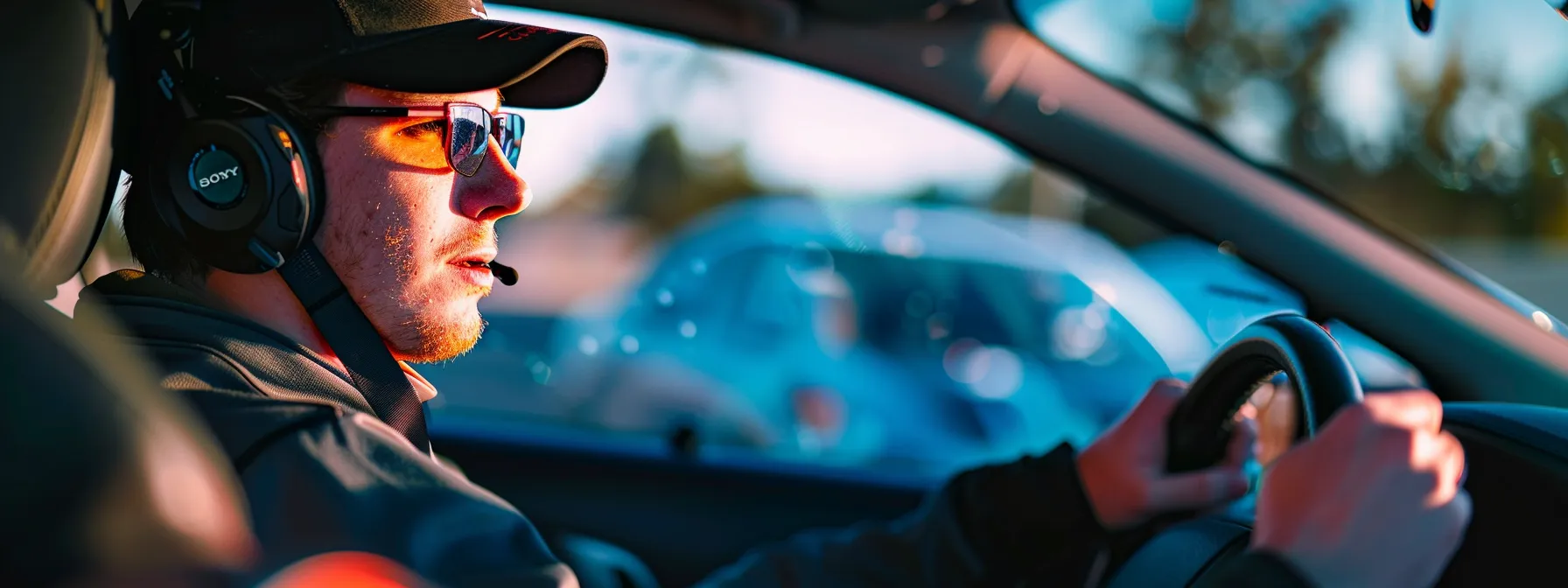
NYC permit holders have numerous resources at their fingertips to enhance their driving skills and knowledge. From online study materials to in-person workshops and community practice sessions, aspiring drivers can take advantage of various opportunities to prepare for their road test. These additional learning options cater to different learning styles and schedules, allowing permit holders to supplement their formal driver’s education with practical experiences and expert guidance. By utilizing these resources, new drivers can build confidence, improve their road safety awareness, and increase their chances of success when it’s time to obtain their full license.
Access Online Resources for Learners
NYC permit holders can access a wealth of online resources to prepare for their road test. The DMV website offers practice tests, study guides, and video tutorials covering essential driving skills and traffic laws. Learners can also use smartphone apps that provide interactive quizzes and virtual driving simulations.
Many driving schools in the city now offer online courses and webinars for permit holders. These programs allow students to learn at their own pace and often include features like progress tracking and personalized feedback. Some even provide virtual reality experiences to simulate real-world driving scenarios without leaving home.
Attend Free Workshops and Seminars
NYC permit holders can attend free workshops and seminars to boost their driving knowledge. These events, often held at community centers or libraries, cover topics like defensive driving, traffic laws, and road safety.
Local driving schools and organizations frequently offer these sessions to support new drivers. Attendees can ask questions, learn from experienced instructors, and network with fellow learners. These workshops provide valuable insights beyond standard driver’s education courses:
- Traffic law updates and local regulations
- Hands-on demonstrations of safe driving techniques
- Q&A sessions with experienced drivers and instructors
- Tips for navigating NYC’s unique traffic challenges
- Information on maintaining and insuring vehicles
Engage in Community Driving Practice Sessions
NYC permit holders can join community driving practice sessions to gain real-world experience. These sessions, organized by local driving schools and community groups, allow learners to practice with licensed drivers in a controlled environment. Participants can improve their skills, build confidence, and learn from experienced mentors.
Some neighborhoods in NYC host regular driving meetups where permit holders can practice parallel parking, navigate busy intersections, and learn local traffic patterns. These informal gatherings provide a supportive atmosphere for new drivers to ask questions and share experiences. Here’s a breakdown of common community driving practice sessions in NYC:
Frequently Asked Questions
What are the steps to get a Class D permit and license in NYC?
To get a Class D permit and license in NYC, you need to study the driver’s manual, pass a written test, complete a 5-hour pre-licensing course, practice driving, and pass a road test. You must also meet age requirements and provide necessary documents throughout the process.
How can I obtain permits and licenses for other vehicle classes?
To obtain permits and licenses for other vehicle classes in New York, visit your local DMV office. Complete the required application, provide proof of identity and residency, pass a written test, and pay the appropriate fees. Additional requirements may vary depending on the specific vehicle class you’re pursuing.
What restrictions apply to younger and new drivers in NYC?
New York City enforces strict rules for young and new drivers. These include a night driving curfew, passenger limits, and zero tolerance for alcohol. New drivers must complete supervised practice hours and pass road tests. Additional restrictions apply to those under 18, such as required driver education courses.
How do I replace a lost, stolen, or destroyed learner permit?
To replace a lost, stolen, or destroyed learner permit in New York, visit a DMV office with proper identification and proof of name. Fill out an MV-44 form, pay the replacement fee, and provide a police report if the permit was stolen. A new permit will be issued on the spot.
What is the Mobile ID and how can I use it?
The Mobile ID is a digital version of your driver’s license or state ID stored on your smartphone. You can use it as a secure form of identification at participating locations, such as airports, stores, or government offices, where it’s accepted as an alternative to a physical ID card.
Conclusion
Obtaining a driver’s license in NYC requires careful preparation and adherence to specific steps. Aspiring drivers must verify eligibility, gather necessary documents, study diligently for tests, complete required training, and navigate age-specific restrictions. The process, while rigorous, ensures new drivers possess the skills and knowledge needed to safely operate vehicles in the city’s challenging urban environment. By following the outlined procedures and utilizing available resources, New Yorkers can successfully acquire their driver’s license and gain the independence that comes with operating a vehicle in one of the world’s most vibrant cities.