Taking the road test in New York can feel intimidating, especially if you have limited driving experience. However, with the right preparation and understanding of the NY road test scoring system, you can increase your chances of passing the test. Whether you’re a new driver or someone who’s just a bit nervous behind the wheel, this guide will give you the knowledge and tips you need to succeed in your road test.
Understanding the NY Road Test Scoring System: A Key to Passing with Confidence
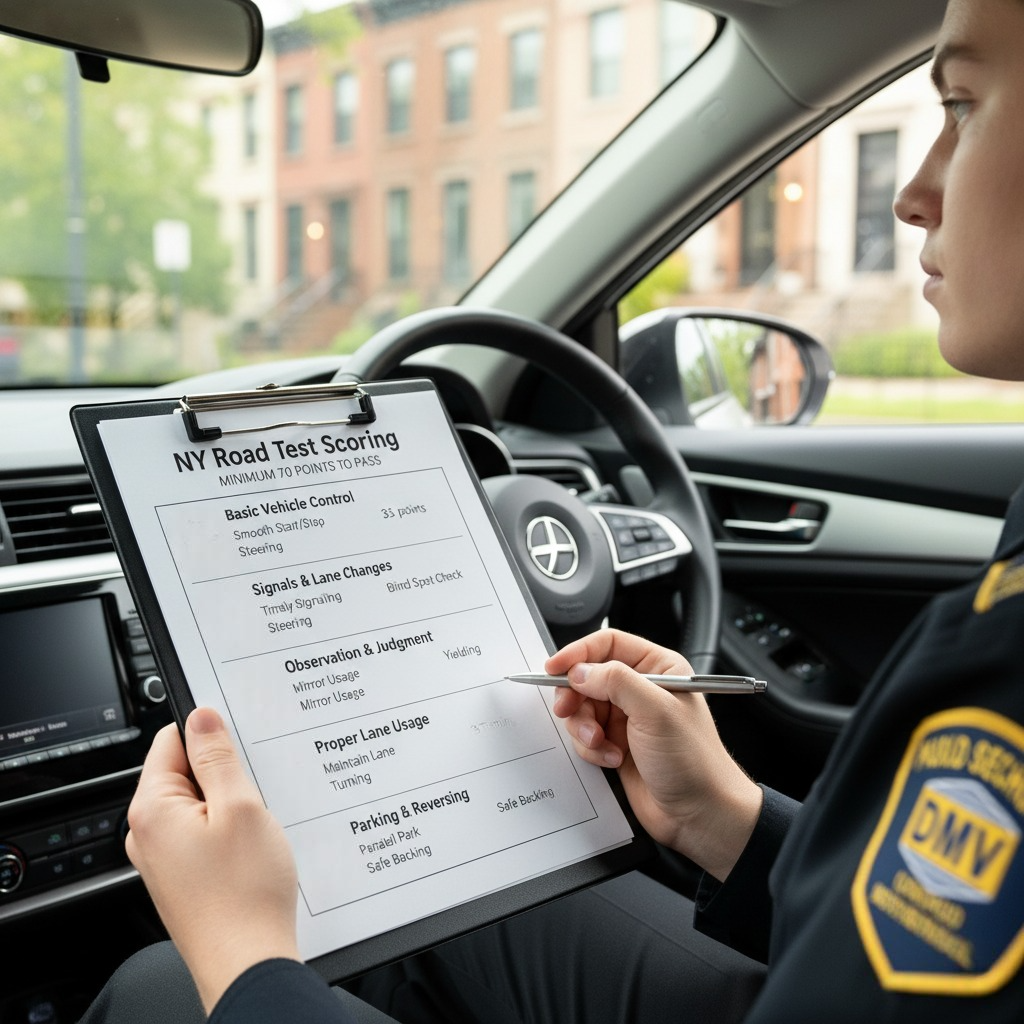
The NY road test scoring system is designed to assess your ability to drive safely while following traffic laws. It evaluates your skills, attention to detail, and judgment during the test. The scoring is divided into several categories, and each category is awarded a specific number of points. You’ll need a minimum score of 70 out of 100 points to pass.
Here’s a breakdown of the key areas assessed during your road test:
- Basic Vehicle Control (35 points): This area focuses on how smoothly you start, stop, accelerate, and steer the vehicle. Maintaining control of the car is crucial, and this section evaluates your ability to do so without jerking the car or making abrupt movements.
- Use of Signals and Lane Changes (30 points): Signaling is an important part of the test. You must signal before making lane changes or turns, and this section evaluates whether you do so in a timely and appropriate manner.
- Observation and Judgment (25 points): This part of the test looks at your ability to make sound judgments about traffic situations. It involves checking your surroundings, using mirrors frequently, and making decisions about yielding to pedestrians or other vehicles.
- Proper Lane Usage (20 points): Maintaining the correct lane position, especially when making turns or merging, is vital. This section evaluates how well you follow lane markers and your ability to stay within the lines.
- Parking and Reversing (20 points): Whether it’s parallel parking or backing up safely, your ability to park and reverse the car correctly is another key part of the evaluation.
Tips for Passing Your NY Road Test with Limited Driving Experience
Even with limited driving experience, it is possible to pass the NY road test. Here are some practical tips that can help you succeed:
1. Practice Basic Vehicle Control
For those with limited driving experience, basic vehicle control can be a challenge. Focus on:
- Smooth Starts and Stops: Practice accelerating and braking gently to avoid jerking motions. Try to stop in a controlled manner, especially at intersections.
- Steering Control: Keep your hands at the “9 and 3” or “10 and 2” positions on the steering wheel to maintain control.
Even if you’re a newer driver, focusing on these basics will help you perform well during your road test.
2. Master Signaling and Lane Changes
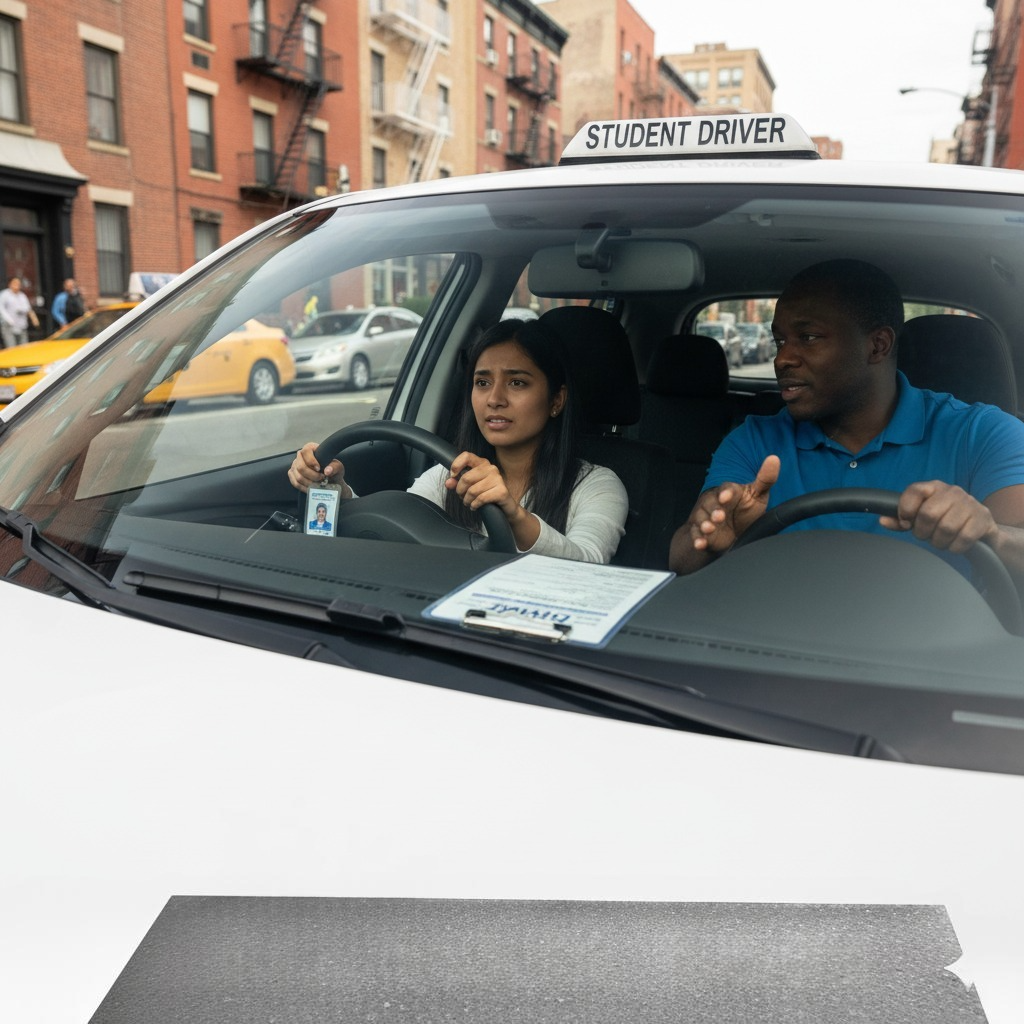
A common mistake new drivers make is forgetting to signal or signaling too late. Proper signaling is essential, as failure to do so can result in point deductions. To improve:
- Signal Early: Always signal well before you change lanes or turn. Ideally, signal at least 100 feet before making a turn or lane change.
- Practice Lane Changes: On quiet streets or highways, practice making lane changes, ensuring you check mirrors and blind spots before switching lanes.
3. Stay Aware of Your Surroundings
Being aware of your environment is crucial to passing the NY road test. During the test, the examiner will evaluate your ability to:
- Check Mirrors Frequently: Make it a habit to glance at your mirrors every few seconds, especially before making lane changes or turns.
- Look Over Your Shoulder: When changing lanes, always check over your shoulder to ensure there are no vehicles in your blind spots.
Being vigilant and aware of pedestrians, cyclists, and other vehicles around you will demonstrate your ability to drive safely.
4. Don’t Worry Too Much About Parking and Reversing
Parking and reversing are often the most stressful parts of the road test, but they are manageable with practice:
- Parallel Parking: Practice parallel parking between two cars. Go slowly and make small adjustments to avoid hitting any obstacles.
- Reversing: Find a quiet area to practice reversing, paying attention to both mirrors and looking over your shoulder. The goal is to reverse safely and without hitting anything.
With enough practice, you’ll build the muscle memory needed for these maneuvers.
5. Manage Your Nerves
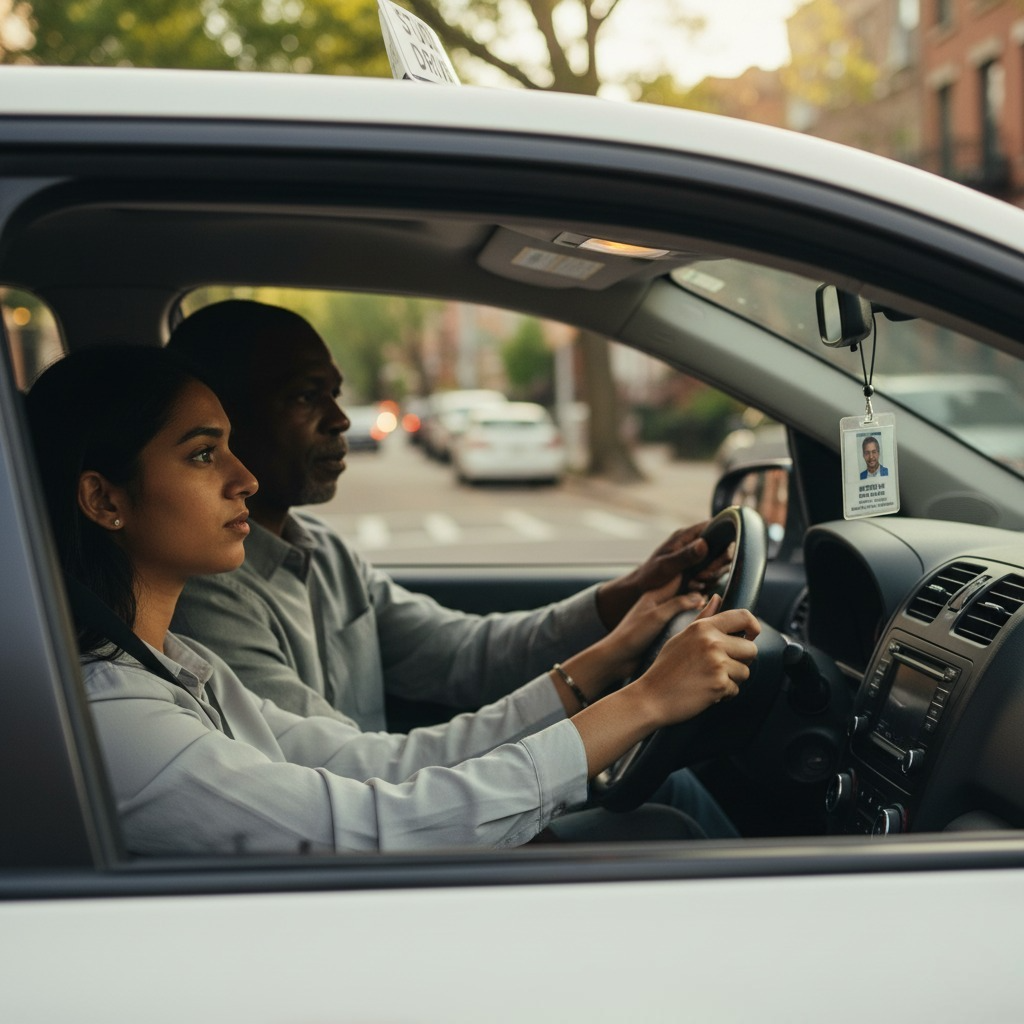
It’s normal to feel anxious before your road test, but staying calm is essential to performing well:
- Breathe Deeply: If you start feeling anxious, take deep, slow breaths to calm your nerves.
- Practice on the Same Type of Road: Familiarity with the types of roads and conditions you’ll encounter during the test will help reduce anxiety.
- Prepare Your Vehicle: Ensure the car is in good condition and everything is working properly lights, brakes, tires, etc.
The more you practice and the more familiar you are with the test route, the more confident you’ll feel.
FAQ About the NY Road Test
Q: How long does the NY road test take?
A: The NY road test typically lasts around 15-20 minutes, depending on the examiner and the route.
Q: Can I fail if I make a small mistake?
A: A small mistake, such as a minor hesitation or slight error in judgment, may not lead to failure. However, repeating significant mistakes may lead to a failing score.
Q: Can I use my own car for the road test?
A: Yes, you can use your own car, provided it meets the necessary safety requirements working brakes, lights, tires, etc.
Q: What happens if I fail the road test?
A: If you fail, you will need to schedule a retest. You can retake the road test after waiting at least 1-2 weeks, and you will need to pay the retest fee.
Q: How can I improve my parking skills?
A: Practice in an empty parking lot or a quiet area. Take it slow, use your mirrors, and make small adjustments until you feel confident in parallel parking and reversing.
Q: Can I fail for not checking my blind spot?
A: Yes, not checking your blind spot can lead to point deductions or failure if it causes a dangerous situation. Always look over your shoulder before lane changes.
Conclusion: Passing Your NY Road Test with Limited Driving Experience
The NY road test scoring system may seem daunting, but with the right preparation, it is entirely possible to pass even with limited driving experience. Focus on practicing basic vehicle control, using your signals correctly, staying aware of your surroundings, and managing your nerves.
Remember, passing your road test is a combination of skill, knowledge, and calmness. With practice and confidence, you’ll be ready to take on your road test and earn your NY driver’s license.