
Taking your New York road test is an exciting milestone on your journey to getting your driver’s license. However, it’s not only about knowing the rules of the road and being able to drive skillfully your car must also be in optimal condition. Performing a pre-test check of your vehicle can save you time, hassle, and frustration on test day. A vehicle that’s not up to standard may cause delays, and in some cases, may even result in a failed road test.
In this guide, we’ll walk you through how to check your car before your road test. This checklist includes the key areas to examine to make sure your vehicle is roadworthy and compliant with New York state requirements. By performing these checks, you’ll ensure your car is ready for the test and that you’re not caught off guard by issues on test day.
1. Check Your Car’s Fluids
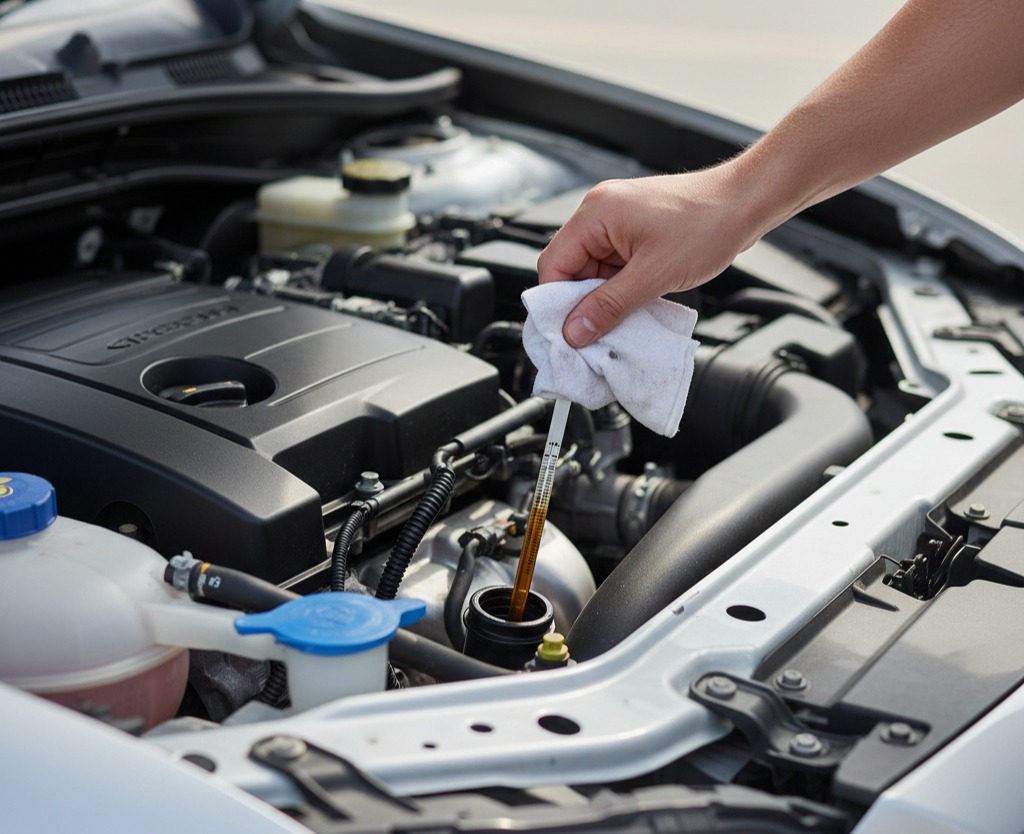
Your car’s fluids play a crucial role in ensuring it runs smoothly and efficiently. Before heading to your road test, double-check the following fluid levels:
Engine Oil
Engine oil lubricates the engine’s moving parts, reducing friction and preventing overheating. Low or dirty engine oil can cause engine damage and poor performance. To check your oil level:
- Open the hood and locate the dipstick.
- Pull it out, wipe it clean with a rag, and dip it back into the tube.
- Pull it out again and check the oil level.
- If the oil is below the “full” mark, top it off with the right type of oil recommended for your vehicle.
Also, make sure the oil isn’t dirty or discolored. If the oil appears thick, gritty, or dark, it might be time for an oil change.
Brake Fluid
Brake fluid is essential for your vehicle’s braking system to function properly. Low brake fluid can cause a delay or failure when you press the brake pedal, which is dangerous on the road.
To check your brake fluid level:
- Locate the brake fluid reservoir, which is usually near the driver’s side of the engine.
- Make sure the fluid level is between the “min” and “max” marks. If it’s low, add the appropriate brake fluid for your car model.
Coolant
Your car’s engine generates a lot of heat during operation. Coolant prevents the engine from overheating by transferring heat away from the engine. Check the coolant level:
- Look at the coolant reservoir to see if it’s within the “full” range.
- If it’s low, top it off with a mixture of water and coolant (according to your car’s specifications).
- Ensure there are no signs of leaks around the radiator or hoses.
Windshield Washer Fluid
Clear visibility is essential for driving safely, so you need to ensure your windshield washer fluid reservoir is full. This fluid helps clean your windshield when you need it most, particularly in bad weather or when your windshield is dirty from road grime.
- Open the hood and locate the windshield washer fluid reservoir (typically marked with a windshield symbol).
- Check the level, and if necessary, top it off with windshield washer fluid.
Power Steering Fluid
If your car has power steering, it’s important that the fluid is topped off. Low power steering fluid can make it difficult to steer your car, especially at low speeds or when parking.
- Check the power steering fluid level and top it off if necessary.
2. Inspect the Tires
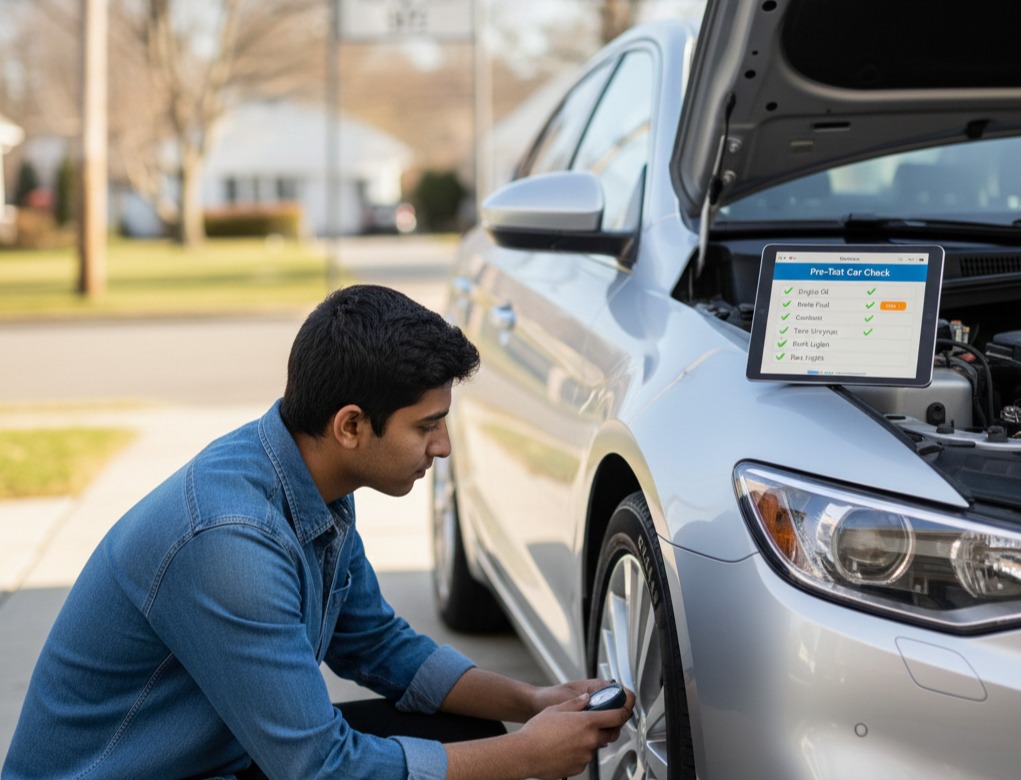
Tires are one of the most important components of your vehicle when it comes to safety and handling. Before your road test, make sure your tires are in good condition by performing the following checks:
Tire Pressure
Proper tire pressure ensures that your vehicle handles well, improves fuel efficiency, and reduces the risk of a blowout. Under-inflated tires can affect handling and increase the likelihood of accidents.
To check the tire pressure:
- Use a tire pressure gauge to measure the pressure in each tire.
- Refer to the recommended tire pressure listed on the label inside the driver’s side door or in your car’s owner’s manual.
- If necessary, inflate the tires to the recommended pressure using a compressor at a gas station.
Tread Depth
The tread on your tires helps maintain traction, especially in wet conditions. Insufficient tread depth can result in hydroplaning or losing control of the vehicle.
To check the tread depth:
- Use a penny to measure the depth. Insert the penny into the tread groove with Lincoln’s head facing down.
- If you can see the top of Lincoln’s head, the tread is too shallow, and it’s time to replace the tires.
Visual Inspection
Check each tire for any visible damage such as cuts, bulges, or punctures. If you notice any of these issues, it’s best to replace the damaged tire before your road test.
3. Test the Lights and Indicators
Functioning lights are not only important for road safety, but they are also a critical part of the road test. Make sure the following lights are working properly:
Headlights
Test both high and low beam headlights to ensure that they are fully functional. If one of the bulbs is out, replace it before the test.
- Turn on the headlights and check both beams.
- If any lights are dim or completely out, replace the bulbs.
Turn Signals
Turn signals are essential for signaling your intent to other drivers, and you’ll need to use them during the test. Make sure both front and rear turn signals work properly.
- Turn on your turn signals and check both sides.
- Ensure they blink at a steady rate without any flickering.
Brake Lights
Brake lights signal to other drivers when you are slowing down or stopping. A non-functioning brake light can be dangerous and may cause a failed road test.
- Have someone help you by pressing the brake pedal while you inspect the brake lights.
- Check that all brake lights (including the center light) illuminate when you press the brake pedal.
Tail Lights and Hazard Lights
Ensure that both tail lights are working, as well as the hazard lights. Test the hazard lights to make sure all four lights flash simultaneously.
4. Check the Brakes and Steering
Brakes and steering are vital for safe vehicle operation, especially during the road test. Here’s what to check:
Brakes
Test your car’s brakes by driving around the block or performing a short test drive. Pay attention to:
- The car should stop quickly and without any unusual noises or vibrations.
- The brake pedal should feel firm, and the car shouldn’t pull to one side.
If your brakes feel soft, spongy, or unresponsive, it’s a sign that something may be wrong, and you should have them checked before the test.
Steering
The steering wheel should turn smoothly without any resistance or unusual noises. Test the steering by turning the wheel to ensure it responds quickly and accurately.
- If the steering feels loose, stiff, or makes strange noises, it’s important to have it checked.
5. Check the Windshield Wipers and Mirrors
Clear visibility is essential during the road test. Make sure both your windshield wipers and mirrors are in good condition:
Windshield Wipers
Test the wipers and check the blades. If they leave streaks or don’t effectively clear the windshield, it’s time to replace them.
- Make sure that the wipers are working at both high and low speeds.
- Check that the wiper arms move freely.
Mirrors
Properly adjusted mirrors help you maintain a clear view of your surroundings. Check the following:
- Rearview Mirror: Ensure that it’s securely attached and provides a clear view out of the rear window.
- Side Mirrors: Adjust the side mirrors so you can see clearly behind and to the sides of the car.
6. Check Your Car Registration and Insurance
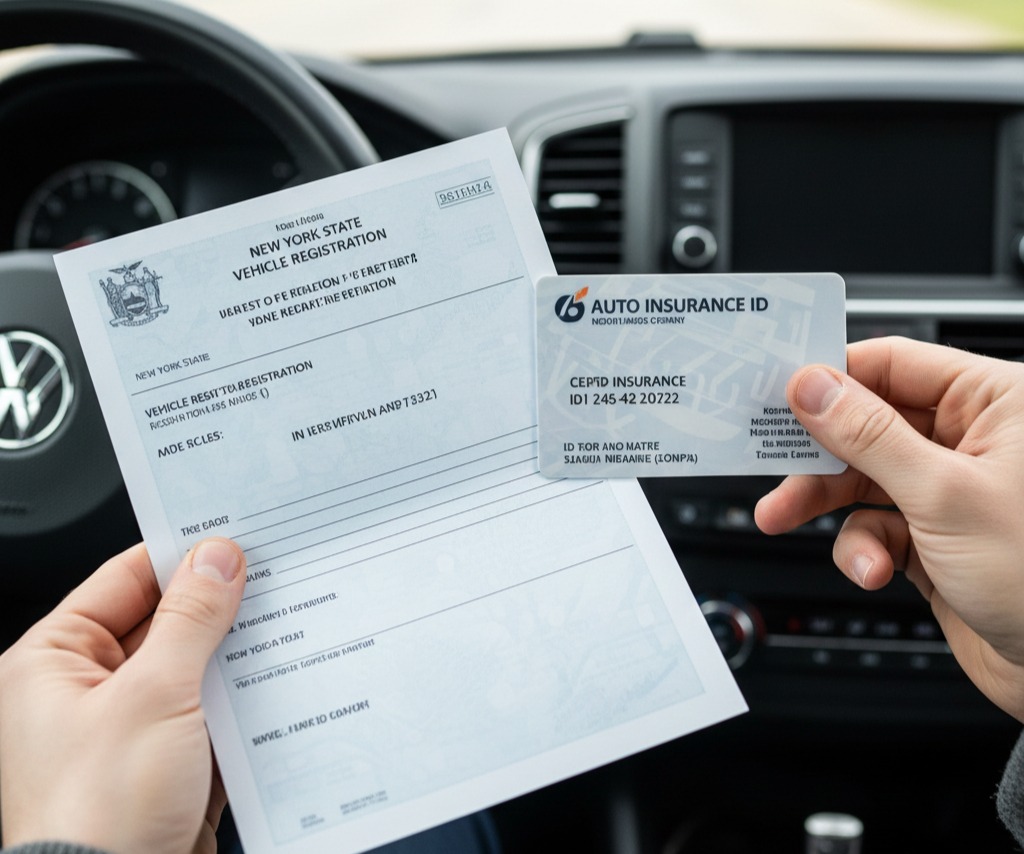
Before heading to the road test, ensure that you have valid proof of insurance and your vehicle’s registration. You’ll need to present these documents at the test center. Check the following:
- Verify that your car insurance is up-to-date and covers the necessary liability requirements.
- Ensure that your car registration is valid and not expired.
7. Ensure Your Car is Clean and Free of Clutter
While it’s not an official requirement, having a clean, organized car is a good idea. It will make your road test more comfortable and help reduce distractions. Clean both the interior and exterior of your car, making sure there are no loose items that could get in the way while driving.
Final Tips Before Your Road Test
Practice Your Parking and Maneuvers
If you’re unsure about parallel parking or three-point turns, take some time to practice before the test. Being comfortable with these maneuvers will help you pass with confidence.
Get Plenty of Rest the Night Before
A good night’s sleep is crucial for being alert and focused during the road test. Being well-rested will help you stay calm and handle any unexpected situations during the test.
Stay Calm and Confident
On the day of your road test, stay calm and confident. Follow the examiner’s instructions carefully, and remember that you’ve practiced and prepared for this moment.
Frequently Asked Questions (FAQ)
1. What should I bring to my road test in New York?
You will need to bring:
- A valid learner’s permit.
- Proof of insurance and vehicle registration.
- A roadworthy car (with all the checks mentioned above).
- A licensed driver who can drive you to and from the test center.
2. What happens if my car fails the pre-test inspection?
If your car fails the inspection, you will need to address the issues before your road test. If any issues are significant, you may need to reschedule the test.
3. Can I fail my road test because of a car issue?
Yes, if your car has serious mechanical problems that affect its ability to drive safely, you may fail the test. Ensure that all your vehicle’s components are functioning properly.
4. How early should I arrive for my road test?
Arrive at least 30 minutes before your scheduled test time to allow for check-in and any last-minute preparations.
Conclusion
By performing these essential pre-test checks, you’ll ensure that your car is in top condition and ready for the New York road test. This preparation will not only help you avoid last-minute issues but also give you confidence as you sit behind the wheel. Best of luck on your road test, and remember that preparation is key to success!
For more tips and guidance on preparing for your New York road test, visit Road Tests NY.