
As a senior driver in New York City, preparing for a road test can feel like a daunting task. Whether you are a first-time applicant or someone who is renewing your license after many years, the process can be both exciting and a bit overwhelming. The good news is that with the right preparation, you can pass your road test confidently and ensure that you stay safe on the road. In this guide, we will cover everything you need to know about senior road test preparation in NYC, including tips, important considerations, and resources to make the process smoother.
Understanding the Senior Road Test in NYC
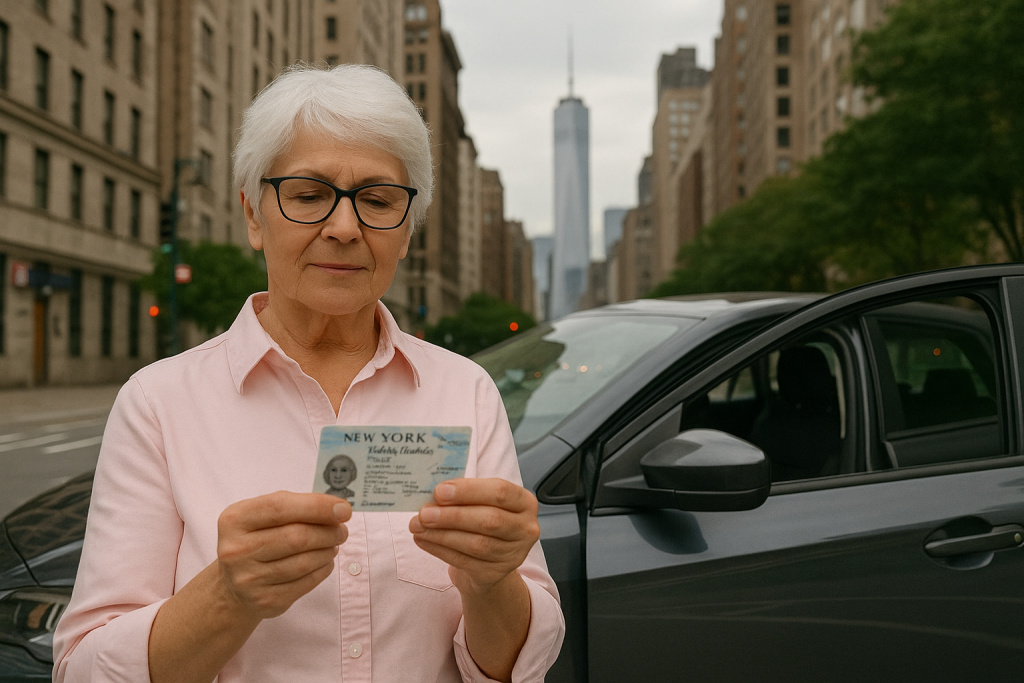
In New York City, drivers 62 years and older must meet specific requirements for their road test, whether they are renewing their driver’s license or applying for one for the first time. While the basic requirements for the road test do not change significantly for senior drivers, there are a few additional considerations to ensure that you are both physically and mentally ready to pass.
1. Know the Requirements for Senior Drivers
For senior drivers, one of the first steps in preparing for a road test is understanding the requirements for scheduling and taking the test. Here are some important points to consider:
- Age-Based Restrictions: Drivers over the age of 62 must pass a road test every 8 years. However, this could vary depending on your health and physical condition.
- Vision Test: If you are over the age of 70, you will be required to pass a vision test when applying for a license or renewing one. This is especially important for senior drivers, as vision can change with age, and being able to see clearly is essential for safe driving.
- Health and Medical Review: If you have a medical condition that could impair your ability to drive safely (such as diabetes, arthritis, or cognitive impairments), you may need to provide medical documentation from your doctor. The New York DMV may require additional evaluations to ensure you are fit to drive.
2. Prepare Your Vehicle
Before you even step into the driver’s seat, make sure that your car is road test-ready. This can be a huge factor in your performance during the test. Here’s what you should check:
- Vehicle Maintenance: Ensure that your vehicle is in good working condition. Check the brakes, tires, lights, signals, horn, and wipers. A well-maintained car not only performs better but also reduces distractions and potential problems during the test.
- Clean Your Car: While this might seem like a small thing, having a clean and clutter-free car can make a big difference. It allows you to focus on the driving task at hand, and it also gives a good impression to the examiner.
- Comfort and Ease: Ensure that you are comfortable in your vehicle. Adjust the seat, mirrors, and steering wheel to suit your needs before the test. You’ll need to be able to reach the pedals comfortably and have clear visibility from all angles.
3. Brush Up on the Rules of the Road
As a senior driver, it’s crucial to stay updated on any changes to traffic laws. Traffic rules and regulations are updated periodically, and you need to know them to avoid mistakes during the test. Make sure you:
- Review the New York State Driver’s Manual: The New York State Driver’s Manual is available online and is a great resource for brushing up on traffic laws and road signs. This guide will cover everything from road markings to speed limits and driving in adverse conditions.
- Practice Defensive Driving: Defensive driving techniques help you anticipate potential hazards and avoid accidents. As a senior driver, you may experience slower reaction times, and defensive driving techniques will help you stay alert and proactive on the road.
- Know Basic Traffic Signs and Signals: Senior drivers may have trouble remembering specific traffic signs or their meanings. Take some time to review road signs and their significance. In New York City, you’ll encounter a lot of different traffic signals, especially in busy areas.
4. Take a Refresher Course
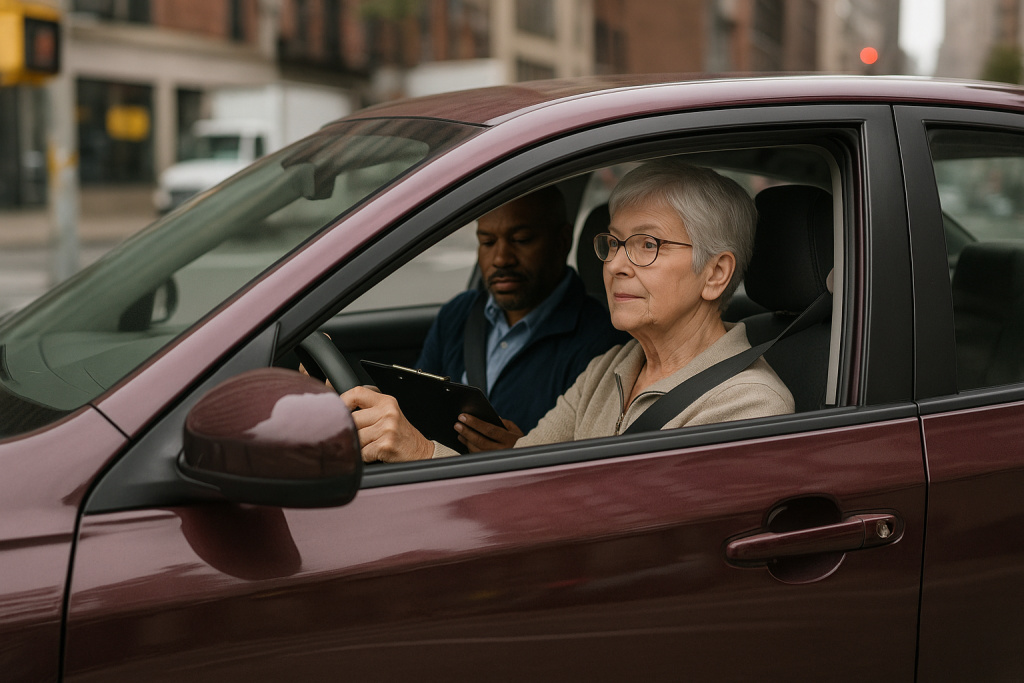
Many senior drivers choose to take a driving refresher course or enroll in a defensive driving class before their road test. These classes are tailored to the needs of older drivers and can help improve confidence and safety on the road. Benefits of a refresher course include:
- Improved Knowledge: A driving course will teach you the latest traffic rules and regulations. This is particularly important if you haven’t driven for a while or if you’re not familiar with recent changes in road laws.
- Increased Confidence: A driving course gives you an opportunity to practice driving in a controlled environment with a qualified instructor. This can help reduce anxiety and improve your skills before taking the road test.
- Insurance Discounts: In New York, taking a defensive driving course can also result in discounts on your car insurance premiums. This can help offset the cost of the course and provide additional savings.
5. Practice Driving in NYC
New York City is a unique place to take a road test because of its busy streets, complex intersections, and heavy traffic. Here are some tips for practicing driving in NYC:
- Start with Quiet Areas: If you’re feeling nervous about driving in busy areas, start by practicing in quieter neighborhoods or parking lots. Get comfortable with the vehicle, make turns, park, and practice basic maneuvers before venturing into heavier traffic.
- Get Used to NYC Traffic: Once you’re more confident, start practicing in busier areas, especially near intersections, to get used to the traffic flow. NYC is known for its fast pace, so it’s essential to stay alert and maintain focus when driving in heavy traffic.
- Practice Parallel Parking: One of the most common maneuvers in the road test is parallel parking. Find a spot where you can practice parking between two cars. The test examiner will likely test your ability to parallel park in a real-world situation, so practicing this maneuver can significantly boost your chances of success.
- Know Where the Test Will Take Place: If possible, familiarize yourself with the road test location beforehand. Practice driving in the area around the DMV or testing center so you’re comfortable with the route. Some testing routes can include specific maneuvers or unique road conditions, and knowing what to expect can reduce stress on the day of the test.
6. Address Physical and Cognitive Considerations
As you get older, there may be changes to your physical abilities or cognitive function. It’s essential to be aware of these factors and take the necessary steps to mitigate them:
- Physical Limitations: If you have joint pain, arthritis, or other mobility challenges, consider exercises that can help improve your flexibility and strength. Additionally, practice driving with these limitations in mind to ensure you can comfortably operate the vehicle during the test.
- Cognitive Impairments: Seniors may experience issues with memory, concentration, or reaction time. If you’ve noticed these changes, be honest with your doctor and the DMV about any limitations you might have. In some cases, senior drivers may be required to take additional tests or undergo evaluations to ensure their safety on the road.
7. Bring the Necessary Documents
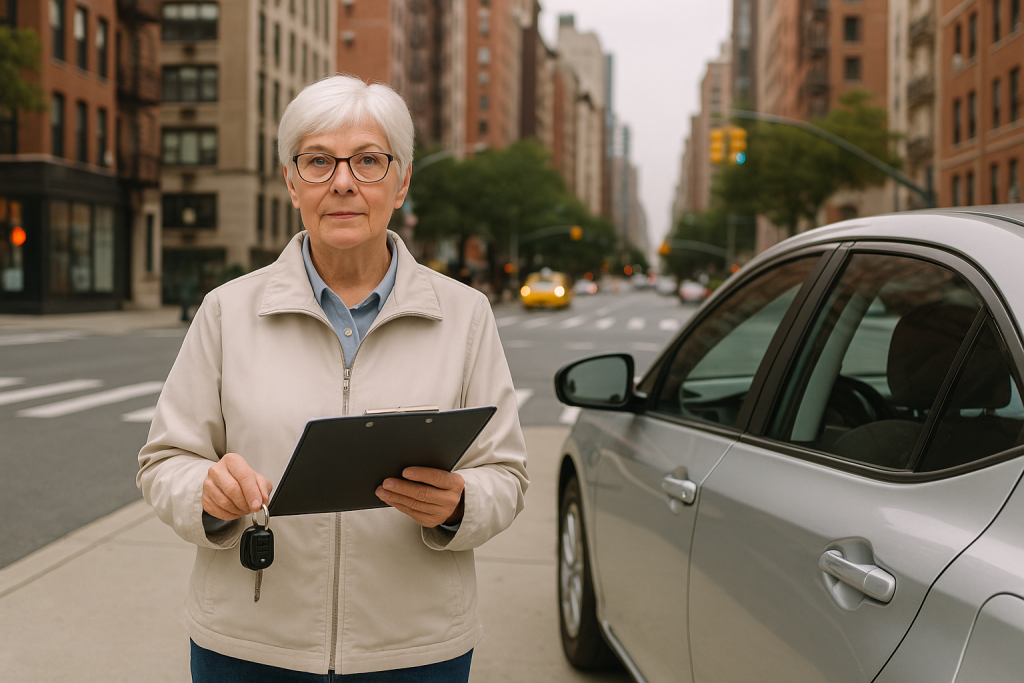
On the day of your road test, make sure you bring all the required documents. Missing paperwork can result in a delay or cancellation of your test. Make sure you have:
- Your Learner’s Permit (if applicable): If you’re taking your first road test, make sure you have your learner’s permit with you.
- Proof of Identity and Residency: The NY DMV will require proof of your identity and address. Be sure to bring the necessary documents to verify this.
- Medical Documentation (if applicable): If you have any medical conditions that could affect your driving, bring the necessary medical forms or documentation from your doctor.
8. Stay Calm and Confident
Finally, when the day of the test arrives, remember to stay calm. Nervousness is natural, but staying confident and focused on the road will help you perform better. Relax, take deep breaths, and follow the examiner’s instructions carefully. Remember that the examiner is there to help you succeed and assess your ability to drive safely.
FAQ: Senior Road Test Preparation in NYC
Q: How long do I have to wait to take my road test in NYC after I apply for a learner’s permit?
A: After applying for a learner’s permit, you must wait at least 20 days before taking the road test in NYC. During this period, it’s recommended to practice and gain experience behind the wheel.
Q: Is there an age limit for driving in New York?
A: There is no official age limit for driving in New York. However, drivers aged 70 or older must renew their driver’s license every 2 years instead of every 8 years. Also, those over 70 must pass a vision test at the time of renewal.
Q: Do I need a doctor’s note to take the road test as a senior driver?
A: If you have a medical condition that affects your ability to drive, such as memory issues or physical impairments, the DMV may require a medical evaluation. It’s best to consult with your doctor to determine if any documentation is needed.
Q: What happens if I fail my road test in NYC?
A: If you fail your road test, you can retake it. You will need to wait at least one day before scheduling a new test, and you may need to pay an additional fee.
Conclusion
Senior road test preparation in NYC doesn’t have to be a stressful process. By following the tips outlined above and practicing in a controlled environment, you can increase your chances of success. Remember, it’s important to stay informed, keep your skills sharp, and address any physical or cognitive challenges that may affect your driving. Whether you’re retaking your road test or getting behind the wheel for the first time in years, with the right preparation, you can continue driving safely and confidently on New York City’s busy streets.
For more information on senior road test preparation or to schedule your road test, visit RoadTestsNY, where we provide the resources and support you need for a smooth road test experience in NYC.