
Lane changes are a critical component of the New York road test, and they are often the point where many test-takers stumble. Whether you’re switching lanes on the highway or simply changing lanes on a residential street, demonstrating your ability to perform smooth, controlled lane changes is key to passing your road test. If done correctly, lane changes show that you’re aware of your surroundings, understand traffic flow, and are capable of making safe driving decisions.
In this article, we’ll share essential tips to help you perfect your lane-changing technique, so you can pass your New York road test with confidence and ease. From checking your mirrors to signaling at the right time, these tips will ensure that you make smooth and safe lane changes every time.
1. Know When to Change Lanes
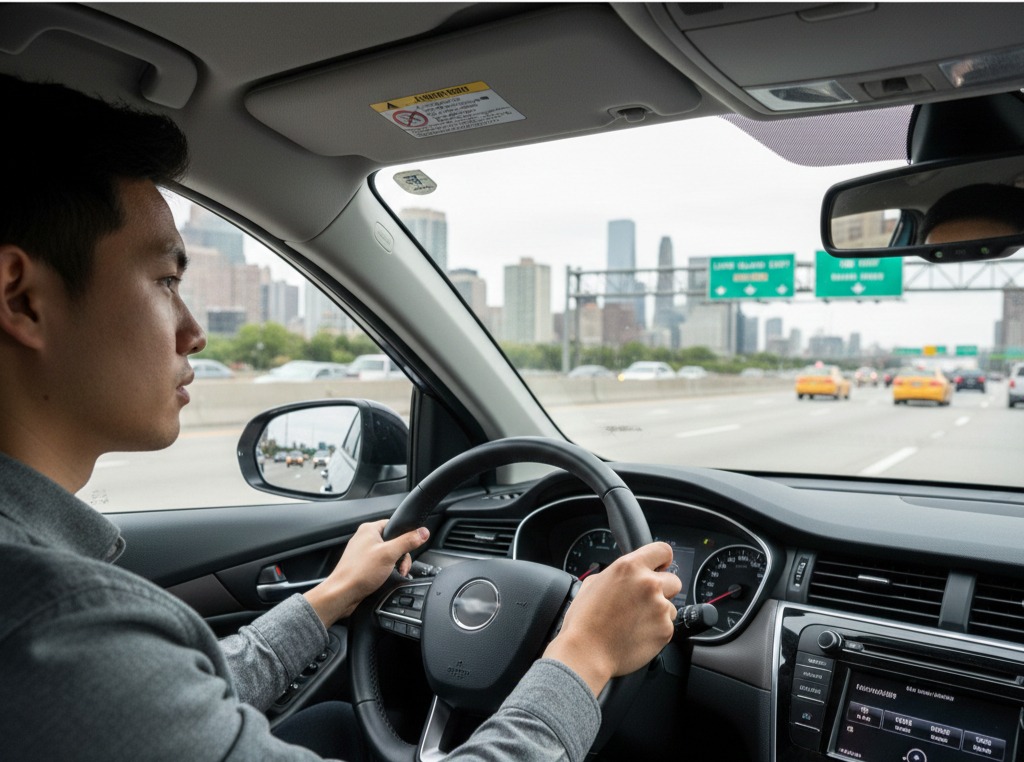
Before making any lane change, it’s essential to assess the situation and know when it’s safe to do so. You can’t change lanes just because you want to; there must be a valid reason for it. Here are some situations in which a lane change is appropriate:
To Pass Another Vehicle
- If you’re driving behind another car and there’s no way to safely overtake them, a lane change to the left or right (depending on the traffic) may be necessary. On highways and interstates, always check for any slower-moving traffic or obstacles in your lane that might require you to change lanes.
To Prepare for a Turn
- Sometimes, you need to change lanes to position yourself for an upcoming turn or exit. For example, if you’re driving on a multi-lane road and need to turn left at an intersection, you should switch to the leftmost lane in advance.
To Avoid an Obstacle or Hazard
- Lane changes are also necessary when there are obstacles or hazards in your lane, such as debris, potholes, or a stalled vehicle. Always be prepared to make a safe lane change if it helps avoid a potential hazard.
To Improve Traffic Flow
- In some situations, you may need to change lanes to keep pace with traffic. For instance, if your lane is moving slower than the adjacent lane, a lane change may help you maintain a safe and consistent speed.
2. Check Your Mirrors and Blind Spots
The most important part of a lane change is ensuring that it’s safe to do so. Before making any lane change, always check your mirrors and blind spots. Here’s how to do it:
Use Your Mirrors
- Start by checking your rearview mirror to gauge the traffic behind you. Make sure that the lane you want to move into is clear of vehicles.
- Next, check your side mirrors to ensure that there is enough space in the lane you intend to move into.
Check Your Blind Spots
- Simply checking your mirrors isn’t enough you also need to check your blind spots to ensure there are no vehicles that you might not see in your mirrors. To do this, quickly look over your shoulder in the direction you intend to move.
- If you’re driving a larger vehicle, such as an SUV or truck, blind spots can be larger, so take extra care in making sure the lane is clear.
Use Your Mirrors Regularly
- It’s important to check your mirrors frequently, not just when changing lanes. Keeping an eye on the traffic around you will help you make informed decisions about when to change lanes.
3. Signal Early and Clearly
Using your turn signal when changing lanes is not only a legal requirement but also a vital safety step. Proper signaling alerts other drivers to your intentions, giving them time to react accordingly. Here’s how to use your signal properly:
Signal Well in Advance
- Always signal well before you start changing lanes ideally, 3 to 5 seconds before. This gives other drivers ample time to adjust their speed or position.
- For example, if you’re on the highway and preparing to exit, you should signal well in advance to let drivers around you know that you’re changing lanes to get off the ramp.
Use the Correct Signal for the Direction You’re Moving
- Make sure to use the correct signal. If you’re moving to the left, use your left turn signal. If you’re moving to the right, use your right turn signal. Failure to signal correctly can lead to confusion and, potentially, a dangerous situation.
Avoid Using Your Signal Too Late
- Signaling too late or failing to signal altogether is a common mistake that many drivers make. Make sure you signal early and clearly to avoid confusion and to demonstrate good driving habits.
4. Move Smoothly into the Next Lane
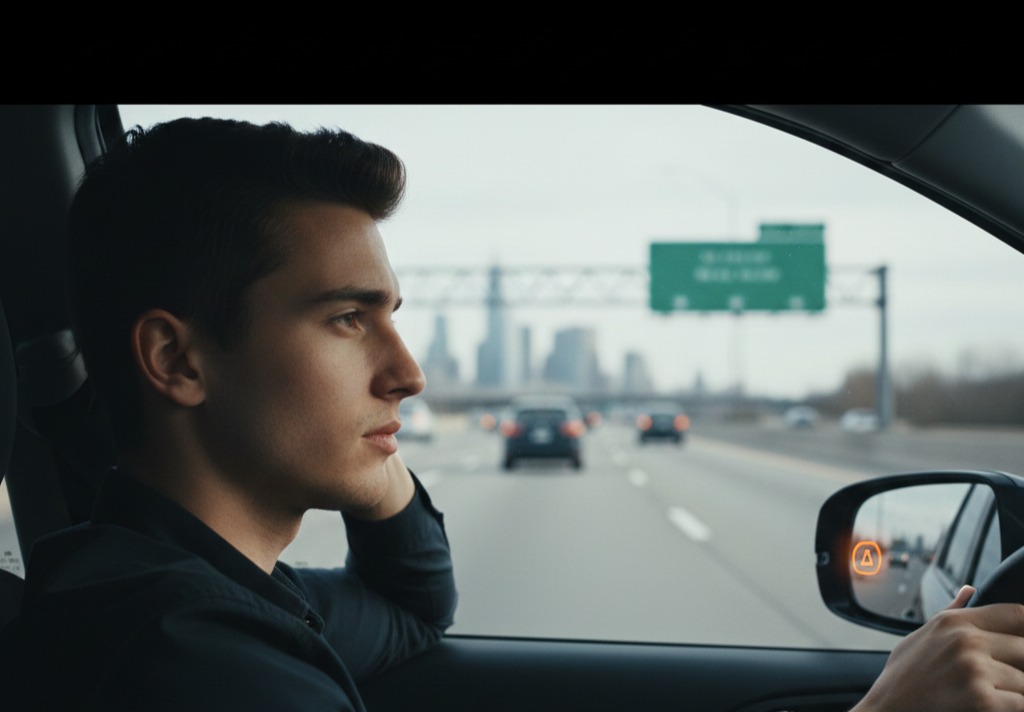
Once you’ve signaled, checked your mirrors and blind spots, and confirmed that the lane change is safe, it’s time to execute the maneuver. A smooth, controlled lane change is important to maintain vehicle stability and avoid any sudden movements. Here’s how to make sure your lane changes are smooth:
Check the Speed of Your Vehicle
- Before initiating the lane change, ensure that you’re not speeding up or slowing down too much. Maintain a steady speed when making the lane change to avoid jerking the car forward or backward.
- Adjust your speed to match the flow of traffic in the lane you’re moving into, but avoid making a sudden acceleration.
Steer Smoothly
- Once the lane is clear and you’ve signaled, gently steer into the next lane. You don’t need to jerk the wheel or make any sudden movements. Instead, make a smooth transition to avoid disturbing the flow of traffic.
Avoid Oversteering
- Oversteering, or turning the wheel too sharply, can lead to loss of control and is a common mistake during lane changes. Keep the steering movements subtle, and make sure that the car is aligned properly in the new lane.
5. Check the New Lane and Maintain Your Position
Once you’ve completed the lane change, it’s important to ensure that you’ve properly positioned your car in the new lane and that it’s safe to continue driving. Here’s how to do it:
Stay Centered in Your Lane
- Make sure your vehicle is centered in the new lane. This means not drifting too far to the left or right. Stay within the lane markings to avoid disrupting the flow of traffic.
- Avoid weaving between lanes or making unnecessary adjustments after the lane change. If you need to adjust your position, wait until the maneuver is fully completed and the vehicle is stabilized.
Keep Scanning Your Mirrors
- After the lane change, continue to monitor your mirrors and blind spots. It’s important to remain aware of the traffic around you and to ensure that you’re still in the correct lane.
Return to a Safe Following Distance
- Once you’ve completed the lane change, ensure that you’ve maintained a safe following distance from the vehicle in front of you. This will give you ample time to react to any sudden changes in traffic conditions.
6. Common Mistakes to Avoid
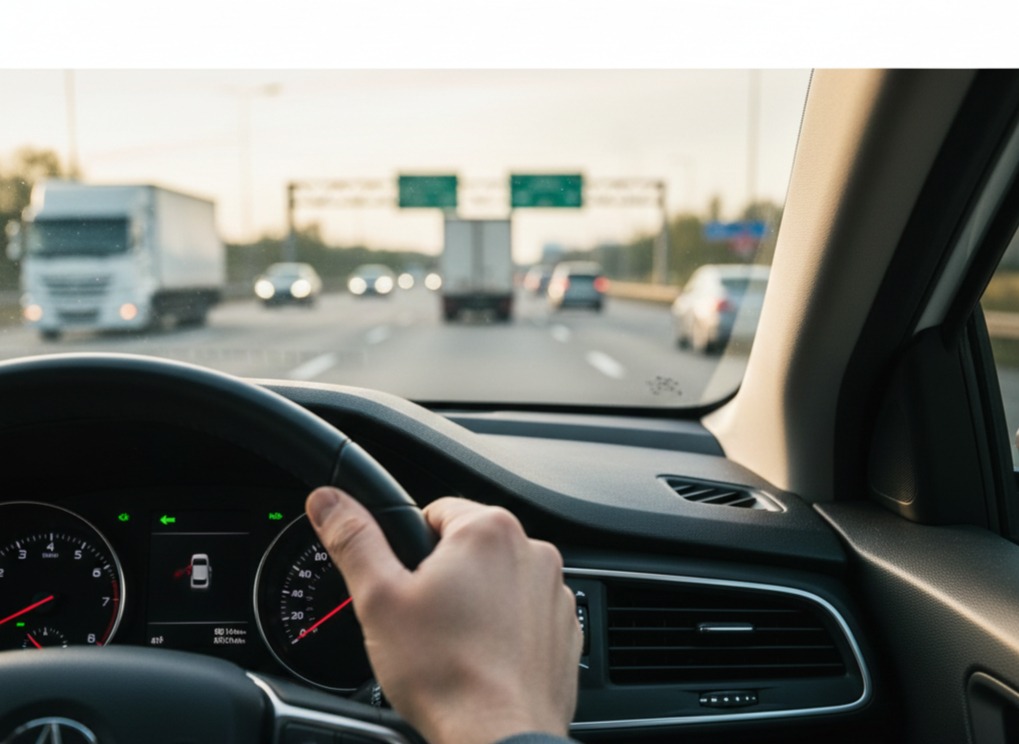
Many test-takers fail their road test due to mistakes made during lane changes. Here are a few common errors to avoid:
- Not Signaling Properly: Forgetting to signal or signaling too late can confuse other drivers and is an automatic fail on your road test.
- Improper Mirror Use: Failing to check mirrors or blind spots can result in a dangerous lane change and may lead to failure.
- Making Sudden Movements: Jerky steering or abrupt speed changes can make the lane change seem erratic, which could cause you to lose control of the car.
- Lane Drift: After completing the lane change, make sure you don’t drift into another lane unintentionally. Stay centered in your new lane and be aware of the space around you.
Frequently Asked Questions (FAQ)
1. How do I know when it’s safe to change lanes?
Always check your mirrors, blind spots, and evaluate the speed of other vehicles around you. Ensure there is enough space in the lane you want to move into, and be sure that the lane change won’t impede other drivers’ ability to pass or maneuver.
2. Can I change lanes on the highway during my New York road test?
Yes, you may be asked to change lanes on the highway during your road test. Be sure to follow the same procedure: signal early, check your mirrors and blind spots, and change lanes smoothly and safely.
3. What happens if I don’t signal before changing lanes?
Failing to signal or signaling too late is a serious error. You could be penalized with points off or even fail your road test if you don’t signal properly before making a lane change.
4. Should I speed up to complete a lane change faster?
No, speeding up to complete a lane change faster is not advisable. Maintain a steady speed and only accelerate as necessary to match the flow of traffic. Sudden acceleration can make the car less stable and may disrupt the flow of traffic.
5. How can I practice lane changes before my road test?
Practice lane changes in a safe environment before your test. Find an area with low traffic, such as a parking lot or a quiet residential street, and practice checking your mirrors, signaling, and making smooth lane changes.
Conclusion
Mastering smooth lane changes is an essential skill for passing your New York road test. By following these tips and practicing regularly, you’ll improve your ability to change lanes confidently and safely. Remember to always check your mirrors and blind spots, signal clearly, and make smooth, controlled lane changes. With enough preparation and attention to detail, you’ll be ready to pass your road test with flying colors.
For more tips on preparing for your New York road test, visit Road Tests NY.