
Learning Traffic Signals and Signs
Preparing for your road test is an important step in getting your driver’s license. One key part of this preparation is mastering traffic signals and signs. Traffic signals and signs are essential for safe driving because they help manage traffic flow, prevent accidents, and ensure that everyone on the road knows what to do. Understanding and recognizing these signals and signs is crucial for passing your road test and becoming a responsible driver.
In New York, like everywhere else, traffic signals and signs are standardized to convey specific messages to drivers. They provide instructions, warnings, andinformation that help drivers navigate the roads safely and efficiently. As a new driver, it’s important to be familiar with these signals and signs so you can respond correctly to them during your road test and in everyday driving situations.
Traffic signals include the familiar red, yellow, and green lights, as well as arrows and flashing lights. Each of these signals has a specific meaning and requires a particular action from drivers. For example, a red light means stop, a green light means go, and a yellow light means slow down and prepare to stop. Arrows indicate the direction in which you can safely proceed, and flashing lights are used in special situations, such as at railroad crossings or school zones.
Traffic signs are another critical element of road safety. They come in various shapes, colors, and sizes, each designed to convey specific information. Regulatory signs, such as stop signs and speed limit signs, provide instructions that drivers must follow. Warning signs alert drivers to potential hazards ahead, such as sharp curves or pedestrian crossings. Informational and guide signs provide helpful information about directions, distances, and points of interest.
Mastering traffic signals and signs can seem overwhelming at first, but with practice and the right resources, it becomes much easier. Visual aids, flashcards, and practice tests are great tools for learning and memorizing the different signals and signs. Real-life driving practice is also essential, as it helps you apply what you’ve learned in real-world situations.
In this blog post, we will explore the different types of traffic signals and signs you need to know for your road test. We will also provide tips and resources to help you learn and remember these signals and signs effectively. By understanding and mastering traffic signals and signs, you’ll be well-prepared for your road test and ready to drive safely and confidently on New York’s roads.
Key Takeaways
✔ Importance of Learning: Knowing traffic signals and signs is essential for safe driving and passing the road test.
✔ Types of Signals and Signs: Familiarize yourself with different types of traffic signals and signs, including regulatory, warning, informational, and guide signs.
✔ Effective Learning Methods: Use visual aids, flashcards, practice tests, and real-life driving practice to memorize traffic signals and signs.
✔ Online Resources: Utilize online courses and apps like DMV Genie, DriverEdToGo, and Quizlet for interactive and engaging learning.
✔ DMV Handbooks: Refer to the DMV handbook for comprehensive and authoritative information on traffic signals and signs.
✔ Driving Schools: Consider professional driving schools and instructors for personalized instruction and practical experience.
Learning Traffic Signals and Signs
Learning Traffic Signals and Signs
Importance of Knowing Traffic Signals and Signs
Understanding traffic signals and signs is crucial for several reasons, all of which contribute to safer and more efficient driving. First and foremost, traffic signals and signs are fundamental to maintaining order on the roads. They provide clear instructions and guidance to drivers, ensuring that everyone knows what actions to take in various situations. This shared understanding helps to prevent accidents and keeps traffic flowing smoothly.
For new drivers preparing for their road test, knowing traffic signals and signs is especially important. During your test, the examiner will evaluate your ability to recognize and respond to these signals and signs correctly. Your performance in this area can significantly impact whether you pass or fail. Demonstrating a solid understanding of traffic signals and signs shows that you are ready to drive safely and responsibly on your own.
Traffic signals and signs are designed to be universally understood, but their meanings can sometimes be nuanced. For example, while everyone knows that a red light means stop, there are additional rules about when you can turn right on red or what to do if the traffic light is malfunctioning. Similarly, a stop sign requires a complete stop, but drivers must also understand how to proceed safely at a four-way stop. By thoroughly learning these signals and signs, you can navigate these situations with confidence.
Moreover, traffic signals and signs play a critical role in managing traffic flow and preventing congestion. Proper adherence to these signals ensures that intersections function efficiently, pedestrian crossings are safe, and highways operate smoothly. When drivers ignore or misinterpret these signals, it can lead to traffic jams, delays, and even accidents. By understanding and respecting traffic signals and signs, you contribute to a safer and more efficient driving environment for everyone.
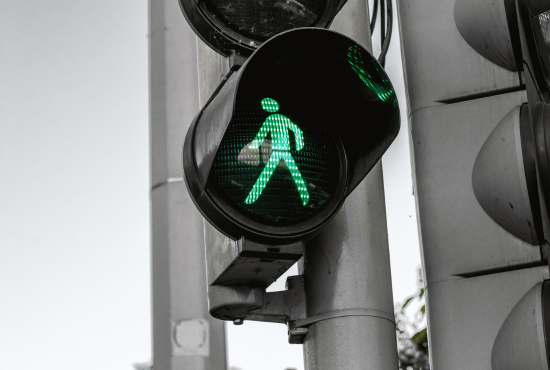
In addition to safety and efficiency, knowing traffic signals and signs helps protect vulnerable road users, such as pedestrians and cyclists. Many traffic signs and signals are specifically designed to ensure their safety. For instance, pedestrian crossing signals, school zone signs, and bike lane markings all play a vital role in preventing accidents and ensuring that everyone can use the roads safely. As a driver, being aware of and responding appropriately to these signals shows that you are considerate of all road users.
Finally, mastering traffic signals and signs is essential for building your confidence as a driver. When you are familiar with the signals and signs you encounter on the road, you can make quick, informed decisions without hesitation. This confidence is crucial during your road test and in everyday driving. It reduces anxiety, helps you stay focused, and allows you to react appropriately to any situation.
In summary, the importance of knowing traffic signals and signs cannot be overstated. They are fundamental to road safety, traffic efficiency, and the protection of all road users. For new drivers, mastering these signals and signs is key to passing your road test and becoming a competent, confident driver. By dedicating time to learning and practicing traffic signals and signs, you are taking an essential step towards safe and responsible driving.
Types of Traffic Signals
Learning Traffic Signals and Signs

Learning Traffic Signals and Signs
✔ Red, Yellow, and Green Lights
The most basic and widely recognized traffic signals are the red, yellow, and green lights. These lights control the flow of traffic at intersections and other critical points on the road.
✔ Red Light: A red light means stop. Drivers must come to a complete halt and wait until the light turns green. There are no exceptions unless making a right turn on red is explicitly allowed by local laws and there are no signs prohibiting it. However, even in these cases, drivers must come to a complete stop first and ensure the way is clear before proceeding.
✔ Yellow Light: A yellow light serves as a warning that the light is about to turn red. Drivers should slow down and prepare to stop. It’s important to note that speeding up to “beat” the red light is dangerous and against traffic laws. If you are too close to the intersection when the light turns yellow and stopping safely is not possible, you should proceed with caution.
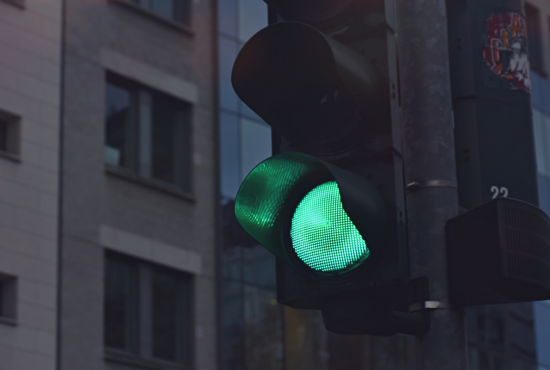
✔ Green Light: A green light means go. Drivers are allowed to proceed through the intersection or continue on their way. However, even on a green light, it’s crucial to ensure the intersection is clear of other vehicles, pedestrians, or any hazards before moving forward.
| Traffic Signal | Meaning | Action |
|---|---|---|
| Red Light | Stop | Come to a complete halt, wait for green light |
| Yellow Light | Prepare to Stop | Slow down, prepare to stop |
| Green Light | Go | Proceed with caution if the intersection is clear |
✔ Arrows
Traffic light arrows are used to direct traffic turning movements specifically. They are usually found at intersections where there are dedicated turning lanes.
✔ Red Arrow: A red arrow means you must stop and cannot proceed in the direction the arrow is pointing. This is applicable for both left and right turns.
✔ Yellow Arrow: A yellow arrow indicates that the protected turning period is ending. Drivers should prepare to stop if they have not yet entered the intersection.
✔ Green Arrow: A green arrow allows you to turn in the direction the arrow is pointing. This means you have a protected turn, and oncoming traffic should be stopped.
| Arrow Signal | Meaning | Action |
|---|---|---|
| Red Arrow | The turning period ended soon | Proceed with the turn, ensure the intersection is clear |
| Yellow Arrow | Prepare to stop, and complete the turn if in the intersection | Stop, wait for the green arrow |
| Green Arrow | Protected turn | Proceed with the turn, ensure intersection is clear |
✔ Flashing Lights
Flashing lights are used to alert drivers to specific conditions that require extra caution.
✔ Flashing Red Light: A flashing red light functions similarly to a stop sign. Drivers must come to a complete stop and proceed only when it is safe to do so. Flashing red lights are often used at intersections where traffic lights are out of order or at pedestrian crossings.
✔ Flashing Yellow Light: A flashing yellow light means proceed with caution. Drivers do not need to stop, but they should slow down and be particularly alert for other traffic, pedestrians, or any potential hazards. Flashing yellow lights are typically found at intersections, pedestrian crossings, or road construction areas where increased attention is necessary.
| Flashing Light | Meaning | Action |
|---|---|---|
| Flashing Red | Stop and proceed safely | Complete stop, proceed when safe |
| Flashing Yellow | Proceed with caution | Slow down, be alert, and proceed carefully |
Understanding these traffic signals and their meanings is crucial for safe and effective driving. By knowing how to interpret and respond to each type of signal, you can navigate intersections and other controlled areas confidently and safely. This knowledge is not only essential for passing your road test but also for becoming a responsible driver on the road.
Understanding Traffic Signs
Traffic signs are essential for providing information and instructions to drivers, ensuring safe and efficient navigation on the road. Understanding the different types of traffic signs and their meanings is crucial for both passing your road test and driving safely. There are several categories of traffic signs: regulatory signs, warning signs, informational signs, and guide signs.
Learning Traffic Signals and Signs

Learning Traffic Signals and Signs
✔ Regulatory Signs
Regulatory signs are designed to inform drivers of specific laws and regulations that must be followed. They are usually rectangular with white backgrounds and black or red lettering or symbols. Ignoring these signs can result in traffic violations or accidents.
✔ Stop Sign: This octagonal red sign with white letters means you must come to a complete stop, look both ways, and proceed only when it is safe.
✔ Yield Sign: A triangular sign with a red border and white background indicates that you must slow down and be prepared to stop if necessary to let other vehicles or pedestrians pass.
✔ Speed Limit Sign: These signs display the maximum legal speed allowed on a particular stretch of road. They are rectangular and feature black numbers on a white background.
✔ No Entry Sign: A red circle with a white horizontal line in the center indicates that entry is prohibited. It is often used at one-way streets or restricted areas.
✔ Parking Signs: These signs provide information about where parking is allowed, restricted, or prohibited. They may include time limits, days of the week, and specific hours.
| Regulatory Sign | Meaning | Action |
|---|---|---|
| Stop Sign | Full stop | Stop completely, proceed when safe |
| Yield Sign | Yield right of way | Slow down, stop if necessary |
| Speed Limit Sign | Maximum legal speed | Do not exceed the posted speed limit |
| No Entry Sign | Prohibited entry | Do not enter |
| Parking Sign | Parking regulations | Follow the specific parking instructions |
✔ Warning Signs
Warning signs alert drivers to potential hazards or changes in road conditions ahead. They are usually diamond-shaped with black symbols or lettering on a yellow background.
✔ Curve Ahead: This sign indicates that there is a curve in the road ahead. Slow down and be prepared to navigate the curve safely.
✔ Pedestrian Crossing: A sign depicting a person walking indicates a pedestrian crossing area. Slow down and be prepared to stop for pedestrians.
✔ School Zone: This sign indicates that you are entering a school zone. Reduce your speed and watch for children crossing the street.
✔ Slippery When Wet: This sign warns that the road may be slippery when wet. Reduce speed and drive cautiously.
✔ Deer Crossing: A sign depicting a deer indicates that you are in an area where deer frequently cross the road. Be alert and drive carefully.
| Warning Sign | Meaning | Action |
|---|---|---|
| Curve Ahead | Upcoming road curve | Slow down, navigate the curve safely |
| Pedestrian Crossing | Pedestrian crossing area | Slow down, be prepared to stop for pedestrians |
| School Zone | School area | Reduce speed, watch for children |
| Slippery When Wet | Potentially slippery road | Drive cautiously, reduce speed |
| Deer Crossing | Deer crossing area | Be alert, drive carefully |
Informational Signs
Informational signs provide drivers with helpful information about the road and surrounding area. These signs are usually rectangular with white lettering on a blue or green background.
✔ Rest Area: This sign indicates the location of a rest area where drivers can stop, rest, and use facilities.
✔ Hospital: A sign with a white “H” on a blue background indicates the location of a hospital.
✔ Gas Station: This sign shows the location of a gas station.
✔ Food Services: A sign with a knife and fork symbol indicates the location of restaurants or food services.
✔ Lodging: This sign indicates the availability of lodging or hotels in the area.
| Informational Sign | Meaning | Action |
|---|---|---|
| Rest Area | Location of rest area | Stop to rest, use facilities |
| Hospital | Location of hospital | Follow the sign to reach the hospital |
| Gas Station | Location of gas station | Stop for fuel |
| Food Services | Location of restaurants | Stop for food |
| Lodging | Location of hotels | Stop for lodging |
✔ Guide Signs
Guide signs provide directional and distance information to help drivers navigate to their destinations. They are usually rectangular with white lettering on a green background.
✔ Exit Signs: These signs provide information about upcoming highway exits, including the exit number and the destinations accessible from the exit.
✔ Distance Signs: These signs provide information about the distance to various destinations, such as cities or landmarks.
✔ Highway Route Signs: These signs indicate the route number of a highway or road.
✔ Street Name Signs: These signs display the names of streets and intersections.
| Guide Sign | Meaning | Action |
|---|---|---|
| Exit Sign | Information about highway exits | Prepare to take the exit if it is your destination |
| Distance Sign | Distance to destinations | Use the information to gauge travel distance |
| Highway Route Sign | Route number information | Follow the route indicated |
| Street Name Sign | Names of streets and intersections | Navigate using street names |
Understanding and recognizing these various types of traffic signs will help you become a more knowledgeable and safe driver. Familiarity with these signs is crucial for passing your road test and ensuring a smooth driving experience.
Common Traffic Signs You Need to Know
Learning Traffic Signals and Signs

Learning Traffic Signals and Signs
Traffic signs provide essential information to drivers, ensuring road safety and smooth traffic flow. Familiarizing yourself with these signs is crucial for both passing your road test and driving safely. Here are some common traffic signs you need to know:
✔ Stop and Yield Signs
✔ Stop Sign: The stop sign is an octagonal red sign with white letters that instructs drivers to come to a complete stop, look both ways, and proceed only when it is safe. Ignoring a stop sign can result in traffic violations or accidents.
✔ Yield Sign: The yield sign is a triangular sign with a red border and white background, indicating that you must slow down and be prepared to stop if necessary to let other vehicles or pedestrians pass. Yield signs help manage right-of-way and prevent collisions.
| Stop and Yield Signs | Meaning | Action |
|---|---|---|
| Stop Sign | Full stop | Stop completely, proceed when safe |
| Yield Sign | Yield right of way | Slow down, stop if necessary |
✔ Speed Limit Signs
✔ Speed Limit Sign: Speed limit signs display the maximum legal speed allowed on a particular stretch of road. They are rectangular and feature black numbers on a white background. Adhering to speed limits is crucial for road safety and avoiding fines.
| Speed Limit Signs | Meaning | Action |
|---|---|---|
| Speed Limit Sign | Maximum legal speed | Do not exceed the posted speed limit |
✔ No Entry and One-Way Signs
✔ No Entry Sign: The no entry sign is a red circle with a white horizontal line in the center, indicating that entry is prohibited. It is often used at one-way streets or restricted areas.
✔ One-Way Sign: One-way signs are rectangular with black arrows indicating the direction of permitted travel. Following these signs helps maintain orderly traffic flow and prevents accidents.
| No Entry and One-Way Signs | Meaning | Action |
|---|---|---|
| No Entry Sign | Prohibited entry | Do not enter |
| One-Way Sign | Directional travel | Follow the direction indicated |
✔ Pedestrian Crossing Signs
✔ Pedestrian Crossing Sign: This sign depicts a person walking and indicates a pedestrian crossing area. Drivers should slow down and be prepared to stop for pedestrians. Ensuring pedestrian safety is a key aspect of responsible driving.
| Pedestrian Crossing Signs | Meaning | Action |
|---|---|---|
| Pedestrian Crossing Sign | Pedestrian crossing area | Slow down, be prepared to stop for pedestrians |
✔ School Zone Signs
✔ School Zone Sign: School zone signs indicate that you are entering a school area. These signs often feature symbols of children walking and are accompanied by reduced speed limits. Drivers should reduce their speed and watch for children crossing the street.
| School Zone Signs | Meaning | Action |
|---|---|---|
| School Zone Sign | School area | Reduce speed, watch for children |
Understanding these common traffic signs and their meanings is essential for safe driving and successfully passing your road test. Familiarity with these signs will help you cross the roads confidently and responsibly.
Tips for Memorizing Traffic Signals and Signs
Learning Traffic Signals and Signs

Learning Traffic Signals and Signs
Memorizing traffic signals and signs is crucial for road safety and passing your road test. Here are some effective strategies to help you remember them:
✔ Visual Aids and Flashcards
Visual aids and flashcards are excellent tools for memorizing traffic signals and signs. These methods utilize visual memory, making it easier to recall information quickly. Here’s how to use them effectively:
✔ Create Flashcards: Make flashcards with a picture of the traffic sign on one side and its meaning on the other. Go through these cards regularly to reinforce your memory.
✔ Use Online Resources: There are many online resources and apps designed to help learners memorize traffic signs. These often include interactive elements that make learning engaging.
✔ Display Visual Aids: Place posters or charts of traffic signs in your study area. Regular exposure to these images will help you remember them.
✔ Practice Tests and Quizzes
Taking practice tests and quizzes is a great way to test your knowledge and reinforce what you’ve learned. These tests can help identify areas where you need more practice and give you confidence for your road test.
✔ Online Practice Tests: Many websites offer free practice tests that simulate the types of questions you’ll encounter on the road test. These tests cover a wide range of traffic signs and signals.
✔ Mobile Apps: Download apps that provide practice quizzes and flashcards. These apps are convenient because you can use them anywhere, making it easy to fit practice into your daily routine.
✔ Study Groups: Join a study group or find a study partner. Testing each other on traffic signs and signals can be a fun and effective way to learn.
✔ Real-Life Driving Practice
Real-life driving practice is essential for applying what you’ve learned about traffic signals and signs. This hands-on experience helps reinforce your knowledge and improves your ability to recognize and respond to signs quickly.
✔ Drive in Different Areas: Practice driving in various areas, such as residential neighborhoods, highways, and city streets. This exposure will help you become familiar with different types of traffic signs and signals.
✔ Observe While Riding: When you are a passenger in a car, pay attention to the traffic signs and signals around you. Try to identify and interpret them as if you were the driver.
✔ In-Car Lessons: If you are taking driving lessons, ask your instructor to focus on areas with a variety of traffic signs. Your instructor can provide valuable feedback and help you improve your recognition skills.
| Memorization Tips | Description |
|---|---|
| Visual Aids and Flashcards | Create flashcards with pictures of signs and their meanings. Use posters and online resources. |
| Practice Tests and Quizzes | Take online practice tests, use mobile apps, and join study groups to test your knowledge. |
| Real-Life Driving Practice | Drive in different areas, observe signs while riding, and take in-car lessons. |
Using these strategies will help you become proficient in recognizing and understanding traffic signals and signs, ensuring you are well-prepared for your road test and for driving safely on the road.
How Traffic Signals and Signs Affect Your Road Test
Learning Traffic Signals and Signs
Learning Traffic Signals and Signs
Understanding and correctly responding to traffic signals and signs is crucial for passing your road test. Your ability to recognize and obey these signals and signs demonstrates your knowledge and awareness of road safety rules, which are key factors examiners assess.
✔ Key Points on Traffic Signals and Signs During Your Road Test
✔ Obedience to Signals: Your adherence to traffic lights, including red, yellow, and green signals, is closely monitored. For instance, stopping completely at a red light and proceeding only when it’s green indicates your respect for traffic laws.
✔ Interpretation of Signs: Correctly interpreting and responding to road signs, such as speed limits, stop signs, and yield signs, shows your understanding of the rules of the road. Failing to recognize these signs can result in critical errors.
✔ Timely Actions: Taking timely actions based on signals and signs is essential. For example, slowing down when approaching a school zone sign or stopping at a pedestrian crossing demonstrates your awareness and proactive driving behavior.
Common Mistakes to Avoid
Learning Traffic Signals and Signs

Learning Traffic Signals and Signs
Avoiding common mistakes related to traffic signals and signs can significantly improve your chances of passing the road test. Here are some frequent errors and tips on how to avoid them:
✔ Failing to Stop at Stop Signs
Error: Rolling through stop signs without coming to a complete stop.
Avoidance: Always come to a full stop at stop signs, check for traffic in all directions, and proceed only when it’s safe.
✔ Misinterpreting Yield Signs
Error: Ignoring yield signs and failing to give right of way to other drivers.
Avoidance: Slow down and be prepared to stop if necessary when approaching a yield sign. Allow other vehicles or pedestrians to go first if they have the right of way.
✔ Ignoring Speed Limit Signs
Error: Exceeding the posted speed limit or driving too slowly, which can be just as dangerous.
Avoidance: Always observe and adhere to the speed limit signs. Adjust your speed accordingly, especially in school zones and residential areas.
✔ Incorrect Lane Usage
Error: Not following lane usage signs, such as turning from the wrong lane.
Avoidance: Pay attention to lane usage signs and markings. Ensure you are in the correct lane for turning or going straight.
✔ Disregarding Temporary Signs
Error: Overlooking temporary signs, such as construction signs or detour signs.
Avoidance: Be extra cautious and vigilant about temporary signs. Follow the directions given to ensure safe and legal driving through construction zones or detours.
| Common Mistakes | How to Avoid |
|---|---|
| Failing to Stop at Stop Signs | Come to a complete stop, check all directions, and proceed only when safe. |
| Misinterpreting Yield Signs | Slow down, be prepared to stop, and yield to other vehicles or pedestrians with right of way. |
| Ignoring Speed Limit Signs | Observe and adhere to speed limits, especially in school zones and residential areas. |
| Incorrect Lane Usage | Pay attention to lane usage signs and ensure you are in the correct lane for your direction. |
| Disregarding Temporary Signs | Be vigilant and follow directions given by temporary signs in construction zones or detours. |
Demonstrating Knowledge During the Test
During your road test, you need to demonstrate a clear understanding of traffic signals and signs. Here’s how to effectively show your knowledge:
✔ Observing and Responding to Signals and Signs
Observation: Continuously scan the road for traffic signals and signs. Maintain a high level of awareness and avoid distractions.
Prompt Response: Respond promptly to traffic signals and signs. For example, when you see a yellow light, prepare to stop safely instead of rushing through the intersection.
Proper Actions: Take appropriate actions based on the signs you encounter. For instance, when approaching a stop sign, come to a full stop, and when seeing a pedestrian crossing sign, be ready to yield to pedestrians.
✔ Communicating Your Intentions
Use of Indicators: Use your turn signals to indicate your intentions to other road users. This is particularly important when following directional signs for turns.
Eye Movements: Make your eye movements noticeable to the examiner by looking in the direction of traffic signs and signals. This shows you are actively scanning the road.
✔ Practicing Safe Driving Techniques
Maintain Safe Speed: Drive within the speed limits and adjust your speed according to the road conditions and traffic signs.
Safe Lane Changes: Make safe and legal lane changes by checking mirrors, signaling, and observing lane change signs.
Complete Stops: Always come to complete stops at stop signs and red lights. Rolling stops are considered a major fault.
| Demonstration Tips | Description |
|---|---|
| Observing and Responding | Continuously scan the road, respond promptly, and take appropriate actions based on signs. |
| Communicating Intentions | Use turn signals to indicate intentions, and make eye movements noticeable to the examiner. |
| Practicing Safe Driving | Maintain safe speed, make legal lane changes, and come to complete stops at stop signs and lights. |
By understanding the importance of traffic signals and signs, avoiding common mistakes, and demonstrating your knowledge during the test, you can significantly increase your chances of passing your road test and becoming a safe, responsible driver.
Interactive Tools and Resources for Learning Traffic Signals and Signs
✔ Online Courses and Apps
The digital age has made learning traffic signals and signs more accessible through various online courses and apps. These tools offer interactive and engaging ways to master the rules of the road.
✔ Key Benefits:
Interactive Learning: Many online courses and apps provide interactive quizzes, videos, and simulations to help you understand and remember traffic signals and signs better.
Convenience: You can learn at your own pace and from the comfort of your home, making it easy to fit studying into your schedule.
Progress Tracking: These tools often include features to track your progress and identify areas where you need more practice.
✔ Popular Options:
DMV Genie: This app offers practice tests that mimic the real DMV tests, helping you get familiar with the format and types of questions you might encounter.
DriverEdToGo: An online driver’s education course that covers all aspects of driving, including traffic signals and signs, through engaging multimedia content.
Quizlet: A study app where you can find or create flashcards and quizzes specifically focused on traffic signals and signs.
| Tool | Description | Features |
|---|---|---|
| DMV Genie | Practice tests that mimic real DMV tests | Interactive quizzes, progress tracking |
| DriverEdToGo | Online driver’s education course with multimedia content | Videos, simulations, quizzes |
| Quizlet | Study app with flashcards and quizzes on traffic signals | Customizable study sets, progress tracking |
✔ DMV Handbooks and Guides
DMV handbooks and guides are essential resources for understanding traffic signals and signs. These official publications provide comprehensive and detailed information necessary for passing your road test.
✔ Key Benefits:
Authoritative Information: DMV handbooks are created by the authorities responsible for road safety, ensuring the information is accurate and up-to-date.
Comprehensive Coverage: These guides cover all aspects of driving rules and regulations, including detailed explanations of traffic signals and signs.
Free Access: Most DMV handbooks are available for free online or at your local DMV office.
✔ Using DMV Handbooks Effectively:
Study Regularly: Make a habit of reading through the handbook regularly to reinforce your knowledge.
Highlight Key Sections: Use a highlighter to mark important sections about traffic signals and signs.
Take Notes: Write down any questions or points you find confusing and seek clarification from a driving instructor or a knowledgeable friend.
| Resource | Description | Features |
|---|---|---|
| DMV Handbook | Official publication by DMV with comprehensive driving rules | Detailed explanations, free access |
| DMV Guides | Supplementary materials that provide additional insights | Easy-to-read, focused topics |
✔ Driving Schools and Instructors
Driving schools and instructors play a crucial role in helping you learn traffic signals and signs through practical, hands-on experience. They provide personalized guidance and real-world practice that is invaluable for mastering road rules.
✔ Key Benefits:
Personalized Instruction: Instructors can tailor their teaching methods to suit your learning style and address your specific needs.
Practical Experience: You get to practice reading and responding to traffic signals and signs in real driving situations, which is essential for building confidence.
Expert Guidance: Professional instructors can provide tips and techniques that you might not find in books or apps.
✔ Choosing the Right Driving School:
Reputation: Look for schools with good reviews and a high success rate in helping students pass their road tests.
Qualified Instructors: Ensure the instructors are certified and experienced in teaching new drivers.
Comprehensive Curriculum: The school should cover all aspects of driving, including thorough training on traffic signals and signs.
| Resource | Description | Features |
|---|---|---|
| Driving Schools | Institutions providing structured driving education | Practical experience, personalized instruction |
| Driving Instructors | Certified professionals offering individual lessons | Expert guidance, tailored teaching methods |
By utilizing these interactive tools and resources, you can effectively learn and master traffic signals and signs, enhancing your readiness for the road test and promoting safer driving habits.
Frequently Asked Questions (FAQs)
Q: Why is it important to learn traffic signals and signs before the road test?
A: Understanding traffic signals and signs is crucial for safe driving and is a significant part of the road test. It helps you navigate the roads properly and adhere to traffic laws, which is essential for passing the test.
Q: How can I memorize traffic signals and signs effectively?
A: Use visual aids, flashcards, and practice tests to reinforce your memory. Additionally, practicing real-life driving with a focus on observing and responding to traffic signals and signs can be very helpful.
Q: What types of traffic signs should I be most familiar with for the road test?
A: Focus on regulatory signs (like stop and yield signs), warning signs (such as pedestrian crossing and school zone signs), and informational signs (such as speed limits and no entry signs). These are commonly tested during the road test.
Q: Are there any online resources or apps to help me learn traffic signals and signs?
A: Yes, there are many online courses and apps like DMV Genie, DriverEdToGo, and Quizlet that offer interactive quizzes, simulations, and flashcards to help you learn and remember traffic signals and signs.
Q: Can I use the DMV handbook to study traffic signals and signs?
A: Absolutely. The DMV handbook is a comprehensive resource that covers all aspects of driving, including detailed explanations of traffic signals and signs. It’s a free and authoritative source of information.
Ready to ace your road test? Start mastering traffic signals and signs today with our comprehensive resources and expert guidance.
Find the nearest test location, and access additional learning tools. Don’t wait—secure your road test appointment now and take the first step towards becoming a confident, licensed driver in New York State!
Conclusion
Mastering traffic signals and signs is a fundamental aspect of preparing for your road test. Understanding these signals and signs ensures that you can drive safely and confidently, adhering to traffic laws and regulations. By using various resources such as online courses, DMV handbooks, and professional driving schools, you can effectively learn and remember these important road elements. Consistent practice, both theoretically and practically, will help you develop the necessary skills to pass your road test and become a responsible driver.