
Effective Mirror Adjustment Techniques
Mastering the use of mirrors in your vehicle is a fundamental aspect of safe driving. Properly adjusted mirrors allow you to have a clear view of the road behind and beside you, minimizing blind spots and enhancing your ability to make safe maneuvers. Whether you’re changing lanes, merging onto a highway, or simply navigating through traffic, effective mirror adjustment techniques are essential for maintaining situational awareness and preventing accidents.
In this blog post, we’ll explore the importance of mirror adjustment, and the different types of mirrors in your vehicle, and provide step-by-step instructions for ensuring they are correctly positioned. We’ll also cover common mistakes, how to check blind spots and tips for night driving. By mastering these techniques, you’ll be well-equipped to drive confidently and safely.
Key Takeaways
✔ Mirror Adjustment: Regularly adjust your mirrors to reduce blind spots and enhance visibility.
✔ Night Driving: Use the night setting on your rearview mirror to reduce glare from headlights.
✔ Lane Changes and Merging: Use your mirrors effectively to make safe lane changes and merge smoothly into traffic.
✔ Clean Mirrors: Keep your mirrors clean and inspect them regularly for damage to ensure clear visibility.
✔ Practice Safety: Always prioritize safe driving practices, using your mirrors to monitor your surroundings.
Understanding the Importance of Mirror Adjustment
Proper mirror adjustment is crucial for safe driving as it significantly enhances your ability to monitor the surrounding traffic and detect potential hazards. Here are some key reasons why adjusting your mirrors effectively is important:
Effective Mirror Adjustment Techniques
1. Minimizing Blind Spots
Blind spots are areas around your vehicle that you cannot see using your mirrors alone. These areas can hide other vehicles, cyclists, or pedestrians, leading to dangerous situations if you’re not aware of them. Properly adjusted mirrors help reduce these blind spots, allowing you to see more of the road and make safer driving decisions.
2. Improved Lane Changes and Merging
Changing lanes and merging onto highways are common maneuvers that require constant awareness of the vehicles around you. With correctly positioned mirrors, you can more easily see the traffic in adjacent lanes, making these maneuvers smoother and safer.
3. Enhanced Situational Awareness
Maintaining awareness of what’s happening around your vehicle is essential for avoiding accidents. Proper mirror adjustment provides a comprehensive view of your surroundings, helping you spot vehicles approaching from behind, monitor traffic flow, and respond promptly to unexpected situations.
4. Increased Confidence for New Drivers
For new drivers, mastering mirror adjustment can boost confidence behind the wheel. Understanding how to use mirrors effectively helps build good driving habits early on, making new drivers feel more in control and secure while driving.
5. Night Driving Safety
Driving at night presents unique challenges, including reduced visibility and glare from headlights. Properly adjusted mirrors can help mitigate these issues by providing clear views and reducing glare, making night driving safer and less stressful.
6. Compliance with Road Safety Regulations
Many road safety regulations require drivers to have unobstructed views of the road. Proper mirror adjustment ensures compliance with these regulations, helping you avoid fines and penalties.
By understanding the importance of mirror adjustment and implementing effective techniques, you can enhance your driving safety, improve your situational awareness, and reduce the risk of accidents. In the following sections, we will delve into the types of mirrors in your vehicle and provide step-by-step instructions for adjusting them correctly.
Steps for Effective Mirror Adjustment
Proper mirror adjustment is crucial for safe driving as it enhances your field of vision and reduces blind spots. Follow these steps to ensure your mirrors are correctly positioned.
Effective Mirror Adjustment Techniques
Effective Mirror Adjustment Techniques
✔ Positioning the Rearview Mirror
The rearview mirror provides a clear view of the road behind you. Proper adjustment ensures you can monitor traffic and road conditions effectively.
Sit in Your Normal Driving Position: Ensure you are sitting comfortably in your seat, with your back against the seat and hands on the steering wheel.
Adjust the Rearview Mirror: Move the mirror so you have a clear, unobstructed view of the entire rear window. The horizon line should be centered in the mirror.
Check the View: Ensure you can see the road and traffic directly behind you without needing to move your head.
Table: Rearview Mirror Adjustment Steps
| Step | Description |
|---|---|
| Sit in Normal Driving Position | Sit comfortably with back against the seat |
| Adjust the Rearview Mirror | Move the mirror for a clear view of the entire rear window |
| Check the View | Ensure you see the road and traffic behind you clearly |
✔ Adjusting the Driver’s Side Mirror
The driver’s side mirror helps monitor the lane to your left and reduces the left-side blind spot. Proper adjustment is essential for safe lane changes and merging.
Sit in Your Normal Driving Position: Make sure you are sitting comfortably in your seat.
Lean Your Head Towards the Driver’s Side Window: Lean your head so it almost touches the driver’s side window.
Adjust the Mirror: Adjust the mirror so you can just see the side of your car in the mirror’s inner edge.
Return to Normal Position and Check: Sit back in your normal position and check the view to ensure minimal blind spots.
Table: Driver’s Side Mirror Adjustment Steps
| Step | Description |
|---|---|
| Sit in Normal Driving Position | Sit comfortably in your seat |
| Lean Your Head Towards the Driver’s Window | Lean your head close to the driver’s side window |
| Adjust the Mirror | Adjust to see the car’s side in the mirror’s inner edge |
| Return to Normal Position and Check | Ensure minimal blind spots from the normal position |
✔ Adjusting the Passenger’s Side Mirror
The passenger’s side mirror helps monitor the lane to your right and reduces the right-side blind spot. Proper adjustment is vital for safe lane changes and merging.
Sit in Your Normal Driving Position: Ensure you are sitting comfortably in your seat.
Lean Towards the Center of the Car: Lean your head towards the center of your car.
Adjust the Mirror: Adjust the mirror so you can just see the side of your car in the mirror’s inner edge.
Return to Normal Position and Check: Sit back in your normal position and check the view to ensure minimal blind spots.
Table: Passenger’s Side Mirror Adjustment Steps
| Step | Description |
|---|---|
| Sit in Normal Driving Position | Sit comfortably in your seat |
| Lean Towards the Center of the Car | Lean your head towards the center of the car |
| Adjust the Mirror | Adjust to see the car’s side in the mirror’s inner edge |
| Return to Normal Position and Check | Ensure minimal blind spots from the normal position |
By following these steps and regularly checking your mirrors, you can enhance your visibility on the road and ensure a safer driving experience. In the next section, we will discuss common mirror adjustment mistakes and how to avoid them.
Common Mistakes in Mirror Adjustment
Proper mirror adjustment is essential for safe driving, but many drivers make mistakes that can compromise their visibility and safety. Here are some common mistakes and tips to avoid them:
Effective Mirror Adjustment Techniques
Effective Mirror Adjustment Techniques
✔ Incorrect Rearview Mirror Position
✔ Too High or Too Low:
Mistake: Positioning the rearview mirror too high or too low can limit your view of the road behind you.
Solution: Adjust the mirror so the horizon line is centered and you have a clear view of the entire rear window.
✔ Misalignment:
Mistake: Misaligning the mirror so you cannot see the full rear window.
Solution: Ensure the mirror is adjusted to show the full view of the rear window without needing to move your head.
Table: Rearview Mirror Adjustment Mistakes
| Mistake | Solution |
|---|---|
| Too High or Too Low | Center the horizon line for a full view of the rear window |
| Misalignment | Ensure a full view of the rear window without head movement |
✔ Driver’s Side Mirror Errors
✔ Incorrect Angle:
Mistake: Setting the mirror at an incorrect angle, leading to large blind spots.
Solution: Lean your head towards the driver’s window and adjust the mirror so you can just see the side of your car.
✔ Limited Field of View:
Mistake: Not adjusting the mirror to provide a wide field of view.
Solution: Ensure the mirror is angled to minimize blind spots while providing a good view of the lane next to you.
Table: Driver’s Side Mirror Adjustment Mistakes
| Mistake | Solution |
|---|---|
| Incorrect Angle | Adjust to see the car’s side from a leaned position |
| Limited Field of View | Angle to minimize blind spots and view the adjacent lane |
✔ Passenger’s Side Mirror Errors
✔ Improper Positioning:
Mistake: Setting the mirror without considering the correct angle, causes blind spots.
Solution: Lean your head towards the center of the car and adjust the mirror to just see the side of your car.
✔ Narrow View:
Mistake: Failing to provide a wide enough view of the right lane.
Solution: Ensure the mirror is adjusted to cover a wide area, reducing blind spots.
Table: Passenger’s Side Mirror Adjustment Mistakes
| Mistake | Solution |
|---|---|
| Improper Positioning | Adjust to see the car’s side from a leaned center position |
| Narrow View | Angle to cover a wide area and reduce blind spots |
✔ Neglecting Regular Adjustments
Effective Mirror Adjustment Techniques
Effective Mirror Adjustment Techniques
✔ Infrequent Adjustments:
Mistake: Not adjusting mirrors regularly, especially after other drivers use your car.
Solution: Check and adjust your mirrors every time you drive to ensure optimal visibility.
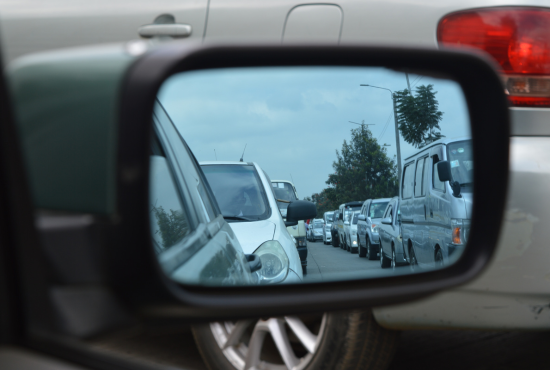
✔ Ignoring Mirror Cleaning:
Mistake: Dirty mirrors can obscure your view.
Solution: Keep mirrors clean and free of obstructions to maintain a clear view.
Table: Mirror Maintenance Mistakes
| Mistake | Solution |
|---|---|
| Infrequent Adjustments | Adjust mirrors every time you drive |
| Ignoring Mirror Cleaning | Keep mirrors clean and free of obstructions |
How to Check Blind Spots Using Mirrors
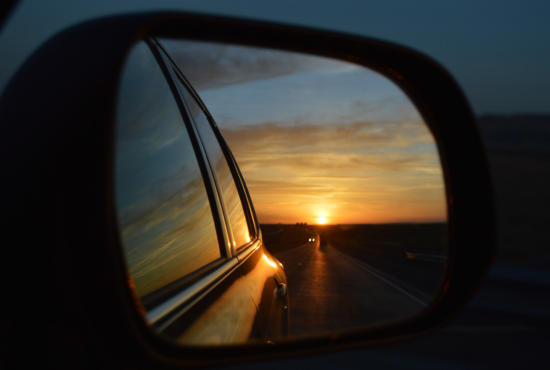
Blind spots are areas around your vehicle that cannot be seen through your mirrors alone. Properly checking blind spots is crucial for safe driving, especially when changing lanes or merging. Here’s how to effectively use your mirrors to minimize blind spots and ensure a safe driving experience:
Effective Mirror Adjustment Techniques
✔ Understanding Blind Spots
Blind spots are typically located just behind your peripheral vision, to the sides of your vehicle. While mirrors help reduce these blind spots, they cannot eliminate them entirely. It’s essential to know how to check these areas properly to avoid accidents.
✔ Utilizing Your Mirrors
✔ Adjust Your Mirrors Correctly:
Rearview Mirror: Ensure you have a full view of the rear window.
Driver’s Side Mirror: Lean your head against the driver’s window and adjust the mirror so you can barely see the side of your car.
Passenger’s Side Mirror: Lean towards the center of the car and adjust the mirror so you can just see the side of your car.
Table: Mirror Adjustment for Blind Spots
| Mirror | Adjustment Technique |
|---|---|
| Rearview Mirror | Full view of the rear window |
| Driver’s Side Mirror | Lean towards the car center, adjust to see car’s side |
| Passenger’s Side Mirror | Lean towards the car center, adjust to see the car’s side |
✔ Using Mirrors to Minimize Blind Spots:
Driver’s Side Mirror: While driving, glance at the driver’s side mirror to check for vehicles in the left lane.
Passenger’s Side Mirror: Use the passenger’s side mirror to check for vehicles in the right lane.
✔ Checking Blind Spots Manually
Even with well-adjusted mirrors, manually checking your blind spots is crucial:
✔ Quick Shoulder Check:
Before Changing Lanes: Quickly glance over your shoulder to the left or right to check for any vehicles in your blind spots.
Merging: Look over both shoulders to ensure the lanes are clear before merging.
✔ Combining Mirror and Manual Checks:
Mirrors First: Use your mirrors to get a preliminary view of the adjacent lanes.
Manual Check: Follow up with a quick shoulder check to confirm there are no vehicles in your blind spots.
Table: Steps for Checking Blind Spots
| Action | Details |
|---|---|
| Adjust Mirrors | Ensure proper mirror adjustment to minimize blind spots |
| Quick Shoulder Check | Glance over your shoulder before changing lanes or merging |
| Combine Checks | Use mirrors first, then perform a manual shoulder check |
✔ Practicing Blind Spot Checks
✔ Regular Practice:
Daily Driving: Make blind spot checks a routine part of your driving habits.
Practice in Safe Areas: Use parking lots or quiet streets to practice checking blind spots without the pressure of heavy traffic.
✔ Awareness During Lane Changes:
Constant Vigilance: Always be aware of the vehicles around you and anticipate when you will need to check your blind spots.
Table: Blind Spot Check Practice
| Practice Area | Details |
|---|---|
| Daily Driving | Incorporate blind spot checks into everyday driving habits |
| Safe Areas | Practice in parking lots or quiet streets |
| Lane Changes | Maintain constant awareness and anticipate blind spot checks |
✔ Advanced Tips for Blind Spot Checks
✔ Use Technology:
Blind Spot Monitors: Some vehicles are equipped with blind spot monitoring systems that alert you to vehicles in your blind spots.
Rearview Cameras: Use rearview cameras to enhance visibility when reversing or changing lanes.
✔ Proper Seating Position:
Seat Adjustment: Ensure your seat is adjusted so you can comfortably perform both mirror checks and manual shoulder checks without straining.
Table: Advanced Tips for Blind Spot Checks
| Tip | Details |
|---|---|
| Blind Spot Monitors | Utilize technology to assist in detecting vehicles in blind spots |
| Rearview Cameras | Enhance visibility with rearview cameras |
| Seat Adjustment | Ensure a comfortable seating position for effective checks |
The Role of Mirrors in Lane Changes and Merging
Mirrors play a critical role in ensuring safe lane changes and merging. Properly adjusted mirrors provide a clear view of the traffic behind and beside your vehicle, helping you make informed decisions. Here’s how to effectively use your mirrors for lane changes and merging:
Effective Mirror Adjustment Techniques

Effective Mirror Adjustment Techniques
✔ Checking Rearview and Side Mirrors
✔ Rearview Mirror:
Always start by checking your rearview mirror to see the traffic directly behind you. This helps you gauge the speed and distance of vehicles approaching from behind.
✔ Side Mirrors:
Check your side mirrors to monitor the traffic in the lanes next to you. Adjust them so you have a minimal blind spot and a clear view of vehicles approaching from the rear and side.
Table: Mirror Checks for Lane Changes and Merging
| Mirror | Purpose |
|---|---|
| Rearview Mirror | Monitor traffic directly behind your vehicle |
| Side Mirrors | Check for vehicles in adjacent lanes and reduce blind spots |
✔ Steps for Safe Lane Changes
Signal Early: Indicate your intention to change lanes well in advance using your turn signals. This alerts other drivers to your planned maneuver.
Check Mirrors: Use your rearview and side mirrors to ensure the lane you intend to move into is clear.
Perform a Quick Shoulder Check: Look over your shoulder to double-check for vehicles in your blind spot.
Change Lanes Smoothly: Once you’ve confirmed it’s safe, change lanes smoothly without abrupt movements.
Table: Steps for Lane Changes
| Step | Details |
|---|---|
| Signal Early | Use turn signals to indicate your intention |
| Check Mirrors | Use rearview and side mirrors to check for traffic |
| Quick Shoulder Check | Look over your shoulder to check blind spots |
| Change Lanes Smoothly | Move into the lane smoothly and safely |
✔ Merging onto Highways
Use Entrance Ramps: Accelerate to match the speed of the traffic on the highway while using the entrance ramp.
Check Mirrors and Blind Spots: Use your mirrors to monitor the flow of traffic on the highway. Perform a shoulder check to ensure there are no vehicles in your blind spot.
Merge Smoothly: Signal your intention to merge and smoothly enter the highway, adjusting your speed to fit into the traffic flow.
Table: Steps for Merging
| Step | Details |
|---|---|
| Use Entrance Ramps | Accelerate to match highway traffic speed |
| Check Mirrors and Blind Spots | Monitor traffic flow and check blind spots |
| Merge Smoothly | Signal and merge smoothly into the highway traffic |
Mirror Adjustment for Night Driving
Driving at night presents unique challenges, including reduced visibility and glare from other vehicles’ headlights. Proper mirror adjustment is crucial to maintain visibility and reduce glare:
✔ Adjusting Rearview Mirror for Night
✔ Use the Night Setting:
Most rearview mirrors have a night setting (a small lever or button). Adjust it to reduce the glare from headlights behind you.
✔ Check Visibility:
Ensure that the mirror is still positioned to provide a clear view of the road behind you.
Table: Rearview Mirror Adjustment for Night
| Adjustment | Purpose |
|---|---|
| Night Setting | Reduces glare from headlights |
| Visibility Check | Ensures clear view of the road behind |
✔ Adjusting Side Mirrors for Night
✔ Tilt Slightly Downward:
Tilting the side mirrors slightly downward can help reduce glare from headlights of vehicles behind you.
✔ Ensure Clear View:
Make sure that the mirrors still provide a clear view of the lanes next to you.
Table: Side Mirror Adjustment for Night
| Adjustment | Purpose |
|---|---|
| Tilt Downward | Reduces glare from headlights |
| Visibility Check | Ensures clear view of adjacent lanes |
Maintaining Clean and Clear Mirrors
Clean and clear mirrors are essential for safe driving. Dirty or smudged mirrors can obscure your view and increase the risk of accidents:
✔ Regular Cleaning
✔ Use Appropriate Cleaning Products:
Use a glass cleaner and a soft cloth to clean your mirrors regularly. Avoid abrasive materials that can scratch the surface.
✔ Clean Both Inside and Out:
Ensure that both the inside and outside surfaces of the mirrors are clean.
Table: Cleaning Tips
| Tip | Details |
|---|---|
| Use Glass Cleaner | Use appropriate products to avoid scratches |
| Clean Both Sides | Ensure both inside and outside surfaces are clean |
✔ Inspecting for Damage
✔ Regular Inspections:
Inspect your mirrors regularly for cracks, chips, or any other damage that could impair your visibility.
✔ Repair or Replace:
Repair or replace damaged mirrors promptly to ensure clear visibility.
Table: Inspection Tips
| Tip | Details |
|---|---|
| Regular Inspections | Check for cracks, chips, or other damage |
| Repair or Replace | Promptly address any damage to maintain clear visibility |
Maintaining properly adjusted and clean mirrors ensures that you have a clear and unobstructed view of the road, which is essential for safe driving. Whether you’re changing lanes, merging, or driving at night, effective use of your mirrors can significantly enhance your safety on the road.
Ready to schedule your New York State road test quickly and conveniently? Don’t wait weeks for an appointment! At Road Test NY, we offer expedited scheduling services to fit your needs. Choose from our Regular, Rush, or Super Rush options to secure your road test in as little as one week.
With over 10 years of experience and more than 100,000 satisfied customers, we guarantee a hassle-free booking process. Visit www.roadtestsny.com to book your road test now and cut your wait time significantly.
Use our simple online booking system, available 24/7, to find the nearest road test location by zip code. Our concierge customer service team is here to help you every step of the way.
And get on the road to becoming a licensed driver faster!
Frequently Asked Questions (FAQs)
Q: Why is proper mirror adjustment important for safe driving? A: Proper mirror adjustment ensures that you have a clear view of the traffic around you, reducing blind spots and helping you make informed decisions while driving.
Q: How often should I check and adjust my mirrors? A: You should check and adjust your mirrors every time you get into your car, especially if someone else has driven it since you last did.
Q: What is the night setting on a rearview mirror? A: The night setting, often a small lever or button on the rearview mirror, reduces glare from the headlights of vehicles behind you, enhancing nighttime driving visibility.
Q: How can I reduce blind spots when adjusting my side mirrors? A: Adjust your side mirrors outward just enough so that you can see a small part of your car’s side. This reduces blind spots by covering more of the adjacent lanes.
Q: What should I do if my mirrors are damaged? A: If your mirrors are cracked, chipped, or otherwise damaged, repair or replace them promptly to ensure clear visibility.
Conclusion
Proper mirror adjustment is crucial for safe driving. By understanding the importance of each mirror and knowing how to adjust them correctly, you can significantly enhance your driving safety. Regularly cleaning and maintaining your mirrors ensures clear visibility, reducing the risk of accidents. Whether you’re changing lanes, merging, or driving at night, well-adjusted and clean mirrors are essential tools for any driver. Make mirror adjustment a part of your regular driving routine to ensure you always have a clear view of the road and the traffic around you.