
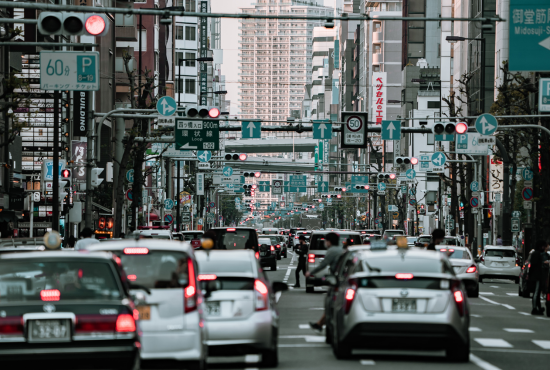
Navigating Complex Intersections on Test Routes
Complex intersections can be one of the most challenging aspects of driving, especially during a road test. These intersections often involve multiple lanes, various traffic signals, and the need to make quick decisions while staying safe. For new drivers, mastering complex intersections is crucial to passing the road test and becoming a confident, responsible driver. In this blog post, we will explore the importance of understanding and practicing how to handle these intersections effectively. By learning the key strategies and common mistakes to avoid, you’ll be better prepared to face any complex intersection on your test route with confidence.
Key Takeaways
✔ Understand the Types: Familiarize yourself with different types of complex intersections like multi-lane, roundabouts, and unmarked intersections.
✔ Practice Regularly: Repeated practice on these routes is crucial for mastering navigation.
✔ Stay Calm: Manage your stress and stay focused during the test to make accurate decisions.
✔ Avoid Common Mistakes: Be aware of common pitfalls and work to avoid them.
✔ Use Technology: Leverage GPS and driving simulation apps to enhance your practice.
Understanding Complex Intersections
Complex intersections are areas where multiple roads meet, often involving several lanes, traffic lights, turn signals, and sometimes even pedestrian crossings. These intersections can be daunting for new drivers, as they require careful observation, quick decision-making, and precise vehicle control. Understanding how these intersections work is essential for ensuring your safety and the safety of others on the road.
At complex intersections, you may encounter a variety of challenges, such as determining the correct lane to be in, knowing when and how to merge, and making sure to yield to other vehicles and pedestrians appropriately. Traffic signals and signs at these intersections often have multiple phases, which means that you need to be aware of the different lights, arrows, and signs that guide the flow of traffic. Understanding these elements and practicing how to navigate through complex intersections will not only help you during your road test but will also be a valuable skill for your everyday driving experience.
Navigating Complex Intersections on Test Routes

Navigating Complex Intersections on Test Routes
Common Types of Complex Intersections
✔ Multi-Lane Intersections
Multi-lane intersections are where several lanes of traffic converge, often including multiple turning lanes, through lanes, and sometimes bike lanes. These intersections require you to be highly aware of lane markings and signage to ensure that you are in the correct lane for your intended direction. Making a mistake here, such as being in the wrong lane for a turn, can result in dangerous situations or even failing your road test.
✔ Roundabouts
Roundabouts are circular intersections where traffic moves in one direction around a central island. Unlike traditional intersections, roundabouts require you to yield to traffic already in the circle, enter when there is a safe gap, and exit at your desired point. Navigating roundabouts can be tricky, especially if you’re unfamiliar with their flow, but mastering them is crucial as they are becoming more common in urban planning.
✔ Intersections with Traffic Lights and Signs
Intersections with traffic lights and signs are common in both urban and suburban areas. These intersections often have multiple phases for different directions of traffic, including protected and unprotected turns, pedestrian crossings, and sometimes even bike lanes. Understanding the meaning of each signal and sign, as well as knowing when to stop, yield, or go, is vital for safely navigating these intersections.
✔ Unmarked Intersections
Unmarked intersections are those without clear signage, traffic lights, or lane markings. These intersections often rely on drivers’ understanding of right-of-way rules, making them more challenging to navigate, especially for inexperienced drivers. Knowing who has the right of way, when to proceed with caution, and how to communicate with other drivers through signals and eye contact is essential for handling these intersections safely.
Challenges of Navigating Complex Intersections
Navigating Complex Intersections on Test Routes

Navigating Complex Intersections on Test Routes
✔ Heavy Traffic and Congestion
Navigating complex intersections can be particularly challenging during times of heavy traffic and congestion. With multiple vehicles vying for space, it can be difficult to find the right moment to move through the intersection safely. Drivers must be patient and alert, keeping an eye on the traffic flow, looking for gaps to merge, and being aware of other drivers who may make sudden lane changes or turns.
✔ Multiple Signal Changes
Complex intersections often involve multiple signal changes, including green, yellow, and red lights, as well as turn signals and pedestrian crossings. Understanding the timing of these signals is crucial, especially when they change rapidly. Missing a signal or reacting too slowly can result in mistakes such as running a red light or not yielding properly, both of which can negatively impact your road test.
✔ Pedestrian and Cyclist Crossings
In urban areas, complex intersections frequently include pedestrian and cyclist crossings, adding another layer of difficulty. Drivers must be vigilant and ready to stop for pedestrians and cyclists, who may cross at unexpected times. Understanding the rules of right-of-way for pedestrians and cyclists, and being able to anticipate their movements, is essential for navigating these intersections safely and successfully.
Strategies for Navigating Complex Intersections
Navigating Complex Intersections on Test Routes

Navigating Complex Intersections on Test Routes
✔ Approaching Intersections with Caution
When approaching a complex intersection, it’s essential to slow down and assess the situation before making any moves. Look for signs, signals, and road markings that provide guidance on how to navigate the intersection. It’s important to be prepared for unexpected situations, such as other drivers making sudden stops or turns. Keep your foot ready to brake and your hands on the wheel, ensuring you’re in full control of your vehicle.
✔ Identifying and Following Traffic Signs and Signals
Understanding and correctly interpreting traffic signs and signals is key to safely navigating complex intersections. This includes knowing when to stop, yield, or proceed with caution. Pay attention to any directional signs that indicate lane usage, as well as any no-turn signs that might restrict your movement. Being aware of all the signals around you, including those for pedestrians and cyclists, helps you make informed decisions and avoid mistakes.
✔ Maintaining Safe Speeds and Distances
Speed control is critical when dealing with complex intersections. Always approach and navigate intersections at a controlled speed, allowing enough time to react to changing conditions. Maintain a safe distance from the vehicle in front of you, so you have enough space to stop or maneuver if necessary. This also gives you a better view of the intersection and the actions of other drivers, which is essential for safe navigation.
✔ Yielding and Right-of-Way Rules
Yielding correctly and understanding right-of-way rules are vital when navigating complex intersections. Whether it’s yielding to oncoming traffic when making a left turn or giving pedestrians the right of way, knowing when to wait and when to proceed is crucial. Always be prepared to yield even if you have the right-of-way if it means avoiding a collision or dangerous situation. Respecting these rules not only ensures your safety but also the safety of others on the road.
Common Mistakes to Avoid at Complex Intersections
Navigating Complex Intersections on Test Routes

Navigating Complex Intersections on Test Routes
✔ Ignoring Signal Changes
One of the most common mistakes drivers make at complex intersections is ignoring or misinterpreting signal changes. This can happen when a driver is distracted or in a hurry and fails to notice that a light has turned red or that a pedestrian signal has been activated. Missing these signal changes can lead to dangerous situations, such as running a red light or colliding with pedestrians or other vehicles. To avoid this, stay alert and focused on the traffic signals, and always prepare to stop or change your course of action when necessary.
✔ Failing to Yield Properly
Failing to yield when required is another frequent mistake at complex intersections. This often occurs when drivers are uncertain about right-of-way rules or are too aggressive in trying to move through the intersection. For example, not yielding to oncoming traffic when making a left turn or failing to allow pedestrians to cross can result in accidents. To avoid this, make sure you understand the yielding rules and approach intersections with patience, giving others the right-of-way when it’s appropriate.
✔ Misjudging the Timing of Turns
Misjudging the timing of turns, especially at busy intersections, can lead to collisions or near misses. This mistake is common when drivers are unsure about how much time they have to complete a turn before oncoming traffic arrives or when they miscalculate the speed of approaching vehicles. It’s crucial to wait for a clear gap in traffic and make your turn smoothly and decisively. Rushing or hesitating during a turn can create dangerous situations, so it’s important to stay calm and wait for the right moment to execute the turn safely.
Practicing Complex Intersections for Test Routes
Navigating Complex Intersections on Test Routes

Navigating Complex Intersections on Test Routes
✔ Identifying Key Test Route Intersections
Before your road test, it’s essential to identify the key complex intersections that may be part of your test route. These intersections could include multi-lane crossings, roundabouts, or intersections with multiple traffic signals. Understanding where these challenging spots are located will help you prepare better by focusing your practice sessions on these areas. You can also ask experienced drivers or your driving instructor about the specific intersections that are commonly included in the test routes in your area.
✔ Simulating Test Scenarios
To build confidence in navigating complex intersections, simulate test scenarios during your practice sessions. This means approaching each intersection as if you are taking the road test, following all the rules and procedures just as you would on test day. Practice making turns, changing lanes, and yielding in various traffic conditions. By repeatedly going through these scenarios, you’ll develop a routine that will make you more comfortable and less likely to make mistakes during the actual test.
✔ Seeking Feedback from Instructors
One of the most valuable resources in mastering complex intersections is the feedback from your driving instructor. They can observe your approach to these intersections and offer specific advice on areas where you can improve. Whether it’s adjusting your timing when entering a roundabout or improving your awareness of pedestrian crossings, your instructor’s feedback is crucial for refining your skills. Don’t hesitate to ask for extra practice on complex intersections if you feel you need it, and make sure to address any issues before your road test.
Utilizing Technology to Master Complex Intersections
Navigating Complex Intersections on Test Routes

Navigating Complex Intersections on Test Routes
✔ GPS and Navigation Tools
GPS and navigation tools can be incredibly helpful when preparing for complex intersections on your road test. These tools allow you to familiarize yourself with the layout of the test route in advance, including any challenging intersections. Many GPS systems can provide real-time traffic updates, alerting you to potential congestion or changes in traffic flow, which is especially useful when practicing. By using GPS, you can plan your route, anticipate turns, and be prepared for any difficult intersections well before you encounter them on test day.
✔ Driving Simulation Apps
Driving simulation apps are another valuable resource for mastering complex intersections. These apps provide a virtual environment where you can practice navigating different types of intersections without the pressure of real-world driving. Simulations often include scenarios like multi-lane intersections, roundabouts, and intersections with varying traffic signals and signs. This practice can help reinforce your understanding of right-of-way rules, timing, and the correct use of signals. By using these tools regularly, you can build confidence and improve your ability to handle complex intersections during your road test.
Preparing for Complex Intersections on Test Day
Navigating Complex Intersections on Test Routes
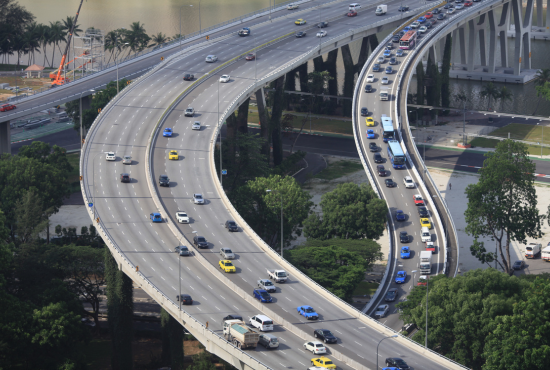
Navigating Complex Intersections on Test Routes
✔ Reviewing Key Intersection Rules
Before your road test, it’s crucial to review the key rules for navigating complex intersections. Make sure you fully understand right-of-way rules, how to interpret traffic signals, and the correct procedures for making turns at multi-lane intersections. Familiarize yourself with the different types of intersections you may encounter, such as roundabouts, intersections with traffic lights, and unmarked intersections. This review will help reinforce the knowledge you need to approach these intersections with confidence.
✔ Staying Calm and Focused
On the day of your test, staying calm and focused is essential, especially when approaching complex intersections. Nervousness can lead to mistakes, so take deep breaths and remind yourself of the preparation you’ve done. Pay close attention to the road ahead and to other vehicles, pedestrians, and cyclists. By remaining calm, you can make better decisions, such as when to proceed or yield, ensuring you navigate intersections safely and efficiently.
✔ Managing Time Effectively
Managing your time effectively on test day is also important for handling complex intersections. Allow yourself plenty of time to reach the test center to avoid any last-minute rush that could increase anxiety. During the test, don’t rush through intersections—take your time to assess the situation, check all mirrors, and ensure it’s safe to proceed. Proper time management will help you maintain a steady pace, reducing the risk of errors as you navigate through complex intersections.
Call-to-Action
Ready to excel in your road test? Start practicing complex intersections today and ensure you’re fully prepared. If you need assistance scheduling your road test or want more tips on preparation, Contact Us or Schedule Your Road Test Now with our easy-to-use online system.
Frequently Asked Questions (FAQs)
Q1: What should I do if I’m unsure about a specific intersection on my test route?
A1: If you’re unsure about a specific intersection, it’s important to practice navigating it before your test. Familiarize yourself with the intersection by driving through it multiple times if possible. You can also review traffic rules and signals associated with that intersection. Asking your driving instructor for guidance can also be helpful.
Q2: How can I improve my confidence when approaching complex intersections?
A2: Confidence can be improved through practice. Repeatedly practice navigating complex intersections and get feedback from a driving instructor. Use driving simulation apps to practice various scenarios and reinforce your knowledge. Staying calm and focused on test day will also help boost your confidence.
Q3: What are the most common mistakes made at complex intersections?
A3: Common mistakes include ignoring signal changes, failing to yield properly, misjudging the timing of turns, and not properly assessing the flow of traffic. It’s important to be aware of these mistakes and practice avoiding them.
Q4: How can technology help with mastering complex intersections?
A4: Technology such as GPS and navigation tools can help by providing real-time directions and alerts about upcoming intersections. Driving simulation apps can offer practice scenarios that mimic real-life situations, helping you get used to different types of intersections.
Q5: What should I focus on the day before my road test?
A5: The day before your test, review key intersection rules, ensure your vehicle is in good condition, and get a good night’s rest. Focus on calming any nerves and mentally rehearsing your strategies for navigating complex intersections.
Conclusion
Navigating complex intersections can be one of the more challenging aspects of your road test, but with proper preparation, you can handle them confidently. Understanding the types of intersections, practicing common maneuvers, and staying aware of your surroundings are all key to mastering these areas. By preparing thoroughly and employing the strategies discussed, you’ll be well-equipped to tackle complex intersections and increase your chances of road test success.