
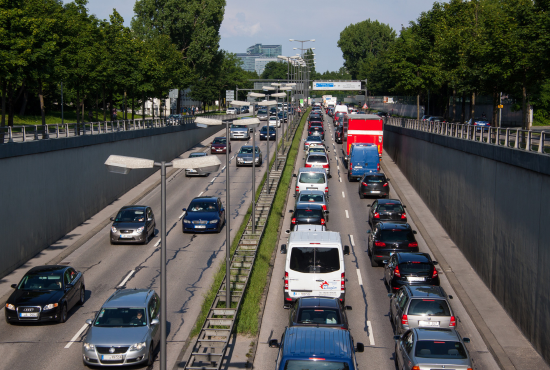
Highway Driving Evaluation During Road Tests
Introduction
The Importance of Highway Driving in Your Road Test Highway driving is a crucial component of many road tests, reflecting your ability to handle high-speed and high-traffic situations safely and effectively. Mastering highway driving demonstrates your proficiency in managing speed, merging, lane changes, and defensive driving, which are essential for ensuring road safety.
How Mastering Highway Driving Can Enhance Your Test Performance Mastering highway driving not only boosts your confidence but also significantly improves your chances of scoring well on your road test. A solid grasp of highway driving skills showcases your ability to navigate complex driving scenarios, adhere to traffic regulations, and maintain safe driving practices, all of which are key factors in achieving a passing score.
Key Takeaways
✔ Practice Regularly: Rehearse key highway driving skills to build confidence and competence.
✔ Stay Calm: Manage test anxiety with preparation and relaxation techniques.
✔ Follow Guidelines: Adhere to speed limits, signaling protocols, and defensive driving practices.
✔ Prepare Thoroughly: Use drills, simulations, and mock tests to ensure you’re ready for the real test.
Understanding Highway Driving Requirements
Highway Driving Evaluation During Road Tests

Highway Driving Evaluation During Road Tests
✔ Key Elements of Highway Driving Evaluated in Road Tests
✔ Merging and Exiting: Demonstrating smooth and safe merging onto the highway from entrance ramps and exiting the highway without causing disruptions.
✔ Lane Changes: Effectively and safely changing lanes on the highway, including checking blind spots and using turn signals properly.
✔ Speed Control: Maintaining an appropriate and legal speed relative to the speed limit and traffic flow, and adjusting speed according to road conditions.
✔ Following Distance: Keeping a safe distance between your vehicle and the vehicle in front, allowing enough time to react to sudden changes in traffic conditions.
✔ Defensive Driving: Anticipating and reacting to the actions of other drivers, including maintaining awareness of the traffic around you and adjusting your driving accordingly.
✔ Common Highway Driving Scenarios You Might Encounter
✔ Merging onto the Highway: You’ll be assessed on how well you gauge the speed of traffic and adjust your own speed to merge safely.
✔ Navigating Through Traffic: Handling heavy traffic situations, including maintaining proper following distances and lane discipline.
✔ Exiting the Highway: Demonstrating safe and controlled exits from the highway, including checking mirrors and signaling your intentions.
✔ Handling Lane Changes: Properly executing lane changes, particularly when transitioning between lanes on busy highways.
✔ Responding to Traffic Flow Changes: Adjusting your speed and lane position in response to varying traffic conditions, such as slowing down for construction zones or dealing with sudden stops.
Understanding and practicing these key elements will help you perform confidently and competently during your road test, ensuring a higher chance of passing on your first attempt.
Safe Merging and Lane Changes
Highway Driving Evaluation During Road Tests

Highway Driving Evaluation During Road Tests
✔ How to Properly Merge Onto the Highway
✔ Evaluate Traffic Conditions: Before merging, assess the speed and flow of traffic on the highway. Use your mirrors and check your blind spots to ensure there is a clear gap.
✔ Accelerate to Match Speed: Adjust your speed to match that of the highway traffic. Accelerate smoothly as you approach the merge point to fit seamlessly into the flow.
✔ Signal Your Intentions: Use your turn signal well in advance to indicate your intention to merge. This alerts other drivers and provides them with the opportunity to adjust their speed or position if needed.
✔ Maintain a Safe Distance: Enter the highway with sufficient space between your vehicle and those already on the highway. Avoid cutting in too closely in front of other vehicles.
✔ Steer Smoothly: As you merge, keep your steering smooth and gradual to ensure a controlled entry onto the highway. Avoid sudden movements or sharp turns.
✔ Techniques for Smooth and Safe Lane Changes
✔ Check Mirrors and Blind Spots: Before changing lanes, thoroughly check your mirrors and blind spots to ensure there are no vehicles in your intended lane.
✔ Use Turn Signals: Signal your intention to change lanes well before making the move. This informs other drivers of your planned maneuver and helps prevent potential collisions.
✔ Ensure Safe Gap: Ensure there is a sufficient gap in the lane you are moving into. Avoid lane changes in heavy traffic where there may not be enough space.
✔ Execute the Change Smoothly: Move into the new lane with smooth steering. Avoid abrupt movements or quick swerves that can startle other drivers.
✔ Adjust Speed as Needed: After changing lanes, adjust your speed to match the flow of traffic in the new lane. Maintain a consistent speed to avoid creating traffic disruptions.
✔ What Examiners Look for During Merging and Lane Changes
✔ Signal Usage: Proper and timely use of turn signals is crucial. Examiners look for clear and early signaling before merging or changing lanes.
✔ Mirror and Blind Spot Checks: Examiners pay attention to whether you check your mirrors and blind spots before making a lane change or merging.
✔ Smooth Execution: Examiners assess how smoothly and safely you merge onto the highway or change lanes, ensuring you do not disrupt the flow of traffic.
✔ Maintaining Safe Distances: They look for appropriate spacing between your vehicle and others. This includes checking that you do not merge too closely in front of other vehicles or make abrupt lane changes.
✔ Speed Adjustments: Ensuring that you adjust your speed appropriately when merging and during lane changes is key. Examiners will evaluate whether you maintain a consistent and legal speed throughout these maneuvers.
Maintaining Safe Speeds
Highway Driving Evaluation During Road Tests

Highway Driving Evaluation During Road Tests
✔ Understanding Speed Limits and How to Adhere to Them
✔ Know the Speed Limits: Be aware of the posted speed limits on highways and other roadways. Speed limits can vary by location, so always check for signs indicating the maximum allowable speed.
✔ Obeying Speed Limits: Ensure you drive within the posted speed limit at all times. Exceeding or driving below the limit can result in point deductions or even failure.
✔ Speed Limit Signs: Pay attention to speed limit signs as they may change due to different road conditions or areas such as construction zones or school zones.
✔ Adjusting Speed for Different Highway Conditions
✔ Weather Conditions: Reduce your speed during adverse weather conditions such as rain, fog, or snow. Adjusting your speed ensures better control and reduces the risk of accidents.
✔ Traffic Flow: Adapt your speed to match the flow of traffic. If traffic is moving slower than the posted speed limit, adjust your speed accordingly to maintain a safe distance from other vehicles.
✔ Road Conditions: Be mindful of road conditions, such as curves, hills, or construction zones. Reduce your speed to navigate these areas safely and avoid sudden movements.
✔ Intersections and Exits: Slow down when approaching highway exits or interchanges. These areas often require reduced speed for safe entry or exit and to navigate any potential traffic changes.
✔ Avoiding Speeding and Under-Speeding During the Test
✔ Avoid Speeding: Ensure you do not exceed the speed limit. Examiners will look for adherence to speed limits, and speeding can lead to point deductions or test failure.
✔ Prevent Under-Speeding: Driving too slowly can be as problematic as speeding. Maintain a speed that is safe and appropriate for the conditions and traffic flow. Under-speeding can disrupt traffic and may also result in deductions.
✔ Consistent Speed: Aim to drive at a consistent speed that aligns with the flow of traffic and road conditions. Sudden changes in speed can be seen as a lack of control or awareness.
✔ Monitoring Speed: Regularly check your speedometer to ensure you are driving within legal limits. This habit helps you stay aware of your speed and avoid unintentional speeding or under-speeding.
By adhering to these practices, you’ll demonstrate a strong understanding of speed management during your road test, which is crucial for passing and ensuring safe driving habits.
Proper Use of Signals and Communication
Highway Driving Evaluation During Road Tests

Highway Driving Evaluation During Road Tests
✔ The Role of Turn Signals When Merging or Changing Lanes
✔ Indicating Lane Changes: Use your turn signals to clearly indicate your intention to change lanes. This alerts other drivers to your movements and helps maintain safety on the highway.
✔ Merging onto the Highway: When merging onto the highway from an on-ramp, use your turn signal to notify other drivers of your entry. Signal well in advance to give other drivers time to adjust their speed or position.
✔ Turning Off the Highway: When exiting the highway, use your turn signal to indicate your exit. Signal before you reach the exit ramp to provide clear notice to drivers around you.
✔ Communicating Effectively with Other Drivers on the Highway
✔ Maintaining Awareness: Stay aware of the positions and movements of other vehicles. Use your mirrors and check your blind spots regularly to ensure you’re aware of your surroundings.
✔ Using Signals for Safe Merging: Always use your turn signals when changing lanes or merging to inform other drivers of your intentions. This reduces the risk of accidents and ensures smoother traffic flow.
✔ Maintaining Safe Distance: Keep a safe following distance from the vehicle ahead. This not only gives you time to react to sudden stops but also avoids aggressive driving behaviors.
✔ Responding to Other Drivers: If another driver signals to change lanes or merge, adjust your speed or position to accommodate their movement safely. Effective communication on the road is a two-way process.
✔ How Examiners Assess Your Use of Signals
✔ Timeliness of Signals: Examiners will evaluate whether you use your turn signals in a timely manner. Signaling too late or not signaling at all can lead to deductions.
✔ Consistency: Ensure you consistently use turn signals when required. Consistent signaling demonstrates your awareness and adherence to safe driving practices.
✔ Clear Communication: Examiners assess how clearly you communicate your intentions through signals. Ambiguous or unclear signaling can lead to misunderstandings and potential hazards.
✔ Signal Use in Various Situations: Your examiner will observe how you use signals in different scenarios, such as merging, changing lanes, and turning. Proper use in all situations is crucial for demonstrating safe driving habits.
By mastering the proper use of signals and effective communication with other drivers, you’ll showcase your ability to navigate highway driving safely and responsibly during your road test.
Defensive Driving on Highways
Highway Driving Evaluation During Road Tests

Highway Driving Evaluation During Road Tests
✔ Techniques for Defensive Driving and Keeping Safe Distance
✔ Maintaining Safe Following Distance: Use the “three-second rule” to ensure you have enough space between you and the vehicle in front. This gives you ample time to react to sudden stops or emergencies.
✔ Adjusting to Traffic Flow: Keep pace with the flow of traffic, but avoid speeding. Be aware of vehicles around you and adjust your speed to match the conditions and traffic patterns.
✔ Positioning Your Vehicle: Position your vehicle in the lane that best matches your intended route. Avoid lingering in blind spots and make sure you’re visible to other drivers.
✔ Avoiding Aggressive Driving: Stay calm and avoid aggressive behaviors such as tailgating, excessive lane changes, or sudden accelerations. Defensive driving emphasizes patience and smooth driving.
✔ How to Anticipate and React to Potential Hazards
✔ Scanning the Road Ahead: Continuously scan the road ahead for potential hazards such as merging vehicles, abrupt lane changes, or road conditions. Look well ahead to anticipate potential issues.
✔ Checking Mirrors Regularly: Regularly check your mirrors and blind spots to stay aware of surrounding traffic and potential hazards. This helps you react promptly if another vehicle changes lanes or approaches.
✔ Preparing for Weather Conditions: Adjust your driving according to weather conditions such as rain, fog, or snow. Increase your following distance and reduce speed in adverse weather to maintain control.
✔ Reacting to Unexpected Situations: Be prepared to react calmly and safely to unexpected situations, such as a vehicle suddenly braking or road debris. Use your judgment to navigate safely around obstacles.
✔ Demonstrating Defensive Driving Skills to Examiners
✔ Consistent Awareness: Show your examiner that you are consistently aware of your surroundings by scanning the road, checking mirrors, and adjusting your driving as needed.
✔ Safe Lane Changes: When changing lanes, use your mirrors, signal clearly, and check your blind spots. Ensure that you make safe and smooth lane changes without cutting off other drivers.
✔ Safe Following Distance: Demonstrate your ability to maintain a safe following distance throughout the highway driving portion of your test. This shows that you’re prepared for sudden stops or changes in traffic flow.
✔ Anticipatory Driving: Exhibit anticipatory driving by preparing for potential hazards and adjusting your speed and position proactively. This shows that you’re not just reacting to immediate situations but also planning for possible risks.
By implementing these defensive driving techniques and demonstrating them effectively during your road test, you’ll show your ability to handle highway driving safely and responsibly.
Handling High Traffic and Heavy Vehicles
Highway Driving Evaluation During Road Tests

Highway Driving Evaluation During Road Tests
✔ Strategies for Navigating Through High Traffic Areas
✔ Maintain a Safe Following Distance: In heavy traffic, keeping a safe distance from the vehicle in front allows for adequate reaction time and reduces the risk of rear-end collisions.
✔ Stay in Your Lane: Avoid weaving between lanes to gain speed. Stick to your lane and follow the flow of traffic. Use turn signals if lane changes are necessary.
✔ Plan Your Lane Changes: If you need to change lanes, do so with careful planning. Use your mirrors and check blind spots before making any moves. Avoid abrupt lane changes that could disrupt the flow of traffic.
✔ Be Patient and Calm: Heavy traffic can be frustrating, but it’s important to stay patient. Avoid aggressive driving behaviors and focus on maintaining a steady pace.
✔ Use GPS or Traffic Apps: Utilize navigation tools to stay informed about traffic conditions and potential delays. This can help you plan alternate routes if needed.
✔ Properly Passing and Dealing with Heavy Trucks
✔ Pass with Caution: When passing heavy trucks, ensure you have ample visibility and space. Accelerate quickly and smoothly to move past the truck without lingering in its blind spots.
✔ Maintain Safe Distance: Stay out of the truck’s blind spots, especially while passing. Ensure you can see the truck’s mirrors before moving back into your lane.
✔ Avoid Cutting Off Trucks: Never cut off a truck when merging or changing lanes. Trucks require more time and distance to stop or maneuver, so give them plenty of space.
✔ Be Mindful of Wind Effects: Large trucks can create turbulence that affects your vehicle’s stability. Be prepared for sudden changes in wind and adjust your steering and speed accordingly.
✔ Maintaining Control and Composure in Busy Highway Conditions
✔ Stay Focused: Keep your attention on the road and avoid distractions. Stay aware of other drivers and potential hazards around you.
✔ Adjust Speed Accordingly: In busy conditions, adjust your speed to match the traffic flow. Avoid speeding up unnecessarily or abruptly slowing down.
✔ Use Defensive Driving Techniques: Anticipate the actions of other drivers and be prepared to react safely. Maintain a defensive driving posture to handle sudden movements or unexpected situations.
✔ Manage Your Stress: High traffic conditions can be stressful, but staying calm is crucial for safe driving. Practice relaxation techniques or deep breathing if you start feeling overwhelmed.
By applying these strategies for handling high traffic and dealing with heavy vehicles, you’ll demonstrate your ability to manage challenging driving conditions effectively and safely. This will help you show your examiner that you can handle complex highway situations with confidence.
Safe Highway Exits and Turns
Highway Driving Evaluation During Road Tests

Highway Driving Evaluation During Road Tests
✔ How to Approach and Navigate Highway Exits Safely
✔ Plan Ahead: As you approach an exit, begin preparing early. Look for exit signs and lane markings to ensure you’re in the correct lane well before reaching the exit.
✔ Signal Early: Use your turn signals well in advance to alert other drivers of your intention to exit. This gives them time to adjust their driving and helps prevent sudden movements.
✔ Reduce Speed Gradually: As you approach the exit ramp, reduce your speed gradually. Exits often have lower speed limits, and sudden braking can be dangerous.
✔ Stay in Your Lane: Follow the designated exit lane and avoid crossing over the lines. Maintain control of your vehicle as you transition from the highway to the exit ramp.
✔ Check for Other Vehicles: Be aware of other vehicles around you, especially those entering or exiting the highway. Use your mirrors and check blind spots to ensure a safe exit.
✔ Techniques for Making Safe Turns off the Highway
✔ Position Your Vehicle Properly: Before making a turn, ensure you are in the correct lane. Use lane markings and road signs to guide you to the appropriate turning lane.
✔ Use Turn Signals: Signal your turn well in advance to inform other drivers of your intentions. This helps in coordinating with other road users and prevents miscommunication.
✔ Adjust Speed for the Turn: Reduce your speed to a safe level before making the turn. Sharp turns at high speeds can lead to loss of control or skidding.
✔ Check for Pedestrians and Cyclists: Be vigilant for pedestrians and cyclists crossing or waiting to cross at intersections. Yield to them as necessary.
✔ Avoid Sharp Turns: Make smooth, controlled turns. Avoid turning too sharply, which can cause your vehicle to veer off course or even lose control.
✔ What Examiners Expect During Highway Exits and Turns
✔ Smooth Transitions: Examiners look for smooth and controlled transitions when exiting the highway or making turns. Abrupt or erratic movements can result in deductions.
✔ Proper Lane Usage: They expect you to use the correct lanes for exiting and turning. Failing to do so can indicate poor lane discipline.
✔ Effective Use of Signals: Proper use of turn signals is crucial. Examiners assess whether you signal in advance and whether your signaling is consistent with your intended maneuvers.
✔ Safe Speed Management: Demonstrating the ability to manage your speed appropriately when exiting the highway or making turns is essential. This shows control and awareness.
✔ Situational Awareness: Examiners expect you to be aware of and react to other road users, traffic signals, and road signs during exits and turns. This includes checking for potential hazards and adjusting your driving accordingly.
By mastering these techniques for safe highway exits and turns, you’ll demonstrate to your examiner that you can handle complex driving situations with confidence and skill. This will be a key factor in achieving a successful outcome on your road test.
Managing Highway Driving Stress
Highway Driving Evaluation During Road Tests

Highway Driving Evaluation During Road Tests
✔ Tips for Staying Calm and Focused During Highway Driving
✔ Practice Relaxation Techniques: Before and during your driving test, use deep breathing exercises or mindfulness techniques to calm your nerves. Taking slow, deep breaths can help reduce anxiety.
✔ Stay Organized: Prepare for your test day by organizing your documents, practicing your driving skills, and planning your route. Knowing you’re well-prepared can ease stress.
✔ Focus on One Task at a Time: Instead of worrying about everything at once, focus on one aspect of driving at a time. For example, concentrate on safe merging before thinking about lane changes.
✔ Keep Your Speed in Check: Maintain a speed that feels comfortable and safe for you. Avoid rushing, as driving too fast can increase anxiety and reduce your ability to react to situations.
✔ Use Positive Visualization: Visualize yourself successfully handling highway driving scenarios. Positive visualization can boost your confidence and reduce stress.
✔ How to Handle Anxiety and Perform Well Under Pressure
✔ Acknowledge Your Anxiety: Accept that feeling nervous is normal. Recognize your anxiety without letting it overwhelm you.
✔ Prepare Thoroughly: Familiarize yourself with highway driving techniques and test routes. The more you practice, the more confident you’ll become.
✔ Stay Physically Relaxed: Maintain a relaxed grip on the steering wheel and keep your shoulders loose. Tension can negatively impact your driving.
✔ Plan for Breaks: If possible, take short breaks during practice sessions to reduce stress. Stretch and relax to keep your mind and body fresh.
✔ Adopt a Positive Mindset: Focus on your strengths and past successes. Remind yourself of your progress and abilities, rather than dwelling on potential mistakes.
✔ Building Confidence Through Practice and Preparation
✔ Practice Regularly: The more you practice highway driving, the more comfortable and confident you’ll become. Include various scenarios like merging, lane changes, and handling high traffic.
✔ Use Simulators or Driving Apps: Practice with driving simulators or apps to experience highway driving in a controlled environment. These tools can help you familiarize yourself with different driving conditions.
✔ Take Lessons with a Driving Instructor: A professional instructor can provide valuable feedback and tips for handling highway driving stress. They can also help you develop a personalized practice plan.
✔ Review Test Requirements: Familiarize yourself with the specific requirements of your driving test related to highway driving. Knowing what to expect can reduce uncertainty and anxiety.
✔ Seek Support: Talk to friends, family, or fellow drivers who have successfully passed their tests. Their experiences and advice can offer encouragement and insights.
By employing these strategies, you can manage stress effectively and enhance your performance during highway driving on your road test. Practicing these techniques will help you feel more at ease and perform confidently under pressure.
Preparing for Highway Driving in Your Road Test
Highway Driving Evaluation During Road Tests

Highway Driving Evaluation During Road Tests
✔ Key Practice Drills to Improve Highway Driving Skills
✔ Merging Drills: Practice merging onto the highway from on-ramps. Focus on adjusting your speed to match highway traffic and checking for blind spots before merging.
✔ Lane Change Practice: Perform lane changes on highways by signaling, checking mirrors, and ensuring you have enough space before changing lanes. Repeat this drill to build confidence.
✔ Speed Adjustment Exercises: Practice maintaining and adjusting your speed according to highway conditions and speed limits. Work on accelerating smoothly and braking safely.
✔ Highway Exits and Turns: Rehearse taking exits from the highway and making turns. Focus on positioning your vehicle correctly and adhering to exit lane markings.
✔ Driving Drills: Practice maintaining safe distances from other vehicles and anticipating potential hazards. Work on defensive driving techniques such as scanning the road ahead and adjusting your driving based on traffic conditions.
✔ Simulation Exercises for Highway Scenarios
✔ Virtual Driving Simulators: Use online driving simulators to experience various highway scenarios. These simulations can help you practice merging, lane changes, and handling heavy traffic in a virtual environment.
✔ Driving Apps: Many driving apps offer simulated highway driving exercises. These can be useful for practicing specific scenarios and receiving feedback on your performance.
✔ Mock Road Tests: Conduct mock road tests with a driving instructor or experienced driver. They can create simulated highway conditions to help you practice and provide feedback on your performance.
✔ Video Tutorials: Watch instructional videos on highway driving techniques. These videos can offer visual demonstrations of proper driving practices and help you understand key concepts.
✔ Final Tips for Successfully Navigating Highway Driving During the Test
✔ Familiarize Yourself with the Test Route: If possible, drive the route where your test will take place to get accustomed to the highway and surrounding areas.
✔ Stay Calm and Focused: Maintain a calm demeanor and focus on your driving. Avoid distractions and keep your attention on the road.
✔ Check Your Mirrors Frequently: Regularly check your mirrors and blind spots to stay aware of your surroundings. Proper mirror use is crucial for safe highway driving.
✔ Use Signals Early: Signal your intentions well in advance of merging or changing lanes. This gives other drivers ample time to react and helps ensure a smooth maneuver.
✔ Practice Safe Following Distance: Maintain a safe distance from the vehicle in front of you. This allows you enough time to react to sudden stops or changes in traffic conditions.
✔ Review Highway Rules: Make sure you understand and follow all highway rules, including speed limits, lane usage, and exit procedures.
By incorporating these practice drills, simulation exercises, and final tips into your preparation, you’ll be well-equipped to handle highway driving during your road test. Confidently demonstrate your skills and enhance your chances of passing with a strong performance on the highway.
Call-to-Action
Ready to ace your road test? Start practicing your highway driving skills today! Use these tips to refine your technique, stay focused, and ensure you’re fully prepared. For personalized guidance and practice sessions, consider reaching out to a driving instructor or using online resources tailored to your needs. Good luck on your road test!
Schedule Your Road Test Today: Book Now
Schedule Your Road Test Today: Book Now
Frequently Asked Questions (FAQs)
1. What should I focus on when practicing highway merging?
Focus on checking your mirrors and blind spots, adjusting your speed to match the traffic flow, and using your turn signal well in advance of merging. Ensure you merge smoothly and safely into the highway lanes.
2. How can I improve my lane change technique for the road test?
Practice signaling early, checking your mirrors, and ensuring there is sufficient space before changing lanes. Try to make your lane changes smoothly and without abrupt movements.
3. What are some tips for maintaining the correct speed on highways?
Always adhere to posted speed limits and adjust your speed based on traffic conditions. Avoid driving too slowly or too quickly compared to the flow of traffic.
4. How do I handle high traffic situations during my test?
Stay calm and focused, maintain a safe following distance, and adjust your speed as necessary. Be aware of the traffic around you and anticipate potential issues to keep your driving smooth and controlled.
5. What should I do if I feel anxious about highway driving during the test?
Practice regularly to build confidence, take deep breaths to stay calm, and remind yourself that preparation is key. Familiarizing yourself with the test route can also help reduce anxiety.
6. How can I ensure proper use of turn signals during my test?
Use your turn signals well in advance of merging or lane changes. Make sure to signal consistently and clearly to inform other drivers of your intentions.
7. What are the best ways to practice for highway exits and turns?
Practice approaching exits early, following exit lane markings, and making smooth, controlled turns. Try to anticipate the exit well in advance and position your vehicle correctly.
8. How do I demonstrate defensive driving on the highway?
Keep a safe distance from other vehicles, scan the road ahead for potential hazards, and adjust your driving based on traffic conditions. Be prepared to react calmly and effectively to any unexpected situations.
9. What are common mistakes to avoid during highway driving tests?
Avoid speeding, tailgating, abrupt lane changes, and failure to signal. Also, ensure you maintain proper lane discipline and adjust your speed according to road conditions.
10. How can I prepare effectively for the highway driving portion of the test?
Practice regularly, focus on the key areas like merging, lane changes, and speed management, and use driving simulators or mock tests to build familiarity. Review the rules and techniques specific to highway driving.
Conclusion
Mastering highway driving is crucial for a successful road test. By understanding and practicing the essential elements—merging, maintaining safe speeds, proper use of signals, defensive driving, and handling exits—you can significantly improve your chances of passing.