

Tips for Driving on Unfamiliar Routes
Driving on unfamiliar routes can be challenging, especially during a road test. The pressure of performing well while navigating unknown roads can make even the most confident drivers feel uneasy. However, mastering these routes is crucial for passing your road test and becoming a safe, capable driver. By understanding the challenges and preparing adequately, you can approach unfamiliar routes with confidence. This guide will provide essential tips and strategies to help you navigate unfamiliar test routes effectively, ensuring that you’re ready for anything that comes your way.
Key Takeaways
✔ Preparation is Key: Familiarize yourself with various driving routes and conditions before your test day.
✔ Use Technology: Utilize GPS and driving apps to practice navigating unfamiliar routes.
✔ Stay Calm and Focused: Keep a clear head, especially when encountering unexpected situations.
✔ Learn from Mistakes: Reflect on your driving experiences to continually improve.
✔ Seek Guidance: Don’t hesitate to ask for help or feedback from experienced drivers or instructors.
Challenges of Driving on Unfamiliar Routes
Driving on unfamiliar routes presents several challenges that can make the experience stressful and overwhelming, especially during a road test. One of the primary difficulties is the lack of familiarity with the roads, which can lead to confusion about lane usage, unexpected turns, or changes in speed limits. This unfamiliarity can cause hesitation, making it difficult to react quickly to road signs, signals, and traffic conditions.
Another significant challenge is dealing with unexpected obstacles such as construction zones, detours, or heavy traffic, which can throw off your planned route and require quick decision-making. Additionally, unfamiliar routes often come with different traffic patterns and driving cultures, which can vary significantly from what you’re used to. These variations may include differences in how drivers behave at intersections, how pedestrians cross the road, or even how aggressive other drivers might be.
Navigating unfamiliar routes also requires increased focus and awareness, as you need to pay close attention to GPS directions, road signs, and the actions of other drivers. This heightened level of concentration can be mentally exhausting, especially if you’re trying to avoid making any mistakes during a road test. Overall, these challenges highlight the importance of preparation and adaptability when driving on unfamiliar routes.
Tips for Driving on Unfamiliar Routes

Tips for Driving on Unfamiliar Routes
Preparation Before Hitting the Road
Preparing before driving on unfamiliar routes is crucial to ensuring a smooth and confident experience, especially during a road test. Start by familiarizing yourself with the route as much as possible. Use maps or GPS apps to study the roads, key intersections, and landmarks. This will give you a mental picture of the journey, helping to reduce anxiety when you’re actually driving.
Next, plan your trip to avoid peak traffic times if possible. Heavy traffic can make navigating unfamiliar routes more challenging, so choosing a time when the roads are less congested can help you stay focused and calm. If your route includes toll roads, make sure you have the necessary change or electronic pass to avoid any last-minute stress.
It’s also important to prepare your vehicle. Ensure it’s in good working condition, with all fluids topped off, tires properly inflated, and your gas tank full. A well-maintained vehicle reduces the risk of breakdowns, which can be particularly problematic when you’re far from home or in an area you’re not familiar with.
Consider bringing along any necessary tools or accessories, such as a phone holder for easy navigation, sunglasses to reduce glare, and a charger for your devices. Additionally, pack a small emergency kit that includes essentials like a flashlight, first-aid supplies, and basic tools.
Finally, mentally prepare yourself for the journey. Take a few deep breaths, review your route one last time, and remind yourself to stay patient and adaptable. Being mentally and physically prepared can make all the difference when driving on unfamiliar routes, turning a potentially stressful experience into a manageable and even enjoyable one.
Tips for Driving on Unfamiliar Routes
Tips for Driving on Unfamiliar Routes
Tips for Driving on Unfamiliar Routes
✔ Staying Alert and Focused
Driving on unfamiliar routes requires heightened awareness. Stay alert by scanning your surroundings frequently, paying close attention to road signs, and keeping an eye out for unexpected changes in traffic patterns. Avoid distractions like mobile phones, loud music, or engaging in lengthy conversations. Maintaining focus helps you make quick and informed decisions, which is crucial when navigating new roads.
✔ Using GPS and Navigation Tools
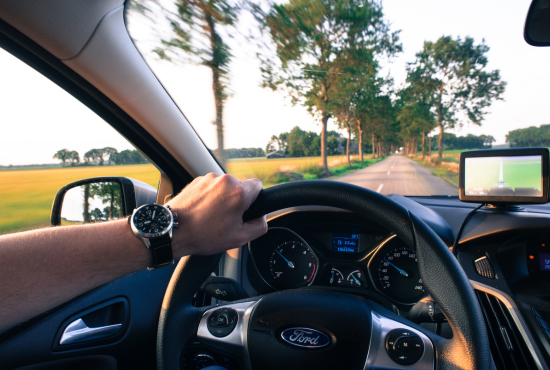
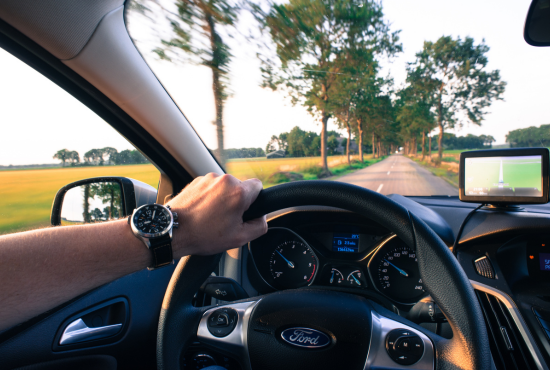
GPS and navigation tools are your best friends on unfamiliar routes. Before starting your journey, set up your GPS or smartphone navigation app with your destination. Opt for turn-by-turn directions and voice guidance to minimize the need to look at the screen while driving. If possible, review the route beforehand to get a sense of the key turns and exits. Keep your device within easy reach, and ensure it’s securely mounted to avoid any distractions.
✔ Adjusting to Road Conditions
Different roads present different challenges, so be prepared to adjust your driving style. If you’re driving in an area with narrow streets, slow down and drive cautiously. On highways, maintain a safe following distance and be ready to merge or change lanes as needed. In rural areas, watch out for wildlife and sharp turns. Being adaptable and ready to modify your driving according to the road conditions will help you stay safe and in control.
✔ Managing Speed and Distance
When driving on unfamiliar routes, it’s essential to manage your speed and maintain a safe distance from other vehicles. Resist the urge to speed, even if you’re running late or the road seems clear. Speeding can lead to missed turns or difficulty navigating sharp corners. Keep a safe following distance to allow for sudden stops or unexpected obstacles. This buffer gives you more time to react and ensures a smoother, less stressful driving experience.
Dealing with Unexpected Situations
Tips for Driving on Unfamiliar Routes

Tips for Driving on Unfamiliar Routes
✔ Handling Sudden Changes in Traffic Flow
Sudden changes in traffic flow, such as congestion, abrupt stops, or lane reductions, can be challenging on unfamiliar routes. Stay calm and maintain a safe following distance to give yourself enough time to react. If traffic slows unexpectedly, gradually reduce your speed rather than braking sharply. Use your mirrors frequently to monitor surrounding vehicles, and be prepared to change lanes safely if needed. Always signal your intentions early to communicate with other drivers and avoid sudden movements that could cause accidents.
✔ Navigating Detours and Road Closures
Detours and road closures can throw off your planned route, but they’re manageable with the right approach. Pay close attention to any detour signs and follow them carefully. If your GPS doesn’t automatically update, pull over safely to reprogram your route. If you’re unsure about the detour, take your time and drive cautiously through unfamiliar streets. Avoid making quick turns or U-turns that could put you in danger. Trust your navigation tools and stay patient until you’re back on track.
✔ Coping with Unfamiliar Road Signs and Signals
Encountering unfamiliar road signs and signals can be disorienting. Slow down when approaching signs you don’t recognize and take the time to understand their meaning. If a signal or sign is unclear, err on the side of caution—yield to other vehicles and proceed only when you’re confident it’s safe. Keep in mind that some areas might have different rules or signage systems, so it’s important to adapt quickly. If possible, research local road signs before driving in a new area to familiarize yourself with any differences.
Practicing on Unfamiliar Routes
Tips for Driving on Unfamiliar Routes

Tips for Driving on Unfamiliar Routes
✔ Simulating Test Conditions
When practicing on unfamiliar routes, try to replicate the conditions you’ll face during your actual road test. Drive during different times of the day to experience varying levels of traffic and lighting. Practice in different weather conditions if possible, such as rain or fog, to build your confidence in less-than-ideal circumstances. Familiarize yourself with the types of roads, intersections, and traffic patterns that you might encounter on test day. The more you practice under these conditions, the better prepared you’ll be for the real thing.
✔ Seeking Guidance from Instructors
Working with a driving instructor can be invaluable when practicing on unfamiliar routes. They can provide you with tips and techniques tailored to the specific challenges of the area. Instructors can also identify common mistakes that students make on certain routes and help you avoid them. If possible, ask your instructor to take you on a mock test route that simulates the actual driving test. Their feedback will help you improve your skills and build the confidence needed to handle any route you may face on test day.
Staying Calm and Confident
Tips for Driving on Unfamiliar Routes

Tips for Driving on Unfamiliar Routes
✔ Managing Test Day Nerves
Test day can be nerve-wracking, especially when driving on unfamiliar routes. To manage your nerves, take deep breaths and focus on staying calm before and during the test. Remind yourself that you’ve practiced and prepared for this moment. Visualization techniques can also be helpful—imagine yourself successfully navigating the test route with confidence. If possible, arrive at the test center early to familiarize yourself with the area and reduce any last-minute stress.
✔ Focusing on Safety and Accuracy
During the test, prioritize safety and accuracy over speed. Pay close attention to traffic signs, signals, and road conditions. Take your time when making decisions, and ensure that you follow all traffic laws. Remember that examiners are looking for safe, confident driving, not perfection. If you make a mistake, stay calm and continue driving safely. Your focus on safety and accuracy will help you pass the test, even on unfamiliar routes.
Post-Test Route Analysis
Tips for Driving on Unfamiliar Routes

Tips for Driving on Unfamiliar Routes
✔ Reviewing Your Performance
After completing your road test, it’s crucial to take some time to review your performance. Reflect on the different parts of the test route and assess how well you handled each section. Consider aspects such as how you navigated intersections, obeyed traffic signs, and maintained lane discipline. This self-assessment can provide valuable insights into your driving skills and highlight areas that may need further improvement.
✔ Learning from Mistakes
Mistakes made during the test should be viewed as learning opportunities rather than setbacks. Identify any specific errors or areas where you felt less confident. Whether it was a missed signal, difficulty with a maneuver, or hesitation at an intersection, understanding these mistakes can help you focus on improving those aspects of your driving. If possible, discuss your performance with your instructor to gain further insights and guidance on how to address any weaknesses.
Call-to-Action
Ready to conquer your road test?
And take the next step toward earning your driver’s license.
Need more information?
to get started!
Tips for Driving on Unfamiliar Routes
Tips for Driving on Unfamiliar Routes
Frequently Asked Questions (FAQs)
1. How can I best prepare for driving on unfamiliar test routes?
Practice driving on a variety of routes, using GPS tools to simulate new environments. Additionally, consider driving during different times of the day to get accustomed to varying traffic conditions.
2. What should I do if I encounter an unexpected road closure during the test?
Stay calm and follow the detour signs. Your ability to adapt to changing conditions is an important part of the test. If you’re unsure, ask the examiner for guidance.
3. How do I manage my nerves when driving on an unfamiliar route?
Focus on safety, stay alert, and remind yourself to stay calm. Take deep breaths and concentrate on the road ahead. Practicing mindfulness techniques before the test can also help.
4. Are there any tools that can help me practice on unfamiliar routes?
Yes, GPS and navigation apps can simulate unfamiliar routes, and driving simulation apps can provide virtual practice. Additionally, seeking advice from experienced drivers can be very beneficial.
Conclusion
Driving on unfamiliar test routes can be challenging, but with proper preparation and a calm mindset, you can navigate these routes successfully. By practicing on different routes, using navigation tools, and staying focused, you’ll build the confidence needed to handle any situation during your road test. Remember, each experience on the road is an opportunity to improve your skills and become a safer driver.