
Ace Your New York State DMV Road Test: Booking, Requirements, Locations, and Scoring Made Easy
Snagging a New York State DMV road test appointment can feel like a puzzle, especially with limited spots and a maze of requirements. This guide is your roadmap, covering every detail—from booking and eligibility to where to test, how you’re scored, and what happens next. You’ll discover how to lock in your appointment fast with a handy scheduling service, get the lowdown on necessary documents and vehicle must-haves, pick the best test site for you, and learn proven tricks to nail it on your first go. We’ll break down the scoring system and explain the retake rules so you’re always in the know. Whether you’re a teen driver just starting out or looking to upgrade your license, this article is packed with the practical info and resources you need to get that license. By blending expert advice with a super-smooth booking option, we’ll cut down the stress so you can focus on mastering the road.
How Do You Book Your NY DMV Road Test Appointment?
Booking a New York State DMV road test appointment means finding an open slot at your chosen test center and confirming you meet all the qualifications. Our road test scheduling service checks your learner permit status, gathers your required paperwork, and processes your payment to secure your spot—often in just days, not weeks.
Here’s the simple process to book your appointment:
- Fill out a quick online form with your learner permit number, contact info, and preferred location.
- Upload or confirm your key documents, like your permit scan, pre-licensing course certificate, and ID.
- Pay the booking fee and get your date and time confirmed, usually the same or next day.
Once booked, you’ll get a clear summary of your appointment details, including arrival time, any specific site instructions, and how to connect with the examiner. This makes the whole process way smoother than traditional DMV lines and ensures you’re fully prepped for test day.
What Are the Steps to Book a New York Road Test Appointment?
To book your test, first pick your test type—standard car, motorcycle, or commercial. Then, complete a brief form with your permit details and contact information. Next, prove you’re eligible by uploading your pre-licensing course certificate and a copy of your learner permit. Finally, pay the booking fee and get instant confirmation. Remember, early morning and weekday slots go fast, so plan ahead to grab your preferred date.
Can You Reschedule or Cancel Your NY DMV Road Test Appointment?
Absolutely! You can reschedule or cancel your road test appointment up to three business days before your scheduled time without any hassle. Our service portal lets you easily change the date, time, or even the test site, and any difference in fees is handled automatically. If you cancel within the allowed window, you’ll get a partial or full refund, giving you plenty of flexibility if your plans change. For more information, visit FAQs.
What Documents Are Needed When Booking Your Road Test?
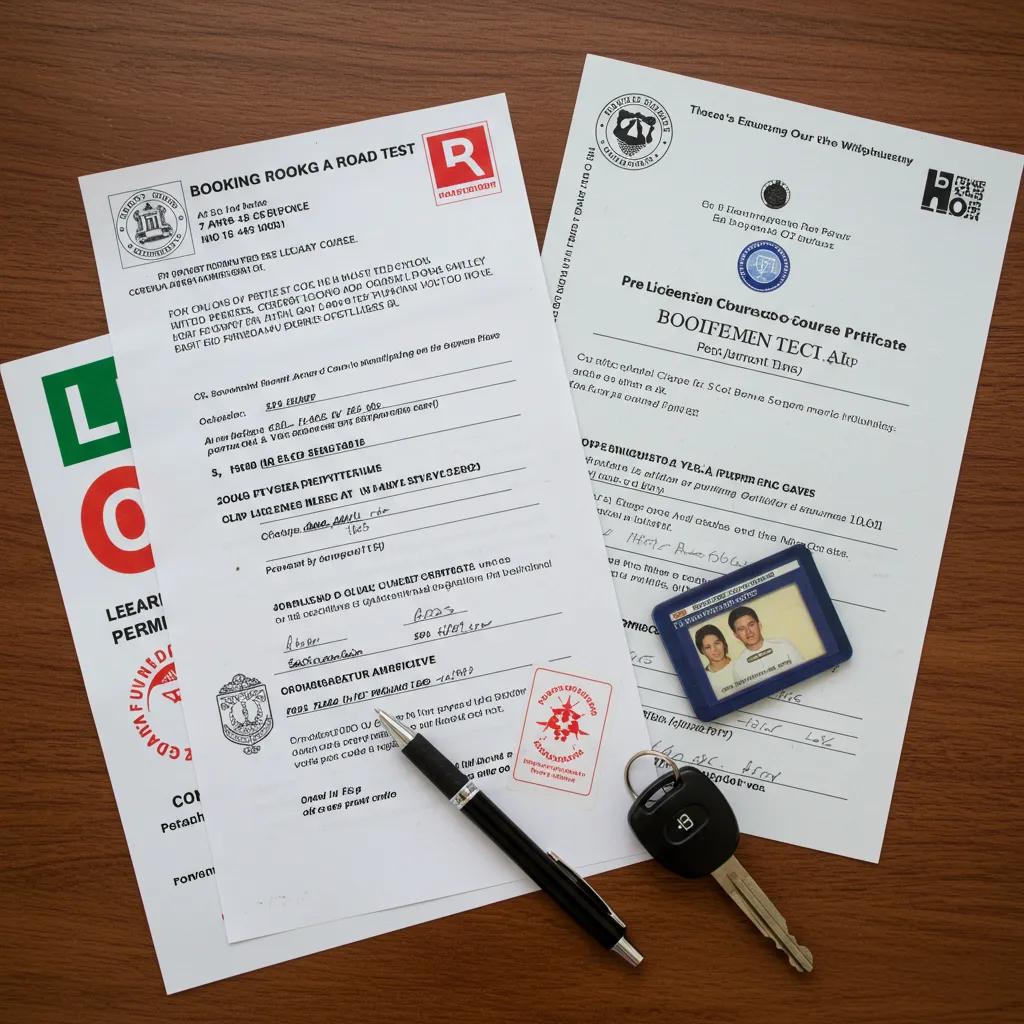
When you book, make sure you have these ready:
- Your valid New York learner permit.
- Your pre-licensing course completion certificate.
- A digital copy of a government-issued ID (like a passport or state ID).
- Proof of insurance and vehicle registration if you’re using your own car.
Having these documents handy will prevent any last-minute scrambles and confirm you’re good to go before exam day.
What Are the NY Driving Test Requirements for the Road Test?
To be eligible for the New York State road test, you need to meet certain age, permit, and course completion requirements. You must be at least 16 years old, have held your learner permit for a specific period—usually six months for drivers under 18—and completed a state-approved pre-licensing course.
On top of age and permit duration, you’ll need to show proof of identity and residency, get a parent or guardian’s signature if you’re a minor, and have evidence of a recent vision screening. For the vehicle, it must have current inspection stickers, valid license plates, and working lights, brakes, horn, and mirrors. Making sure both you and your car meet these standards will boost your confidence and help you avoid being turned away.
Who Is Eligible to Take the New York State Road Test?
Anyone 16 or older with a valid New York learner permit can take the test. If you’re under 18, you must have completed the five-hour pre-licensing class and held your permit for at least six months. If you have a permit from another state, you’ll need to swap it for a New York learner permit before you can book your road test.
What Documents and Identification Must You Bring to the Test?
Be sure to bring your learner permit, pre-licensing certificate, and a secondary ID like a passport or state ID. If you’re under 18, you’ll need a parent’s signature on your application form. If you’re using your own car, bring proof of insurance, vehicle registration, and a current inspection sticker. Forgetting even one document could mean you won’t be able to take the test.
Are There Any Vehicle Requirements for the NY Road Test?
Every car used for the test must pass a safety inspection and have current registration and insurance. If your vehicle has hand controls, tinted windows, or modified seating, you’ll need prior approval from the DMV. Tires need to have legal tread depth, and the brakes must work perfectly. Properly adjusted mirrors and functioning turn signals are also crucial for safety and for the examiner to see clearly.
How Does the Pre-Licensing Course Affect Your Road Test Eligibility?
Completing a DMV-approved pre-licensing course is a must for drivers under 18 and highly recommended for everyone else taking the test for the first time. This course covers everything from road signs and driving laws to safe driving techniques. Getting this done early not only sharpens your driving skills but also checks off a key requirement for booking your test.
Where Are the New York Road Test Locations and How to Choose One?
New York State has dozens of road test sites spread across all boroughs and counties. When picking a location, consider what’s convenient, the typical traffic patterns, and even success rates. Big city sites might have more openings but can be trickier with complex traffic, while suburban spots often have calmer streets and easier parking.
Here’s a quick look at some popular test sites:
These examples show how different areas can affect your test experience. Choosing a site that matches your comfort level with traffic and road complexity can really boost your confidence and performance.
What Are the Most Popular NY Road Test Locations?
Test sites in Manhattan and Long Island are in high demand because so many people live there. Queens Boulevard and Bronx Metro North handle a lot of applicants every day. If you head upstate to places like Albany or Buffalo, you might find shorter waits and less intense traffic.
How Do You Find the Closest DMV Road Test Location Near You?
Just use our handy location finder! Type in your ZIP code or neighborhood, and it’ll show you nearby sites, when appointments are available, and how to get there. You can even filter by things like quieter routes, off-peak times, or if you need an examiner who speaks a specific language.
Are There Differences in Road Test Procedures by Location?
While the main scoring rules are the same everywhere, some test sites might have extra security checks or specific ways they manage the waiting line. Big city locations might stagger arrival times, while smaller offices might offer a quick orientation on-site. Checking for any site-specific instructions beforehand will help you follow local procedures and arrive at the right time.
How Can You Pass the NY Road Test on Your First Try?
Nailing your New York road test the first time around is all about mastering the key driving moves, understanding what the examiner is looking for, and keeping your nerves in check. Building solid driving habits—like always checking your blind spots, staying centered in your lane, and maintaining a steady speed—will make you look like a pro and prove you’re a safe driver.
Here are the driving skills that really count towards your score:
Practicing these maneuvers in different traffic situations builds muscle memory and cuts down on mistakes during the test. Doing practice tests with a licensed instructor gives you personalized feedback and gets you used to the real exam pressure.
What Are the Top Tips to Prepare for the New York State Road Test?
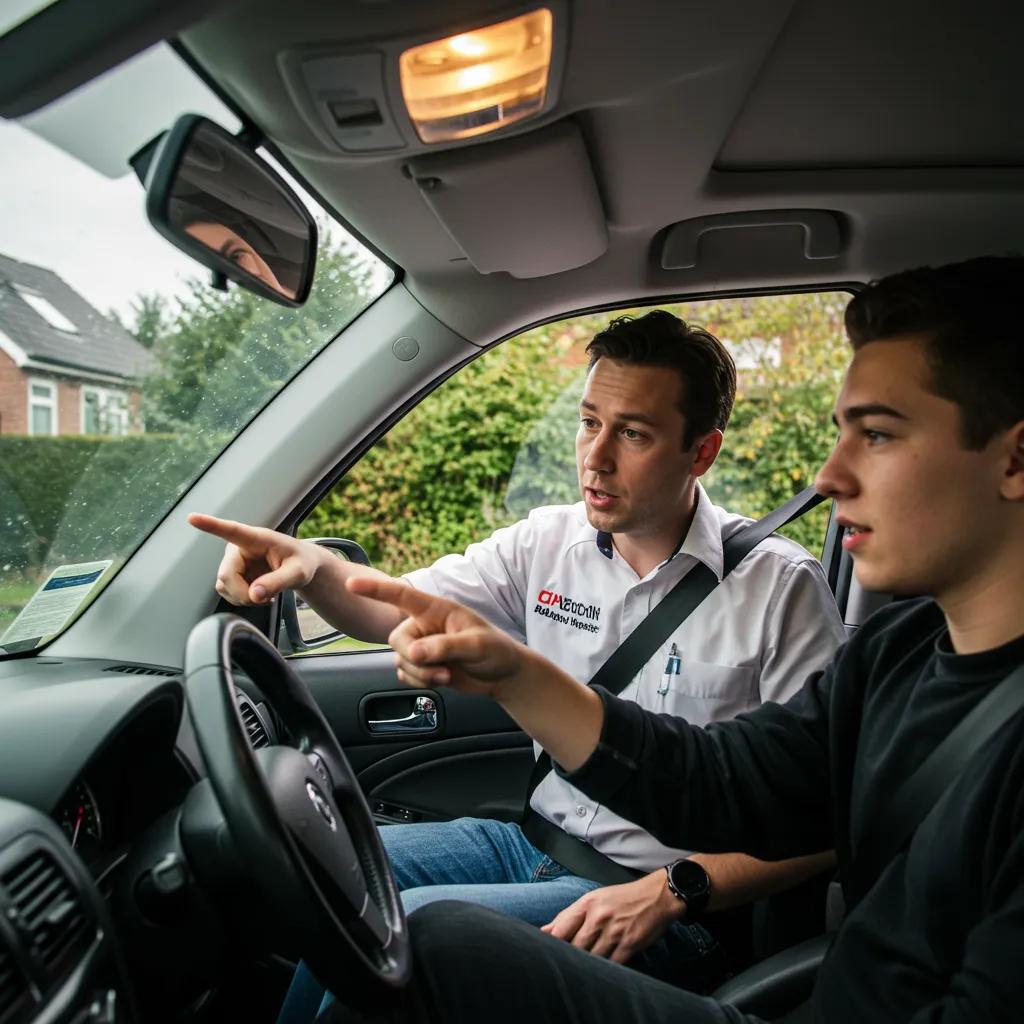
- Hit the road daily on all sorts of streets, from highways to quiet neighborhoods.
- Do a quick check of your car before every drive to make sure everything’s working.
- Practice like it’s the real test, using examiner checklists and sticking to time limits.
- Focus on smooth acceleration and braking to avoid any jerky movements.
- Take practice tests with a certified driving instructor for honest feedback.
Which Driving Skills Are Most Important for Passing the NY Road Test?
Smoothly executing maneuvers like parallel parking, merging into traffic, and making safe left turns are top priorities. Driving with steady steering, consistent speed, and proper signaling shows you’re a responsible driver. Being aware of your surroundings by checking mirrors and anticipating hazards reassures the examiner that you can make good decisions.
How Can Practice Tests and Simulations Improve Your Chances?
Practice tests mimic the real exam pressure by including time limits and scoring criteria. Recording yourself and watching it back can help you spot bad habits or overcorrections. Making small improvements, like reacting faster at stop signs, can directly lead to a better score on your actual test.
What Common Mistakes Should You Avoid During the Road Test?
Steer clear of rolling through stop signs, skipping shoulder checks, and drifting out of your lane. Not paying attention to pedestrians and cyclists is a major red flag. Oversteering or braking too hard suggests you’re not anticipating well. If you need more than two adjustments to steer during a maneuver, it often leads to a fail.
What Is the NYS Road Test Scoring Sheet and How Is Your Performance Evaluated?
The New York road test scoring sheet assigns points to different driving errors, and racking up too many deductions means you won’t pass. Examiners keep track of mistakes in areas like vehicle control, observation, and following traffic laws. To pass, you need to avoid any critical errors and keep your total deductions under 30 points.
Understanding how points are given out helps you focus on avoiding the most common mistakes. Looking over your score sheet after the test will show you exactly where you need to improve for your next attempt.
How Does the New York DMV Score Your Road Test?
Examiners note every mistake and assign points based on how serious it is. Critical violations—like ignoring traffic signals—will end the test immediately. Smaller errors add up, and you need to stay below the passing limit. Consistently following the rules and driving smoothly will lead to a successful outcome.
What Are the Most Common Reasons for Failing the NY Road Test?
People often fail because they roll through stop signs, don’t check mirrors enough, drift between lanes, or misjudge gaps when merging. Hesitant braking and jerky acceleration also hurt your score. Working on these habits during practice makes a big difference in reducing your deductions.
Can You Review Your Road Test Scoring Sheet After the Test?
Yes, you can ask the examiner to explain any deductions and look at the sheet right there. This helps you see if you’re making the same mistakes over and over, like missing observation checks, so you can focus your practice. Knowing your weak spots makes it easier to prepare for your next try.
How Many Points Are Needed to Pass the NY Road Test?
You can have up to 30 deduction points and still pass, as long as you don’t commit any critical violations. Scoring under 10 points shows excellent control, while points between 10 and 30 mean you’re close but might need a little more practice.
What Should You Do After Passing or Failing the New York State Road Test?
If you pass, you’ll finish up some paperwork, pay your licensing fees, and get your photo taken for your license. If you don’t pass, you’ll get a receipt that’s good for 30 days, allowing you to reschedule without paying the application fee again. Taking a moment to review your score sheet and practicing the areas you struggled with will set you up for success on your next try.
How Do You Obtain Your Driver’s License After Passing the Road Test?
Once you pass, the examiner will approve your application, and you’ll pay the licensing fee at the DMV counter. You’ll get a temporary paper license right away, and your official card will arrive in the mail within two to three weeks. New drivers under 18 will receive a junior license with specific restrictions as part of the graduated licensing program.
What Are Your Options If You Fail the NY Road Test?
If you fail, take a close look at the scoring sheet to see where you went wrong. You can book another test at the same location, try a different one, or even sign up for more driving lessons. Many students find that getting extra coaching on specific maneuvers helps them fix recurring errors before their next exam.
How Long Must You Wait Before Retaking the Road Test?
There’s no mandatory waiting period beyond the 30-day validity of your retest receipt. However, it’s best to reschedule once you’ve had enough practice—usually after a week or two—so your skills stay sharp. Retesting sooner rather than later helps you keep the momentum going and stay familiar with the test process.
How Does COVID-19 Affect the New York State DMV Road Test Process?
While many restrictions have been lifted as of October 2025, some safety measures are still in place to protect both examiners and applicants. Masks are optional but a good idea in enclosed spaces, and it’s recommended to keep vehicle windows open during the test. Appointments now include a quick health check upon arrival.
Are There Any Changes to Road Test Appointments Due to COVID-19?
Appointment slots were initially reduced to allow time for cleaning between tests. Although capacity is mostly back to normal, some locations still maintain spaced arrival times. It’s important to arrive exactly on time—being too early or too late might mean you have to reschedule to keep the safety protocols in place.
What Safety Measures Are in Place During the Road Test?
Examiners clean vehicle surfaces between tests and may open windows for better air circulation. Shared items like pens, clipboards, and door handles are sanitized after each candidate. Applicants are welcome to bring their own masks and wear gloves if they prefer to minimize contact.
How Can You Stay Updated on NY DMV Road Test Changes?
Keep an eye on official DMV announcements, sign up for newsletters from driving schools, or call the customer service hotline. If you use a scheduling service, sign up for their alerts to get immediate updates on any changes to procedures or new health guidelines.
From booking your appointment to understanding the scoring and what happens after, everything follows a clear path when you know the requirements and use smart scheduling tools. By combining solid preparation with an easy-to-use appointment service, you’ll feel more confident and boost your chances of passing the New York State DMV road test on your very first try. Take that next step today: secure your test date and dedicate some focused practice time to mastering those essential driving skills.
About the Author: Sarah Chen
Sarah Chen is a certified driving instructor and former DMV examiner with over 15 years of experience guiding new drivers through the licensing process in New York State. Her expertise spans all aspects of road test preparation, from understanding complex regulations to mastering essential driving maneuvers. Sarah is passionate about promoting safe driving practices and has helped thousands of students confidently pass their road tests on the first attempt. She regularly consults on driver education curriculum development and stays abreast of the latest DMV policy changes to provide the most accurate and practical advice.