
New York State Road Test Guide: Requirements, Scheduling & SuccessMaster Your New York State Road Test: Your Ultimate Guide to Requirements, Scheduling, and Success
Navigating the path to your New York State driver’s license can feel like a maze, especially with nearly half of first-time test-takers in major metro areas not making the cut. This comprehensive guide is your roadmap, cutting through the complexity to detail every requirement, guide you through the scheduling process, highlight the most accessible test sites, explain the scoring system, share expert preparation tactics, and reveal what happens after you exit the examiner’s vehicle. You’ll learn how to meet all eligibility criteria, book your appointment swiftly, select less stressful testing locations, master essential driving maneuvers, optimize your score, and even leverage a trusted booking service to simplify the entire experience. Dive in and conquer the New York State road test with unwavering confidence.
What Are the New York Road Test Requirements?
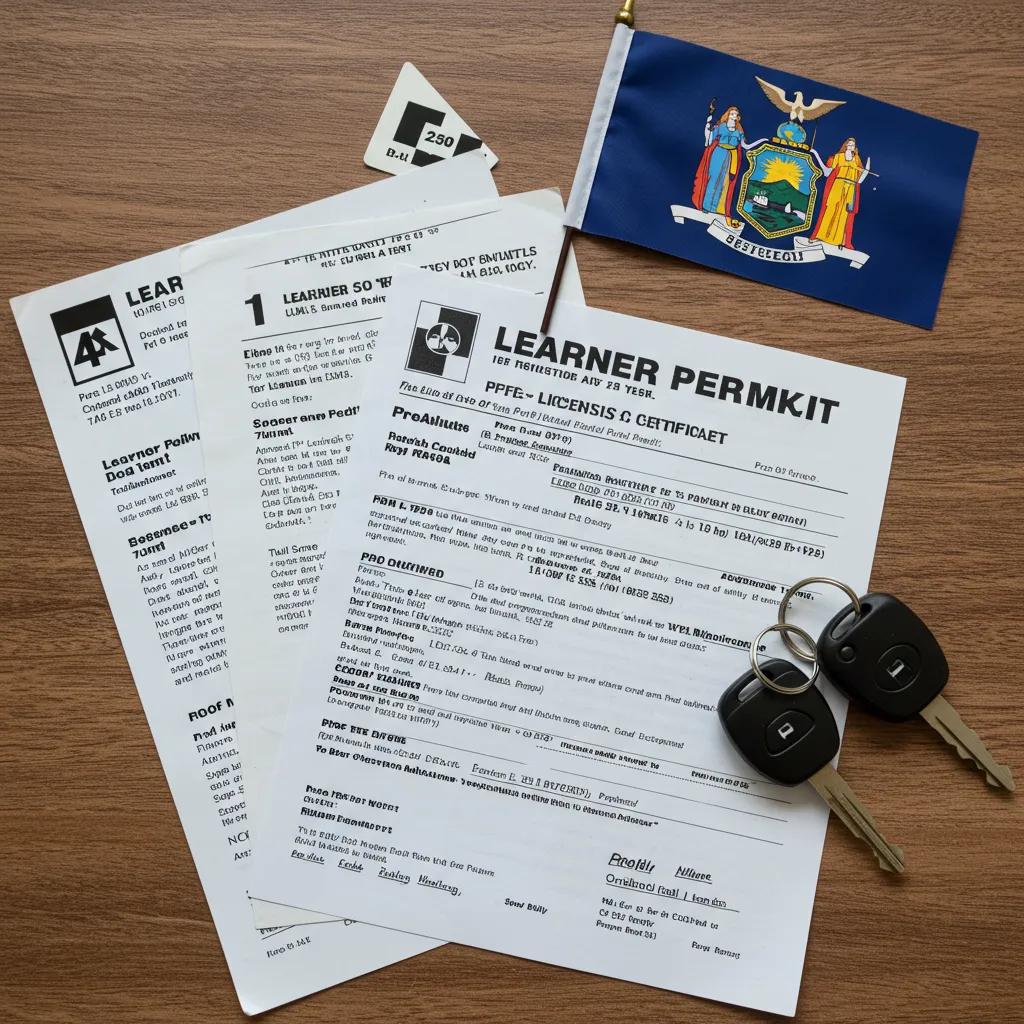
The New York State road test is the final practical driving assessment administered by the NY DMV. Its purpose is to confirm your ability to safely navigate real-world traffic and operate a vehicle. By demonstrating proficient and safe driving, adhering to traffic laws, and executing required maneuvers flawlessly, you’ll earn your full license. Meeting these essential prerequisites ensures you arrive fully prepared, significantly reduces the risk of automatic failure, and sets you up for a smooth scheduling process.
Before you even think about booking, make sure you’ve met these crucial requirements:
- Valid Learner Permit – Your learner permit must be current and possess all necessary endorsements.
- Five-Hour Pre-Licensing Certificate – You’ll need your MV-278 certificate, obtained from an approved course.
- Proof of Supervised Driving – If you’re under 18, you must have completed at least 50 hours of supervised driving, including 15 hours after dark.
- Required Documentation – Be sure to bring your permit, the MV-262 form, and your vehicle’s registration and insurance documents.
- Vehicle Inspection Readiness – Your test vehicle must be in good working order, passing a safety check of its lights, tires, and brakes.
- Minimum Age and Holding Period – Applicants aged 18 and older must hold their permit for at least six months; those under 18 also have a six-month holding period.
These foundational requirements pave the way for your eligibility and ensure you’re fully authorized before you even get behind the wheel with the examiner.
Who Is Eligible to Take the New York State Road Test?
Your eligibility for the New York State road test hinges on your age, permit status, and how long you’ve held your permit. If you’re 18 or older, you need to have held a valid learner permit for a minimum of six months. Drivers younger than 18 follow the same six-month rule and must also complete the five-hour pre-licensing course. There’s no upper age limit, but all applicants must present proof of identity, their Social Security number, and New York residency. Meeting these criteria confirms your legal standing to take the test and helps avoid any administrative hiccups on test day.
What Are the New York Learner Permit Requirements?
A New York learner permit is your ticket to supervised driving practice as you gear up for the road test. To get one, you’ll need to pass a written knowledge exam, provide proof of identity and residency, and pay the associated fee. Your permit is valid for five years, during which you must practice driving under the supervision of a licensed instructor or an adult who is at least 21 years old. Holding this permit for the required duration ensures you gain the essential behind-the-wheel experience needed before you can apply for the road test.
What Does the 5-Hour Pre-Licensing Course Include?
The mandatory five-hour pre-licensing course is designed to equip you with crucial knowledge on defensive driving techniques, understanding risks, traffic safety laws, and effective crash prevention strategies. Once you complete the course, you’ll receive an MV-278 certificate, which is valid for two years. This curriculum sharpens your hazard recognition skills and reinforces your understanding of vital concepts like speed limits, right-of-way rules, and how to handle driving in adverse weather conditions—all fundamental competencies that examiners will be looking for during your practical evaluation.
What Documents Are Required on Road Test Day?
On the day of your road test, you absolutely must present the following official documents:
- Your New York State learner permit (make sure it’s not expired)
- Your MV-278 Pre-Licensing Course certificate
- The MV-262 Certification of Supervised Driving, signed by your parent, guardian, or instructor
- The vehicle’s registration and insurance card, which must match the vehicle you’re using for the test
- Proof of identity (such as a birth certificate or passport), if requested
Keeping these documents neatly organized in a folder will prevent any unnecessary delays and clearly demonstrate to the examiner that you are fully compliant with all state regulations.
How Many Supervised Driving Hours Are Needed for Under-18 Drivers?
If you’re under 18, you’re required to log a minimum of 50 hours of supervised driving practice. Crucially, at least 15 of these hours must be completed after sunset. It’s highly recommended that these practice sessions cover a variety of environments, including urban, suburban, and highway settings, to build well-rounded driving skills. Documenting your experience in diverse conditions—like night driving, heavy traffic, and rural roads—proves comprehensive skill development and helps minimize the chances of making errors during your examination.
The number of supervised driving hours required by a State influences 16- and 17-year-old drivers, with some states like California or New York requiring a large number of hours.
Supervised Driving Requirements in New York State
The number of supervised driving hours required by a State influences 16- and 17-year-old drivers, with some states like California or New York requiring a large number of hours.
The role of supervised driving requirements in graduated driver licensing programs, RD Foss, 2012
How Do You Schedule a New York Driving Test?
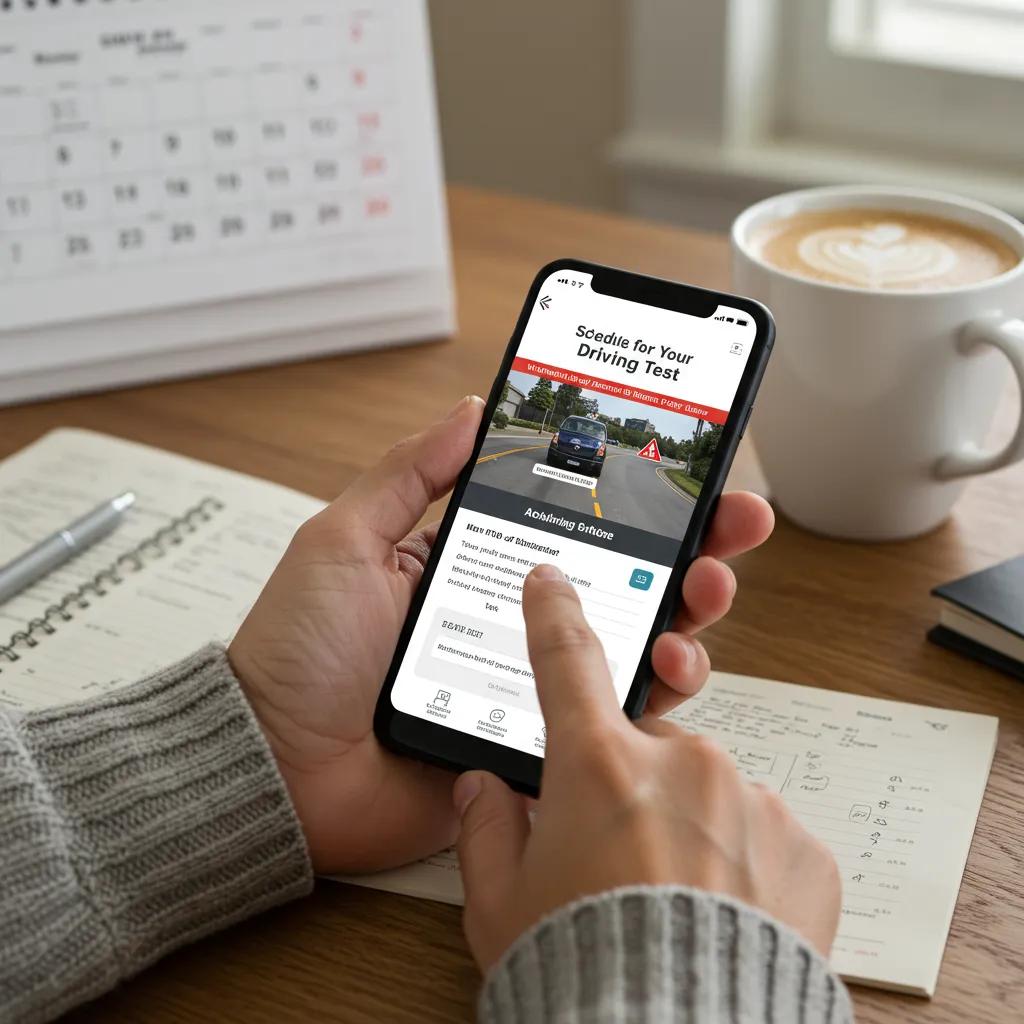
Scheduling your New York driving test involves securing an available appointment slot through the NY DMV or utilizing a trusted appointment service to streamline the process. By understanding how the booking system works, you can lock in a test date that fits your preparation schedule and avoid the frustration of lengthy wait times.
- Verify Eligibility and Gather Documents – Before booking, confirm you’ve met all the necessary requirements.
- Access the Official DMV Appointment Portal – Use your permit number and personal information to search for available dates.
- Choose Your Preferred Test Site and Date – Select a location that’s convenient for you and consider its ease of access.
- Submit Your Booking Request – Provide your contact details to receive confirmation of your appointment.
- Consider Using an Appointment Service – Opting for a reliable booking platform can significantly speed up the process, notify you of openings, and eliminate the need for constant checks of the DMV website.
How to Book Your NY Road Test Online Step-by-Step
To book your test online, start by having your learner permit number and license class ready. Log in to the DMV’s appointment system, input your permit details, select “Road Test,” and then filter by your desired location and date. Once you confirm your chosen slot, you’ll receive an appointment confirmation number along with instructions on what to bring. This immediate confirmation allows you to plan your final practice sessions and vehicle inspections with confidence.
Can You Schedule a Road Test by Phone?
Yes, you can schedule your road test by calling the New York DMV’s dedicated call center. You’ll need to provide your permit number, full name, and preferred test site to the agent. While this method avoids navigating the website, phone lines can often be busy. Using a specialized booking service can help reduce hold times and automatically alert you to earlier openings or cancellations.
What Are the Typical Wait Times and Appointment Availability?
Wait times for road test appointments can vary significantly depending on the region and the time of year. Major urban areas like Manhattan might have waitlists stretching over three months, while locations in suburban areas and on Long Island often offer appointments within four to six weeks. During the summer months, expect longer lead times due to the higher volume of applicants. Actively monitoring multiple test sites and using automated alerts can greatly improve your chances of securing an earlier appointment.
How to Cancel or Reschedule Your New York Road Test Appointment
If your plans change or an unexpected event comes up, you can cancel or reschedule your appointment up to two business days before your scheduled time. Simply log back into the DMV system, select the “Modify Appointment” option, and choose a new date. If you’re unable to access the online system, you can also call the DMV office directly. Canceling your appointment promptly frees up a slot for another test-taker and ensures you avoid any penalties.
Which Are the Easiest Road Test Sites in NYC and Surrounding Areas?
Selecting a test site known for lower traffic volumes and predictable road layouts can significantly boost your confidence and improve your performance. Factors like the density of intersections, proximity to highways, and the examiner’s pacing can all influence how challenging a particular site is.
Here’s a look at some popular locations:
What Makes a Road Test Site Easier or Harder?
The difficulty of a road test site often comes down to the surrounding traffic density, the complexity of the road layout, and the typical driving habits of locals. Sites with low-traffic suburban roads tend to be less stressful for maneuvers like lane changes and turns, and wider streets offer more room for error. Conversely, busy highways, congested intersections, and frequent pedestrian crossings can increase stress levels and raise the likelihood of minor driving errors.
Detailed Guide to Riverhead Road Test Site (Long Island)
The Riverhead test site is characterized by wide, straight residential streets with clearly marked lanes and minimal heavy truck traffic. Examiners here typically focus on fundamental maneuvers such as parallel parking and three-point turns. Practicing these skills on similar neighborhood roads will effectively replicate the test conditions and reduce the chance of encountering unexpected challenges.
Kissena Park Road Test Site Guide (Queens)
The Kissena Park site requires confident navigation of multi-lane roads and quick, decisive action at traffic signals. Examiners often incorporate a short highway on-ramp, making it crucial to master acceleration merges and blind-spot checks. Simulating this type of environment during your practice sessions will help you become comfortable with lane discipline and proper merging techniques.
Seaview Road Test Site Guide (Brooklyn)
Seaview’s moderate difficulty level stems from its typical commuter traffic and numerous complex intersections controlled by stop signs. Examiners here pay close attention to defensive positioning and smooth, controlled stops at crosswalks. Practicing in areas that blend residential and commercial zones will prepare you for the nuanced judgment calls required at this location.
Wantagh Road Test Site Guide (Nassau County)
The Wantagh test site combines typical suburban roads with occasional traffic from shopping centers. Examiners usually assess your ability to manage space margins during turns and lane changes. Practicing in mixed-use areas where vehicles frequently enter and exit side streets will help you anticipate real-world driving conditions.
Ozone Park Road Test Site Guide (Queens)
Ozone Park presents a more challenging environment with busier commercial strips and closely spaced driveways. Examiners here will be looking for precise speed control and careful observation before pulling out into traffic. Practicing stop-and-go scenarios and maintaining safe following distances will ensure you meet the examiner’s expectations.
Red Hook Road Test Site Guide (Brooklyn)
The Red Hook test site is known for its narrow streets and limited parking spaces. Examiners will focus on your steering accuracy and controlled braking. Practicing low-speed maneuvers and tight turns on similar roads will prepare you for the precision needed at this location.
What to Expect on the New York State Road Test?
The road test is designed to evaluate your overall driving behavior, from your pre-drive vehicle checks to your execution of complex maneuvers. Examiners are looking for a combination of technical proficiency and sound decision-making that demonstrates your readiness for independent driving.
What Vehicle Inspection Checks Are Performed Before the Test?
Before you even start driving, the examiner will conduct a thorough inspection of your vehicle. They’ll check the lights, horn, brakes, windshield wipers, tires, and mirrors. A successful inspection confirms that your car meets the NY DMV’s safety standards. Addressing any potential issues beforehand—like replacing worn tires or burnt-out bulbs—will prevent an automatic disqualification and allow you to concentrate fully on your driving performance.
Which Driving Maneuvers Are Assessed During the Road Test?
During your test, you will be asked to perform several key driving maneuvers:
- Parallel parking within a designated space
- Executing a three-point turn on a narrow street
- Performing safe lane changes, including proper mirror and shoulder checks
- Making controlled stops at various traffic signs
- Performing hill starts, especially if you are driving a manual transmission vehicle
What Is the Role of the Road Test Examiner?
The examiner’s role is to assess your driving against the official NY DMV scoring rubric. They will be looking for your adherence to speed limits, accurate use of turn signals, proper lane positioning, and your awareness of potential hazards. They will observe you from the passenger seat, meticulously noting any errors, and will provide immediate feedback at the conclusion of your test. Understanding their responsibilities will help you focus on the behaviors that earn points and avoid those that lead to deductions.
What General Driving Behaviors Are Expected?
Throughout the entire test, you are expected to maintain appropriate following distances, obey all posted traffic signs, use your turn signals correctly for every turn and lane change, and keep both hands on the steering wheel. Demonstrating smooth acceleration, measured braking, and proactive scanning of your surroundings will build confidence and minimize point deductions on your score sheet.
How Does the NY DMV Road Test Scoring System Work?
The NY DMV employs a point-based scoring system. You begin with a clean slate (zero infractions), and points are deducted for any driving errors you make. Minor mistakes might result in a deduction of one or two points, while more serious violations can lead to an automatic failure. Understanding this system empowers you to prioritize safety-critical actions and minimize any potential point losses.
How Are Points Deducted on the New York Road Test?
Points are deducted based on the severity of the mistake: minor errors, such as incorrect signaling, will cost you one point; moderate errors, like sudden braking or incomplete stops at signs, will cost two points; and major infractions, such as speeding or dangerous maneuvers, will cost three points. Exceeding a specific total deduction limit or committing any automatic-fail violation will immediately end your test.
What Are Instant Failures on the NY Road Test?
Certain actions will result in an automatic failure of your road test. These include running a red light or stop sign, causing an accident, failing to yield to emergency vehicles, or performing a dangerous maneuver like turning into oncoming traffic. Avoiding these critical errors is paramount, as any one of them will terminate your exam, regardless of your performance in other areas.
How Many Points Do You Need to Pass the Road Test?
To pass the road test, your total point deductions must be fewer than 30 points. Consistently staying well below this threshold—ideally under 10 total points—demonstrates a strong command of safe driving practices. By focusing on zero-tolerance behaviors, such as thorough scanning and maintaining appropriate speed, you can ensure you stay within the passing range.
What Are the Most Common Reasons for Failing the NY Road Test?
Many test-takers unfortunately fail due to common issues such as insufficient observation skills, unsafe lane changes, inadequate use of turn signals, speeding, and incomplete stops. By focusing your practice on these specific maneuvers and seeking structured feedback from a licensed driving school, you can effectively address the most frequent reasons for failure.
What Are the Best Tips to Pass the New York Road Test?
Successfully passing the NY road test requires a combination of technical preparedness and mental fortitude. Adopting a structured practice routine, effectively managing any test anxiety, and learning from experienced professional instructors will significantly enhance your chances of success.
What Are Effective Practice Strategies for Driving Skills?
Develop a comprehensive practice plan that covers all the required maneuvers in a variety of traffic conditions. Dedicate specific practice sessions to parallel parking, three-point turns, and highway merging. Consider recording your practice sessions or working with a certified instructor to gain objective feedback and accelerate your skill development.
How Can You Manage Test Anxiety and Mental Preparation?
Test anxiety can negatively impact your decision-making abilities and reaction times. To combat this, try visualizing the test route, rehearsing maneuvers in low-pressure environments, and practicing deep-breathing exercises before your appointment. Familiarizing yourself with the examiner’s process can reduce surprises and help you remain calm and focused during the test.
How to Avoid Common Road Test Mistakes?
Identify your personal weak spots—whether it’s rolling stops or insufficient mirror checks—and focus on refining those specific maneuvers. Utilize checklists before each practice drive, simulate test conditions using a stopwatch, and thoroughly review common pitfalls like drifting within your lane. Consistent, targeted practice will transform error-prone habits into second nature.
How Can Driving Schools Improve Your Road Test Success?
Professional driving schools offer structured lesson plans, expert feedback, and vehicles specifically equipped for instruction. Their instructors can guide you through standardized test routes, highlight subtle examiner expectations, and help you hone critical skills more efficiently than unstructured practice alone.
What Happens After the New York Road Test?
Immediately after your test, you’ll receive feedback on any errors you made and learn whether you passed. The subsequent steps will depend on your test outcome and will set the direction for your licensing journey.
How to Check Your NY DMV Road Test Results Online?
Your test results should be available on the NY DMV portal within three to five business days. Log in using your learner permit number and personal details to view your pass or fail status. Having prompt access to your results allows you to plan your next steps, whether that involves celebrating your success or scheduling a retest.
What Is an Interim License and How Does It Work?
If you pass your road test, you’ll be issued an interim photo license, which is valid for 90 days. This temporary document serves as official proof of your driving privileges until your permanent license arrives in the mail. The interim license permits you to drive independently, subject to standard restrictions, marking your successful transition to a licensed driver.
What Are Your Options If You Fail the NY Road Test?
If you don’t pass the road test on your first attempt, you have the option to retake it after a mandatory 24-hour waiting period. It’s crucial to review the feedback provided by your examiner, focus your supervised practice on your weaker areas, and consider additional lessons with a driving school instructor. There is no limit to the number of times you can retake the test, as long as your learner permit remains valid.
What Is the Probationary Period for New Drivers in New York?
Once you obtain your full driver’s license, you will enter a probationary period that lasts for at least six months. During this time, if you are under 18, you must adhere to specific passenger and nighttime driving restrictions. All new drivers must maintain a clean driving record and avoid any moving violations. Successfully completing this probationary period will lift any additional restrictions and demonstrate your maturity as a responsible driver.
After thoroughly understanding the requirements, mastering the necessary maneuvers, and navigating the scheduling process, you’re well on your way to taking control of your driving future. With dedicated preparation, strategic site selection, and expert guidance, you can transform any road-test nerves into unwavering confidence. Every step you successfully complete brings you closer to the freedom of driving independently with your New York State driver’s license.
About the Author: Sarah Chen
Sarah Chen is a certified driving instructor and a former New York State DMV examiner with over 15 years of experience in driver education and licensing. Her deep understanding of the NY DMV’s testing protocols, scoring systems, and common pitfalls for new drivers makes her an invaluable resource. Sarah has personally guided thousands of students through their road tests, helping them achieve their licenses with confidence and competence. She is passionate about promoting safe driving practices and empowering new drivers with the knowledge they need to succeed on the road.