
How to Find and Schedule NY DMV Road Test Sites for Your Driver’s License
Finding and scheduling NY DMV road test sites can feel overwhelming, but a clear plan saves time and reduces stress by helping you pick the right location, prepare required documents, and secure an appointment. This guide explains where road test locations are distributed across New York, how the official online scheduling flow works, what license types require different procedures, and practical preparation strategies to pass the driving test. Many applicants struggle with long DMV wait times, confusion about eligibility, and uncertainty about which maneuvers matter most to examiners; this article addresses those problems with actionable steps, checklists, and comparisons. You will get region-specific tips for NYC and Long Island, a step-by-step scheduling checklist, license-type eligibility tables, and preparation tactics for common maneuvers and documents. Finally, the guide outlines when expedited booking services make sense and how to access practice resources and support to improve your chances of passing on test day.
What Are the Main NY DMV Road Test Sites and Locations?
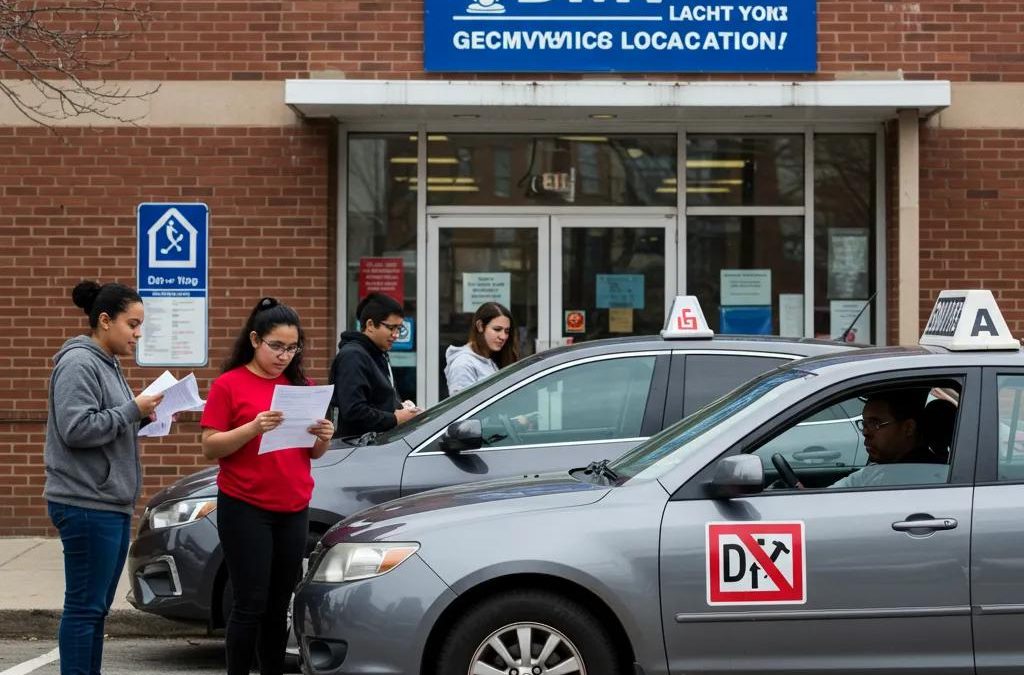
NY DMV road test sites are official locations where examiners administer driving tests for various license classes; they are distributed across New York City boroughs, Long Island, Westchester, and upstate hubs to serve regional demand. These sites vary by the types of tests offered, local traffic patterns, and available parking or practice areas, which affects daily availability and route difficulty. Understanding site attributes—such as borough, address format familiarity, and which license classes a site serves—helps you pick a test center that matches your experience and schedule. The table below highlights representative test sites, the borough or region they serve, and the types of tests typically administered so you can scan options quickly and choose a site that fits your needs.
These sample entries illustrate how test sites differ by setting and test types, guiding your choice based on route complexity and vehicle requirements. If you want an earlier appointment at a specific city site, consider expedited scheduling options that can reduce wait time significantly.
Which Cities and Regions Have NY DMV Road Test Locations?
NY DMV road test locations cover the five NYC boroughs—Manhattan, Brooklyn, Queens, the Bronx, and Staten Island—along with Long Island counties, Westchester, and multiple upstate cities such as Albany, Rochester, and Buffalo. Urban centers often have more frequent cancellations and shorter-term openings due to volume, while suburban and upstate locations can offer predictability and less congested test routes. Regional differences affect wait times and examiner route styles, so choosing between a borough location and an upstate hub depends on your comfort with traffic and willingness to travel. Knowing where regional supply concentrates helps you balance convenience against route simplicity and likely appointment availability.
How to Identify the Best Road Test Sites in New York City?
The best NYC road test sites balance appointment availability, predictable test routes, and access to quiet practice streets; these attributes reduce the likelihood of unexpected traffic-related errors during the exam. Look for sites with known practice areas nearby, low peak-hour congestion, and entry/exit routes that avoid complex highway merges. Observing local examiner patterns—such as typical turnaround routes and where parallel parking is often requested—can help you focus practice sessions on relevant maneuvers. Choosing a site that matches your comfort level with city driving improves your chances of a smooth test experience.
What Are the Road Test Sites Available on Long Island and Upstate NY?
Long Island and upstate test centers tend to offer less congested routes and often include facilities that support multiple license classes, giving candidates options for weekend or weekday appointments with lower stress. Major Long Island counties and upstate hubs frequently provide Class D and DJ tests, and certain larger centers also accommodate CDL testing. Seasonal factors like winter weather can affect route conditions upstate, and summer traffic patterns on Long Island can influence timing; plan practice sessions that mirror the expected test-day conditions. Selecting a site outside the busiest urban zones can offer steadier routes and clearer expectations for examiner maneuvers.
How to Use Maps and Directions to Find Your Nearest Road Test Site?
Using maps effectively means checking live traffic, saving locations to your navigation app, and planning arrival with a buffer for parking and paperwork checks; this reduces test-day anxiety and helps ensure you arrive on time. Review transit options if you’ll use public transportation, and identify parking lots or permitted curbside spots near the test center to avoid last-minute scrambling. Save the test site pin to your phone and run the route at the same time of day as your appointment if possible; practicing the approach helps you anticipate signals, lane merges, and timing. Preparing directions and parking plans in advance allows you to focus on driving performance rather than logistics on test day.
How Do You Schedule a NY DMV Road Test Appointment Online?
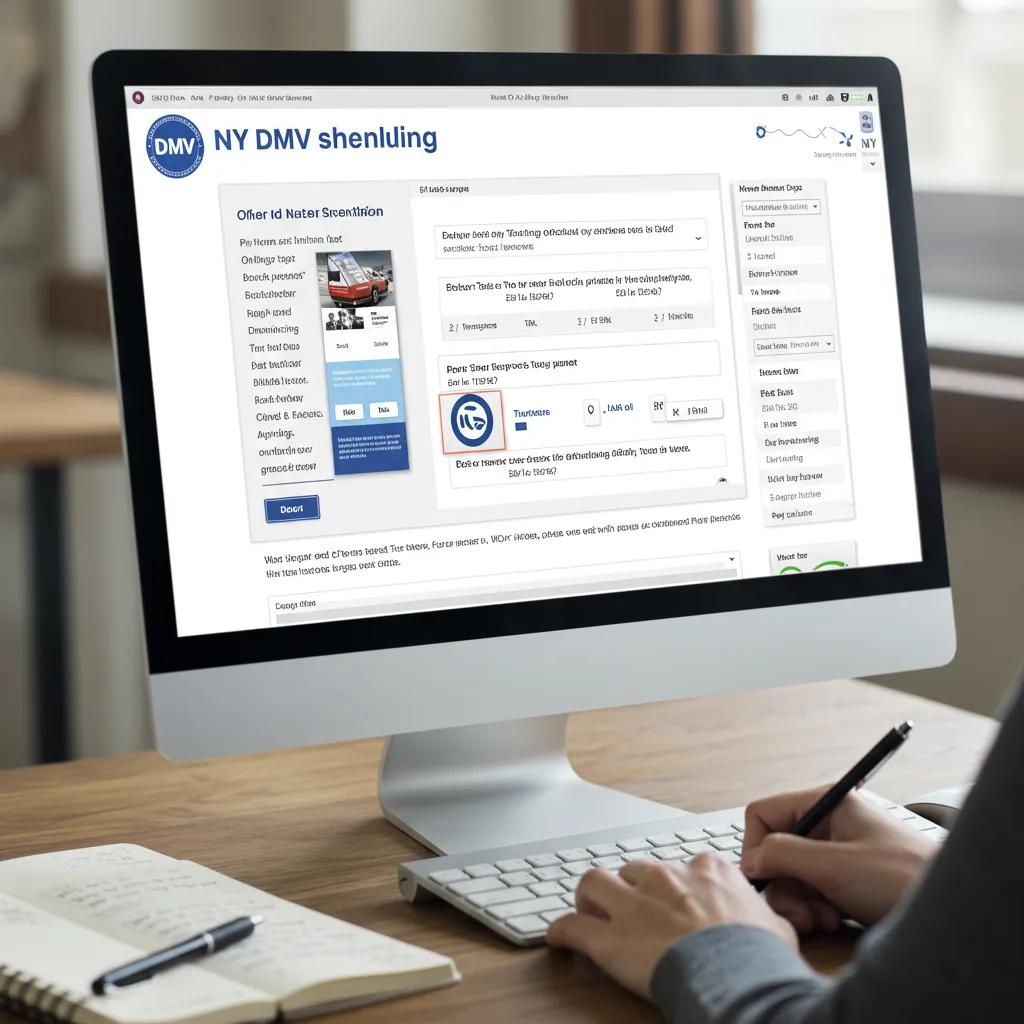
Scheduling a NY DMV road test appointment online is a stepwise process that requires account verification, permit validation, and selection of a site and date; follow a structured flow to avoid mistakes that delay confirmation. The official flow typically asks you to confirm your learner’s permit status, choose license class, pick a test site and available date, and receive confirmation—ensuring each step is completed accurately prevents rescheduling. Private expedited services provide an alternative when standard wait times are long; these services act as booking intermediaries that search for earlier slots or hold openings for clients. Below is a concise step guide followed by a comparison table to help decide between standard scheduling and expedited options.
- Create or log into your official DMV scheduling account and verify your learner’s permit details.
- Select the license class and preferred test site, then view available dates and times.
- Confirm the appointment and record confirmation details or reference number for test day.
This numbered flow prepares you to proceed through the official scheduler confidently and reduces the risk of missing required fields that lead to delays.
The table shows tradeoffs between wait time and suitability, helping you select an approach that matches urgency and budget. If you need a faster appointment than available through the official system, third-party expedited services can reduce wait times by actively searching cancellations and securing earlier slots on your behalf.
What Are the Steps to Book a Road Test Appointment in NY?
Booking a road test requires verifying your learner’s permit, choosing the correct license class, and entering accurate personal and vehicle information before confirming the appointment; accuracy prevents later rejection at check-in. Start by confirming permit expiration and any pre-licensing certificate requirements, then log in and select a site that offers your license type. During booking, carefully review available dates and times, choose the best fit, and save confirmation details for test day. Preparing required documents in advance ensures the booking translates into a successful check-in on your appointment date.
How to Choose Between Regular, Rush, and Super Rush Road Test Scheduling?
Choosing between Regular, Rush, and Super Rush depends on how quickly you need a license, your willingness to pay for speed, and the flexibility of your schedule; weigh cost against urgency. Regular scheduling is cheapest but often slowest, while Rush and Super Rush offer progressively faster access at higher fees, making them suitable when licenses are time-sensitive for work or school. Consider the likelihood of cancellations at your preferred site and whether traveling to a less busy location could yield an earlier free appointment. If immediate access is critical, the expedited tiers provide predictability by shortening the wait-window substantially.
What Documents and Information Are Needed to Schedule Your Road Test?
To schedule and attend a road test you must have a valid learner’s permit, proof of completed pre-licensing (if required), and accurate vehicle registration and insurance details if using a private car; missing documents can void your appointment. Confirm permit expiration and that any MV-278 or 5-hour pre-licensing certificate is valid before booking. Keep identification and proof of residency handy during booking and on test day to avoid administrative denial. Preparing these items in advance streamlines scheduling and prevents last-minute complications that can force rescheduling.
Can You Reschedule or Cancel Your NY DMV Road Test Appointment?
Rescheduling or canceling typically requires you to use the same scheduling portal where you booked and to follow timing rules to avoid losing appointment access; act as soon as conflicts arise to maximize rebooking chances. Check your confirmation for reschedule windows and recommended notice periods, as earlier notification improves your chance of retaining a spot or receiving priority for a new date. If emergencies occur, contact the scheduling support channel promptly and keep documentation if needed for special consideration. Planning ahead and understanding reschedule rules helps maintain momentum toward licensure without costly delays.
What Are the Requirements and Types of NY Driver’s License Road Tests?
NY driver’s license road tests differ by license class, required vehicle, and examiner focus; understanding each test type clarifies eligibility and what you need to bring on test day. Tests evaluate maneuvers, observation skills, signaling, and compliance with traffic laws, with CDL and motorcycle exams having additional specialized elements. The table below compares key license types with eligibility, typical required documents, and maneuvers to help you prepare for the right test.
This comparison clarifies differences so you can assemble correct documentation and practice maneuvers specific to your license class. Confirming class-specific requirements helps avoid last-minute disqualification.
What Is the Difference Between Class D, Junior, CDL, and Motorcycle Road Tests?
Class D focuses on passenger vehicle operation and basic maneuvers, while Class DJ applies to junior drivers with additional age-related rules and supervision requirements; CDL exams test commercial vehicle handling and safety procedures, and motorcycle tests emphasize balance and control. Vehicle eligibility differs—CDL candidates usually use specified commercial vehicles, while motorcycle applicants must use properly insured and registered motorcycles. Examiner scoring priorities shift with each class: CDL evaluators emphasize cargo safety and vehicle control, whereas motorcycle examiners focus on slow-speed handling and emergency maneuvers. Knowing these distinctions allows targeted practice that matches examiner expectations.
What Are the Eligibility Criteria for Each NY Road Test Type?
Eligibility criteria include minimum age, required permit holding periods, and completion of mandated pre-licensing education where applicable; these rules determine whether you can schedule a test. For junior licenses, additional age-related limitations and supervised driving logs may apply, while CDL candidates must satisfy medical and training prerequisites. Always verify that permits and required certificates are current before booking because expired documents commonly result in appointment denial. Preparing documentation and confirming eligibility reduces the risk of disqualification at the test center.
How Do Pre-Licensing Courses and Learner’s Permits Affect Road Test Eligibility?
Pre-licensing courses produce certificates that are mandatory for some applicants and highly recommended for others; presenting a valid certificate during scheduling and on test day is essential when required. Learner’s permits establish that you have met written test and vision-screening prerequisites, and the permit duration often dictates minimum practice time before you are eligible for a road test. Completing authorized pre-licensing programs improves practical driving knowledge and formalizes eligibility, while failing to present valid course proof can negate your appointment. Ensuring all course documentation is complete and current is a critical final step before scheduling.
How Can You Prepare to Pass Your NY DMV Road Test Successfully?
Successful preparation combines focused practice on core maneuvers, careful document readiness, and simulated test runs that mimic examiner expectations; a disciplined plan reduces errors that commonly lead to failure. Concentrate practice sessions on parallel parking, three-point turns, lane changes, intersections, and controlled stops, and use checklists to ensure your vehicle meets registration and insurance requirements. Complement hands-on practice with online quizzes and pre-licensing materials to solidify rule knowledge and decision-making under pressure. The lists below outline maneuvers to prioritize and items to bring, and the following paragraphs explain how to avoid common mistakes.
- Parallel Parking: Practice aligning, steering inputs, and position corrections until you can consistently fit within the marked space.
- Three-Point Turn: Rehearse scanning, signaling, and controlled wheel inputs to complete the maneuver smoothly.
- Lane Changes and Merging: Master mirror checks, shoulder checks, and signaling sequences for safe, predictable lane changes.
These focused practices address the maneuvers examiners weigh most heavily and prepare you to perform them reliably under test conditions. To learn more about specific requirements, visit how to pass a new york state road test.
What Are the Most Common Road Test Maneuvers in NY?
Common maneuvers include parallel parking, three-point turns, lane changes, controlled stops, and intersection approaches; examiners evaluate your observation, signaling, and speed control during each. Practice with an instructor or experienced driver who can critique your blind-spot checks and steering corrections, and rehearse maneuvers in conditions similar to the actual test route. Pay special attention to consistent signaling, smooth speed adjustments, and proper lane positioning because small lapses often cost points. Building muscle memory through repetition leads naturally into the next phase of preparation—document readiness and vehicle checks.
What Documents and Items Must You Bring to Your NY Road Test?
Bring your valid learner’s permit, acceptable ID, proof of completed pre-licensing course when required, vehicle registration, and proof of insurance; the examiner will verify these before the test begins. If you use a rented or borrowed car, ensure the vehicle’s registration and insurance list you as an authorized driver and that the vehicle meets safety standards. Keep originals in a folder for easy access and verify permit and certificate expiration dates well ahead of the appointment. Presenting clean, organized documentation streamlines the check-in process and demonstrates readiness.
What Are Common Mistakes to Avoid During the NY Driving Test?
Frequent errors include failing to observe properly before lane changes, excessive speed, rolling stops, and poor parallel parking technique; these are avoidable through structured practice and habit-building. Avoid multi-tasking or last-minute corrections during maneuvers, and maintain a calm approach with controlled inputs and clear signaling. Review examiner cues ahead of time and perform mock tests under timed conditions to simulate pressure. Preventing these common mistakes directly increases your chances of passing because examiners look for predictable, lawful driving behavior.
How Do Online Permit Preparation and Pre-Licensing Courses Help?
Online permit prep and pre-licensing courses consolidate rules knowledge, offer structured practice quizzes, and provide flexible timing that complements hands-on driving practice; these resources improve confidence and conceptual understanding before your road test. Timed quizzes sharpen decision-making speed, while video demonstrations clarify proper maneuver technique and examiner expectations. Combining online learning with behind-the-wheel practice accelerates readiness and helps close gaps that could otherwise cause avoidable errors. Using both classroom-style preparation and in-car repetition prepares you comprehensively for the test.
What Are the Benefits of Using Expedited Road Test Booking Services in NY?
Expedited booking services can save weeks or months off standard DMV wait times by actively searching cancellations, holding available slots, and offering concierge support that simplifies the scheduling process. The primary benefits are faster appointment access, reduced scheduling friction, and personalized assistance that helps you gather required documentation and choose appropriate test sites. For candidates with urgent timelines—job requirements, school enrollment, or lease-driven needs—expedited services transform uncertainty into a predictable window for testing. Below is a short list of core benefits and then a focused explanation of how tiers typically operate.
- Time Savings: Reduced wait times to get a test date sooner.
- Concierge Support: Human-assisted booking and issue resolution.
- Coverage: Ability to book multiple license classes and adjust quickly to cancellations.
These advantages explain why some applicants prioritize expedited options when timing outweighs cost considerations.
How Do Rush and Super Rush Road Test Scheduling Services Work?
Rush and Super Rush services work by monitoring official appointment systems for cancellations, holding alternative slots through provider networks, and offering prioritized placement to clients who opt for faster tiers. Providers typically require permit verification and some client information to act quickly on available openings, and success rates depend on cancellation frequency and provider access. The operational flow usually includes client intake, active search, and confirmation once an earlier slot is secured, minimizing the effort required from the applicant. Clients should be prepared to accept short-notice openings and provide prompt responses to secure accelerated appointments.
What Are the Costs and Advantages of Expedited Road Test Appointments?
Expedited appointment tiers have explicit pricing that reflects the speed of service: Regular, Rush, and Super Rush differ by timeframe and fee, enabling customers to choose based on urgency and budget. For example, a typical expedited provider may offer a Regular tier at a modest fee for moderate acceleration, a Rush tier for faster access at a higher fee, and a Super Rush tier for the shortest wait at the premium price. The decision hinges on balancing the cost of faster service against personal timelines—when a license is required quickly, the time savings justify the fee. Transparency about pricing and expected wait windows helps applicants choose the most suitable tier.
How Does Concierge Customer Service Improve Your Road Test Booking Experience?
Concierge customer service improves booking by managing documentation checks, actively monitoring availability, and providing personalized guidance through scheduling complexities that often frustrate applicants. A concierge can confirm that permits and pre-licensing certificates are valid before attempting to book, reducing the chance of last-minute denial at check-in. They also communicate status updates and help troubleshoot reschedules, which is especially valuable when time is limited. When combined with fast search processes, concierge assistance converts appointment hunting into a managed service that minimizes applicant effort.
Frequently Asked Questions
What Should You Do If You Miss Your Scheduled Road Test Appointment?
If you miss your scheduled road test appointment, it’s important to act quickly. You can typically reschedule through the same online portal where you booked your original appointment. Be aware of any specific timeframes for rescheduling to avoid losing your spot. If you miss the appointment without prior notice, you may need to wait longer for a new date, so it’s advisable to contact the DMV or your booking service for guidance on the next steps.
Are There Any Fees Associated with Rescheduling a Road Test?
Generally, there are no fees for rescheduling a road test appointment if you do so within the allowed timeframe. However, if you fail to notify the DMV or your booking service in advance, you may lose your appointment and have to pay a fee for a new booking. Always check the specific policies of the DMV or your booking service to understand any potential costs associated with rescheduling.
What Happens If You Fail the Road Test?
If you fail the road test, you will receive feedback from the examiner on the areas that need improvement. You can typically retake the test after a waiting period, which varies by state. It’s advisable to practice the specific maneuvers you struggled with and consider additional driving lessons before attempting the test again. Make sure to review the requirements and prepare adequately to increase your chances of passing on your next attempt.
Can You Bring a Friend or Family Member to the Road Test?
While you cannot have anyone else in the vehicle during the road test, you can bring a friend or family member to the test site for support. They can help you with paperwork and provide moral support before you begin. However, they must remain outside the vehicle during the test itself, as only the examiner and the applicant are allowed in the car during the evaluation.
What Should You Do If You Have Special Needs or Require Accommodations?
If you have special needs or require accommodations for your road test, it’s essential to inform the DMV when scheduling your appointment. They can provide necessary adjustments, such as additional time or specific vehicle requirements. Be sure to communicate your needs clearly and in advance to ensure that appropriate arrangements are made for your test day.
How Can You Check the Status of Your Road Test Appointment?
You can check the status of your road test appointment by logging into the DMV scheduling portal where you made your booking. Most systems allow you to view your appointment details, including date, time, and location. If you encounter any issues or need further assistance, consider contacting the DMV directly for support regarding your appointment status.
What Are the Best Times to Schedule a Road Test to Avoid Long Waits?
To avoid long waits for your road test, consider scheduling your appointment during off-peak times, such as mid-week mornings or early afternoons. Avoid weekends and holidays, as these times tend to be busier. Additionally, checking for cancellations can also provide opportunities for earlier appointments, so remain flexible with your schedule if possible.
How Long Does It Take to Get a Road Test Appointment in NY?
Wait times vary widely by region and season, typically ranging from a few weeks in high-cancellation urban centers to several months in busy suburban or peak-demand periods; factors include examiner availability and seasonal demand. Urban centers may show earlier openings due to higher cancellation rates, while rural or upstate areas sometimes offer steadier but slower schedules. If you need an appointment quickly, consider broader region searches or expedited services that actively search cancellations to secure earlier dates. Balancing travel with earlier availability often yields the best outcome for time-sensitive applicants.
What Is the Easiest DMV Road Test Site in New York?
“Easiest” is subjective but generally means sites with predictable, low-traffic routes, ample parking for vehicle checks, and examiners who use straightforward test circuits; candidates should look for centers fitting these criteria when choosing a site. Sites considered easier often have side streets for parallel parking and fewer complex intersections on the test route. Practice on the exact route when possible to build familiarity, since local route knowledge is a common determinant of success. Selecting a calmer site and mirroring its conditions in practice reduces unexpected difficulties during the test.
Can You Rent a Car for Your NY Road Test?
Using a rental car can be possible if the vehicle is legally registered, insured for a test, and the rental agreement permits you to drive for examination purposes; confirm documentation before test day. The rental must present valid registration and insurance papers and allow a second driver if the examiner requires it. Verify with the rental company that their policy covers an examiner-driven test scenario to avoid last-minute denials. Preparing rental documents and confirming coverage ahead of time prevents administrative issues at check-in.
What Are the COVID-19 or Seasonal Changes Affecting NY Road Test Scheduling?
Pandemic-era guidance and seasonal weather can affect road test availability and site operations, so check official notices and local advisories for temporary policy changes or closures that impact scheduling. Seasonal weather—snow, ice, and heavy rain—may necessitate reschedules or influence test routes and examiner decisions; plan accordingly during winter months. Staying informed about current operational guidance and having flexible backup dates helps manage sudden scheduling adjustments. Regularly verify official updates before your appointment to avoid surprises.
Where Can You Find Additional Resources and Support for NY Road Tests?
Additional resources include free practice quizzes, official DMV manuals and forms, paid online courses, and booking assistance from third-party services; these tools supplement behind-the-wheel practice and help ensure compliance with documentation requirements. Use practice quizzes to test rule knowledge and timed decision-making, and reference official forms to confirm which documents to bring on test day. For applicants needing a faster appointment or extra support, Road Tests NY offers paid scheduling tiers and prep resources to streamline the process and reduce wait times. The short resource table below summarizes where to focus your preparation efforts.
These resource categories guide where to invest time and, if needed, money to accelerate your path to licensure. If you decide expedited booking makes sense, Road Tests NY provides tiered scheduling options—Regular, Rush, and Super Rush—with concierge support and coverage across license classes to help candidates get earlier dates and focused assistance.
How to Access Free Practice Quizzes and Online Driving Courses?
Free practice quizzes are available from multiple educational resources and simulate the official written exam format to sharpen rule knowledge and timing; use them in timed sessions with error review for best results. Pair quizzes with video tutorials that demonstrate maneuvers to connect conceptual rules with practical technique. Consistent short sessions across several weeks solidify knowledge and reduce test anxiety. Combining online prep with real driving practice creates a balanced regimen that prepares you thoroughly for both the written and road tests.
Where to Find Official NY DMV Forms and Manuals for Road Tests?
Official DMV manuals and forms list required documents, eligibility rules, and test procedures; consult these materials early to confirm what to bring when scheduling and on test day. Identify which forms are mandatory for scheduling versus those needed at check-in and ensure that all documents are current and properly completed. Reviewing form instructions ahead of time prevents administrative delays that can derail a scheduled appointment. Keep printed originals organized and accessible on the day of your test.
How to Contact Road Tests NY for Booking Assistance and Customer Service?
When you need booking assistance, prepare your learner’s permit details, preferred license class, and flexible date ranges to expedite concierge support and search efforts; concierges work best with accurate, ready information. Road Tests NY provides paid scheduling tiers that include different wait-time windows and personalized help, and their customer service can guide document checks and appointment confirmations. Having your permit number, pre-licensing certificate status, and identification ready accelerates their ability to secure an earlier appointment for you.
About the Author
Sarah Chen is a seasoned expert in New York State Department of Motor Vehicles (DMV) procedures, with over a decade of experience assisting new drivers and commercial operators. Her background includes working with driving schools and consulting on regulatory compliance for various license classes. Sarah specializes in demystifying the road test scheduling process, offering practical advice on site selection, document preparation, and effective practice strategies. She is dedicated to helping New Yorkers navigate the complexities of obtaining their driver’s licenses efficiently and confidently.