
NY Road Test Sites: Complete Guide to Locations, Booking, and Preparation
NY road test sites are the official locations where licensed examiners evaluate driving skills to grant a New York driver’s license, and understanding how these sites operate can save time and improve your chances of passing. This guide explains what road test sites are, how the NY DMV manages locations and examiners, how to schedule tests both through the DMV and expedited services, and what documents and vehicle requirements you must meet on test day. You will find regional site lists for NYC, Long Island, and Upstate New York, a ranked list of the easiest sites, practical preparation strategies including courses and practice drills, and answers to common scheduling questions. The article also compares scheduling options—official DMV channels versus third-party expedited booking—and outlines documents like the 5-hour pre-licensing certificate (MV-278) and driver education forms (MV-285). Throughout, the content emphasizes actionable steps, decision checklists, and route-focused advice so you can choose the best test site and arrive ready to pass your NY road test.
What Are NY Road Test Sites and How Do They Work?
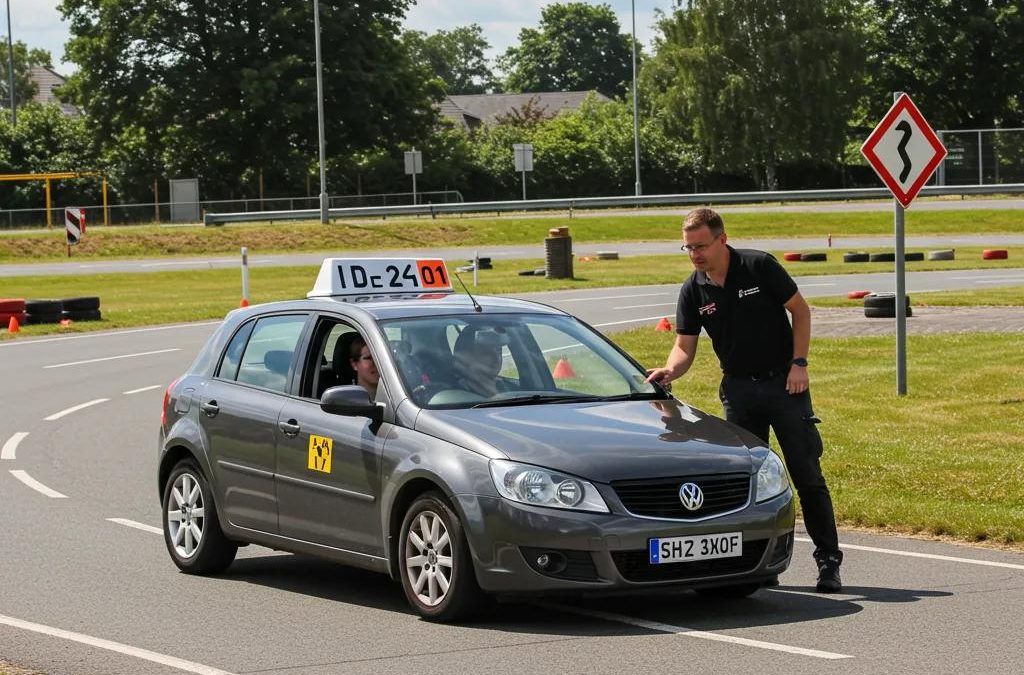
A road test site in New York is a designated location where examiners assess driving ability using set routes, maneuvers, and a vehicle inspection to verify safety and compliance. These sites exist to measure core skills such as lane changes, turning, intersections, signaling, parallel parking, and reacting to traffic control devices; the examiner observes and scores based on standard DMV criteria. The NY DMV assigns examiners and schedules tests across sites based on regional demand, staffing, and seasonal patterns, which affects availability and wait times for appointments. Understanding site mechanics helps you select a location and prepare targeted practice sessions that match real test conditions.
What is a road test site in New York?
A road test site in New York typically includes an examiner’s office or check-in area, a designated test route or set of routes, vehicle inspection and parking areas, and nearby traffic conditions that shape the test experience. Examiners will check your learner’s permit, required certificates, and the vehicle’s registration and insurance before starting the drive portion; they then evaluate specific maneuvers and interactions with traffic. The route may include high-traffic intersections, residential streets, or highway merges depending on the site type, so knowing the site’s common route features helps tailor practice. Preparing with those route characteristics in mind reduces surprises and improves performance on test day.
How does the NY DMV manage road test locations?
The NY DMV manages road test locations by maintaining an official schedule of testing sites, allocating examiners across regions, and updating appointment availability through its scheduling channels; staffing levels and seasonal demand directly influence wait times. During peak months the DMV may prioritize examiner assignments to busier locations, while quieter suburban or rural sites can show faster throughput and shorter local queues. The DMV also enforces vehicle and documentation checks at the site level and may close or modify routes for safety or local conditions, so candidates should confirm requirements ahead of arrival. Understanding DMV logistics—how and when slots are released, and how examiner allocation works—helps you time your booking and choose sites strategically.
What types of road test sites exist in NY?
Road test sites in New York fall into several types: urban sites in high-traffic boroughs, suburban and Long Island sites with mixed traffic, rural/upstate sites with lower volume and simpler routes, and specialty testing locations for motorcycles or commercial licenses. Urban sites tend to include more complex intersections and denser traffic patterns, while suburban and rural sites often offer clearer turning points and more predictable maneuvers. Some sites are purpose-built with spacious parking areas for parallel and hill parking practice, which can benefit nervous drivers. Selecting a site type that matches your experience—urban for city driving skills or suburban/rural for predictable routes—can influence your strategy and increase the likelihood of a successful test.
Which Are the Easiest Road Test Sites in NYC and New York State?
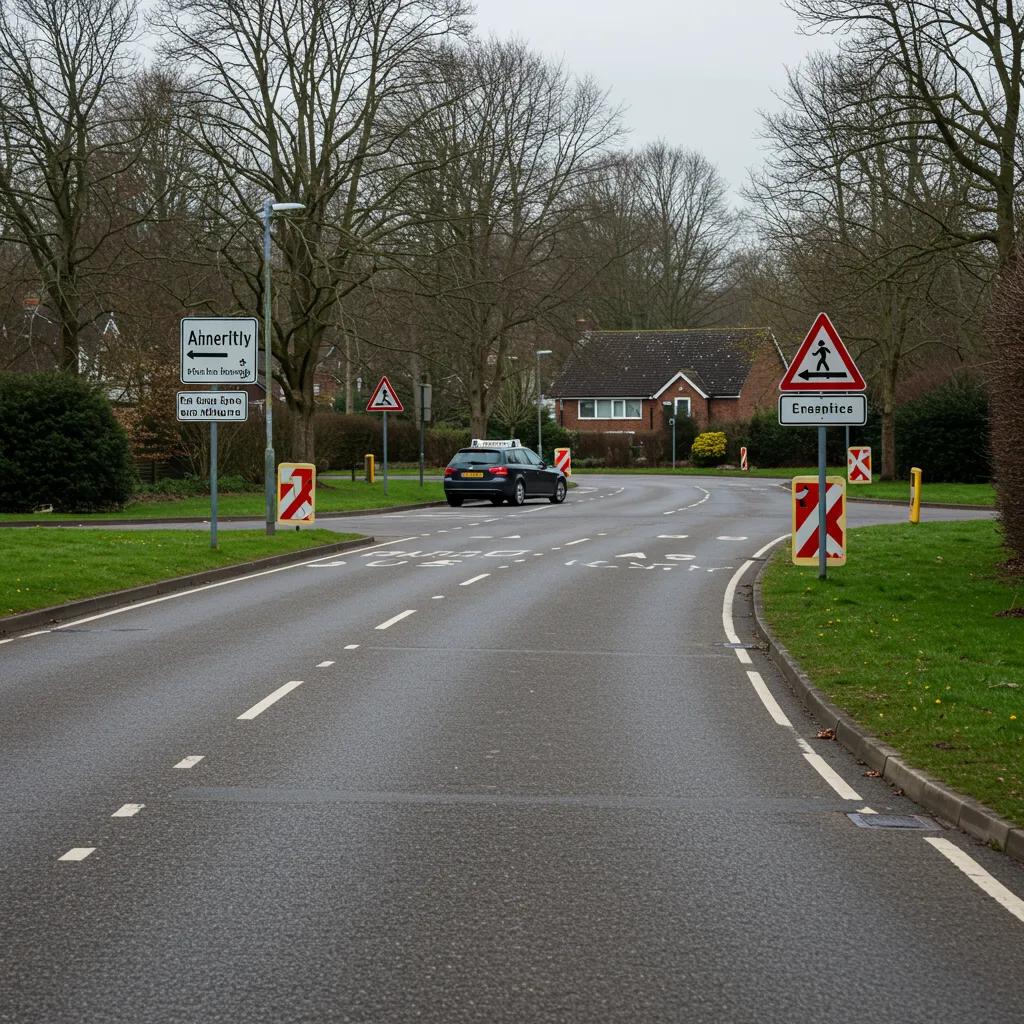
“Easiest” road test sites tend to combine low traffic, straightforward routes, ample practice parking areas, and predictable examiner patterns that favor standard maneuvers; these factors reduce stress and the chance of unexpected challenges. When choosing a site, evaluate traffic volume at typical test times, route complexity (fewer lanes and simpler turns), and available on-site practice areas for maneuvers like parallel parking. Local candidates often prefer certain Long Island and Upstate sites for these reasons, and some NYC locations are also consistently recommended when traffic is light. Picking an easier site can translate into calmer performance and more consistent execution of required skills.
What makes a road test site easier for test takers?
Several measurable factors make a site easier: lower average traffic volume during testing windows, short and predictable routes with fewer lane changes, visibly marked parking practice areas, and examiner tendencies that prioritize standard maneuvers over unconventional challenges. Sites with clear signage, well-maintained roads, and minimal construction are less likely to force abrupt reactions or complicated merges. Time-of-day patterns also matter—midday slots often face lighter flows than morning or afternoon rush hours—so schedule selection interacts with site choice. Assessing these factors in advance lets you design practice sessions that mimic likely test conditions and reduce anxiety.
What are the top 5 easiest road test sites in NY?
The top five sites often recommended by testers and instructors combine accessible routes and lower traffic patterns, making them favorable for many candidates. Riverhead on Long Island frequently ranks high for its relatively simple routes and lower congestion compared with NYC sites. Kissena Park in Queens is known for clear residential streets and predictable turns during non-peak hours. Seaview in Brooklyn offers a mix of open roads and manageable intersections that many learners find straightforward. Wantagh on Long Island provides suburban conditions with ample practice parking areas. Ozone Park and Red Hook each have pockets where examiners commonly use less complicated routes at certain times. Choosing one of these sites can simplify maneuvers and reduce exam-day stress.
- Riverhead — Lower traffic and simple turns make it easier for first-time testers.
- Kissena Park — Residential routes with predictable signals reduce surprise elements.
- Seaview — Manageable intersections and clear lane patterns aid examiner expectations.
- Wantagh — Suburban layout and practice spaces simplify parking maneuvers.
- Ozone Park / Red Hook — Certain time windows offer less congestion and clearer routes.
These options show how regional characteristics influence perceived difficulty and help you pick a site aligned with your strengths.
Intro to site comparison table: The table below summarizes why particular sites are often considered easier and what practical advantages they offer test takers. Review these attributes to decide which site best matches your experience level and travel constraints.
Summary: This table highlights site-level attributes that reduce variable risk on test day, helping you prioritize locations that match your comfort and practice focus.
How Can You Schedule a Road Test in New York?
Scheduling a road test in New York can be done through the official NY DMV channels—online portal, phone, or in-person—each with its own process and typical lead times; third-party expedited services offer faster access to appointments at a cost. The DMV’s official scheduling is authoritative and should be your primary point of reference for eligibility, required documents, and official site lists, while third-party services focus on finding sooner slots and handling logistics. Evaluate choices by weighing cost versus speed and convenience, and use scheduling alerts, flexible dates, and local site selection to improve your chance of getting an earlier DMV appointment. Understanding both options lets you choose the route that best fits your timeline.
What are the official NY DMV road test scheduling methods?
The NY DMV offers an online scheduling portal as the main channel for booking road tests, where you select a site, confirm eligibility, and book available windows; this method provides official confirmation and is the default for most candidates. Phone and in-person scheduling are alternatives when online access is limited or when applicants need assistance; these routes may require additional verification and can be slower depending on call center or office demand. Eligibility checks typically include holding a valid learner’s permit and completing any required pre-licensing coursework; having documents ready at booking time reduces delays. For many test takers, watching the portal for cancellations and weekday mid-morning releases yields the best DMV-centered results.
Intro to scheduling comparison table: The table below compares common scheduling methods by typical wait time and cost or trade-offs to help you decide between DMV channels and expedited third-party tiers.
Summary: The DMV provides the official pathway with no third-party fees but potentially long waits; Road Tests NY’s three-tier pricing offers incremental speed and concierge help that can be worthwhile for urgent needs.
How does Road Tests NY expedite road test appointments?
After explaining official DMV methods, it’s important to note that Road Tests NY provides an expedited appointment service with transparent tiers for different timing needs and concierge support to find earlier slots. Road Tests NY offers Regular Road Test (6-10 weeks wait time) for $25.00 as a budget-friendly expedited search tier that assists with booking logistics. For faster options, Road Tests NY provides Rush Road Test (within 3 weeks) for $90.00, which focuses on quicker placement and active monitoring of cancellations. The fastest tier is Super Rush Road Test (within 1 week) for $150.00, delivering the most aggressive concierge searches and priority scheduling attempts to secure the earliest possible DMV openings.
What are the costs and benefits of expedited road test booking?
Choosing expedited booking trades a monetary fee for reduced wait time and hands-off scheduling support, and the right tier depends on urgency, budget, and flexibility. The Regular tier balances cost and speed for moderately impatient candidates, offering a low-fee service that still improves search efficiency compared with DIY scheduling. The Rush and Super Rush tiers cost more but can dramatically shorten lead times when test dates are needed quickly for work, school, or licensing timelines. Consider whether the convenience, 24/7 booking availability, and concierge handling justify the price relative to waiting for an official DMV slot; for many candidates with inflexible deadlines, expedited tiers deliver clear value.
Can you book same-day or last-minute road test appointments in NY?
Same-day DMV appointments are rare and generally unavailable through official channels, though cancellations do occur and third-party services may occasionally secure last-minute openings by monitoring releases closely. To maximize last-minute chances, remain flexible with locations and times, sign up for alerts, and keep required documentation ready so you can accept a slot immediately. Using an expedited service increases the odds of capturing a last-minute opening because concierge teams actively scan for cancellations across multiple sites. However, set realistic expectations: same-day success is uncommon, and planning for the shortest practical lead time is a more reliable strategy.
What Are the Key NY Road Test Requirements and Documents?
You must arrive with a complete set of documents and a compliant vehicle to take a NY road test; missing paperwork or vehicle deficiencies are common reasons for cancellation or automatic failure. Required items typically include the learner’s permit, proof of completion for any required pre-licensing course or driver education, valid vehicle registration and insurance, and any school-certified forms when applicable. The vehicle must pass a safety inspection on site and meet DMV criteria for operability; examiners will confirm working lights, brakes, horn, and signaling systems. Preparing these documents and confirming vehicle readiness ahead of time prevents administrative issues and lets you focus on driving performance.
What documents do you need for a NY road test?
A concise checklist helps ensure you bring every required document: your valid learner’s permit, a completed 5-hour pre-licensing certificate if required (MV-278), any driver education certificate (MV-285) when applicable, and acceptable identification. In addition, bring the vehicle’s registration and proof of insurance; the examiner will verify that vehicle ownership and coverage are current and valid for the test. If a parent or guardian arranged any permissions or endorsements, bring those documents too to avoid delays. Having printed copies organized in a folder simplifies check-in and demonstrates readiness to the examiner.
Intro to documents table: The following table outlines critical documents, who needs them, and how or when to present them so you can prepare a single, test-day-ready packet.
Summary: Carrying these documents in order and knowing where each form is required removes administrative hurdles and helps you begin the driving evaluation on schedule.
What are the NY driver’s license test location requirements?
The vehicle used for the test must be legally registered, insured, and in safe working condition, with seat belts for all passengers and operational signals, lights, brakes, and horn. Some sites prohibit certain vehicle types or require specific access permissions, so verify site rules ahead of time and confirm the vehicle meets the examiner’s checklist. Examiners perform a brief safety inspection before the drive; failing the inspection due to unsafe equipment will prevent the test from starting. Bringing documentation for any modifications, or a rental agreement if using a rented vehicle, helps avoid last-minute complications.
How does the 5-hour pre-licensing course fit into the process?
The 5-hour pre-licensing course provides foundational classroom instruction required for many new drivers and results in the MV-278 certificate, which must be presented before taking the road test when required by NY regulations. This course covers safe driving principles, NY traffic laws, and key test-day expectations; completing it ahead of scheduling ensures you meet eligibility and prevents last-minute disqualification. The certificate’s timing matters: keep a physical or digital copy available for both the DMV scheduling process and the on-site examiner. Integrating the pre-licensing course into your timeline earlier allows more practice time to apply classroom lessons to real driving skills.
What are the common road test rules and traffic laws to know?
Examiners evaluate adherence to basic rules like proper signaling, speed compliance, yielding right-of-way, complete stops at stop signs, and safe lane changes; these behaviors form the core scoring criteria and are common causes for errors. Specific maneuvers frequently tested include parallel parking, three-point turns, uncontrolled intersection responses, and highway merges where applicable; practicing each under varied conditions reduces procedural mistakes. Defensive driving habits—scanning intersections, maintaining safe following distances, and anticipating other drivers—help avoid critical errors. Mastering these fundamental rules and maneuvers translates directly into fewer deductions and a higher chance of passing.
Where Are NY Road Test Sites Located by Region?
Road test sites are distributed across New York City boroughs, Long Island, and Upstate New York, with each region offering different traffic patterns, route complexity, and appointment availability that impact your choice. NYC sites often present dense traffic and complex signaling, Long Island tends toward suburban layouts with predictable turns, and Upstate locations frequently offer rural roads and lower congestion. Consider travel time versus site difficulty: a longer drive to an easier site can be worthwhile if it reduces the number of challenging maneuvers or traffic interactions you’ll face. Regional awareness helps you decide whether to prioritize convenience, ease, or earlier availability.
What are the main road test sites in New York City?
Key NYC sites include locations such as Kissena Park, Seaview, Ozone Park, and Red Hook, each with distinct traffic and route characteristics that influence testing conditions. Kissena Park generally uses quieter residential streets, making it favorable for maneuver practice during off-peak times. Seaview includes some open road stretches that allow examiners to test merging and multi-lane awareness without heavy congestion at certain times. Ozone Park and Red Hook can have mixed traffic depending on timing, so choosing non-peak appointments at these sites often yields simpler routes. Knowing each site’s typical flow helps align practice drives with expected exam conditions.
Which road test sites serve Long Island and surrounding areas?
Long Island hosts several test sites—Riverhead and Wantagh among them—that are popular because they offer suburban road layouts, lower traffic volumes during many testing windows, and accessible parking practice areas. Riverhead’s county roads are often cited for clarity and predictability, which reduces the number of complex lane changes and heavy intersections on a test route. Wantagh’s suburban streets and available practice spaces make it a good fit for people seeking straightforward maneuvers. For many candidates living near Long Island, these sites provide a balance of travel time and an easier route profile compared with urban alternatives.
What road test locations are available in Upstate New York?
Upstate New York includes many county and small-city test locations that typically present lower traffic density and rural driving conditions, offering predictable routes and fewer multi-lane interactions than NYC. These sites often require longer travel for city residents but can reward candidates with simpler driving scenarios and shorter local wait times. Upstate routes may include highway merges unique from urban tests, so practicing highway driving where applicable is important. When considering an Upstate site, factor in travel logistics and whether the testing route will include high-speed segments that require specific preparation.
How to choose the best site based on your location and needs?
Choose a site by weighing distance, wait times, traffic complexity, and your personal driving strengths; create a decision checklist that prioritizes availability first, then ease of route if you are nervous about maneuvers. If availability is tight in your area, consider whether paying for expedited scheduling or traveling to a nearby region with shorter lead times makes sense. For nervous drivers, sacrificing travel time for a site with clear parking areas and simpler intersections is often beneficial. Use a small test drive or reconnaissance visit to the site to observe traffic patterns and confirm the route profile before committing to a booking.
How Can You Prepare Effectively for Your NY Road Test?
Effective preparation blends focused practice on tested maneuvers, knowledge of documents and vehicle checks, and use of quality resources such as online courses, practice quizzes, and structured lessons that simulate real test conditions. Consistent practice sessions emphasizing maneuvers like parallel parking, three-point turns, controlled stops, and highway merges build procedural memory and reduce errors under examiner observation. Combining practical driving time with mental rehearsal and checklists—vehicle inspection, mirrors, signals—produces reliable test-day performance. Additionally, structured courses and quizzes accelerate learning by giving targeted feedback and confidence-building repetition.
What online courses and resources does Road Tests NY offer?
Road Tests NY offers several online courses designed to support targeted preparation: New York State Road Test Preparation Course ($75.00) focuses on test-specific maneuvers and examiner expectations to align practice with DMV criteria. Driving Foundations 101 ($49.00) covers core driving skills and defensive driving principles for newer drivers building baseline competence. Highway Driving ($69.00) is tailored to mastering merges, lane discipline, and higher-speed judgment that are essential on routes involving highways. These courses complement hands-on practice by providing structured lessons, checklists, and practice plans that map directly to common road test requirements.
What are the best tips for passing the NY road test?
Adopt a checklist approach: verify documents and vehicle condition, rehearse maneuvers in the actual site or similar roads, practice calm, steady control over speed and signaling, and maintain clear communication with the examiner. Arrive early to the site to complete necessary vehicle checks and to mentally prepare without rushing; use warm-up drives to confirm brakes, lights, and mirrors. During the test, focus on smooth inputs—gradual steering, proper mirror checks, and consistent signaling—rather than quick corrections that attract deductions. Practicing with a licensed instructor or experienced driver who can simulate examiner feedback also accelerates readiness.
How do practice quizzes and guides help reduce test anxiety?
Practice quizzes and structured guides reduce anxiety by increasing familiarity with rules, sequence of maneuvers, and examiner expectations; this cognitive rehearsal lowers uncertainty and enhances decision-making under pressure. Short, repeated quiz sessions build declarative knowledge—traffic laws and scoring criteria—while guides outline step-by-step maneuvers that become automatic through practice. Regular quiz practice combined with hands-on repetition establishes both knowledge and motor patterns, which together reduce the cognitive load during the live test. Set a cadence of daily short quizzes plus several weekly driving road test sessions to optimize retention and confidence.
What role do car rentals play in road test preparation?
Renting a car for a road test can be necessary if you lack access to an eligible vehicle, but it requires careful preparation: ensure the rental allows use for a DMV test, confirm valid registration and insurance coverage for the test, and verify the vehicle’s condition and familiarity before arrival. A rental can be advantageous because it removes uncertainty about last-minute mechanical issues with a personal vehicle, provided the rental agreement permits test use and the vehicle meets DMV standards. Practice several sessions in the rental ahead of the test so you are comfortable with vehicle dimensions, blind spots, and braking behavior. Always bring proof of rental authorization and insurance documents to the test.
What Are Common Questions About NY Road Test Sites and Booking?
Candidates commonly ask about ideal lead times, regional wait time differences, rescheduling policies, test-day expectations, and the nature of third-party booking support; clear answers help set realistic plans and reduce avoidable errors. Typical advice emphasizes booking early for peak seasons, verifying document requirements, and using targeted practice at selected sites to align with test routes. Understanding cancellation windows and DMV rescheduling rules prevents penalties and wasted travel. Below are concise answers to the most frequent questions, paired with practical steps to prepare and adapt to regional differences.
How far in advance should I schedule my NY road test?
Lead times vary by region and season, but scheduling several weeks to months ahead is common—plan early for peak months and busy NYC sites while checking for mid-week or off-peak cancellations to shorten waits. If your timeline is tight, consider expedited booking options that can reduce wait time through active slot monitoring. Keep required documents and course certificates ready well before the appointment to avoid disqualification. Regularly monitor the DMV portal for released slots and use flexible date ranges to capitalize on cancellations.
Are there differences in wait times between regions?
Yes—NYC sites generally show longer wait lists due to higher demand, while Long Island and Upstate sites often have shorter local wait times and more availability; examiner staffing and seasonal patterns also influence regional variation. If you live near a less congested region, traveling a bit farther can sometimes result in a substantially earlier appointment. When availability is tight in your home region, compare travel time against expected wait reductions to decide whether to travel. Checking multiple nearby sites and remaining flexible with dates yields the best chance for an earlier slot.
Can I change or cancel my road test appointment?
The NY DMV allows changes and cancellations within its policies, which typically require timely notice to avoid forfeiting slots; follow official procedures to reschedule or cancel to prevent penalties and rebooking delays. Third-party booking services may assist with rescheduling and searching for new openings but operate under their own terms in addition to DMV rules. When you must change a date, provide as much advance notice as possible and verify that all documents remain valid for the new appointment. Keep records of confirmations and any communications to avoid misunderstandings on test day.
What should I expect on test day at NY road test sites?
Expect a check-in process where examiners verify identity, learner’s permit, required certificates, and vehicle documents, followed by a short vehicle safety inspection before the driving evaluation begins; the drive portion usually lasts around 10–20 minutes depending on route complexity. Examiners will instruct you on maneuver expectations and may ask yes/no questions about vehicle condition; remain calm, listen carefully, and perform maneuvers deliberately. After completion, the examiner will provide your result and any feedback; if you fail, note the areas to improve before a retest. A smooth test day hinges on preparedness with documents, a compliant vehicle, and practiced maneuvers.
How does Road Tests NY support customers during booking?
Road Tests NY supports customers by offering concierge-style booking assistance, 24/7 availability for scheduling searches, and secure payment processing for expedited tiers while helping find earlier DMV appointments when possible. Their service model focuses on relieving the logistical burden of scanning multiple sites and monitoring cancellations, presenting options across Regular, Rush, and Super Rush tiers aligned to different urgency levels. Customers receive booking confirmations and communications to streamline the on-site process and reduce scheduling uncertainty. For candidates seeking a hands-off approach to finding earlier slots, this concierge support complements traditional DMV methods.
For candidates ready to accelerate the scheduling process, consider the available booking tiers and online course options offered by Road Tests NY: Regular Road Test (6-10 weeks wait time) for $25.00, Rush Road Test (within 3 weeks) for $90.00, and Super Rush Road Test (within 1 week) for $150.00. Road Tests NY also provides targeted online preparation through the New York State Road Test Preparation Course ($75.00), Driving Foundations 101 ($49.00), and Highway Driving ($69.00), which can be combined with scheduling support to maximize readiness and reduce wait time. These services act as supplemental tools to the DMV’s official channels and are intended to help you find the right appointment and prepare confidently for test day.
Frequently Asked Questions
What should I do if I fail my road test in New York?
If you fail your road test in New York, you can retake it after a waiting period, which is typically at least one day. It’s essential to review the feedback provided by the examiner to understand the areas where you need improvement. Consider scheduling additional practice sessions focusing on the specific maneuvers that caused issues. You can also take a few lessons with a driving instructor to build confidence and refine your skills before attempting the test again. Remember to ensure all required documents are in order for your next appointment.
Are there any age restrictions for taking the NY road test?
In New York, you must be at least 16 years old to take the road test. However, you must first hold a valid learner’s permit for at least six months if you are under 18. Additionally, if you are under 18, you must complete a pre-licensing course or a driver education program before you can schedule your road test. These requirements are in place to ensure that young drivers have adequate practice and knowledge before obtaining a full driver’s license.
Can I use a rental car for my road test in New York?
Yes, you can use a rental car for your road test in New York, but there are specific requirements. The rental vehicle must be legally registered, insured, and in good working condition. Additionally, you need to ensure that the rental agreement allows for its use during a DMV road test. It’s advisable to practice driving in the rental car beforehand to become familiar with its controls and dimensions, which can help reduce anxiety on test day.
What happens if I arrive late for my road test appointment?
If you arrive late for your road test appointment, you may not be allowed to take the test and could lose your scheduled slot. The NY DMV typically has strict policies regarding punctuality, so it’s crucial to arrive at least 15 minutes early to allow time for check-in and any necessary vehicle inspections. If you miss your appointment, you will need to reschedule, which may result in additional waiting time. Always plan your travel to the test site carefully to avoid delays.
How can I improve my chances of passing the road test?
To improve your chances of passing the road test, practice regularly on the specific maneuvers that will be tested, such as parallel parking, lane changes, and obeying traffic signals. Familiarize yourself with the test route if possible, and consider taking a few lessons with a qualified instructor who can provide feedback and tips. Additionally, ensure that you have all required documents ready and that your vehicle is in good condition. Staying calm and focused during the test will also help you perform better.
What should I do if I need to reschedule my road test?
If you need to reschedule your road test, you can do so through the NY DMV’s online portal, by phone, or in person. Be sure to do this as soon as possible to avoid losing your appointment. Depending on the timing, you may be able to select a new date that works better for you. Keep in mind that rescheduling may result in longer wait times, especially during peak seasons, so it’s best to act quickly to secure a new appointment.
About the Author
This comprehensive guide was compiled by David Chen, a seasoned driving instructor and road safety advocate with over 15 years of experience in New York State. David has personally guided hundreds of students through the NY road test process, helping them master essential driving skills and navigate DMV requirements. His expertise stems from extensive practical experience, a deep understanding of NY traffic laws, and a commitment to fostering safe and confident drivers. David is also a consultant for driving education programs, contributing to curriculum development that aligns with current DMV standards and best practices for test preparation.