
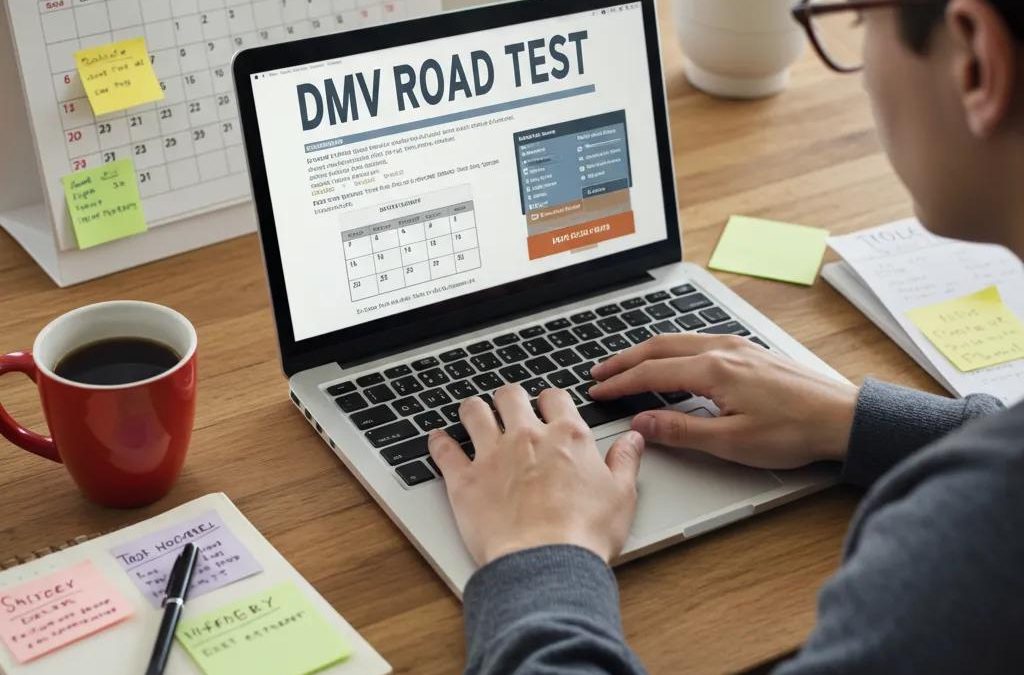
Schedule Your NY DMV Road Test Appointment: Step-by-Step GuideHow to Schedule a NY Road Test Appointment: Complete Guide to Booking Your DMV Driving Test
Scheduling a road test appointment in New York means securing a slot to demonstrate driving competence for your license; the process ties together eligibility verification, site selection, and vehicle readiness. This guide explains how to schedule a DMV road test appointment in New York, compares official booking routes with expedited third-party options, and walks through documents, vehicle requirements, and preparation strategies to pass on the first try. Many applicants face long DMV wait times and confusion about prerequisites like the MV-278 pre-licensing certificate or acceptable vehicle conditions; understanding each requirement reduces no-shows and automatic failures. The article previews step-by-step online booking instructions, a comparison of expedited scheduling packages and prices, practical site-selection tips across 150+ New York test locations, and focused prep for Class D, CDL, and motorcycle exams. By mapping official procedures to realistic timelines and offering targeted checklists and practice recommendations, this resource helps you move from permit to appointment with clarity and fewer delays. Read on for concise action steps, comparison tables, and preparation lists designed to target common “road test appt” queries and get you ready for test day.
How Do I Schedule a DMV Road Test Appointment in New York?
A DMV road test appointment in New York is scheduled through the official DMV system by verifying eligibility, choosing a license class and test site, and reserving a date and time using the state booking interface or authorized channels. The mechanism ensures applicants meet prerequisites—such as holding a valid learner permit and completing required pre-licensing instruction—before a seat is confirmed, which reduces last-minute cancellations and examiner disqualifications. Knowing the available booking routes and basic steps lets you compare wait times and choose an approach that fits your timeline, whether using the official DMV, phone scheduling where available, in-person help, or third-party expedited services that monitor cancellations for earlier openings. The next subsections detail online booking steps, availability with a third-party scheduler, and how expedited services search for earlier appointments to shorten wait times.
What Are the Steps to Book a Driving Test in NY Online?
Booking online for a New York road test involves account setup, eligibility checks, site selection, date/time selection, vehicle information, and confirmation—each step builds toward a valid appointment. First, create or sign into the state DMV account and confirm your learner permit and personal details; this verifies you meet the basic eligibility criteria. Next, select the license class (for example Class D or motorcycle), pick one or more preferred test sites, and scan for available dates and times that match your schedule; choosing multiple sites increases your chances of earlier slots. Finally, provide vehicle details and any required certificates, complete payment if applicable, and print or save your booking confirmation to present at the test. Completing these steps carefully reduces administrative issues and leads into vehicle and document checks discussed next.
- Create or sign into your DMV account and verify learner permit information.
- Select license class and search for available test sites, expanding site choices if needed.
- Choose a date and time, enter vehicle and certificate details, complete payment, and save confirmation.
These ordered steps summarize the online flow; following them closely minimizes surprises on test day and leads into considerations about 24/7 third-party availability for earlier slots.
Can I Schedule My Road Test Appointment Anytime with Road Tests NY?
Road Tests NY provides an online scheduling pathway that operates 24/7 for booking convenience but does not replace official DMV authority or change licensing rules; it functions as an independent appointment-finding and booking service. The system offers same-day confirmation claims and around-the-clock access to search and reserve appointments, which helps applicants who need flexibility outside typical office hours. Because Road Tests NY is not a government portal, users still must meet DMV eligibility and present required documents like permits and pre-licensing certificates at the test; the service automates searching and booking, but it cannot change DMV review procedures or examiner decisions. Understanding these boundaries helps applicants choose whether the speed and convenience of a continuous online service suit their needs compared with direct DMV booking, and the next subsection explains how such services seek earlier availability through monitoring strategies.
How Does Road Tests NY Expedite the Road Test Scheduling Process?
Road Tests NY expedites scheduling by scanning for cancellations, searching across broad site coverage, and using booking automation to act quickly when earlier slots become available, increasing the odds of sooner confirmation. The mechanism relies on cancellation monitoring and rapid matching algorithms that check many test sites frequently and attempt bookings the moment an opening appears, which can shorten the average wait compared with a single-site manual search. Broad site coverage—over 150 road test sites in New York—lets the service search geographically diverse locations so candidates can accept earlier appointments that remain within practical travel distance. While expedited packages and monitoring improve chances, the service sets realistic expectations: faster access is typical but not guaranteed, and official DMV rules still control final confirmation on test day.
What Are the Requirements for a NY Drivers License Road Test Appointment?
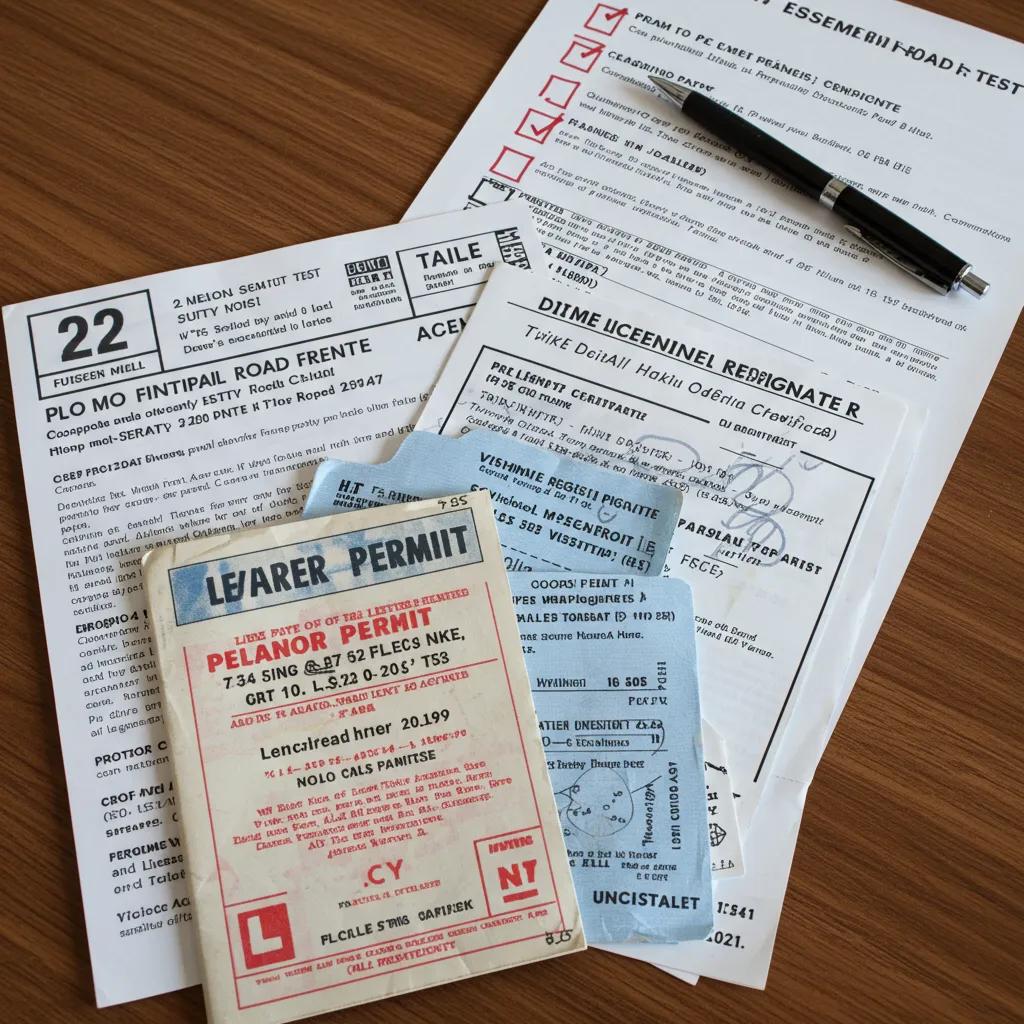
A New York road test requires specific documents, certifications, and a legally compliant vehicle to ensure the examiner can evaluate driving safely and lawfully; missing items commonly result in automatic failure or rescheduling. The mechanism is straightforward: present proof of identity and eligibility, supply required pre-licensing or education certificates when applicable, and bring a vehicle that meets registration, insurance, and safety standards so the examiner can evaluate driving maneuvers. Preparing documentation and ensuring the vehicle passes a pre-test inspection reduce the risk of administrative disqualifications and allow you to focus on driving performance. The following subsections list documents, vehicle checks, and prep steps to pass on the first try and to avoid last-minute surprises that force cancellations.
What Documents and Certificates Do I Need for My Road Test?
Before the test, you must bring the learner permit, acceptable photo ID, proof of required pre-licensing or driver education, and proof of vehicle registration and insurance when using a private vehicle. Specifically, applicants often present a learner permit that is current and valid, and if required by license class, a pre-licensing course certificate (for example the MV-278) or a driver education certificate (MV-285); examiners will inspect these documents to verify eligibility. In addition, if you drive a private vehicle, bring current vehicle registration and proof of insurance showing the vehicle is covered for the test; without these, the examiner will not proceed. Gathering these items the day before prevents automatic denial and sets the stage for the vehicle inspection described next.
- Documents to bring for a NY road test include learner permit, photo ID, pre-licensing certificate when required, and vehicle registration/insurance.
- Ensure certificates like MV-278 or MV-285 are original or official copies as required by the DMV.
- Verify that personal identification matches DMV records to avoid identity-related delays.
Preparing these documents in a single folder simplifies check-in at the test site and transitions into confirming the vehicle meets safety standards.
What Vehicle Requirements Must Be Met for the Road Test?
The vehicle used for the test must be legally registered, insured, have a working seat belt for the examiner, functional signals and lights, and pass a basic safety inspection before the test begins to allow safe evaluation. Common automatic-failure issues include missing license plates, broken lights, lack of valid insurance, no accessible handbrake, or damaged mirrors that prevent the examiner from observing the road. If using a rental or driving school car, verify that the vehicle provider allows its use for DMV tests and brings required paperwork; many applicants choose a driving school vehicle to reduce vehicle-based failure risk. Completing a vehicle checklist the day before the test reduces the chance of being turned away and lets you concentrate on demonstration of driving skills during your appointment.
How Do I Prepare for the NY Road Test to Pass on the First Try?
Effective preparation combines skill practice, familiarity with common examiner maneuvers, mock tests, and a day-before checklist to reduce stress and errors on test day; the mechanism is deliberate rehearsal and systems checks that build competence and confidence. Practice specific maneuvers—parallel parking, three-point turns, controlled intersections, and lane changes—under realistic traffic conditions and with timed mock tests to simulate examiner pacing. Use practice quizzes and official pre-licensing course content to reinforce rules and signage recognition; combining practical driving with cognitive preparation helps reduce hesitation during maneuvers. Confirm vehicle readiness and documents the day before, and rest well to ensure attention and steady decision-making during the test.
- Practice the core maneuvers repeatedly with a licensed instructor or experienced driver.
- Run at least two timed mock tests under real driving conditions to simulate examiner expectations.
- Review rules and signage with practice quizzes, and prepare documents and the vehicle the day before.
These steps create a structured preparation plan that reduces failure risk and transitions into the next section about expedited scheduling options for those needing faster appointments.
What Are the Options for Expedited Road Test Scheduling in New York?
Expedited scheduling in New York includes third-party packages that prioritize earlier availability through cancellation monitoring and broader site searches; the tradeoff is paying a fee for faster access compared with typical DMV wait times. The mechanism behind expedited services is proactive scanning of cancellations and automated booking attempts across multiple sites, which can yield earlier confirmations than manual searching at a single test center. Understanding the distinctions among Regular, Rush, and Super Rush packages helps candidates choose a price-point and timeline that aligns with how soon they need an appointment. The subsections below define each expedited tier, list exact pricing tiers, and provide realistic confirmation timelines so you can decide whether an expedited path fits your schedule and budget.
What Is the Difference Between Rush and Super Rush Road Test Services?
Rush and Super Rush services differ principally in expected timeline and priority handling: Rush typically targets appointments within about three weeks, while Super Rush aims for appointments within roughly one week. The operational difference is the intensity of monitoring and booking priority—Super Rush receives faster algorithmic attempts and more frequent cancellation checks, increasing the likelihood of a nearer-term slot for urgent needs. Rush serves applicants who want a faster appointment without the highest premium, while Super Rush suits those with immediate time-sensitive requirements, such as imminent work or residency timelines. Choosing between them depends on urgency, willingness to pay more for speed, and flexibility about test site location.
How Much Does an Expedited Road Test Appointment Cost in NY?
Expedited appointment pricing provides clear options: a Regular booking option is offered at $25.00, Rush expedited scheduling is $90.00, and Super Rush expedited scheduling is $150.00—these prices reflect faster access to appointment searching and booking automation compared with standard free DMV scheduling. The price covers proactive monitoring, attempts across multiple sites, and booking handling rather than altering DMV exam procedures; it represents a time-for-cost tradeoff for applicants who value earlier test dates. By comparison, standard DMV scheduling is free but can involve weeks or months of waiting; the choice is a practical calculation of how much you value a shortened timeline relative to the fee. Understanding these tiers helps you weigh cost versus speed when planning your next steps.
How Quickly Can I Get a Road Test Appointment Using Expedited Services?
Typical confirmation timelines vary: Regular often reflects standard DMV waits and may take six to ten weeks, Rush commonly yields appointments within about three weeks, and Super Rush frequently secures slots within approximately one week—though none are absolute guarantees. The mechanism influencing speed is cancellation availability and geographic flexibility; applicants who accept multiple nearby sites see faster confirmations because the system can book the first available opening. Factors that speed confirmation include off-peak seasons, flexibility in test times, and using services that scan many sites; factors that slow it include high demand periods and strict location constraints. If you need immediate proof of booking, request a confirmation receipt or booking reference from the service immediately after booking and verify required documents to avoid last-minute cancellation.
Where Are the NY Road Test Sites and How Do I Choose the Best Location?
New York State maintains many road test sites across urban, suburban, and rural regions, and choosing the best site depends on commute time, typical route characteristics, examiner expectations, and parking availability; location selection affects both comfort on test day and the types of maneuvers most likely to be assessed. The mechanism of site selection is matching your skillset and travel constraints to site characteristics—urban sites often test dense intersections and parking, while suburban sites emphasize lane changes and higher-speed merging. A searchable database and mapping tools let you filter sites by license class, distance, and availability, improving your ability to find a practical location that increases confidence on test day. The following subsections explain how to find nearby sites, offer route-specific tips for popular locations, and clarify rules for using driving school or rental cars at specific sites.
How Can I Find Road Test Sites Near Me in New York?
Finding nearby road test sites is most efficient by using a dedicated test-site search tool or the official DMV site to filter by license class and distance; mapping tools help estimate commute time and traffic conditions. Start by entering your location and desired license class into a site search tool to generate a prioritized list of nearby test centers that actually administer the class of test you need. Cross-reference candidate sites with maps to check typical traffic patterns at your preferred test time and identify parking and examiner check-in locations. Expanding your search radius increases available appointment options and can substantially shorten wait times through flexible site selection.
- Use a test-site search tool that filters by license class and distance to list practical locations.
- Check local traffic patterns and peak hours on mapping tools to choose a test time with lighter traffic.
- Prioritize sites with straightforward parking and easy entry to reduce pre-test stress.
These steps simplify selection and lead into tips for specific urban and suburban route characteristics.
What Are Popular Road Test Routes and Tips for Specific NY Locations?
Popular road test routes vary by site: urban test centers typically include complex intersections and parallel parking, suburban centers emphasize lane changes and highway merging, and rural sites assess steady-speed road handling and observation over longer distances. For urban routes, rehearse tight-space maneuvers and multiple-turn intersections, and for suburban or highway-adjacent routes, focus on safe merging, lane discipline, and speed control. Practicing near the chosen test site on similar roads—at the same time of day if possible—helps you acclimate to traffic flow and signal timing that examiners use when evaluating performance. Knowing the route character lets you tailor practice sessions to the examiner’s likely emphasis and reduces performance variability on test day.
Can I Use a Driving School or Rental Car for My Road Test in NY?
You can often use a driving school vehicle or a properly insured rental car for a road test, provided the vehicle meets DMV requirements and the provider authorizes its use for licensing exams; the mechanism is ensuring documentation and examiner access before the test. Driving school cars commonly come prepared with dual controls and examiner access and usually include paperwork confirming the school’s permission to use the vehicle for testing, which reduces vehicle-based failure risk. Rental cars may be acceptable if the rental agreement and insurance policies explicitly permit use for DMV testing and the vehicle has required registration and plates; confirm with the rental agency and bring documentation. Verify coverage and written permission ahead of time to avoid being away.
How Can I Prepare for My NY Road Test Appointment?
Preparation for the NY road test combines targeted practice, course completion where required, cognitive review with quizzes, and logistical checks to ensure vehicle and paperwork readiness; the mechanism is systematic rehearsal and verification that converts practice into consistent performance. A multi-week plan that balances maneuver drills, mock tests, and rule review produces the competence examiners expect, while courses like the MV-278 pre-licensing program provide structured content that satisfies eligibility requirements. Practice quizzes reinforce signage knowledge and decision-making speed, reducing hesitation and improving situational judgment during the test. The subsections below describe best practices, course options, and the role of quizzes and guides in boosting pass rates and confidence.
What Are the Best Practices to Pass the NY Driving Test?
Passing the NY driving test requires focused repetition of core maneuvers, consistent observation habits, clear signaling, and calm examiner communication; the mechanism is practiced competence under exam conditions. Prioritize parallel parking, three-point turns, controlled stops, and safe lane changes while practicing with timed mock tests to simulate real examiner pacing. During the test, verbally confirm your actions when appropriate (e.g., “checking mirrors”) and maintain steady speed and space management to demonstrate safe judgment. Avoid common failures—obstructed view, rolling stops, or unsafe lane changes—by rehearsing common scenarios with an instructor and reviewing examiner expectations.
- Practice the core maneuvers under timed conditions to simulate test pacing.
- Reinforce consistent mirror checks, signaling, and clear lane positioning.
- Use calm, concise communication with the examiner and focus on safe judgment.
These practices create reproducible performance and orient you toward course and quiz resources explained next.
Are There Online Permit and Pre-Licensing Courses to Help Me Prepare?
Yes—online permit study tools and the MV-278 pre-licensing course are widely used to fulfill eligibility requirements and to teach the rules and safe driving practices that examiners expect; the mechanism links course completion to test readiness and official eligibility. Completing a recognized MV-278 pre-licensing course satisfies the pre-licensing requirement for many applicants and provides structured instruction on maneuvers and traffic law. Driver education certificates like the MV-285 also document formal instruction from approved programs and integrate with scheduling eligibility. Timing courses well before booking gives you the certificate needed at checkout and lets you apply the instruction directly during road practice sessions.
How Do Practice Quizzes and Road Test Guides Improve My Chances?
Practice quizzes and road test guides accelerate rule recall, sharpen situational judgement, and familiarize you with test format expectations; the mechanism is repeated exposure and feedback that converts conceptual knowledge into split-second decisions while driving. Quizzes focusing on signage, right-of-way, and lane usage help reduce cognitive load during the test so you can concentrate on vehicle control and observation. Road test guides outline typical examiner prompts and scoring criteria so you can avoid behaviors that lead to minor or automatic failures. Integrating quizzes into the weeks leading up to your appointment supports consistent decision-making under pressure and complements hands-on practice.
What Are the Specific Guidelines for CDL and Motorcycle Road Test Appointments in NY?
CDL and motorcycle road tests follow specialized scheduling and equipment rules that differ from standard Class D tests; these pathways require additional certifications, training documentation, and vehicle-specific safety checks to meet licensing standards. The mechanism is alignment of endorsement-specific eligibility—such as ELDT (Entry-Level Driver Training) verification for CDL applicants—and motorcycle safety prerequisites, helmet and protective gear rules, and vehicle condition checks. Scheduling specialized tests may require booking particular sites equipped for heavy vehicle testing or motorcycle maneuver areas, and preparation often includes tailored training courses. The subsections below outline how to schedule CDL exams, motorcycle requirements, and targeted training options.
How Do I Schedule a Commercial Driver’s License Road Test in NY?
Scheduling a CDL road test requires confirming ELDT completion where applicable, selecting test sites that administer commercial vehicle tests, and providing documentation for endorsements and medical certificates; the mechanism ensures applicants meet safety and regulatory standards before practical evaluation. CDL candidates must verify training completion and present medical certification and identity documents at booking, and many CDL tests are held at specialized sites with appropriate vehicle space and examiner capacity. Booking often involves additional coordination with training providers and may have distinct slot availability, so allow extra scheduling lead time and confirm site capabilities before finalizing an appointment. This specialized scheduling leads into motorcycle-specific rules described next.
What Are the Requirements for a Motorcycle Road Test Appointment?
Motorcycle road tests require a valid motorcycle permit, proper protective equipment such as an approved helmet, and a safe, insured motorcycle that meets inspection requirements; the mechanism combines skill demonstration with mandatory safety compliance. Applicants must present their permit and any course completion certificates and ensure the motorcycle’s lights, brakes, tires, and registration meet DMV standards. Examiners look for low-speed maneuvers, balance, and controlled braking as core components of the skills test. Practicing on a similarly sized motorcycle and completing a safety course improves handling and increases the chance of passing.
Are There Specialized Preparation Courses for CDL and Motorcycle Tests?
Specialized training—ELDT for commercial drivers and motorcycle safety courses for two-wheel licensing—provides focused instruction, in-vehicle practice, and performance assessment aligned to test criteria; the mechanism turns formal training into verified readiness. ELDT programs for CDL applicants cover vehicle specifics, endorsements, and road skills required for commercial operation and often include certificate issuance necessary for scheduling. Motorcycle safety programs combine classroom and range practice to certify skills and may offer instructor-led coaching that directly maps to examiner scoring. Enrolling in these courses well before attempting to book a test ensures documents are available when scheduling and that practical skills are thoroughly rehearsed.
What Are the Benefits and Customer Experiences of Using Road Tests NY for Scheduling?
Using Road Tests NY for scheduling offers convenience through 24/7 online access, expedited booking options with clear pricing tiers, and supplemental preparation resources; the mechanism is a service stack combining automation and user resources to shorten booking timelines and support readiness. The company emphasizes same-day confirmation claims, broad site coverage across New York State, and a suite of free preparation aids—practice quizzes, online permit and pre-licensing course links, and guides—that help candidates prepare alongside scheduling. Customer satisfaction indicators—such as a 4.9-star rating and over 100,000 successfully booked road tests—signal high aggregate satisfaction with speed and ease of booking, while users should still expect official DMV rules to govern final exam outcomes. The following subsections compare the third-party experience with the official DMV process, summarize common customer themes, and explain operational mechanisms behind rapid confirmations.
How Does Road Tests NY Compare to the Official NY DMV Booking Process?
Road Tests NY offers faster, fee-based access to earlier appointment possibilities by scanning cancellations and using automated booking tools, while the official DMV booking process is free but typically slower and limited to available DMV-managed slots. The fundamental tradeoff is time versus cost: the DMV provides no-cost scheduling but often with longer lead times, whereas a third-party service monetizes faster access and continuous monitoring for applicants who value shorter waits. Road Tests NY cannot change DMV testing rules, examiner decisions, or eligibility requirements; it only expedites access to appointment slots. Choosing between the two depends on your urgency, budget, and preference for DIY scheduling versus assisted, monitored booking.
This comparison helps you decide whether to prioritize cost savings or earlier access, and moves into what customers commonly report about their experience.
What Do Customers Say About Their Road Test Booking Experience?
Aggregate customer feedback emphasizes speed, convenience, and clear communication as recurring positive themes, reflected in high satisfaction scores and large booking volume; the mechanism behind these experiences is responsive automation plus accessible resources that reduce manual searching. Users frequently highlight same-day confirmations and 24/7 online booking as beneficial for busy schedules, and many appreciate bundled prep resources such as practice quizzes and guides that accompany scheduling. Typical criticisms focus on the fee-based nature of expedited services and the fact that final test outcomes remain governed by DMV procedures, not the scheduler. Understanding these themes helps set realistic expectations when opting for a paid scheduling service.
How Does Road Tests NY Ensure Same-Day Confirmation and Hassle-Free Booking?
Road Tests NY pursues same-day confirmation through automated cancellation scanning, wide site coverage, and rapid booking workflows that match openings with candidate preferences as they appear; the mechanism is fast detection and immediate booking action to secure slots that would otherwise be difficult to capture manually. The service monitors many sites continuously and attempts bookings the moment cancellations surface, then issues confirmation receipts to users to finalize the appointment. Users should verify required documents and vehicle readiness once confirmed because the DMV controls on-site verification and examiner approval. Following confirmation steps promptly—checking documents and vehicle compliance—reduces the chance of last-minute issues and completes the booking process smoothly.
- The company uses cancellation monitoring and multi-site scanning to find early openings.
- Confirmations are issued rapidly after successful booking attempts to allow immediate preparation.
- Users must still meet all DMV requirements on test day; the service expedites booking but does not alter exam rules.
Frequently Asked Questions
What Should I Do If I Miss My Scheduled Road Test Appointment?
If you miss your scheduled road test appointment, it’s essential to reschedule as soon as possible. You can typically do this through the DMV’s online portal or by contacting them directly. Be aware that missing an appointment may result in a waiting period before you can book another test, and you may need to pay a rescheduling fee. To avoid this situation in the future, set reminders and ensure you have all necessary documents ready before your appointment date.
Can I Change My Road Test Appointment Date After Booking?
Yes, you can change your road test appointment date after booking, but the process may vary depending on whether you booked through the DMV or a third-party service like Road Tests NY. Generally, you will need to log into your account on the respective platform and follow the prompts to modify your appointment. Keep in mind that availability may be limited, so it’s advisable to make changes as soon as possible to secure a new date that works for you.
What Happens If I Fail My Road Test?
If you fail your road test, you will receive feedback from the examiner on the areas that need improvement. You can typically retake the test after a waiting period, which varies by state. It’s crucial to practice the skills you struggled with before attempting the test again. Many applicants find it helpful to take additional driving lessons or practice with a licensed driver to build confidence and improve their skills before the next attempt.
Are There Any Age Restrictions for Taking the Road Test in New York?
In New York, you must be at least 16 years old to take the road test. However, you must first hold a valid learner’s permit for at least six months if you are under 18. Additionally, applicants under 18 are required to complete a pre-licensing course or a driver education program. These age restrictions ensure that younger drivers have adequate time to practice and gain experience before obtaining a full driver’s license.
Can I Bring a Friend or Family Member to My Road Test?
Yes, you can bring a friend or family member to your road test, but they must remain in the waiting area during the test. The only person allowed in the vehicle during the test is the examiner and the applicant. Having a supportive person accompany you can help reduce anxiety before the test, but they will not be able to assist you during the actual driving evaluation.
What Should I Do If My Vehicle Breaks Down Before the Test?
If your vehicle breaks down before your road test, you should contact the DMV or your scheduling service immediately to inform them of the situation. Depending on the circumstances, you may be able to reschedule your appointment without penalty. It’s advisable to have a backup plan, such as arranging for a different vehicle or using a driving school car, to avoid last-minute issues that could prevent you from taking the test.
How Can I Improve My Chances of Passing the Road Test?
To improve your chances of passing the road test, practice essential driving maneuvers such as parallel parking, lane changes, and controlled stops. Familiarize yourself with the test route and the specific skills the examiner will evaluate. Taking a few lessons with a certified driving instructor can also provide valuable feedback and help you build confidence. Additionally, ensure your vehicle is in good condition and meets all safety requirements before the test day.
About the Author
Alex Thompson is a seasoned expert in New York State driving regulations and licensing procedures, with over a decade of experience navigating the complexities of the DMV system. Having worked closely with driving schools and licensing candidates, Alex possesses an in-depth understanding of road test requirements, common pitfalls, and effective preparation strategies. His insights have helped thousands of aspiring drivers successfully obtain their licenses, making him a trusted voice in driver education and road test scheduling. Alex is committed to demystifying the licensing process and empowering individuals with the knowledge needed for a smooth and successful test day.