
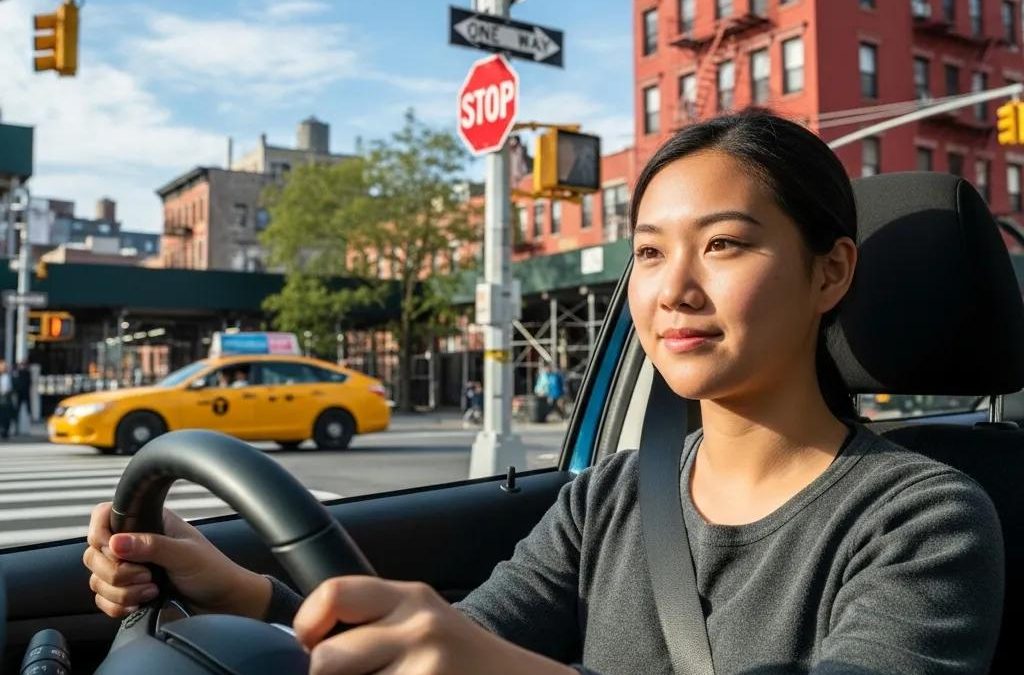
NY Road Test Practice: Key Tips to Pass Your Driving Test
Getting ready for the NY road test can feel overwhelming, but the right prep makes a big difference. Know the rules, practice the maneuvers examiners expect, and arrive on test day calm and ready — that’s the simple formula. This guide walks you through the requirements, smart practice habits, scheduling tips, what to expect at the test site, common locations, and extra resources you can use to boost your confidence and pass your test.
What Are the Key NY Road Test Requirements?
Before your test day, make sure you meet the basic eligibility and paperwork rules. Being prepared ahead of time prevents delays and keeps the focus on driving.
Which Documents Do You Need for the NY Road Test?
Bring these documents to the test center:
- Learner Permit: Your permit is required as proof you’re allowed to take the road test.
- Pre-Licensing Course Certificate: Show the certificate from your pre-licensing course on test day.
- Supervised Driving Certification: Proof that you completed the required supervised driving hours.
Pack these the night before and double-check them before you leave to avoid last-minute issues.
What Vehicle and Age Requirements Must You Meet for the NY Road Test?
In addition to paperwork, the DMV checks your age, driving hours, and the vehicle you’ll use:
- Minimum Age: You must be at least 16 years and 3 months old to take the road test.
- Vehicle Specifications: Use a safe, well-maintained vehicle with valid registration and insurance.
- Supervised Driving Hours: Complete at least 50 hours of supervised driving, including 15 hours at night.
Meeting these requirements keeps your appointment valid and reduces the chance of being turned away.
How Can You Effectively Prepare for the NY Road Test?
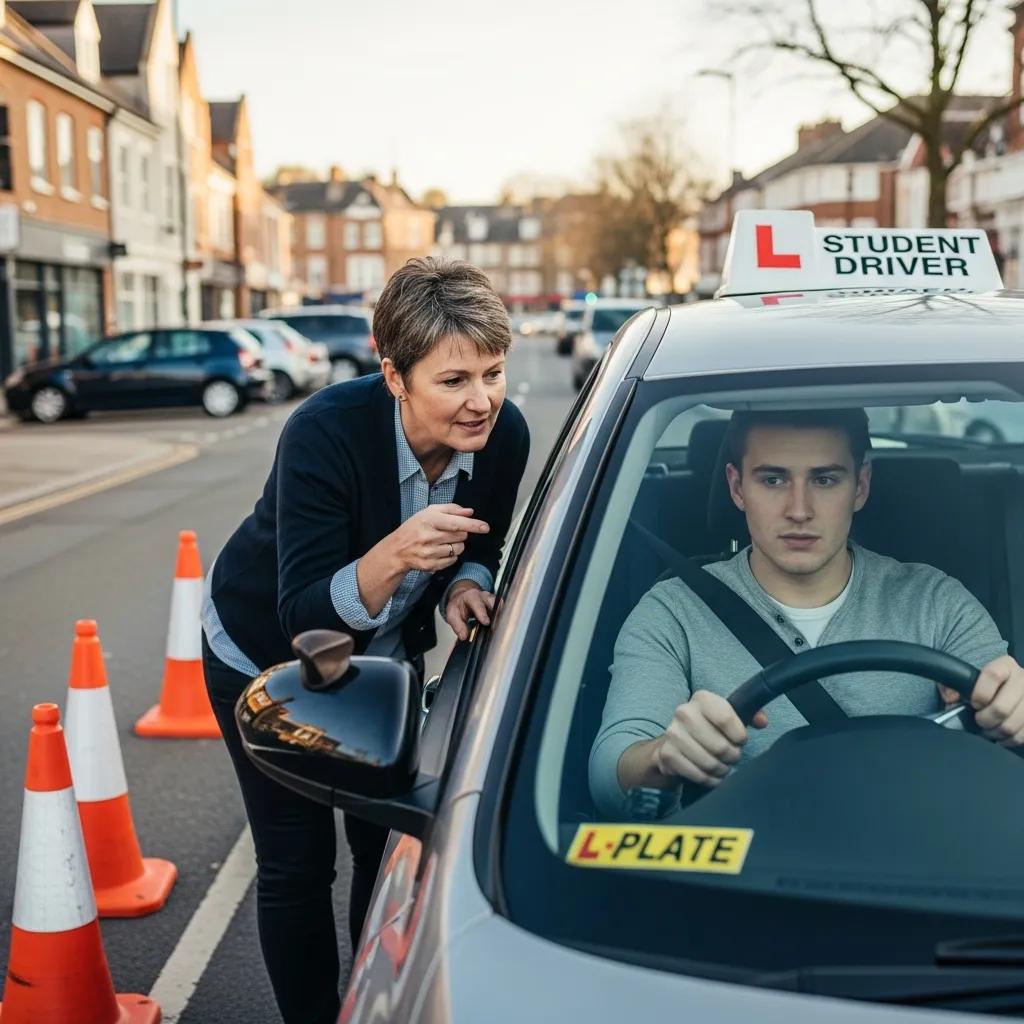
Good practice is structured and consistent. Focus on core skills, realistic driving scenarios, and feedback so you can correct mistakes before test day.
What Are the Best NY Road Test Tips to Pass on Your First Try?
- Practice with a Licensed Driver: Regular supervised practice builds habits and confidence faster than occasional sessions.
- Know the Test Routes: Drive the roads around your selected test site so you’re not surprised by typical traffic patterns or tricky intersections.
- Stay Calm and Focused: Use simple calming techniques — slow deep breaths, steady scanning, and a clear checklist — to keep nerves under control.
These practical steps help turn test-day nerves into steady performance.
How to Master Essential Maneuvers: Parallel Parking and 3-Point Turn in NY
Examiners look for safe, controlled maneuvers. Practice each step deliberately until it becomes second nature: how to pass a new york state road test.
- Parallel Parking: Signal and line up beside the car in front of the space.Reverse slowly, steering toward the curb until the car is angled in the space.Adjust forward and back as needed until you’re centered and within the lines.
- 3-Point Turn: Signal and check for traffic in all directions.Move forward while turning sharply, then reverse while steering the opposite way.Complete the maneuver smoothly and stop when properly positioned in the new direction.
Practice these in quiet areas first, then add traffic and time pressure so you’re ready for the real test.
How Do You Schedule Your NY Road Test Efficiently?
Smart scheduling saves time. Use the DMV site and plan around your practice so you show up ready, not rushed.
What Are the Options for Scheduling a NY Road Test Online?
Book your test through the DMV’s online portal with these steps:
- Create an Account: Sign up on the DMV website to access scheduling tools.
- Select Your Test Location: Pick the test site that’s most convenient and familiar to you.
- Choose a Date and Time: Select a slot that gives you a clear practice buffer before the appointment.
Scheduling online is the quickest way to see available dates and manage your appointment.
How Does Expedited Road Test Booking Reduce DMV Wait Times?
Expedited booking services can get you an earlier appointment and cut down waiting:
- Priority Scheduling: These services often find sooner openings than standard public slots.
- Reduced Wait Times: Many customers report shorter overall wait and faster completion.
- Convenience: Helpful if you need your license quickly for work or school.
If time is tight, expedited booking is worth considering.
What Should You Expect on NY Road Test Day?
Knowing the flow of test day keeps you calm. Expect document checks, a vehicle inspection, and a short oral or visual review before you start driving.
What Are Common Mistakes to Avoid During the NY Road Test?
Watch out for these frequent errors:
- Not Checking Mirrors: Always scan mirrors before lane changes, turns, and stops.
- Failing to Signal: Use clear, timely signals so other drivers know your intentions.
- Rushing Maneuvers: Move deliberately — speed without control often costs points.
Fix these habits during practice and you’ll reduce avoidable mistakes on test day.
How to Prepare Mentally and Logistically for Test Day in NY
Combine mental rehearsal with practical prep:
- Visualizing Success: Picture the route and each maneuver so your brain knows what to do under pressure.
- Planning Your Route: Map your travel to the site and leave plenty of time for traffic and parking.
- Getting a Good Night’s Sleep: Rested drivers react better and stay focused.
Good planning reduces stress and lets you concentrate on clean driving.
Where Are the NY Road Test Locations and How Do They Affect Your Practice?
Test site characteristics shape what you should practice most. Spend time on roads that match the test environment.
Which NY Test Sites Are Most Popular and What Are Their Specific Routes?
Common test sites and what to expect:
- Brooklyn: Busy streets and mixed residential areas — practice lane changes and handling traffic.
- Queens: A mix of urban and quieter roads — good for practicing transitions and intersections.
- Manhattan: Heavy traffic and tricky parking — focus on situational awareness and precise control.
Train on roads that mimic your chosen test site whenever possible.
How Can Local Test Site Knowledge Improve Your Road Test Performance?
Local knowledge gives you an edge:
- Understanding Traffic Patterns: Know rush hours and typical congestion spots near the test site.
- Practice on Similar Routes: Familiar routes make decision-making on test day faster and calmer.
- Advice from Local Drivers: Ask others who recently tested at the site for route tips and common examiner habits.
Small local insights often translate to better performance under test conditions.
How Can Additional Resources Enhance Your NY Road Test Practice?
Use extra materials to fill knowledge gaps and reinforce safe habits — they’re a fast way to level up your skills.
What Online Pre-Licensing Courses and Practice Quizzes Are Available in NY?
Useful online options include:
- Pre-Licensing Courses: Review rules, safe driving practices, and what examiners expect.
- Practice Quizzes: Test your knowledge of signs and rules so they’re automatic on the road.
- Video Tutorials: Watch step-by-step demos of maneuvers and real driving scenarios.
Combine courses, quizzes, and videos for well-rounded prep.
How Does Renting a Car for Your NY Road Test Simplify the Process?
Renting can remove vehicle-related worries:
- Convenience: A rental ensures you have a reliable car that meets DMV standards.
- Familiarity: Practice in the same car you’ll use for the test to build comfort.
- Avoiding Maintenance Issues: Rentals are usually well-maintained, reducing the risk of last-minute failures.
If you don’t have a dependable vehicle, renting is a practical fallback.
Frequently Asked Questions
How Can You Improve Your Driving Skills Before the Test?
Get regular, focused practice and ask for feedback. Professional lessons from a certified instructor can fix bad habits faster than casual driving. Practice in different conditions — traffic, night, and light rain — and do mock tests so the real exam feels familiar.
What Should You Do If You Experience Anxiety Before the Test?
Feeling anxious is normal. Try simple breathing exercises, arrive early to settle in, and run through a short mental checklist of key driving points. Talk to your instructor or a supportive friend if nerves spike. Often, focused preparation is the best way to calm anxiety.
Are There Specific Driving Maneuvers That Are More Likely to Be Tested?
Yes — examiners commonly test parallel parking, 3-point turns, and lane changes. You’ll also be evaluated on obeying signals, navigating intersections, and making safe stops. Prioritize these skills during practice so they become routine. Parallel parking is one of the most common skills tested.
What Should You Do If You Forget to Bring Required Documents?
If you’re missing documents, you may not be allowed to take the test. Prevent this by making a checklist and packing the night before. If you discover a missing item before you arrive, call the DMV to ask about options or rescheduling.
How Can You Get Feedback After the Road Test?
The examiner will usually give immediate feedback after your drive. If you pass, you’ll get next-step instructions. If you don’t pass, listen to the examiner’s notes about what went wrong and focus your practice on those areas before you retake the test.
What Are the Benefits of Taking a Driving Course Before the Test?
Driving courses offer structured lessons and expert feedback that speed improvement. They cover rules, safe driving techniques, and test expectations — and they can help you qualify for insurance savings. For many learners, a course provides the confidence and polish needed to pass.
About the Author
Sarah Chen
Sarah Chen is a certified driving instructor with over 15 years of experience helping new drivers navigate the complexities of the New York road test. She specializes in defensive driving techniques and has a deep understanding of DMV regulations and common test routes across the state. Sarah is passionate about fostering safe and confident drivers, and her insights have guided thousands to successfully earn their licenses.