
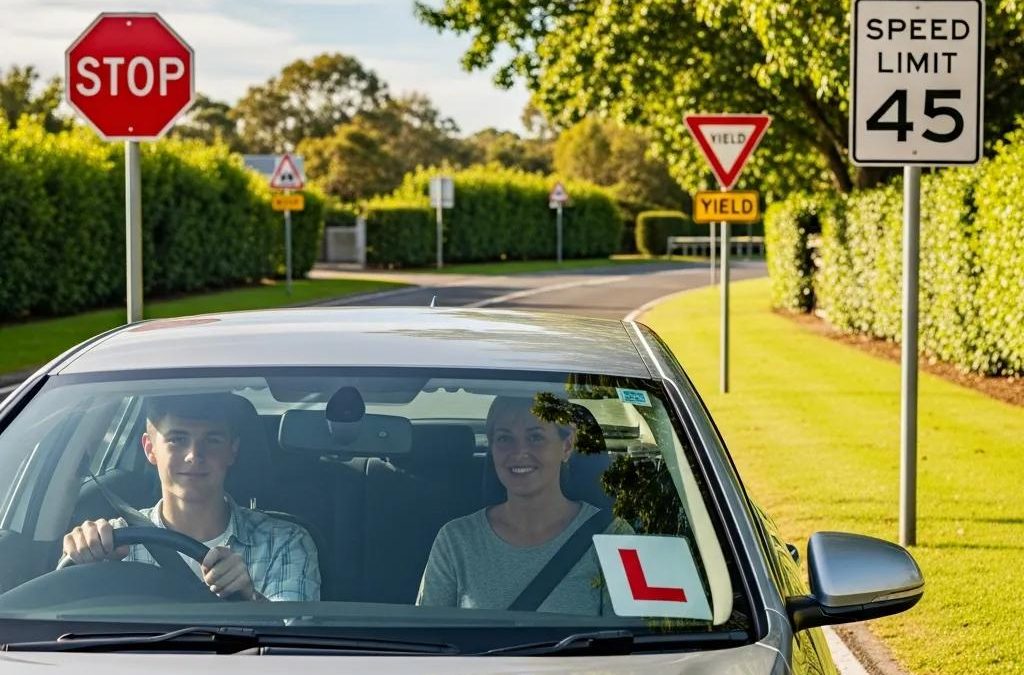
NY DMV Road Test Signs — What you need to know and how to schedule
The New York road test can feel overwhelming — especially when you’re trying to remember every sign and rule that matters on test day. This guide breaks down the road sign requirements and walks you through scheduling so you know exactly what to expect for your NY DMV road test . Many learners get anxious at the sheer number of signs and traffic rules, but a little targeted practice goes a long way. Below you’ll find the essential sign categories, practical study tips, scheduling options, official test locations, and clear tips to help you pass.
Key NY road test sign requirements
To do well on the NY road test you need to recognize and respond to three main types of signs for road tests: regulatory, warning, and guide signs. Regulatory signs—like stop and yield—tell you what the law expects of drivers. Warning signs point out hazards ahead. Guide signs give directions and distance information. Knowing which category a sign fits into helps you act quickly and correctly.
Learning these categories will not only help you score better on the test, it will also make you a safer driver every day.
Studies show that effective driving depends on more than spotting signs — you must quickly understand and act on them.
Driver Road Sign Recognition & Reading Time
A 1981 study looked at how drivers recognize different road sign types and how long they spend reading them, highlighting the gap between seeing a sign and fully understanding its instruction.
Road sign recognition and non-recognition, 1981
Which signs are checked on the NY permit and road tests?
The permit and road tests focus on common regulatory and warning signs you’ll see every day: stop, yield, speed limits, pedestrian crossings, and school zone warnings are all fair game. Examiners expect you to identify these signs and respond correctly whenever they appear on the route.
For example, a stop sign requires a full stop and yielding to cross traffic or pedestrians. A yield sign means slow down and give the right-of-way. Practicing these responses until they become automatic will help you during the test.
How road signs affect your road test score
Correctly observing and obeying signs is a core part of the examiner’s evaluation. Missing a sign, ignoring its instruction, or responding incorrectly can cost you points — and in some cases can cause immediate failure.
Not stopping at a stop sign or failing to yield when required are common mistakes that lead to major deductions. Regular practice spotting signs in real driving conditions will improve your reactions and your score on test day.
How to practice NY road signs for the permit and road tests

Practicing road signs regularly is one of the most effective ways to prepare for both the written permit test and the behind-the-wheel exam. Mix study methods so you see signs visually and use recall exercises to lock in meaning.
Good practice aligns with how drivers perceive and remember signs—through both recall and recognition exercises.
Road Sign Perception & Driver Recall Methods
A 2000 methodological review explains common research approaches to sign perception, showing how recall and recognition tests measure what drivers remember or notice while driving.
Assessing road sign perception: A methodological review, MH Martens, 2000
- Online Practice Tests : Free quizzes and mock tests simulate the real experience and help you identify weak spots.
- Flashcards : Use image-based flashcards—sign on one side, meaning on the other—to train quick recognition.
- Mobile Apps : Interactive apps turn study into short, focused sessions you can do anywhere.
Where to find NY road sign practice tests and quizzes
You’ll find practice tests on the NY DMV website as well as on many driving school and educational sites. These resources often include sign-focused quizzes and practice questions that mimic the permit exam and reinforce what you’ll need for the road test.
Most common NY road signs to focus on
Concentrate on the signs you’ll see most often during the test:
- Stop Sign : Come to a complete stop, check both ways, then proceed when safe.
- Yield Sign : Slow and give the right-of-way to other vehicles and pedestrians.
- Speed Limit Sign : Drive at or below the posted maximum speed for that road.
Mastering these will handle a large portion of the sign-related questions on your tests.
NY DMV road test scheduling options and requirements
Scheduling your NY DMV road test means understanding the available appointment types and what the DMV officially provides. The DMV offers standard scheduling through its systems; it does not officially sell “rush” or “super rush” slots for extra fees.
How to schedule your NY road test: regular vs. expedited
When you book a road test you generally choose between standard appointment availability and any limited earlier openings the DMV posts. Keep these points in mind:
- Regular Scheduling : Wait times vary by location and demand — from a few weeks up to several months. The road test fee is $10.00.
- Expedited Scheduling : The NY DMV does not officially offer paid rush options. Claims of $90 or $150 fees for guaranteed expedited appointments are not supported by official DMV information.
If you need an earlier date, check the DMV site often for cancellations or contact local offices — but beware of third-party services that promise guaranteed early dates for extra fees.
Documents and certificates required to schedule
To schedule and take your road test you’ll need key documents ready: eligible for ny road test
- A valid learner’s permit
- Proof of identity and residency (usually submitted when you applied for the permit)
- A completed pre-licensing course certificate (MV-278)
Having these on hand before you book avoids delays and helps the appointment go smoothly.
Official New York driving test locations and routes
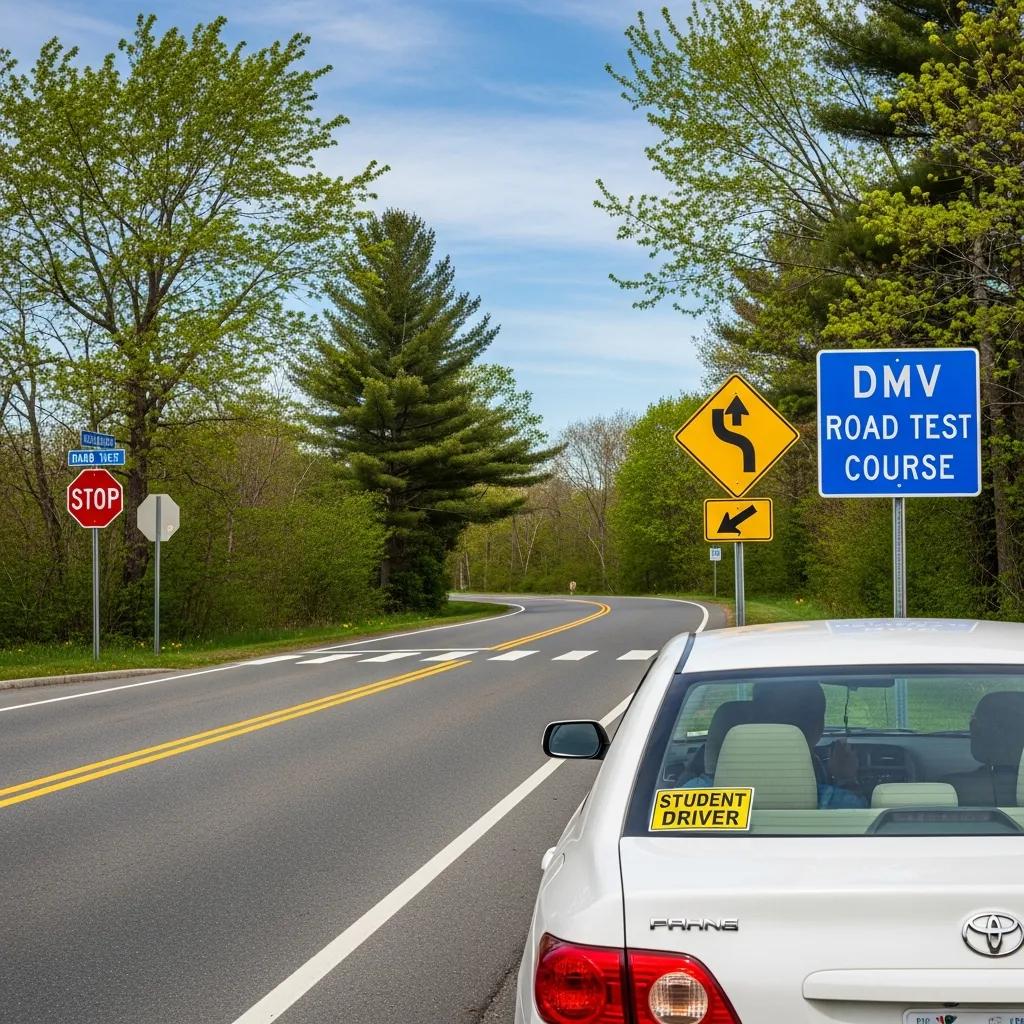
The NY DMV maintains designated test locations around the state. Each site uses planned routes that may include residential streets, busier commercial roads, and different sign situations to evaluate your driving skills.
How to find and choose your test site
Use the NY DMV website or call your local office to find nearby road test sites. When picking a site consider travel time, local traffic patterns, and whether you want a quieter route or one that’s busier and more challenging.
Typical test routes and sign-related challenges
Routes usually mix residential and commercial areas so examiners can see how you handle different conditions. Expect to encounter stop signs, yield points, pedestrian crossings, and speed-controlled streets. Driving familiar routes near your chosen site before test day can boost your confidence.
How to pass your NY road test: maneuvers and sign mastery
Passing the road test depends on solid vehicle control and consistent, correct responses to signs and signals. Practice both the maneuvers and the decision-making tied to road signs so those actions feel automatic.
Driving maneuvers evaluated with sign knowledge
During the test examiners will watch for clean execution of common maneuvers, including:
- Parallel Parking : Park safely and accurately without hitting the curb or other vehicles.
- Three-Point Turn : Complete the turn smoothly without obstructing traffic.
- Lane Changes : Signal properly, check mirrors and blind spots, and obey signs and markings.
Pairing good technique with correct sign responses gives you the best chance to pass.
Common sign-related mistakes to avoid
Avoid these frequent errors on test day:
- Ignoring Stop Signs : Not coming to a full stop is a serious fault and can cause immediate failure.
- Misreading Yield Signs : Failing to yield creates dangerous situations and test deductions.
- Speeding : Exceeding posted limits is a major safety issue and will hurt your score.
Being aware of these pitfalls helps you focus your practice where it matters most.
Vehicle and pre-licensing requirements related to signs
Meeting the vehicle and course requirements ensures you’re prepared and eligible to take the road test. These items also reinforce the sign knowledge you’ll need behind the wheel.
How the MV-278 pre-licensing course helps with sign knowledge
The MV-278 pre-licensing course covers traffic laws, safe driving habits, and sign recognition. Completing it gives you the required certificate and practical knowledge that applies directly to both the permit and road tests.
Vehicle conditions required for the road test
Before your test, confirm the vehicle meets these basic requirements:
- Properly functioning lights and signals
- Valid registration and proof of insurance
- No major mechanical issues that affect safety
- A working horn
- Properly inflated tires
- Clean windshield and mirrors for good visibility
Ensuring the vehicle is roadworthy keeps the focus on your driving, not avoidable mechanical problems.
Frequently Asked Questions
What should I do if I fail my NY road test?
If you don’t pass, don’t be discouraged — many drivers don’t on their first try. You can retake the test after the required waiting period (often at least one day). Review the examiner’s feedback, practice the weak areas, and consider a few lessons or extra supervised driving before you reschedule.
How can I reduce anxiety before my road test?
Reduce nerves by practicing in different traffic conditions, reviewing common routes, and doing a final run-through of maneuvers with a licensed driver or instructor. Use simple relaxation techniques—deep breaths, a short walk, or visualization—and arrive early so you can settle in before the test.
Are there any age restrictions for taking the NY road test?
New York doesn’t impose a blanket age limit for the road test, but if you’re under 18 you must hold a learner’s permit for at least six months and complete the MV-278 pre-licensing course before scheduling. If you’re 18 or older, you can take the test once you meet the other requirements.
What happens if I miss my scheduled road test appointment?
If you miss your appointment you’ll need to reschedule through the DMV website or by phone. Depending on the circumstances you may face restrictions or fees, so contact the DMV as soon as possible if you know you’ll miss your slot. Planning travel time and setting reminders helps prevent no-shows.
Can I use my own vehicle for the road test?
Yes — you can use your own vehicle if it meets the DMV’s safety and documentation requirements (working lights, signals, brakes, registration, and insurance). Make sure the vehicle is clean and free of obstructions that could affect the examiner’s view. If you don’t have a suitable car, consider renting one or using a driving school vehicle.
What should I bring on the day of my road test?
On test day bring your valid learner’s permit, the completed MV-278 pre-licensing certificate, and proof of identity and residency. Also have the vehicle’s registration and insurance available, any required fees, and arrive ready to demonstrate safe, confident driving.
About the Author: Sarah Jenkins
Sarah Jenkins is a certified driving instructor with over 15 years of experience helping new drivers navigate the complexities of the New York DMV road test. Her expertise spans traffic laws, defensive driving techniques, and a deep understanding of the specific requirements and challenges faced by learners in New York State. Sarah is passionate about road safety and empowering students with the knowledge and confidence needed to pass their tests and become responsible drivers.