Are you a new driver in the bustling streets of New York City, gearing up for your road test? Congratulations on making it this far getting your learner’s permit is no small feat! But now comes the real challenge: acing that NYC road test and earning your driver’s license. With heavy traffic, tight parking spots, and unpredictable pedestrians, preparing for the test can feel overwhelming. That’s where this ultimate guide comes in.
At Road Tests NY, we’re dedicated to helping aspiring drivers like you navigate the process with ease. We specialize in fast road test scheduling for Class D, DJ, CDL, and motorcycle licenses, cutting down those frustrating wait times so you can get behind the wheel sooner. In this comprehensive guide, we’ll cover everything from the best time to book your NYC road test to insider preparation tips, common pitfalls to avoid, and what to expect on test day. Let’s rev up and get you licensed!
Why the NYC Road Test Feels So Intimidating (And How to Overcome It)
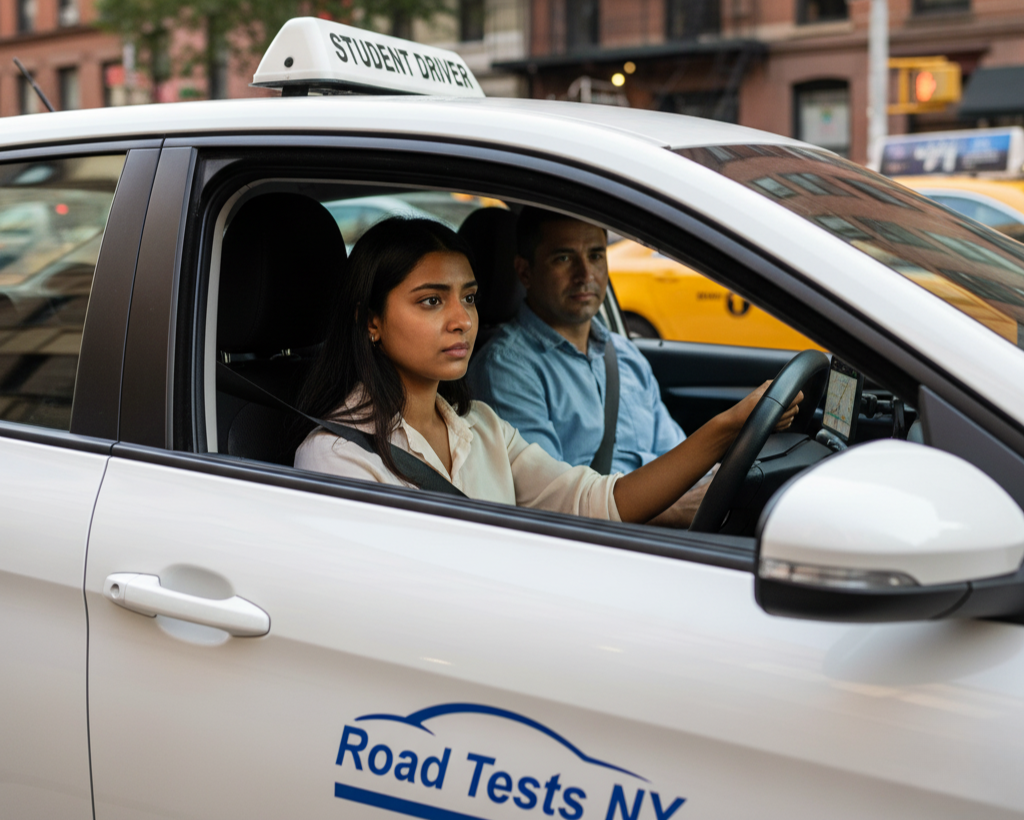
New York’s road test is notoriously tough, but it’s designed to be fair, and with structured practice, you’ll be ready to cruise. The test evaluates your ability to handle real-world driving in a high-stakes urban environment, from parallel parking in cramped spots to merging into chaotic traffic.
The key? Start early, practice smart, and book strategically. Speaking of which…
The Best Time to Book Your NYC Road Test: Timing Is Everything
Booking your road test at the right moment can mean the difference between a short wait and a long delay. The New York DMV’s scheduling system prioritizes the earliest available slots near your ZIP code, but demand spikes during peak seasons.
Seasonal Sweet Spots
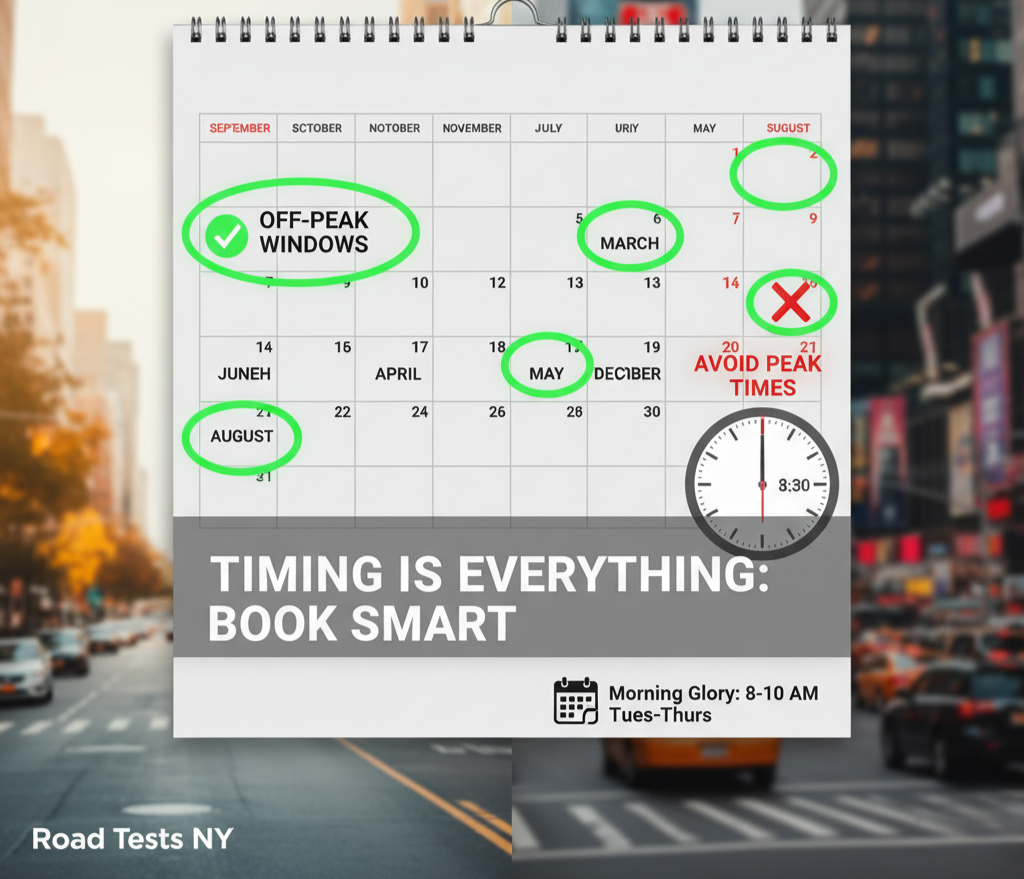
- Avoid Peak Times: Summer (June–August) and school breaks (December and spring) see the longest waits due to teen drivers flooding the system. High school grads and vacationers mean more competition for slots.
- Book in Off-Peak Windows: Aim for late fall (September–November) or early spring (March–May). August is surprisingly good too, as many students are away at camps or on vacation. These periods often have shorter wait times.
- Pro Tip: Schedule as soon as you complete your pre-licensing course don’t wait! Booking several weeks out helps snag your preferred slot.
Day-of-the-Week and Time Hacks
- Weekdays Over Weekends: Slots fill faster on Saturdays, so prioritize Monday–Friday.
- Morning Glory: Early morning tests (8–10 AM) mean lighter traffic and more alert examiners. Avoid late afternoons (after 3 PM), when rush hour looms and fatigue sets in.
- Expedited Options: If waits are long, driving schools like ours at Road Tests NY can access priority appointments, often within a week. Head to www.roadtestsny.com to book fast and stress-free.
| Factor | Best Choice | Why It Works |
| Season | Fall/Spring | Shorter waits, milder weather |
| Day | Tuesday–Thursday | Fewer crowds than Mondays/Fridays |
| Time | 8–10 AM | Less traffic, fresher mindset |
| Advance Booking | 3–5 weeks out | Secures prime slots before they vanish |
Step-by-Step: Meeting the Requirements Before Your Test
Before you schedule, ensure you’ve ticked off these NY DMV must-haves. Skipping any could void your appointment.
- Get Your Learner Permit: Pass the written test at a DMV office (age 16+). Study the NY Driver’s Manual it’s your bible.
- Complete the 5-Hour Pre-Licensing Course: Mandatory for all under 18 (and recommended for adults). Get your MV-278 certificate. Online options are available.
- Log Supervised Driving Hours: If under 18, complete 50 hours (15 at night) with a parent/guardian via MV-262 form.
- Choose a Vehicle: It must be registered, insured, inspected, and in good condition—no major defects. Bring proof (registration, insurance card).
- Find a Location: Use the DMV’s road test locator. NYC hotspots include Brooklyn (pure), Queens (Flushing), and Staten Island (Mariners Harbor—often called “easiest” for beginners).
Pro Tip: If you’re over 18, there’s no minimum wait after your permit just ensure you’re practiced!
Preparation Tips: Build Skills That Stick
Preparation isn’t about cramming; it’s about muscle memory. Aim for 15–20 hours of supervised practice, focusing on NYC-specific challenges.
Master the Core Maneuvers
- Parallel Parking: Line up your mirrors 2 feet from the car ahead, turn the wheel fully right, and back at a 45-degree angle until your door handle aligns with the curb. Practice in empty lots hitting the curb is a fail!
- Three-Point Turn (K-Turn): Signal, check mirrors/shoulders, and pivot smoothly without stalling.
- Lane Changes and Turns: Always signal 3 seconds early, check blind spots over your shoulder not just mirrors.
Daily Driving Drills
- Mirror Checks: Scan every 5–8 seconds. Examiners notice if you skip this.
- Speed Control: Stay within 5 mph of the limit too slow is as bad as speeding.
- Intersections: Full stops at signs/lights no rolling! Yield to pedestrians always.
- Nerves? Breathe: Practice mock tests with a friend. Stay polite and calm examiners notice attitude.
Enroll in lessons if possible; even experienced drivers benefit from a pro’s eye. And scout your test route: Drive the area around your site to demystify it.
Common Mistakes That Derail NYC Road Tests (And How to Dodge Them)
The test scores on a point system: Up to 30 points deducted? You pass. Over 30? Fail. But some errors are instant disqualifiers. Here’s the hit list:
| Mistake | Points Off | Auto-Fail? | Fix It |
| Not Yielding/Unsafe Speed | 15–30 | Yes (if dangerous) | Anticipate hazards; match flow without rushing. |
| Improper Lane Change | 10 | No | Signal + shoulder check every time—no intersection swaps! |
| Failure to Signal | 5–10 | No | Use it for turns, merges, and parking. |
| Hitting the Curb (Parking) | 10–15 | Yes | Adjust slowly; straighten wheels before backing. |
| Rolling Stop | 10 | No | Full stop behind the line—count “one-Mississippi.” |
| Blind Spot Neglect | 5–10 | No | Turn your head; mirrors aren’t enough. |
| Speeding/Too Slow | 10 | Yes (extreme) | Hover at limit; NYC traffic forgives minor variances. |
Top Culprits: Most fails stem from observation errors (mirrors/blind spots) or parking fumbles. Practice these religiously, and you’ll stay under 30 points.
Test Day: What to Expect and How to Shine
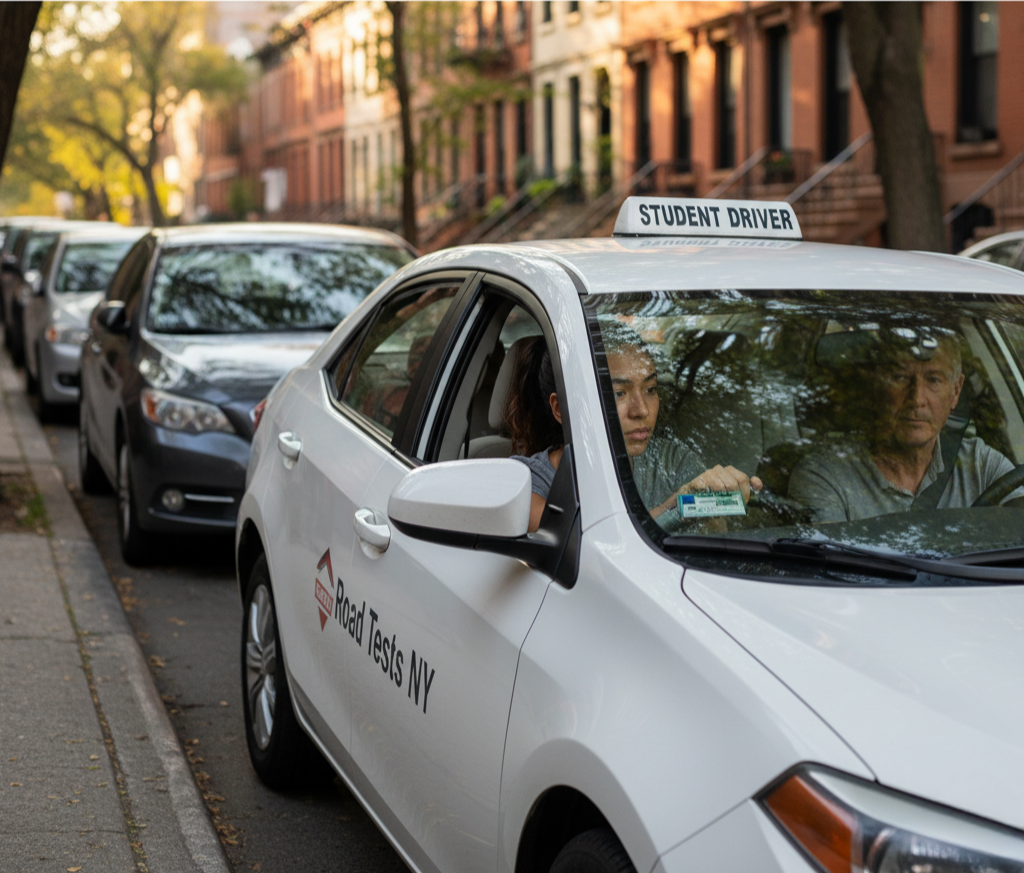
Arrive 30 minutes early with:
- Permit, pre-licensing certificate, MV-262 (if under 18).
- Vehicle docs + licensed adult companion (21+).
- No weapons allowed on site!
The test lasts 10–15 minutes: Expect a mix of residential streets, intersections, and highways. Buckle up (examiner too!), adjust mirrors/seat, and follow directions clearly ask for repeats if needed. Stay smooth: No hard brakes, keep hands at 9-and-3.
After? Check results online after 6 PM via the DMV’s results portal. Passed? Head to DMV for your license. Failed? Retake after 2 weeks (first two are free; $10/pair after).
FAQs About Booking and Preparing for the NY Road Test
Q: How far in advance should I book my NY road test?
A: As early as possible ideally several weeks before your preferred date.
Q: What happens if I fail the road test?
A: You can retake the test after 7 days. Use that time to focus on the areas where you struggled.
Q: Can I take my road test in bad weather?
A: Yes, unless conditions are unsafe. However, booking in spring, summer, or fall helps avoid snow and ice.
Q: Is it better to take the test in the morning or afternoon?
A: Morning tests are generally best traffic is lighter and examiners tend to be more consistent.
Q: Does Road Tests NYC provide a car for the road test?
A: Yes, we offer test-ready vehicles for students who don’t have access to a car.
What Happens Next? Your Path to Confident Driving
Passing unlocks independence congrats! But true readiness comes from ongoing practice. Join a defensive driving course for insurance perks, and always prioritize safety.
At Road Tests NY, we’re more than a scheduling service; we’re your partner in the fast lane. Struggling with waits or need expedited booking? Visit roadtestsny.com today to secure your spot and tips tailored to you. You’ve got the skills now get the license. Safe travels, future NYC driver!