
Tire Safety and Maintenance Tips
Introduction
Tires are one of the most critical components of your vehicle, directly affecting your safety, fuel efficiency, and overall driving experience. Proper tire maintenance is not just about extending the life of your tires, but it also plays a crucial role in ensuring that yourvehicle handles well on the road, especially in various weather conditions. In this guide, we’ll explore essential tips for tire safety and maintenance, helping you keep your tires in top shape and ensuring a safer driving experience.
Key Takeaways
Routine Inspections: Regularly check tire pressure, tread depth, and overall tire condition.
Professional Assistance: Seek expert help for complex issues and regular tire maintenance.
Technology Use: Utilize TPMS and maintenance apps to stay on top of tire care.
Safety First: Prioritize safety by maintaining your tires to avoid accidents and ensure a smooth driving experience.
Tire Safety and Maintenance Tips
Tire Safety and Maintenance Tips
Importance of Tire Safety and Maintenance
Maintaining your tires is crucial for several reasons, each directly impacting your safety and vehicle performance:
Safety First: Properly maintained tires ensure better traction, handling, and stability, which are essential for safe driving. Worn-out or improperly inflated tires can lead to reduced grip on the road, increasing the risk of skidding or accidents, especially in adverse weather conditions.
Improved Fuel Efficiency: Well-maintained tires contribute to better fuel efficiency. Under-inflated tires create more rolling resistance, causing your engine to work harder and use more fuel. By keeping your tires properly inflated and in good condition, you can enhance your vehicle’s fuel economy.
Extended Tire Life: Regular tire maintenance, such as checking for proper inflation and alignment, can significantly extend the life of your tires. This not only saves you money on premature replacements but also ensures that you get the most value out of your investment.
Enhanced Driving Comfort: Tires that are in good condition contribute to a smoother and more comfortable ride. Properly inflated and balanced tires reduce vibrations and road noise, making your driving experience more pleasant.
Optimal Performance: Tires are designed to perform best when they are well-maintained. Proper alignment, balanced tires, and correct inflation pressures ensure that your vehicle handles as intended, providing better control and responsiveness.
Preventative Measures: Regular tire checks can help you identify and address potential issues before they become serious problems. Early detection of issues such as tread wear, uneven wear patterns, or punctures can prevent costly repairs and ensure that you remain safe on the road.
Tire Safety and Maintenance Tips
Tire Safety and Maintenance Tips
By prioritizing tire safety and maintenance, you not only protect yourself and your passengers but also contribute to the overall efficiency and performance of your vehicle.
Understanding Tire Components
Understanding the key components of your tires is essential for effective maintenance and ensuring your vehicle’s safety. Here’s a breakdown of the main tire components and their functions:
Tire Safety and Maintenance Tips

Tire Safety and Maintenance Tips
Tread Depth and Patterns
Tread Depth: The depth of the tire’s tread is crucial for maintaining traction and grip on the road. Most tires have tread wear indicators (small bars) that become visible when the tread wears down to 2/32 of an inch, signaling that the tire needs replacement. Adequate tread depth helps prevent hydroplaning and enhances your vehicle’s ability to stop and corner safely.
Tread Patterns: Different tread patterns are designed for various driving conditions. For example:
Symmetrical Patterns: Provide even wear and good performance on dry and wet surfaces.
Asymmetrical Patterns: Offer improved performance in wet conditions and better handling.
Directional Patterns: Designed to channel water away from the tire, enhancing grip in rainy conditions. These patterns require specific rotation patterns to maintain effectiveness.
Sidewalls and Tire Pressure
Sidewalls: The sidewalls of a tire provide structural integrity and support for the vehicle’s weight. They are marked with important information, including tire size, load index, and speed rating. Inspect sidewalls regularly for any signs of damage such as bulges, cracks, or punctures, as these can affect tire performance and safety.
Tire Pressure: Maintaining the correct tire pressure is vital for safety, fuel efficiency, and tire longevity. Under-inflated tires can cause excessive wear, poor handling, and increased fuel consumption. Over-inflated tires can lead to a harsh ride and reduced traction. Check tire pressure regularly, using a reliable gauge, and adjust as needed according to the manufacturer’s specifications.
Tire Valves and Caps
Tire Valves: The valve is a small, crucial component that allows you to inflate and deflate your tires. It’s important to ensure that the valve is in good condition and not leaking. A damaged or faulty valve can lead to slow air leaks or sudden loss of pressure.
Tire Caps: Valve caps protect the valve from dirt, moisture, and other contaminants. While they may seem minor, valve caps are essential for maintaining tire pressure and preventing valve damage. Always replace missing or damaged valve caps to keep your tires in optimal condition.
By understanding these tire components and their functions, you can better manage your tire maintenance and ensure your vehicle’s safety and performance on the road.
Regular Tire Maintenance Tips
Proper tire maintenance is key to ensuring your vehicle’s safety, performance, and longevity. Here are essential tips for maintaining your tires:
Tire Safety and Maintenance Tips
Tire Safety and Maintenance Tips
Checking Tire Pressure
Frequency: Check your tire pressure at least once a month and before long trips. Tire pressure should be checked when the tires are cold, as driving heats up the tires and can give a false reading.
Tool: Use a reliable tire pressure gauge to measure the pressure. Many gas stations also have air pumps with built-in gauges.
Adjustment: Inflate your tires to the manufacturer’s recommended pressure, which can be found in your vehicle’s owner’s manual or on a sticker inside the driver’s door frame. Properly inflated tires ensure better fuel efficiency, handling, and safety.
Measuring Tread Depth
Method: Use a tread depth gauge to measure the depth of the tire tread. Alternatively, you can use a penny or a quarter—place the coin in the tread grooves; if you can see the top of Lincoln’s head or Washington’s head, it’s time for new tires.
When to Replace: The minimum recommended tread depth is 2/32 of an inch. Replace your tires before they reach this depth to maintain optimal traction and safety, especially in wet conditions.
Rotating Tires Regularly
Purpose: Tire rotation helps ensure even wear across all tires, which extends their lifespan and improves vehicle handling. Uneven wear can affect your vehicle’s alignment and overall performance.
Frequency: Rotate your tires every 5,000 to 8,000 miles, or as recommended by your vehicle’s manufacturer. Check your owner’s manual for specific rotation patterns and intervals.
Balancing and Aligning Tires
Balancing: Tire balancing ensures that the weight of the tire and wheel is evenly distributed around the axle. Unbalanced tires can cause vibrations, uneven wear, and steering issues. Have your tires balanced when you notice these symptoms or after installing new tires.
Alignment: Proper alignment ensures that your tires make correct contact with the road, improving vehicle handling and reducing uneven tire wear. Misalignment can occur from hitting potholes or curbs. Check your alignment if you notice your steering wheel pulling to one side or uneven tire wear.
By following these regular maintenance tips, you’ll ensure your tires perform well, last longer, and keep you safe on the road.
Signs Your Tires Need Attention
Regularly checking your tires for these warning signs can help prevent unsafe driving conditions and extend the life of your tires:
Tire Safety and Maintenance Tips
Tire Safety and Maintenance Tips
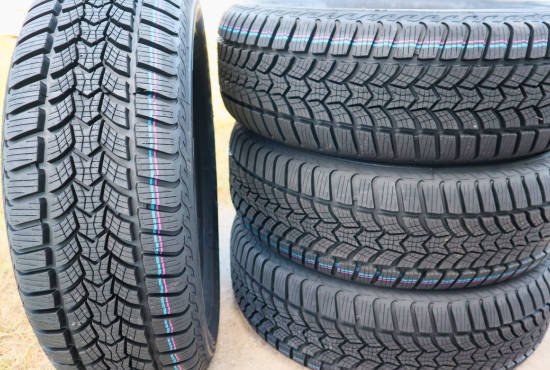
Uneven Tread Wear
Symptoms: If the tread on your tires wears unevenly, such as more on one side than the other or in patches, it can indicate alignment issues, improper inflation, or suspension problems.
Check: Inspect the tread across the entire surface of each tire. Use a tread depth gauge or the penny test to determine if the wear is uneven and needs addressing.
Cracks or Bulges on the Sidewalls
Symptoms: Visible cracks or bulges on the sidewalls of your tires can be signs of severe damage, which might lead to tire blowouts.
Check: Regularly inspect the sidewalls of your tires for any signs of cracks, bulges, or other irregularities. These issues can result from impacts, age, or manufacturing defects.
Vibration or Shaking While Driving
Symptoms: If you feel excessive vibration or shaking through the steering wheel or the seat while driving, it may indicate issues with your tires or alignment.
Check: Pay attention to when the vibrations occur. If they are consistent at certain speeds or during specific driving conditions, it may signal an imbalance or misalignment.
Tire Pressure Loss
Symptoms: Frequent loss of tire pressure, requiring regular inflation, can be due to punctures, leaks, or aging tires.
Check: Monitor your tire pressure regularly using a gauge. If you consistently need to inflate your tires, have them inspected for leaks, punctures, or other issues.
Addressing these signs promptly can help ensure your tires remain in good condition, improving safety, performance, and driving comfort.
Seasonal Tire Maintenance
Proper tire care varies with the seasons to ensure optimal performance and safety. Here’s how to prepare and maintain your tires throughout the year:
Tire Safety and Maintenance Tips

Tire Safety and Maintenance Tips
Preparing Tires for Winter
Check Tire Pressure: Cold temperatures can cause tire pressure to drop. Regularly check and adjust the pressure according to the manufacturer’s recommendations.
Inspect for Damage: Ensure that your winter tires are free of damage, and check the tread depth. Winter tires should have at least 6/32 inches of tread for effective traction.
Install Winter Tires: If you live in an area with heavy snow and ice, consider switching to winter tires, which are designed to provide better grip in cold conditions.
Remove Ice and Snow: Regularly clean tires to remove ice and snow build-up that can affect performance.
Summer Tire Care Tips
Monitor Tread Depth: Ensure your tires have adequate tread depth to handle wet conditions and avoid hydroplaning. Summer tires should have at least 4/32 inches of tread.
Check for Overheating: Hot weather can increase the risk of tire blowouts. Regularly inspect your tires for signs of overheating or damage.
Regular Pressure Checks: Keep tires properly inflated to avoid excessive heat build-up and ensure optimal performance.
Ensure Proper Alignment: Summer driving conditions can highlight alignment issues. Regularly check and correct alignment to avoid uneven wear.
All-Season vs. Seasonal Tires
All-Season Tires: Designed to perform reasonably well in a variety of conditions, including light winter weather. Ideal for regions with mild winters and moderate weather changes.
Advantages: Versatile, cost-effective, and convenient as they don’t require seasonal changes.
Disadvantages: May not perform as well in extreme winter conditions compared to dedicated winter tires.
Seasonal Tires: Includes winter tires and summer tires, designed specifically for optimal performance in their respective seasons.
Winter Tires: Provide better traction in snow, ice, and cold temperatures.
Summer Tires: Offer superior performance and handling in warm, dry conditions but may not handle winter weather effectively.
Choosing the right type of tire for your driving conditions and maintaining them appropriately throughout the year is crucial for ensuring your vehicle’s safety and performance.
The Role of Spare Tires
A spare tire is a crucial component of your vehicle’s emergency kit, designed to provide temporary mobility if one of your main tires becomes unusable. Here’s how to ensure your spare tire is ready for use and understand its proper handling:
Tire Safety and Maintenance Tips

Tire Safety and Maintenance Tips
Inspecting and Maintaining Your Spare Tire
Regular Checks: Periodically inspect your spare tire to ensure it is in good condition. Look for signs of wear, damage, or age-related deterioration.
Check Tire Pressure: Spare tires, whether full-size or compact (temporary) spares, should be properly inflated. Check the tire pressure monthly and keep it at the recommended level specified by your vehicle’s manufacturer.
Tread Condition: Ensure the tread on your spare tire is not excessively worn. Even if it’s never used, the rubber can degrade over time.
Visual Inspection: Examine the spare tire for cracks, bulges, or other visible damage that could affect its performance.
How to Properly Store a Spare Tire
Correct Placement: Store your spare tire in a location where it is easily accessible. Ensure it is secured properly to prevent movement that might cause damage.
Avoid Extreme Conditions: Store the tire in a cool, dry place away from direct sunlight and extreme temperatures. Exposure to heat and sunlight can deteriorate the tire’s rubber over time.
Check Storage Area: Make sure that the area where the spare is stored (e.g., under the vehicle, in the trunk) is clean and free from debris or sharp objects that could puncture the tire.
When to Use a Spare Tire
Emergency Use: Use the spare tire only in emergencies where a standard tire change is necessary. It is designed for temporary use to get you to a safe location or repair shop.
Follow Manufacturer’s Recommendations: Consult your vehicle’s owner manual for specific instructions on using and replacing your spare tire. For temporary spares (also known as “donut” tires), adhere to the speed and distance limits provided.
Repair or Replace: After using the spare tire, have your original tire repaired or replaced as soon as possible. Spare tires are not intended for long-term use, and driving on them for extended periods can compromise safety.
Maintaining your spare tire in good condition and understanding when and how to use it ensures that you are prepared for unexpected tire failures, enhancing your vehicle’s overall safety and reliability.
Common Tire Problems and Solutions
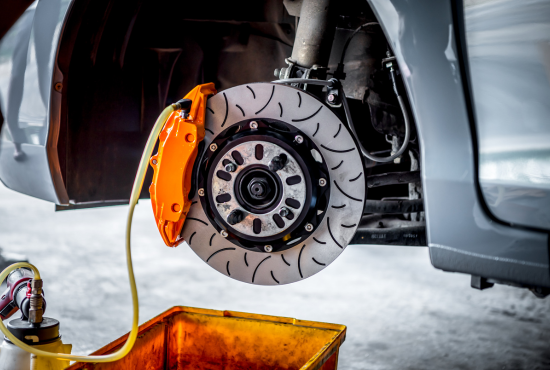
Tire problems can affect your vehicle’s safety and performance. Here’s how to identify and address common issues:
Tire Safety and Maintenance Tips
Tire Safety and Maintenance Tips
Dealing with Punctures and Flats
Temporary Fixes: For small punctures in the tread, you can use a tire repair kit to temporarily seal the hole. These kits usually include a plug or sealant that can help you get to a repair shop. Make sure to follow the instructions provided with the kit.
Professional Repair: Have punctured tires professionally repaired or replaced. Most repair shops can patch the tire from the inside if the damage is in the tread area and not too extensive.
Replacement: If the puncture is in the sidewall or if the tire has extensive damage, it’s safer to replace it rather than attempt a repair.
Fixing Slow Leaks
Locate the Leak: To find the source of a slow leak, you can use soapy water to check for bubbles forming around the tire. This will help you identify where the air is escaping.
Tire Sealant: For a quick fix, tire sealants can temporarily seal small leaks. However, this is not a permanent solution, and the tire should be inspected and repaired by a professional.
Check and Tighten Valve Stems: Sometimes slow leaks are due to loose or damaged valve stems. Check and tighten the valve stem, and if necessary, replace it.
Addressing Tire Balancing Issues
Symptoms of Imbalance: If you notice a vibration or shaking in the steering wheel or throughout the vehicle, it might indicate that your tires are out of balance.
Balancing Services: Take your vehicle to a tire shop to have the tires balanced. This process involves adding weights to the rim to ensure an even distribution of weight.
Regular Maintenance: Ensure that tires are balanced as part of your regular maintenance routine, especially if you’ve had new tires installed or if you’re experiencing uneven wear or vibrations.
Regularly inspecting and addressing these common tire issues can help maintain your vehicle’s safety, performance, and overall driving comfort.
When to Replace Your Tires
Replacing your tires at the right time is crucial for maintaining safety and performance. Here’s how to determine when it’s time for a new set of tires:
Tire Safety and Maintenance Tips

Tire Safety and Maintenance Tips
Determining the Right Time for Replacement
Tread Depth: Use a tread depth gauge to measure the depth of your tire treads. The standard recommendation is to replace tires when tread depth reaches 2/32 of an inch (1.6 mm). You can also use the penny test—insert a penny into the tread with Lincoln’s head down; if you can see the top of his head, the tread is too shallow.
Tire Wear Indicators: Most modern tires have built-in wear indicators—small bars of rubber that become flush with the tread when it’s time to replace the tire. When these indicators are visible, it’s time for a change.
Cracks and Bulges: Inspect the sidewalls of your tires for any visible cracks, bulges, or deformities. These can indicate internal damage and are a sign that the tire should be replaced immediately.
Uneven Wear: Check for uneven tread wear patterns. If the tread is significantly worn on one side or if there are bald spots, it could be a sign of alignment issues or suspension problems, and the tires may need to be replaced.
Age of the Tire: Even if tires appear to have adequate tread, they should be replaced every 6 to 10 years, as rubber degrades over time. Check the tire’s manufacture date, which is usually found on the sidewall as a four-digit code (e.g., 2018 indicates the 20th week of 2018).
How to Choose the Right Tires for Your Vehicle
Consult Your Vehicle’s Manual: Your vehicle’s owner’s manual provides specific recommendations for tire size, type, and specifications. Ensure you choose tires that match these recommendations.
Consider Driving Conditions: Choose tires based on your driving environment. For example, if you frequently drive in snow or rain, consider all-season or winter tires with good traction and handling in those conditions.
Tire Types: Decide between different types of tires, such as all-season, winter, or performance tires, depending on your driving needs and local weather conditions.
Brand and Quality: Opt for reputable tire brands known for their quality and reliability. Higher-quality tires often provide better performance and durability.
Check for Warranties: Many tires come with warranties that cover defects and provide guarantees on mileage. Consider tires with good warranty coverage for added peace of mind.
Replacing tires at the right time and choosing the appropriate ones for your vehicle and driving conditions ensures your safety and maintains optimal driving performance.
DIY Tire Maintenance vs. Professional Service
Tire Safety and Maintenance Tips

Tire Safety and Maintenance Tips
Pros and Cons of DIY Tire Care
Pros:
Cost Savings: Performing basic tire maintenance yourself, such as checking pressure and rotating tires, can save money on service fees.
Convenience: You can do DIY tire checks and maintenance at your own convenience without scheduling an appointment.
Immediate Attention: You can address minor issues like low tire pressure or minor tread wear right away.
Cons:
Lack of Expertise: Without professional training, you might miss underlying issues or make errors in maintenance, potentially affecting safety.
Limited Tools: DIY maintenance often requires specific tools and equipment, which can be expensive or cumbersome to use.
Time-Consuming: Performing tire maintenance and inspections yourself can take time, especially if you’re not familiar with the process.
When to Seek Professional Assistance
Complex Issues: Seek professional help for complex problems like brake system issues, advanced alignment problems, or if you suspect internal damage to your tires.
Expert Inspections: Professional mechanics have the expertise and equipment to perform thorough inspections, including checking for internal damage and ensuring all aspects of your tires and vehicle are functioning correctly.
Tire Installation and Balancing: For tasks like mounting new tires, balancing, and aligning, it’s often best to use professional services to ensure accuracy and safety.
Using Technology for Tire Maintenance
Tire Safety and Maintenance Tips
Tire Safety and Maintenance Tips
Tire Pressure Monitoring Systems (TPMS)
Real-Time Monitoring: TPMS provides real-time information about tire pressure, alerting you when levels are too high or too low.
Preventive Alerts: Helps prevent issues before they become serious problems by alerting you to under-inflation or over-inflation.
Mobile Apps for Tire Maintenance Reminders
Routine Reminders: Many apps can track your tire maintenance schedule and send reminders for regular checks and service.
Tracking and Records: Apps can help keep records of tire maintenance and inspections, making it easier to manage and review the history of your tire care.
Long-Term Benefits of Proper Tire Care
Tire Safety and Maintenance Tips

Tire Safety and Maintenance Tips
Enhancing Road Safety
Improved Traction: Well-maintained tires ensure better grip and handling, reducing the risk of accidents.
Enhanced Stability: Properly inflated and balanced tires contribute to vehicle stability and control, especially in adverse conditions.
Improving Fuel Efficiency
Reduced Rolling Resistance: Properly inflated tires reduce rolling resistance, which can improve fuel efficiency and reduce overall driving costs.
Optimized Performance: Regular tire maintenance ensures optimal performance, contributing to better fuel economy.
Extending Tire Lifespan
Reduced Wear: Regular checks and maintenance, such as rotating and aligning tires, help prevent uneven wear and extend the life of your tires.
Preventive Measures: Addressing minor issues promptly can prevent more significant damage, helping you get the most out of your tire investment.
By understanding the balance between DIY tire care and professional service, utilizing technology for maintenance reminders, and recognizing the long-term benefits of proper tire care, you can enhance your road safety, improve fuel efficiency, and extend the lifespan of your tires.
Call-to-Action
Don’t wait until it’s too late—start incorporating these tire maintenance tips into your routine today. If you need help, schedule a professional tire inspection to ensure your vehicle is road-ready. Your safety is worth the investment!
Schedule Your Road Test Today: Book Now
Schedule Your Road Test Today: Book Now
Frequently Asked Questions (FAQs)
Q1: How often should I check my tire pressure?
It’s recommended to check your tire pressure at least once a month and before long trips. Also, check when the temperature changes significantly.
Q2: What is the ideal tread depth for safe driving?
The minimum safe tread depth is 2/32 of an inch, but it’s better to replace tires when the tread depth reaches 4/32 of an inch for optimal safety.
Q3: How do I know if my tires need alignment?
Signs that your tires may need alignment include uneven tire wear, the vehicle pulling to one side, and a crooked steering wheel when driving straight.
Q4: Can I replace just one tire, or should I replace all four?
It’s generally best to replace all four tires at once. However, if only one tire is damaged, you may replace it if the others have similar tread depth and wear.
Q5: How long do tires typically last?
Tires generally last between 25,000 to 50,000 miles, depending on driving habits, road conditions, and maintenance.
Conclusion
Proper tire maintenance is crucial for ensuring road safety, improving fuel efficiency, and extending the life of your tires. By regularly checking your tires, addressing issues early, and seeking professional assistance when needed, you can drive with confidence, knowing your vehicle is in optimal condition.