
When it comes to taking your road test in New York, understanding what the examiner is looking for can be a game changer. Passing your road test is not just about showing that you can drive it’s about demonstrating that you can drive safely, responsibly, and according to the rules of the road. Road test examiners are trained professionals who assess your ability to handle a vehicle and respond to a variety of driving conditions. To ensure you’re fully prepared, it’s important to know exactly what the examiner will be focusing on during your road test.
In this article, we’ll break down the key areas the road test examiner in New York is looking for and provide helpful tips to help you impress them and increase your chances of passing the test on your first try. Whether you’re a first-time test taker or you’re retaking the test, this guide will ensure you are ready to go.
1. Proper Vehicle Control
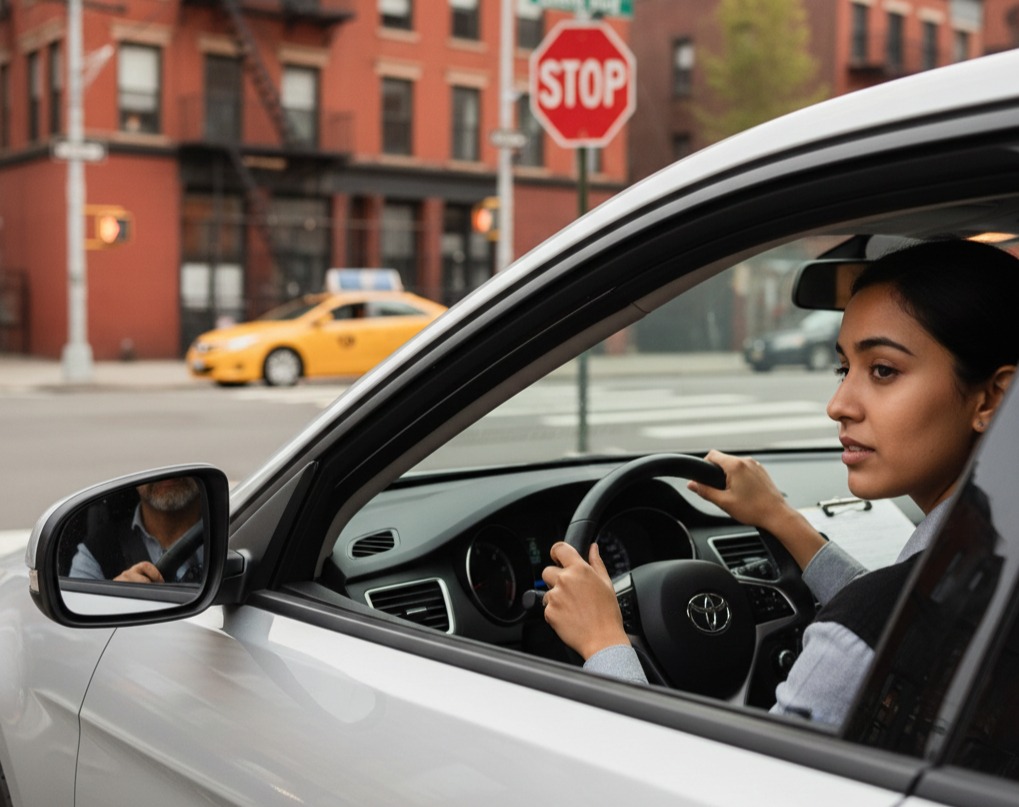
One of the first things the examiner will evaluate is how well you can control the vehicle. Proper vehicle control is essential, as it directly impacts your safety and the safety of others on the road. The examiner will look for the following:
Smooth Steering and Handling
- Your steering should be smooth and deliberate, with no jerking or unnecessary movements. Make sure to keep both hands on the wheel at all times, either in the “9 and 3” or “8 and 4” position for maximum control. Jerky or erratic steering can indicate nervousness or lack of control.
- When making turns, do so confidently but smoothly, maintaining control and adjusting your speed accordingly.
Accelerating and Braking Smoothly
- Sudden acceleration or abrupt braking can make the ride uncomfortable and show that you’re not in full control of the vehicle. You should always accelerate and brake smoothly. The examiner will be paying close attention to your ability to ease into the accelerator and brake gently to stop the vehicle without jolting.
- Brake early enough to come to a complete stop without having to slam on the brakes. Likewise, when accelerating, avoid speeding up too quickly, as this may indicate impatience or a lack of awareness of road conditions.
2. Use of Mirrors and Checking Blind Spots
A key part of your road test will involve demonstrating your awareness of other vehicles, pedestrians, and traffic conditions around you. The examiner will pay close attention to how often and how well you use your mirrors to assess the traffic situation.
Checking Your Mirrors Frequently
- You need to check your rearview and side mirrors regularly. Examiners want to see that you’re aware of the vehicles around you and can make decisions based on your surroundings. Before every lane change, turn, or merge, check your mirrors to ensure the area is clear.
- It’s also important to glance at your mirrors periodically even when you’re not changing lanes or turning. This demonstrates that you’re aware of your surroundings and not just focused on the road ahead.
Blind Spot Checks
- Before changing lanes, merging onto highways, or making turns, always look over your shoulder to check your blind spots. This is crucial for safety, as it ensures you are aware of any vehicles that may be in your path. The examiner will expect you to use your mirrors and perform a head check to ensure there are no obstacles in your blind spots.
3. Adherence to Traffic Laws and Road Signs
The road test examiner is keen on making sure that you know the rules of the road and can follow them without hesitation. Here’s what you need to do:
Obey Speed Limits
- Adhering to speed limits is critical. Driving too fast or too slow can result in points off. The examiner will be watching for your ability to adjust your speed according to road conditions, posted speed limits, and traffic flow.
- Speeding, especially in school zones or residential areas, can result in an automatic failure, so always be aware of the limits posted along your test route.
Stop Signs and Red Lights
- At stop signs, always come to a complete stop before proceeding. A rolling stop or failure to stop fully will not only fail you but also poses a significant risk to your safety.
- Likewise, make sure to stop at red lights and only proceed once the light has turned green. Never run a red light, even if the intersection appears clear.
Yield to Pedestrians and Other Drivers
- Yielding to pedestrians in crosswalks is not optional; it is a rule of the road. If you fail to yield to a pedestrian or other drivers when required, it could result in an automatic failure.
- Be mindful of other road users, including cyclists and motorcyclists. Always give way when needed.
4. Maneuvering and Parking
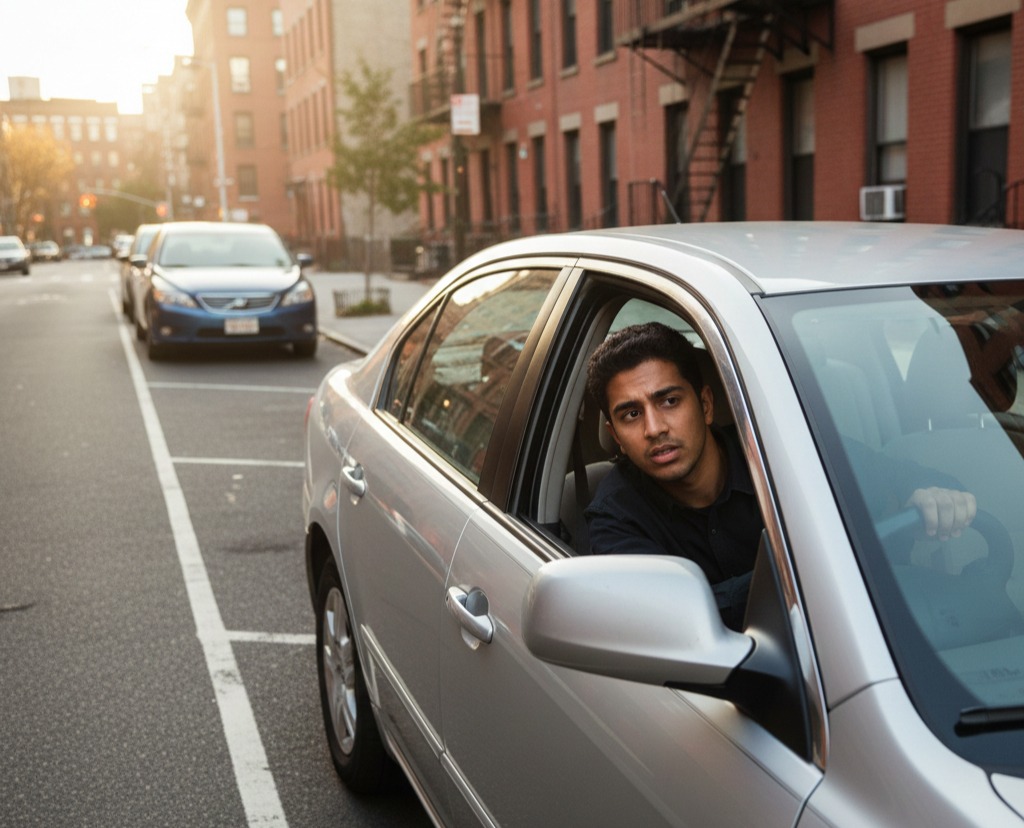
Parking can be one of the most challenging aspects of the road test, especially for new drivers. The examiner will observe how well you can handle parking and other low-speed maneuvers.
Parallel Parking
- Parallel parking is a common part of the test, and it’s important to demonstrate that you can park the car neatly within the lines without hitting the curb or any obstacles. You’ll need to do this with smooth, controlled movements.
- Check your mirrors as you reverse, and ensure that you are not cutting the steering wheel too much or too little. Practice parallel parking ahead of time to ensure that you’re comfortable with the maneuver.
Reversing and Backing Up
- When reversing, always look over your shoulder and check both side mirrors. Drive slowly and stay aware of your surroundings, avoiding any obstacles in your path.
- In some cases, you may be asked to perform a backing maneuver into a parking spot or along the curb. Make sure you reverse slowly and consistently check your mirrors as well as your rearview mirror.
Three-Point Turn
- The three-point turn is another common maneuver. You must demonstrate your ability to turn the car around in a limited space. This maneuver requires you to reverse and move forward multiple times to complete the turn. Always check for oncoming traffic before you begin.
5. Confidence and Attention to Detail
Examiners are also looking for a driver who can demonstrate confidence and attention to detail. Here’s what you can do to impress the examiner:
Confidence Behind the Wheel
- Being calm and confident behind the wheel is essential. Don’t rush through the test, but show that you’re comfortable operating the vehicle. If you make a mistake, don’t panic. Calmly correct the issue and continue driving.
- Demonstrate that you are in control of the vehicle and can make decisions in a timely manner. Your ability to handle stressful situations shows that you’re ready for the responsibility of driving.
Focus on the Road
- The examiner wants to see that you’re focused on the road and not distracted by other things. Avoid fiddling with the radio, adjusting the seat, or using your phone during the test.
- Always keep your hands on the wheel and your eyes on the road. A distracted driver is not only a hazard but also a failure risk on your road test.
6. Proper Use of Vehicle Features
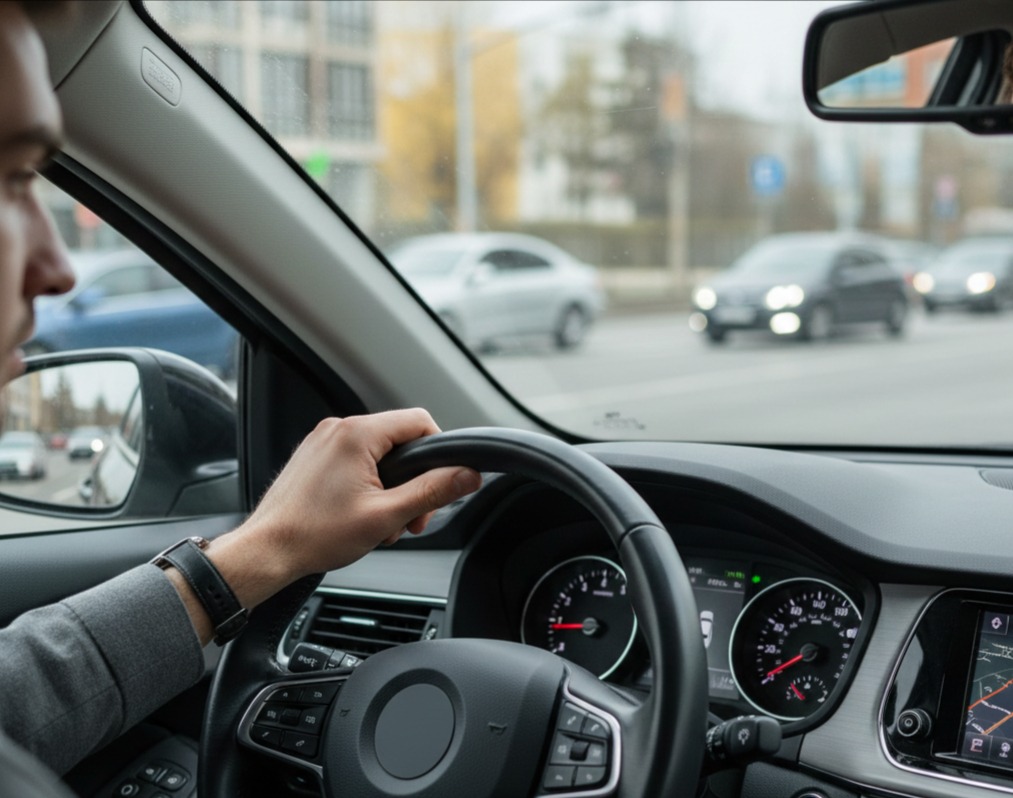
Your examiner will also pay attention to how well you use your vehicle’s features to ensure your safety and that of others.
Use of Turn Signals
Always signal well in advance when changing lanes, turning, or merging. Failure to signal, or signaling too late, will reflect poorly on your driving ability.
Headlights and Windshield Wipers
If it’s raining or the weather conditions are poor, use your headlights and windshield wipers appropriately. The examiner will expect you to adjust the headlights in low visibility conditions and use the wipers to ensure you have a clear view of the road.
Parking Brake
Use your parking brake when stopping, especially on a hill or incline. This demonstrates that you understand how to secure the vehicle when it’s parked.
Frequently Asked Questions (FAQ)
1. What happens if I make a mistake during the road test?
Don’t worry! One minor mistake doesn’t automatically mean you’ll fail the test. Examiners understand that everyone makes small errors. However, repeated mistakes or serious errors (e.g., failing to stop at a stop sign or failing to yield to pedestrians) can result in a failure.
2. How can I prepare for the road test?
Ensure that your vehicle is in good working order by performing pre-test checks, including checking fluid levels, tire pressure, lights, and mirrors. Practice key maneuvers such as parallel parking, three-point turns, and lane changes. For more pre-test advice, visit How to Perform a Pre-Test Car Check.
3. Do I need to bring my own car to the road test?
Yes, you must bring a roadworthy car for your road test. Make sure it’s in good condition, fully insured, and registered. The car should be clean and free of any items that may distract you during the test.
4. How long is the road test?
The road test typically lasts around 15-20 minutes, depending on the route and traffic conditions. During this time, you’ll be assessed on various aspects of your driving.
5. Can I fail the road test for failing to follow road signs?
Yes, failing to obey road signs, such as running a red light, failing to stop at a stop sign, or not yielding to pedestrians, can result in an automatic failure of the test.
Conclusion
Understanding what the road test examiner is looking for in New York is crucial to passing your test. Focus on demonstrating smooth vehicle control, proper mirror use, adherence to traffic laws, and confidence behind the wheel. By practicing key maneuvers and remaining calm and focused during the test, you’ll increase your chances of impressing the examiner and passing your road test.
For more tips and preparation guidance, visit Road Tests NY. Best of luck with your road test!