

Are you gearing up for your New York City driving test? This comprehensive guide will walk you through the entire process, from understanding the requirements to acing the road test. We’ll cover key topics like preparing for the written permit test, scheduling your road test, and the skills assessed during the exam. By following our expert tips and avoiding common mistakes, you’ll be well-equipped to pass your NYC driving test and obtain your license from the New York State Department of Motor Vehicles.
Key Takeaways
- Practice in diverse traffic conditions to build confidence and skills for the NYC driving test
- Familiarize yourself with common test routes to reduce stress and improve performance during the exam
- Listen attentively to examiner instructions and ask for clarification if needed during the test
- Ensure your vehicle meets all DMV requirements before taking the NYC driving test
- After passing, visit the DMV promptly to complete the licensing process and review any restrictions
Understanding the NYC Driving Test Requirements
Getting ready for the NYC driving test involves understanding key requirements. Aspiring drivers must meet eligibility criteria, gather necessary documentation, and pay required fees. These steps ensure a smooth process on test day. Knowing these basics helps test-takers focus on safe driving practices and avoiding accidents on the road.
Eligibility Criteria for Test Takers
To be eligible for the NYC driving test, applicants must be at least 16 years old and hold a valid learner’s permit for a minimum of 50 hours of supervised driving practice. This practice should include experience with various traffic situations, such as navigating stop signs, traffic lights, and pedestrian crossings, ensuring the driver is comfortable with different road scenarios.
Additionally, test-takers must complete a state-approved driver education course, which covers essential topics like traffic laws, speed limits, and safe driving practices. They must also pass a written test demonstrating their knowledge of road rules and traffic signs before scheduling their practical driving test.
Necessary Documentation Before the Test
Before heading to the NYC driving test, applicants must gather essential documents. These include a valid learner’s permit, proof of identity, and a completed driver’s education certificate. Aspiring drivers should also bring their log of supervised driving hours, showing experience in various traffic situations, including navigating busy intersections and changing lanes safely.
Additionally, test-takers need to bring a registered, insured, and inspected vehicle for the road test. This car must have functioning lights, brakes, and turn signals. It’s crucial to ensure the vehicle is in good condition, as examiners will check for proper equipment before allowing candidates to proceed with parallel parking and other driving maneuvers.
Fees and Payment Methods
The NYC driving test comes with fees that cover various aspects of the process. Applicants must pay for their learner’s permit, driver’s education course, and the actual road test. The motor vehicle department accepts multiple payment methods, including credit cards, debit cards, and cash. Test-takers should also budget for potential costs like renting a car for the test if they don’t have access to one that meets the requirements.
Some driving schools offer package deals that include both instruction and test fees. These packages often cover highway driving practice, parallel parking lessons, and even motorcycle training if desired. While these bundled services may seem pricier upfront, they can provide comprehensive preparation and potentially save money in the long run by reducing the likelihood of failing the test and needing to retake it.
Preparing for the Written Permit Test

Preparing for the New York City written permit test involves gathering study materials, taking practice exams, and scheduling the actual exam. Aspiring drivers should familiarize themselves with traffic laws, road signs, and safety rules. They’ll also need to understand fees, windshield requirements, and curb regulations. This section covers essential resources and steps to help test-takers succeed.
Study Materials and Resources
The NYC Department of Motor Vehicles offers a comprehensive driver’s manual that covers essential topics for the written permit test. This manual includes information on traffic laws, road signs, and safety regulations, including brake inspection requirements and taxi regulations. Aspiring drivers can access this manual online or obtain a physical copy from local DMV offices.
To boost confidence and test readiness, many parents encourage their children to use online practice tests and mobile apps. These resources simulate the actual exam format and provide instant feedback on areas that need improvement. Some apps even offer virtual reality experiences to help learners visualize road scenarios and practice decision-making skills:
Practice Exams and Sample Questions
Practice exams and sample questions play a crucial role in preparing for the New York driving test. These tools help aspiring drivers familiarize themselves with the test format and reduce anxiety on exam day. By simulating real test conditions, including questions about parking lot regulations and mirror usage, practice tests build confidence and improve test-taking skills.
Many online resources offer free NYC-specific practice exams that cover essential topics like road signs, traffic laws, and safe driving practices. These tests often include feedback on incorrect answers, helping learners identify areas that need more study. To maximize preparation, aspiring drivers should take multiple practice tests and focus on consistently achieving passing scores before scheduling their actual exam. Here’s a recommended study approach:
- Review the New York driver’s manual
- Take initial practice tests to assess knowledge gaps
- Study weak areas identified by practice tests
- Retake practice exams until consistently passing
- Schedule the actual written permit test
Scheduling the Permit Test
Scheduling the permit test in NYC is a straightforward process that can be done online or in person at DMV offices, including locations in the Bronx. Aspiring drivers can choose a convenient date and time, allowing them to plan their learning experience around work or school commitments. It’s important to ensure enough study time before the test date to feel confident and prepared.
When scheduling, test-takers should consider factors like available parking space at the testing center and tire maintenance for their vehicle if driving there. The DMV website provides a user-friendly interface for booking appointments, allowing candidates to select their preferred Location and time slot. Here’s a step-by-step guide to scheduling the permit test:
- Visit the official NYC DMV website
- Create an account or log in
- Select “Schedule a Road Test”
- Choose the permit test option
- Pick a preferred location (e.g., the Bronx)
- Select an available date and time
- Confirm the appointment
Scheduling Your Road Test in NYC
Scheduling a road test in NYC involves selecting a convenient location, navigating the online booking process, and understanding rescheduling options. Test-takers can choose sites across the city, including Long Island. The process requires a valid learner’s permit and completion of driver education. Applicants should be prepared to use a debit card for payment and know how to respond to emergency vehicles during the test.
Selecting a Convenient Test Location
When selecting a convenient test location in NYC, aspiring drivers should consider accessibility by public transportation, particularly buses. Test centers in Brooklyn, Manhattan, and Queens offer various options for those relying on mass transit. Choosing a location near familiar roads can help reduce test anxiety and increase confidence during the driving exam.
Before finalizing a test site, candidates should check the vehicle inspection requirements for each location. Some centers in Manhattan and Queens may have stricter inspection protocols, potentially affecting the test-day experience. It’s wise to select a location that aligns with the driver’s comfort level and the condition of their vehicle to ensure a smooth testing process.
Online Scheduling Step-by-Step Guide
Scheduling a road test online in NYC is a straightforward process that helps drivers avoid the frustration of potential failure due to lack of preparation. The DMV website guides users through each step, from selecting a test date to finding an available parking space at the chosen location. Drivers should be prepared to provide feedback on their preferred test time and location, considering factors like traffic speed and potential roundabout encounters.
After selecting a suitable date and location, test-takers must confirm their personal information and pay the required fee. The system provides immediate confirmation and allows for easy rescheduling if needed. Here’s a step-by-step guide to online scheduling:
- Visit the official NYC DMV website
- Log in or create an account
- Select “Schedule a Road Test”
- Choose a preferred location and date
- Review and confirm personal details
- Pay the scheduling fee
- Receive confirmation and test details
Rescheduling or Canceling Your Appointment
Rescheduling or canceling a NYC driving test appointment requires drivers to pay attention to specific guidelines. The DMV provides a checklist for this process, ensuring test-takers follow proper procedures. Drivers should note that rescheduling too close to the test date may result in additional fees, similar to how last-minute changes might affect a drug test appointment in the city.
To reschedule, drivers can log into their DMV account and select a new date and time. The system allows for easy modifications, considering factors like availability in different boroughs. Cancellations should be made at least 48 hours before the scheduled test to avoid penalties. This flexibility helps drivers manage unexpected changes while preparing for their road test in the bustling city environment.
What to Bring on the Day of the Test

Preparing for a NYC driving test requires learners to gather essential items. Drivers must bring required identification documents, ensure their vehicle passes the inspection checklist, and provide proof of completed driving hours. This section covers the necessary items for test day, including TLC-specific requirements, to help drivers properly prepare.
Required Identification Documents
On the day of the New York driving test, test-takers must bring their valid learner’s permit, which serves as their primary identification. This permit, obtained after passing the NYC permit practice test, proves eligibility to take the road test. Drivers should also bring a second form of ID, such as a birth certificate or passport, to verify their identity and age.
In addition to identification, test-takers need to present their completed driver’s education certificate and driving log. These documents demonstrate that the driver has completed the required hours of supervised driving practice and theoretical knowledge, as covered in the New York state permit practice test. Ensuring all necessary paperwork is in order helps avoid delays or rescheduling on test day.
Vehicle Inspection Checklist
Before the NYC driving test, examiners conduct a thorough vehicle inspection to ensure safety. Test-takers must ensure their vehicle meets all requirements, including properly functioning lights, brakes, and turn signals. The DMV written test NY covers these inspection points, so drivers should be familiar with them before test day.
Aspiring drivers should prepare a checklist of items to inspect, mirroring the nyc dmv practice test questions about vehicle safety. This includes checking tire tread, windshield wipers, and mirrors. A well-maintained vehicle not only passes inspection but also boosts confidence during the road test nyc experience. Here’s a quick checklist for vehicle inspection:
Proof of Completed Driving Hours
For the NYC driving test, applicants must provide proof of completed driving hours, typically in the form of a signed log or affidavit. This document should detail the supervised practice hours, including experience with potential hazards and various road conditions. Aspiring drivers aiming for a commercial driver license may need additional documentation of specific training hours.
During the driving road test NYC, examiners may review this proof to ensure candidates have met the state’s requirements. The New York State road test process values thorough preparation, so applicants should keep accurate records of their practice time, including nighttime driving and experience in different weather conditions. This documentation not only satisfies test requirements but also builds confidence in handling diverse driving scenarios.
Skills Assessed During the Road Test
The NYC driving test evaluates crucial skills for safe road navigation. Examiners assess a driver’s ability to perform turns, change lanes, use mirrors, and check blind spots. They observe adherence to traffic signals and road signs, even in areas like Staten Island. The test also covers parking techniques and speed limit compliance. Experts ensure drivers can handle various vehicles, from sedans to pickup trucks, while prioritizing passenger safety through proper steering and observation.
Performing Safe Turns and Lane Changes
During the NYC driving test, examiners closely evaluate a driver’s ability to execute safe turns and lane changes. Candidates must demonstrate proper signaling, mirror checks, and blind spot awareness when changing lanes or making turns. Road Tests NY emphasizes the importance of these skills, as they are crucial for navigating the city’s busy streets safely.
Aspiring drivers can prepare for this aspect of the test by practicing in various traffic conditions and consulting the Road Tests NY Help Center for tips. The examiners will assess how well drivers maintain appropriate speeds during turns and their ability to smoothly merge into traffic when changing lanes. Those looking to book road test appointments can find information on test locations and FAQs on the Road Tests NY website.
Proper Use of Mirrors and Blind Spots
During the NYC driving test, examiners scrutinize a driver’s proper use of mirrors and blind spot checks. Driver Rite NY emphasizes the importance of regularly scanning all mirrors and performing shoulder checks before changing lanes or merging. Examiners assess how effectively drivers use their rearview and side mirrors to maintain awareness of surrounding traffic, especially in busy New York City streets.
The Pre-Licensing Course offered by DMV NY covers techniques for effectively using mirrors and checking blind spots. Drivers must demonstrate their ability to monitor traffic behind and beside their vehicle, adjusting their position as needed. Examiners look for consistent mirror checks and proper head movements to ensure drivers are fully aware of their surroundings, reducing the risk of accidents on congested NYC roads.
Adherence to Traffic Signals and Road Signs
During the NYC driving test, examiners closely observe how well drivers adhere to traffic signals and road signs. They assess a driver’s ability to recognize, interpret, and respond appropriately to various signs and signals encountered on city streets. This includes stopping completely at red lights and stop signs, yielding to pedestrians, and following lane markings correctly.
Drivers must demonstrate their understanding of different sign types, from regulatory to warning signs. Examiners pay attention to how drivers adjust their speed and behavior based on posted limits and road conditions. They also evaluate a driver’s ability to navigate through construction zones and school areas, where special rules often apply. Here’s what examiners typically look for:
- Complete stops at red lights and stop signs
- Proper yielding to pedestrians and other vehicles
- Adherence to speed limits and adjusting speed for conditions
- Correct lane usage based on signs and markings
- Appropriate responses to warning and construction signs
Parallel and Three-Point Parking Techniques
During the NYC driving test, examiners evaluate a driver’s ability to perform parallel parking and three-point turns. These maneuvers require precision and spatial awareness, especially in tight urban spaces. Drivers must demonstrate their skill in smoothly backing into a parallel parking spot without hitting the curb or other vehicles, while also executing a three-point turn efficiently on narrow streets.
To prepare for these challenges, aspiring drivers can practice in areas with similar conditions to those found in the test. Examiners look for proper use of mirrors, turn signals, and steering control during these maneuvers. They also assess the driver’s ability to judge distances and maintain awareness of surrounding traffic and pedestrians while parking or turning in confined spaces.
Observing Speed Limits and Traffic Laws
During the NYC driving test, examiners closely observe how drivers adhere to speed limits and traffic laws. They assess a candidate’s ability to maintain appropriate speeds in various zones, from residential areas to highways. Examiners look for smooth acceleration and deceleration, as well as proper adjustments when entering school zones or construction areas.
Drivers must demonstrate their understanding of right-of-way rules, proper lane usage, and signaling requirements. Examiners evaluate how well candidates follow traffic signals, stop signs, and yield signs. They also assess a driver’s ability to merge safely and maintain safe following distances. Key areas of focus during the test include:
- Consistent speed control within posted limits
- Proper use of turn signals for lane changes and turns
- Adherence to traffic light signals and stop signs
- Yielding to pedestrians and emergency vehicles
- Maintaining safe following distances in traffic
Common Mistakes to Avoid During the Test
During the NYC driving test, common mistakes can lead to failure. These include rolling through stop signs, neglecting turn signals, and not yielding to pedestrians. Improper speed management and lack of vehicle control are also critical errors to avoid. Understanding these pitfalls helps test-takers prepare effectively and increase their chances of passing.
Rolling Through Stop Signs
Rolling through stop signs is a critical error that often leads to automatic failure during NYC driving tests. Examiners closely watch for complete stops, expecting drivers to come to a full halt for at least three seconds at every stop sign. This pause allows time to check for pedestrians, cyclists, and other vehicles before proceeding safely.
To avoid this mistake, test-takers should practice proper stopping techniques at intersections throughout the city. Drivers can use landmarks like crosswalks or stop lines to gauge their stopping point, ensuring they don’t creep past these markers. Remembering to feel the vehicle settle back slightly after stopping can help reinforce the habit of making complete stops during the test.
Failing to Use Turn Signals
Failing to use turn signals is a common mistake that can lead to automatic failure during NYC driving tests. Examiners closely observe whether drivers consistently signal their intentions before changing lanes, turning, or merging. This simple yet crucial action communicates a driver’s plans to other road users, enhancing overall safety on busy city streets.
To avoid this error, test-takers should practice using turn signals well in advance of their intended maneuver. Drivers should aim to signal at least 100 feet before turning or changing lanes, giving ample time for others to react. Developing this habit not only improves test performance but also contributes to safer driving practices in the long run. Here are key situations where using turn signals is essential:
- Changing lanes on multi-lane roads
- Turning at intersections, even when in designated turn lanes
- Merging onto highways or exiting
- Pulling into or out of parking spaces
- Navigating roundabouts or traffic circles
Not Yielding to Pedestrians
Not yielding to pedestrians is a critical error that can result in automatic failure during a NYC driving test. Examiners pay close attention to how drivers interact with pedestrians at crosswalks, intersections, and in busy urban areas. Test-takers must demonstrate their ability to recognize pedestrians’ right-of-way and come to a complete stop when necessary, even if it means waiting for several pedestrians to cross before proceeding.
To avoid this mistake, drivers should practice scanning for pedestrians at every intersection and potential crossing point. They should be prepared to stop well before the crosswalk, giving pedestrians ample space to cross safely. Test-takers should also be aware of school zones and areas with high foot traffic, where extra caution is required. By prioritizing pedestrian safety, drivers not only improve their chances of passing the test but also contribute to a safer NYC street environment.
Improper Speed Management
Improper speed management often trips up test-takers during NYC driving tests. Examiners watch for drivers who exceed posted limits or fail to adjust their speed for road conditions. Driving too slowly can also be an issue, as it may impede traffic flow and create hazardous situations.
To avoid speed-related mistakes, drivers should practice maintaining consistent speeds within legal limits. They need to demonstrate the ability to slow down appropriately for school zones, construction areas, and when approaching intersections. Smooth acceleration and deceleration are key skills examiners look for during the test.
Lack of Vehicle Control
Lack of vehicle control is a common issue during NYC driving tests. Examiners observe how smoothly drivers operate the vehicle, including steering, braking, and acceleration. Test-takers who struggle with these basic functions may fail the exam, as precise control is crucial for navigating busy city streets safely.
To improve vehicle control, aspiring drivers should practice in various conditions before their test. This includes mastering smooth starts and stops, maintaining steady speeds, and executing precise turns. Familiarity with the test vehicle’s responsiveness helps drivers demonstrate confidence and competence during the exam, increasing their chances of success.
Effective Strategies for Passing the Test
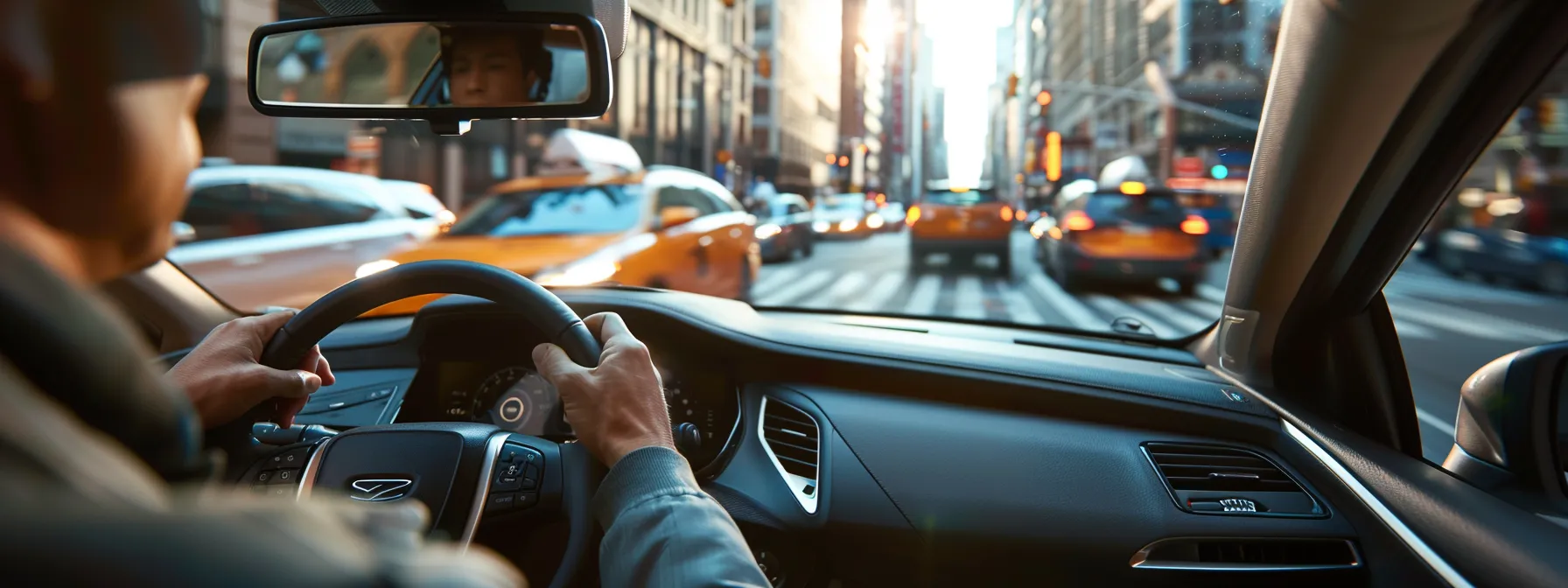
Passing the NYC driving test requires effective preparation strategies. This section covers practicing in diverse traffic conditions, familiarizing yourself with test routes, maintaining composure under pressure, listening attentively to examiner instructions, and ensuring your vehicle meets all requirements. These key areas help test-takers build confidence and increase their chances of success on exam day.
Practicing in Diverse Traffic Conditions
Aspiring drivers in NYC benefit greatly from practicing in diverse traffic conditions before their test. They should seek experience in heavy city traffic, on highways, and in residential areas to build confidence in various scenarios. This exposure helps drivers develop the skills needed to navigate complex intersections, merge safely, and adapt to changing traffic patterns.
To prepare effectively, test-takers should create a practice schedule that includes different times of day and weather conditions. They can start with less busy streets and gradually progress to more challenging environments. This approach allows drivers to build their skills progressively and become comfortable with the unpredictable nature of NYC traffic. Here’s a suggested practice schedule:
Familiarizing Yourself With Test Routes
Aspiring drivers can boost their chances of success by familiarizing themselves with common test routes in NYC. Many testing centers use specific paths that include a mix of residential streets, main roads, and highway sections. By practicing on these routes, test-takers can anticipate potential challenges and feel more at ease during the actual exam.
To prepare effectively, drivers should research local test routes online or ask driving instructors for insights. They can then practice navigating these areas, paying attention to tricky intersections, school zones, and areas with frequent pedestrian traffic. This preparation helps build confidence and reduces stress on test day, allowing drivers to focus on demonstrating their skills rather than worrying about unfamiliar surroundings.
Maintaining Composure Under Pressure
During the NYC driving test, maintaining composure under pressure is crucial for success. Test-takers often experience nervousness, which can lead to mistakes. To stay calm, drivers can practice deep breathing exercises before and during the test. This simple technique helps reduce anxiety and improves focus, allowing drivers to demonstrate their skills more effectively.
Another strategy for staying composed is to arrive at the test location early. This extra time allows drivers to familiarize themselves with the surroundings and mentally prepare for the exam. Test-takers can use this opportunity to review key points they’ve learned during practice sessions, helping them feel more confident and ready to tackle the challenges of the NYC driving test.
Listening Attentively to Examiner Instructions
During the NYC driving test, listening attentively to examiner instructions is crucial for success. Test-takers should focus on every word the examiner says, as they may provide important directions or ask questions that require immediate action. By paying close attention, drivers can avoid misunderstandings that could lead to errors or point deductions.
To improve listening skills, test-takers can practice active listening techniques in the days leading up to their exam. This involves repeating instructions back to the examiner for clarity and asking questions if something is unclear. By developing this habit, drivers can ensure they fully understand what’s expected of them during each part of the test. Here’s a breakdown of common examiner instructions and appropriate responses:
Ensuring Your Vehicle Meets All Requirements
Before the NYC driving test, candidates must ensure their vehicle meets all requirements set by the DMV. This includes having a valid registration, inspection sticker, and insurance coverage. The vehicle should be in good working condition, with properly functioning lights, brakes, and turn signals.
Test-takers should also check that their vehicle’s tires have adequate tread depth and proper inflation. They need to clean all windows and mirrors for clear visibility and ensure the horn works correctly. By thoroughly inspecting their vehicle before the test, drivers can avoid potential disqualification and focus on demonstrating their driving skills confidently.
What Happens After the Test

After completing the NYC driving test, candidates face three possible outcomes. They’ll receive their test results immediately, determining next steps. Those who pass can proceed with obtaining their license, while those who fail will need guidance on retaking the test. Understanding these post-test processes helps drivers navigate the final stages of becoming licensed in New York City.
Understanding Your Test Results
After completing the NYC driving test, candidates receive their results immediately from the examiner. The test outcome is based on a point system, where drivers start with 100 points and lose points for various infractions. Passing requires maintaining a score of 70 points or higher, with certain critical errors resulting in automatic failure.
Examiners provide detailed feedback on the driver’s performance, highlighting areas of strength and improvement. This feedback is valuable for both successful and unsuccessful candidates, offering insights into their driving skills and areas to focus on for future improvement. Understanding these results helps drivers gauge their readiness for safe, independent driving on New York City’s busy streets.
Steps to Take if You Pass
After passing the NYC driving test, successful candidates should visit their local DMV office to complete the licensing process. They’ll need to submit their test results, pay the required fees, and have their photo taken for the official license. The DMV typically issues a temporary license on the spot, valid until the permanent one arrives by mail.
New drivers should also familiarize themselves with any restrictions on their license, such as nighttime driving limits for junior operators. It’s crucial to review insurance requirements and consider enrolling in defensive driving courses for potential insurance discounts. Here’s a breakdown of post-test steps:
Guidance for Retaking the Test if You Fail
If a driver fails the NYC driving test, they can typically reschedule after a mandatory waiting period, usually 24 hours. During this time, candidates should review their test results and focus on improving areas where they lost points. Many find it helpful to schedule additional practice sessions with a licensed instructor to address specific weaknesses identified during the test.
Drivers preparing for a retest should also familiarize themselves with common reasons for failure and work on avoiding these mistakes. This may include practicing parallel parking, improving observation skills, or mastering proper use of turn signals. To increase chances of success on the next attempt, candidates should consider the following steps:
- Review test feedback thoroughly
- Practice problem areas with an instructor
- Study the driver’s manual again
- Take mock tests to build confidence
- Ensure vehicle meets all requirements
Frequently Asked Questions About the NYC Driving Test
This section addresses common questions about the NYC driving test. It covers using rental cars, dealing with bad weather, interpreter availability, retaking options, and test impacts on driving records. These insights help test-takers prepare for various scenarios and understand the test’s broader implications.
Can I Use a Rental Car for the Test?
Using a rental car for the NYC driving test is generally allowed, but test-takers must ensure the vehicle meets all DMV requirements. The rental car should have valid registration, insurance, and inspection documents readily available. It’s crucial to familiarize oneself with the vehicle’s controls and features before the test to avoid any confusion during the exam.
When opting for a rental car, drivers should inform the rental company about their intention to use the vehicle for a driving test. Some rental agencies may have specific policies or restrictions regarding this use. Additionally, test-takers should arrive early on test day to allow time for any paperwork verification related to the rental vehicle, ensuring a smooth start to their driving exam.
What if There’s Inclement Weather on Test Day?
In case of inclement weather on the day of the NYC driving test, the DMV may reschedule the exam for safety reasons. Test-takers should check the DMV website or contact their testing center for updates on potential cancellations or delays. It’s advisable to have a backup plan and be prepared for rescheduling if severe weather conditions arise.
If the test proceeds despite light rain or snow, drivers should demonstrate extra caution and adjust their driving accordingly. This includes maintaining appropriate following distances, using windshield wipers effectively, and adjusting speed for road conditions. Examiners will assess the driver’s ability to handle adverse weather safely, which can be an opportunity to showcase adaptability and good judgment. Here are key points to remember for inclement weather testing:
- Check DMV notifications for cancellations
- Arrive early to allow for slower traffic
- Ensure vehicle is properly equipped for weather (e.g., good tires, working wipers)
- Demonstrate weather-appropriate driving techniques
- Be prepared to reschedule if conditions are unsafe
Are Interpreters Allowed During the Exam?
The NYC Department of Motor Vehicles (DMV) allows interpreters during driving tests for non-English speakers or those with limited English proficiency. Test-takers can bring their own interpreter or request one from the DMV when scheduling their exam. This accommodation ensures that language barriers don’t prevent qualified drivers from obtaining their licenses.
To use an interpreter during the test, candidates must inform the DMV in advance and follow specific guidelines. Interpreters must be at least 18 years old and cannot be a driving instructor or anyone who has helped the applicant prepare for the test. The examiner will provide instructions to the interpreter, who will then relay them to the test-taker. Here are the key points to remember when using an interpreter:
- Request an interpreter when scheduling the test
- Bring a qualified interpreter or use a DMV-provided one
- Ensure the interpreter meets age and relationship requirements
- Allow extra time for instruction translation during the test
- Follow all examiner instructions as relayed by the interpreter
How Soon Can I Retake the Test if I Don’t Pass?
After failing the NYC driving test, candidates must wait at least one day before retaking the exam. This mandatory waiting period allows drivers to review their performance, address areas of weakness, and practice necessary skills. The DMV recommends using this time to schedule additional lessons with a licensed instructor or practice with a qualified supervisor to improve driving abilities.
While the minimum waiting period is one day, availability for retesting may vary depending on the testing center’s schedule. Drivers can book their next test appointment online or by phone as soon as they’re eligible. It’s advisable to use this time effectively to increase chances of passing on the subsequent attempt, focusing on specific areas highlighted by the examiner during the failed test.
How Does the Test Affect My Driving Record?
The NYC driving test itself doesn’t directly affect a person’s driving record. The test is simply an assessment of driving skills and knowledge. However, the outcome of the test can indirectly impact a driver’s record by determining when they become a licensed driver and start accumulating driving history.
Once a driver passes the test and receives their license, their driving record begins. Any violations or accidents from that point forward will be recorded. It’s crucial for new drivers to understand this responsibility and drive safely to maintain a clean record. A good driving record can lead to lower insurance rates and better opportunities, especially for those considering careers that involve driving. Here’s what new drivers should know about maintaining a clean driving record:
- Follow all traffic laws and speed limits
- Avoid distractions while driving
- Never drive under the influence of alcohol or drugs
- Keep the vehicle well-maintained
- Attend defensive driving courses for additional skills and potential insurance discounts
Frequently Asked Questions
What documents do I need to bring to the NYC driving test?
For your NYC driving test, bring your valid learner’s permit, driver’s education certificate, completed 50-hour driving log, proof of identity, and a registered, insured vehicle with valid inspection. Don’t forget your glasses or contact lenses if required for driving.
How long does the NYC road test typically last?
The NYC road test typically lasts about 15 to 20 minutes. During this time, examiners assess a driver’s skills, including parking, turns, and traffic sign compliance. The test’s duration allows for a thorough evaluation of the driver’s abilities in various scenarios.
Can I use my own car for the driving test in NYC?
Yes, you can use your own car for the driving test in NYC, provided it meets specific requirements. The vehicle must be properly registered, insured, and in good working condition. It should have valid inspection stickers and display functional turn signals, brake lights, and seat belts.
What are the most common reasons people fail the NYC driving test?
The most common reasons for failing the NYC driving test include failing to check blind spots, improper lane changes, speeding, rolling stops, and not following traffic signs. Nervousness, lack of practice, and unfamiliarity with the test route can also contribute to test failure.
How soon can I retake the test if I don’t pass the first time?
If you don’t pass your road test in New York, you can typically retake it after 24 hours. However, it’s recommended to wait at least a week to practice and improve your skills before scheduling another test through the DMV or a scheduling service.
Conclusion
The comprehensive guide to NYC driving tests equips aspiring drivers with essential knowledge and strategies for success. By understanding test requirements, common mistakes, and effective preparation techniques, candidates can approach their exam with confidence and competence. Mastering skills like proper vehicle control, adherence to traffic laws, and maintaining composure under pressure are crucial not only for passing the test but also for ensuring long-term safety on New York’s busy streets. Ultimately, this guide serves as a valuable resource for new drivers, helping them navigate the challenging process of obtaining a license and setting the foundation for responsible driving in one of the world’s most dynamic urban environments.