

Practicing Safe Driving Habits
Introduction: The Importance of Practicing Safe Driving Habits
Developing and maintaining safe driving habits is essential not only for passing your road test but also for ensuring safety on the road in the long term. These habits help you stay calm, aware, and in control of your vehicle under any circumstances. Whether you’re navigating through busy intersections or making simple lane changes, practicing safe driving habits consistently will make you a more confident and capable driver. By following these habits, you not only improve your chances of passing the road test but also contribute to safer roads for everyone.
Defensive Driving Techniques for Test Day
Defensive driving is one of the most important skills you’ll need to master for your road test. It demonstrates not only your ability to operate a vehicle but also your ability to anticipate and avoid potential hazards, which is essential for keeping both yourself and others safe on the road.
The first step in defensive driving is maintaining a safe following distance. You should always keep enough space between your vehicle and the one in front of you to give yourself time to react if the vehicle suddenly slows down or stops. A good rule of thumb is the “three-second rule”: choose a fixed point on the road, and when the vehicle ahead of you passes it, you should be able to count at least three seconds before your car passes the same point. This buffer provides you with ample time to brake safely and avoid rear-end collisions.
Next, you need to be vigilant about checking your blind spots. These are the areas around your vehicle that can’t be seen through your rearview or side mirrors, and failing to check them can lead to dangerous situations, especially when changing lanes or merging into traffic. Always use your mirrors and turn your head to physically check these blind spots before making any maneuvers.
Additionally, you should constantly scan the road ahead, looking out for potential hazards such as pedestrians, cyclists, other vehicles, or road debris. Being aware of your surroundings allows you to make quicker decisions and take appropriate action to prevent accidents.
When driving through intersections, approach them with caution, even if you have the right of way. Always be prepared for other drivers who may not obey traffic signals or signs, and yield to pedestrians. Keep a close eye on traffic signals, especially when approaching yellow lights, and avoid rushing through them.
Speed management is another key element of defensive driving. While it’s important to adhere to speed limits, you should also adjust your speed based on road conditions, weather, and traffic flow. For instance, in rainy or foggy weather, reduce your speed to improve your reaction time and prevent skidding or hydroplaning.
Lastly, stay focused and avoid distractions. It’s easy to lose concentration when you’re nervous, but staying alert ensures you can react quickly to any unexpected situations. Keep both hands on the wheel and your eyes on the road at all times, avoiding distractions like checking your phone or fiddling with the car’s controls.
Read More: Essential Mirror and Seat Adjustments Before Your Road Test
Practicing Safe Driving Habits

Practicing Safe Driving Habits
Obeying Traffic Signs and Signals
Following traffic signs and signals is a critical component of your road test, and failure to do so can result in automatic disqualification. Traffic signs and signals guide the flow of vehicles and ensure the safety of drivers, passengers, and pedestrians alike. Demonstrating your ability to obey these signs and signals is key to showing that you’re a responsible driver.
One of the most common signs you’ll encounter is the stop sign. When approaching a stop sign, make sure to come to a complete stop behind the stop line or crosswalk. Many drivers make the mistake of performing a “rolling stop,” where the vehicle doesn’t fully stop before moving forward. This is a common error that can cost you points during your road test. Stay stopped long enough to check for oncoming traffic and pedestrians before proceeding.
Yield signs require careful attention as well. You must slow down and prepare to stop if necessary, allowing any vehicles or pedestrians with the right of way to pass. However, if the road is clear, you may proceed without stopping. The key to handling yield signs is to be cautious and not rush through without thoroughly checking the situation.
When approaching traffic lights, pay close attention to the color of the light. A green light allows you to proceed, but still, be vigilant for any sudden changes in the situation, such as vehicles running red lights. When a yellow light appears, slow down and prepare to stop unless you are too close to the intersection to safely come to a halt. Rushing through a yellow light or running a red light will result in a serious penalty during your road test.
Another crucial aspect of obeying signals is properly handling turn arrows. When a green arrow is lit, it indicates that you have the right of way to make a turn, while a red arrow signals that turning is prohibited until the light changes. Make sure you understand the difference between solid and flashing arrows, as they can indicate different rules, such as yielding to oncoming traffic before turning.
Speed limit signs are another important aspect of the road test. You must always follow posted speed limits, but also adjust your speed according to road conditions. Exceeding the speed limit or driving too slowly in normal traffic can be seen as unsafe and may lead to points being deducted.
Finally, remember to observe all pedestrian crossings and school zone signs. Failing to yield to pedestrians or slowing down in school zones can lead to immediate failure, as these are serious safety concerns.
By closely adhering to all traffic signs and signals, you demonstrate not only your knowledge of the rules of the road but also your ability to apply them consistently—an essential skill for both passing your road test and driving safely in the real world.
Read More: Mastering Signals and Road Markings for Your Driving Test
Practicing Safe Driving Habits

Practicing Safe Driving Habits
Maintaining Proper Speed Limits
Adhering to speed limits is one of the most important aspects of safe driving and is a key factor in passing your road test. Exceeding or even driving too slowly can result in points being deducted from your score, or worse, cause you to fail your test altogether. Driving at the correct speed ensures that you’re in control of your vehicle, aware of your surroundings, and able to react quickly to changes in traffic conditions.
When you’re driving in residential areas, be extra cautious. Speed limits in these areas are typically lower—often 20-30 mph—because of the increased possibility of encountering pedestrians, children playing, or other obstacles that may appear unexpectedly. Driving too fast in residential neighborhoods can put others at risk and lead to failure during your test. Make sure to slow down even more when approaching intersections, as visibility may be limited.
School zones require heightened awareness and attention to speed. In most places, school zones have a reduced speed limit, typically around 15-20 mph, during school hours. When you see a flashing school zone sign or a posted speed reduction, you must follow the lower speed limit immediately, regardless of whether you see children around. Failure to do so will not only cause you to lose points but may also lead to disqualification for failing to follow basic safety laws.
In contrast, when you’re driving on highways or expressways, the speed limit will be significantly higher, usually between 55-70 mph. It’s crucial to maintain your speed within this range, while also adapting to traffic conditions. However, you should also be aware that driving too slowly can be just as dangerous as speeding. If you’re driving significantly below the speed limit on a highway, it can disrupt traffic flow and increase the risk of collisions. Maintaining an appropriate speed that matches the traffic around you shows the examiner that you’re confident and in control.
Always be mindful of special conditions such as construction zones, where speed limits are often temporarily lowered. In these cases, reduce your speed accordingly and be alert for workers or machinery close to the road. Ignoring temporary speed limits can result in a significant penalty on your road test, as construction areas pose heightened risks to safety.
Additionally, weather conditions may require you to adjust your speed even if you’re within the posted limit. For example, in rain, snow, or fog, it’s essential to drive at a reduced speed to account for decreased visibility and traction. While this might seem counterintuitive to test-takers, driving at a safer speed shows that you can assess and react to varying conditions, a critical aspect of safe driving.
Practicing Safe Driving Habits

Practicing Safe Driving Habits
Remember to check your speed frequently by glancing at your speedometer, as it’s easy to unintentionally drift above or below the limit, especially in unfamiliar areas. Stay calm and avoid letting pressure from other drivers cause you to speed up unnecessarily. By maintaining the proper speed in all conditions, you show the examiner that you prioritize safety and are prepared for the responsibility of driving independently.
Read More: Ace Your Road Test: Mastering Intersection Navigation
Smooth Braking and Acceleration
Mastering smooth braking and acceleration is vital for demonstrating control of your vehicle during your road test. Sudden movements can create a sense of instability and might even lead to disqualification. Smooth transitions not only enhance safety but also reflect your ability to handle the vehicle confidently.
✔ Braking Techniques:
✔ Anticipate Stops: Always be on the lookout for traffic signs, signals, and the behavior of other drivers. By anticipating when you’ll need to stop, you can apply the brakes gently, which minimizes sudden jolts and keeps passengers comfortable.
✔ Gradual Pressure: When you need to brake, apply pressure to the brake pedal gradually rather than slamming on the brakes. Begin by easing off the accelerator as you approach the stop, then apply the brakes smoothly. This technique allows your vehicle to slow down naturally and helps maintain control, preventing skids or abrupt stops.
✔ Avoid Rolling Stops: When coming to a stop at a stop sign or red light, ensure you come to a complete stop. Rolling stops can be viewed as a failure to comply with traffic laws, and may lead to automatic points deduction.
✔ Acceleration Techniques:
✔ Gentle Acceleration: When starting from a stop, apply the accelerator gradually. Sudden acceleration can cause the vehicle to jerk, which not only feels uncomfortable but may also disrupt your control over the car. Instead, press the pedal slowly to gain speed steadily.
✔ Throttle Control: Maintain a steady foot on the accelerator while driving. If you’re merging onto a highway or passing another vehicle, gradually increase your speed rather than flooring it. This ensures smooth transitions and helps you stay in control of your vehicle.
✔ Understanding Gear Shifts: If you are driving a manual transmission, practice smooth gear shifts. Be gentle when engaging the clutch and shifting gears, ensuring that you don’t jerk the vehicle. For automatic transmissions, practice smooth transitions from park to drive and from drive to reverse.
✔ Practice Makes Perfect: To enhance your smooth braking and acceleration skills, practice these techniques in a controlled environment, such as an empty parking lot. This allows you to focus on your movements without the added stress of traffic. Experiment with various speeds and braking distances to find what works best for you.
Practicing Safe Driving Habits

Practicing Safe Driving Habits
During your road test, your examiner will be observing how you handle braking and acceleration. Smooth and controlled actions will reflect your ability to drive safely and confidently. Remember, it’s not just about passing the test—it’s about developing habits that ensure your safety and the safety of others on the road. By mastering these techniques, you’ll not only impress your examiner but also set yourself up for success as a responsible driver.
Read More: Mastering Parallel Parking for Your Road Test
Safe Lane Changes and Merging Techniques
Making safe lane changes and merging onto highways or busy roads are crucial skills that demonstrate your ability to drive responsibly and confidently. These actions require good judgment, awareness of your surroundings, and the ability to communicate effectively with other drivers. Here’s a step-by-step guide to help you master these techniques during your road test.
✔ Step-by-Step Tips for Safe Lane Changes
✔ Check Your Mirrors:
Before changing lanes, always check your rearview and side mirrors to assess the position of other vehicles around you. This helps you understand if it’s safe to proceed.
✔ Use Your Turn Signal:
Signal your intention to change lanes at least 100 feet before making the maneuver. This alerts other drivers of your plans, allowing them to adjust their speed or position accordingly.
✔ Check Your Blind Spots:
Look over your shoulder to check your blind spots. This is essential because mirrors may not show vehicles that are directly beside you. Ensure there is enough space in the lane you intend to enter.
✔ Assess the Traffic Conditions:
Before you change lanes, make sure there’s enough space between your vehicle and any nearby cars. If traffic is heavy or someone is approaching quickly, wait for a better opportunity.
✔ Steer Smoothly into the New Lane:
Once you determine it’s safe, gently steer into the new lane without abrupt movements. Maintain your speed and keep your vehicle steady as you make the transition.
✔ Cancel Your Signal:
After successfully changing lanes, turn off your turn signal. This prevents confusion for other drivers about your intentions.
Practicing Safe Driving Habits

Practicing Safe Driving Habits
Read More: Essential Vehicle Inspection Checklist for Your Road Test
✔ Step-by-Step Tips for Safe Merging
✔ Identify a Safe Merge Point:
Look ahead for a clear stretch of road where you can merge safely. Check for gaps in traffic and ensure you have enough space to join the flow without forcing other vehicles to adjust their speed.
✔ Adjust Your Speed:
As you approach the merge point, adjust your speed to match that of the traffic in the lane you’re merging into. This helps create a seamless transition and reduces the risk of collisions.
✔ Signal Your Intent to Merge:
Use your turn signal to indicate your intention to merge. This alerts other drivers to your plans and provides them time to adjust their positions if necessary.
✔ Check Mirrors and Blind Spots:
Before merging, double-check your mirrors and look over your shoulder to ensure that no vehicles are in your blind spot. Be aware of any vehicles approaching from behind.
✔ Merge Smoothly:
When you see a gap, accelerate slightly to merge into the new lane. Avoid slowing down too much while merging, as this can create hazards for yourself and others.
✔ Maintain Control of Your Vehicle:
Once you’ve merged, keep a safe distance from the vehicle in front of you and continue to monitor your surroundings. Stay alert and ready to react to any changes in traffic conditions.
✔ Additional Tips for Safe Lane Changes and Merging
✔ Stay Calm and Focused: Nerves can make you rush your decisions. Take your time, breathe deeply, and stay focused on the task at hand.
✔ Practice in Different Conditions: Try practicing lane changes and merging in various traffic conditions and environments. This helps you become more comfortable and confident in your abilities.
✔ Communicate with Other Drivers: Use your signals effectively and be mindful of other drivers’ behaviors. If another driver signals to change lanes, adjust your speed to give them room.
By mastering safe lane changes and merging techniques, you’ll enhance your driving skills and demonstrate your ability to make responsible decisions on the road. This not only helps you pass your road test but also contributes to your overall safety as a driver.
Practicing Safe Driving Habits

Practicing Safe Driving Habits
Maintaining Focus and Minimizing Distractions
Staying focused and minimizing distractions during your road test is crucial for demonstrating your ability to drive safely and responsibly. Distractions can come in many forms, from external factors like other vehicles and pedestrians to internal factors such as anxiety or your own thoughts. Here are some strategies to help you maintain focus and ensure maximum alertness during your road test:
✔ Tips for Maintaining Focus
✔ Eliminate Physical Distractions:
Secure Loose Items: Before starting your test, ensure that any loose items in your vehicle are secured. This includes bags, drinks, and other belongings that could shift while driving.
Adjust Settings Before You Drive: Set your climate control, music, and navigation before you begin driving. Avoid fiddling with these controls during your test.
✔ Stay Mindful of Your Surroundings:
Scan the Environment: Continuously scan your surroundings while driving. Check your mirrors frequently and be aware of pedestrians, cyclists, and other vehicles. This helps keep your mind engaged and attentive to the road.
Use All Your Senses: Listen for sounds that might indicate hazards, such as sirens or screeching brakes. The more aware you are, the better you can respond to potential issues.
✔ Practice Deep Breathing Techniques:
Manage Anxiety: If you start to feel anxious during your test, take a moment to breathe deeply. Inhale slowly through your nose for a count of four, hold for four, and exhale through your mouth for a count of four. This can help calm your nerves and improve focus.
Stay Grounded: Regularly remind yourself to focus on the present moment. Acknowledge your feelings, but don’t let them control your driving.
✔ Limit Passengers and Noise:
Avoid Distractions from Passengers: If possible, take your driving test with only the examiner present. Extra passengers can create distractions that make it harder to focus on the road.
Keep the Cabin Quiet: Reduce noise levels in the vehicle, such as turning off the radio. A quieter environment helps you concentrate better on driving tasks.
✔ Stay Hydrated and Well-Rested:
Prepare Physically: Ensure you’re well-rested and hydrated before your test. Fatigue and dehydration can impair your focus and decision-making abilities.
Eat a Light Meal: A light meal before your test can prevent distractions from hunger or discomfort. Avoid heavy or greasy foods that may make you feel sluggish.
✔ Practice Mindfulness and Visualization Techniques:
Visualize Success: Before your test, visualize yourself driving calmly and confidently. Picture yourself successfully navigating through various scenarios, such as intersections and lane changes.
Engage in Mindfulness Exercises: Incorporate mindfulness exercises into your daily routine to improve your focus. Simple practices, like focusing on your breath or observing your surroundings, can enhance your ability to stay present.
Practicing Safe Driving Habits

Practicing Safe Driving Habits
✔ Strategies for Handling Distractions
✔ Identify Potential Distractions:
Be Aware of Triggers: Recognize what tends to distract you while driving—whether it’s notifications from your phone, conversations with passengers, or thoughts about other things happening in your life.
Develop a Plan: Create strategies to deal with these distractions. For example, silence your phone or practice driving in a calm, focused manner.
✔ Use Positive Self-Talk:
Encourage Yourself: Use positive affirmations to boost your confidence and focus. Remind yourself that you’ve practiced and are capable of driving safely.
Stay Calm Under Pressure: If you encounter a challenging situation during your test, use calming phrases like “I can handle this” or “Stay focused” to help manage your stress.
✔ Adjust to Road Conditions:
Be Flexible: Stay adaptable to changing road conditions. If you encounter construction, traffic, or bad weather, adjust your driving accordingly while maintaining focus on your surroundings.
Stay Calm in Unexpected Situations: If something unexpected happens, take a deep breath, assess the situation, and respond calmly without panicking.
Proper Use of Turn Signals
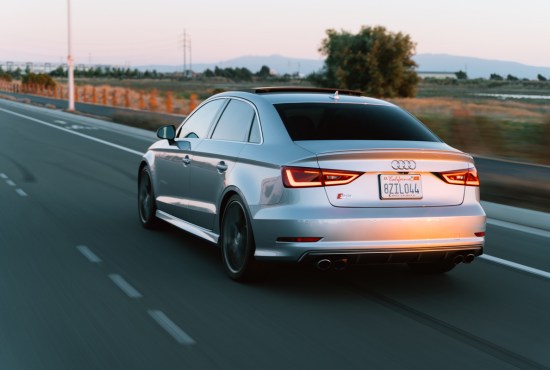
Using turn signals correctly is a fundamental aspect of safe driving and a critical component of your road test. Proper signaling communicates your intentions to other drivers, pedestrians, and cyclists, helping to prevent accidents and maintain smooth traffic flow. Here’s a comprehensive guide on when and how to use turn signals effectively during your road test.
✔ Why Turn Signals Matter
Turn signals are essential for ensuring safety on the road. They allow you to:
✔ Indicate Your Intentions: Inform other road users of your plans to turn, change lanes, or merge.
✔ Enhance Predictability: Help create a predictable driving environment, allowing others to anticipate your actions and react accordingly.
✔ Reduce the Risk of Accidents: Signaling correctly can help prevent collisions and improve overall road safety.
✔ When to Use Turn Signals
✔ Turning at Intersections:
Always signal at least 100 feet before making a turn at an intersection. This gives other drivers enough time to react.
Use the right turn signal when turning right and the left turn signal when turning left.
✔ Changing Lanes:
Signal your intention to change lanes at least 100 feet before doing so. This helps alert drivers behind and in adjacent lanes.
Always check your mirrors and blind spots before changing lanes, even if you’ve signaled.
✔ Merging:
When merging onto a highway or changing from one highway lane to another, use your turn signal to indicate your intention.
Signal well in advance to give other drivers time to adjust their speed or position.
✔ Exiting Roundabouts:
Use your right turn signal when exiting a roundabout to inform others that you are leaving the circle.
Signal when you approach the exit to provide clear communication to surrounding drivers.
✔ Pulling Away from a Curb:
Before pulling away from a curb or parked position, signal to indicate that you intend to merge into traffic.
✔ Parking and Leaving a Parking Space:
Signal when backing out of a parking space to alert pedestrians and other drivers of your movements.
Practicing Safe Driving Habits
Practicing Safe Driving Habits
✔ How to Use Turn Signals Properly
✔ Activating Your Turn Signal:
Use the lever or button located on the steering column to activate your turn signal. Typically, pushing the lever up signals a right turn, while pushing it down signals a left turn.
Ensure that the signal is activated before you begin your maneuver.
✔ Turning Off Your Turn Signal:
In most vehicles, the turn signal will automatically turn off after completing the turn or lane change. However, if it doesn’t, remember to manually deactivate it to avoid confusion for other drivers.
✔ Using Hazard Lights:
Use hazard lights when you are temporarily stopped in a dangerous situation, such as a breakdown. This alerts other drivers to your presence and signals them to proceed with caution.
✔ Common Mistakes to Avoid
✔ Failing to Signal:
One of the most significant mistakes is neglecting to signal entirely. Always remember to signal your intentions, regardless of traffic conditions.
✔ Signaling Late:
Waiting until the last moment to signal can confuse other drivers. Signal early to provide adequate notice.
✔ Inconsistent Signaling:
Make sure to signal consistently and in alignment with your driving intentions. For example, signaling to turn left but then turning right can create dangerous situations.
✔ Not Checking for Blind Spots:
Always check your mirrors and blind spots before changing lanes or turning, even after signaling. This ensures that it’s safe to proceed.
✔ Practicing Proper Turn Signal Use
✔ Rehearse in Safe Environments:
Practice using turn signals in parking lots or quiet streets. Get comfortable with the timing and activation of your signals.
✔ Seek Feedback:
If you have a driving instructor or a knowledgeable friend, ask them to observe your signaling habits and provide feedback.
✔ Stay Mindful During Practice:
During practice drives, make a conscious effort to signal every time you change direction or lanes. This will help reinforce the habit.
Practicing Safe Driving Habits

Practicing Safe Driving Habits
Practicing Safe Driving at Intersections
Intersections are critical points on the road where various traffic flows converge, making them potential hotspots for accidents. Practicing safe driving at intersections is essential not only for passing your road test but also for ensuring your safety and the safety of others on the road. Here’s a comprehensive guide on how to approach and navigate through intersections safely.
✔ Understanding Different Types of Intersections
Before you can navigate intersections safely, it’s important to understand the different types:
✔ Controlled Intersections:
These have traffic lights or stop signs to regulate traffic flow. Drivers must obey these signals.
✔ Uncontrolled Intersections:
These do not have any traffic control devices. Drivers must yield the right-of-way based on rules of the road.
✔ Roundabouts:
Circular intersections where traffic flows in one direction. Vehicles inside the roundabout have the right of way.
Steps for Safe Navigation Through Intersections
✔ Approach with Caution:
As you approach an intersection, reduce your speed and be prepared to stop. Keep an eye out for any signals or signs.
✔ Observe Traffic Signals:
Pay close attention to traffic lights. A green light means you can proceed, but always check for pedestrians and other vehicles before entering the intersection.
If the light is yellow, prepare to stop if it is safe to do so. If you are already in the intersection when the light turns yellow, continue through without stopping.
✔ Check for Pedestrians:
Always be on the lookout for pedestrians at crosswalks. Yield to pedestrians crossing the road, even if you have the green light.
Look both ways before entering the intersection, especially for pedestrians who may be walking in front of you.
✔ Yield the Right-of-Way:
Understand the rules of right-of-way at intersections.
At a stop sign, yield to all traffic before proceeding.
When at an uncontrolled intersection, yield to vehicles on your right if you arrive simultaneously.
✔ Use Your Turn Signals:
Signal your intentions to turn left or right well in advance to alert other drivers of your plans. This helps keep everyone aware and safe.
✔ Watch for Other Vehicles:
Keep an eye on other vehicles. Be cautious of drivers who may not follow traffic rules.
Look out for turning vehicles, especially when approaching intersections.
✔ Navigating Roundabouts:
Yield to traffic already in the roundabout. Enter only when it is safe, and use your turn signal when exiting.
Practicing Safe Driving Habits

Practicing Safe Driving Habits
✔ Common Mistakes to Avoid
✔ Running Red Lights:
One of the most dangerous mistakes is failing to stop at a red light. Always come to a complete stop and check for cross traffic before proceeding.
✔ Inadequate Checks for Pedestrians:
Failing to check for pedestrians can lead to serious accidents. Always be vigilant around crosswalks.
✔ Not Yielding When Required:
Many drivers forget to yield at uncontrolled intersections or when merging. Always adhere to right-of-way rules.
✔ Rushing Through Yellow Lights:
Treat yellow lights as a warning to prepare to stop, not an invitation to speed up.
✔ Misjudging Turning Gaps:
It’s important to wait for a clear gap in traffic when making a turn. Rushing can lead to dangerous situations.
✔ Tips for Practicing Safe Driving at Intersections
✔ Practice in Different Conditions:
Familiarize yourself with driving through intersections during various conditions, including rush hour, night driving, and inclement weather.
✔ Use a Driving Simulator:
If available, practice using a driving simulator that includes intersection scenarios. This can help reinforce safe practices without real-world risk.
✔ Stay Calm and Focused:
Stay calm while navigating intersections. If you feel overwhelmed, take deep breaths to regain focus.
✔ Regularly Review the Rules:
Refresh your knowledge of traffic laws and intersection rules. Understanding the laws thoroughly will make navigating them easier.
✔ Ask for Feedback:
If you’re practicing with a more experienced driver, ask for their feedback on your approach and techniques when navigating intersections.
Practicing Safe Driving Habits

Practicing Safe Driving Habits
By following these guidelines and practicing safe driving habits at intersections, you’ll not only prepare yourself for your road test but also become a more responsible driver. Demonstrating safe intersection navigation will help you show your examiner that you are capable of handling real-world driving situations confidently and safely.
FAQs About Practicing Safe Driving Habits
Q1: What are some key safe driving habits to practice?
A1: Important safe driving habits include obeying traffic signs, maintaining a safe following distance, using turn signals, avoiding distractions, and practicing defensive driving techniques.
Q2: How can I stay calm during my road test?
A2: To stay calm, practice deep breathing, focus on your driving tasks, and visualize a successful test. Familiarizing yourself with the test route can also reduce anxiety.
Q3: What should I do if I make a mistake during my road test?
A3: If you make a mistake, stay composed and focus on correcting it. Keep driving safely and confidently, as examiners are often understanding of minor errors.
Q4: How can I improve my defensive driving skills before the test?
A4: Practice defensive driving techniques such as anticipating hazards, checking mirrors frequently, and always being aware of your surroundings while driving.
Q5: Are there specific safe driving habits that are more important for passing the test?
A5: Yes, demonstrating adherence to traffic signals, proper lane changes, safe merging, and effective communication with other drivers through signals are crucial for passing your test.
Call to Action
Are you ready to take your driving skills to the next level? Start practicing these essential safe driving habits today! Spend time in different driving conditions, review the traffic laws, and consider taking practice drives with a licensed instructor or experienced driver. Remember, the more you practice, the more confident you’ll become. Schedule your road test and demonstrate your commitment to safe driving!
Schedule Your Road Test Today: Book Now
Schedule Your Road Test Today: Book Now
Conclusion
In conclusion, developing strong safe driving habits is essential not only for passing your road test but also for becoming a responsible and confident driver in everyday situations. By practicing defensive techniques, obeying traffic signs, and maintaining focus, you will increase your chances of success on your test and enhance your safety on the road. Embrace these habits, and you’ll be well on your way to passing your test and navigating the roads with confidence. Good luck!