Getting your driver’s license is a huge milestone, but the thought of taking the New York road test can feel overwhelming especially if you don’t have much time behind the wheel. The good news? You don’t need years of driving experience to pass. What you do need is an understanding of the NY road test scoring system, focused preparation, and the right strategies to maximize your chances of success.
This blog will walk you through how the scoring system works, common mistakes to avoid, and practical tips to help you pass even with limited driving experience.
Understanding the NY Road Test Scoring System
Before you start practicing, it’s important to know how the DMV evaluates you on test day. The NY road test scoring system is point-based. Here’s what you need to know:
- Maximum Deductions Allowed: To pass, you must finish with 30 points or fewer deducted.
- Automatic Failures: Some mistakes result in immediate failure, no matter your score. Examples include running a red light, failing to yield to pedestrians, driving on the wrong side of the road, or being involved in an accident.
- Scoring Categories: Examiners evaluate skills like:
- Starting, stopping, and steering smoothly.
- Obeying traffic signs, signals, and speed limits.
- Turning and lane positioning.
- Parallel parking and three-point turns.
- Observing right-of-way rules.
- Defensive driving awareness.
The examiner records each mistake and assigns point deductions. Think of it less like a school test and more like a safety assessment they want to see that you can handle the road responsibly.
Common Mistakes That Cost Points
Even new drivers can pass on the first attempt if they know which errors to avoid. Here are the most frequent issues that lead to point deductions:
- Not checking mirrors or blind spots before lane changes or turns.
- Rolling stops—failing to come to a complete stop at stop signs.
- Wide or tight turns, especially when crossing into another lane.
- Improper parallel parking, such as hitting the curb or not finishing within the lines.
- Failure to yield to pedestrians or oncoming traffic when required.
- Speeding or driving too slowly, both of which can be dangerous.
- Not signaling properly when turning, merging, or pulling over.
Avoiding these mistakes is half the battle. Even with limited practice, if you drive cautiously and follow the rules, you can stay under the 30-point limit.
How to Pass with Limited Driving Experience
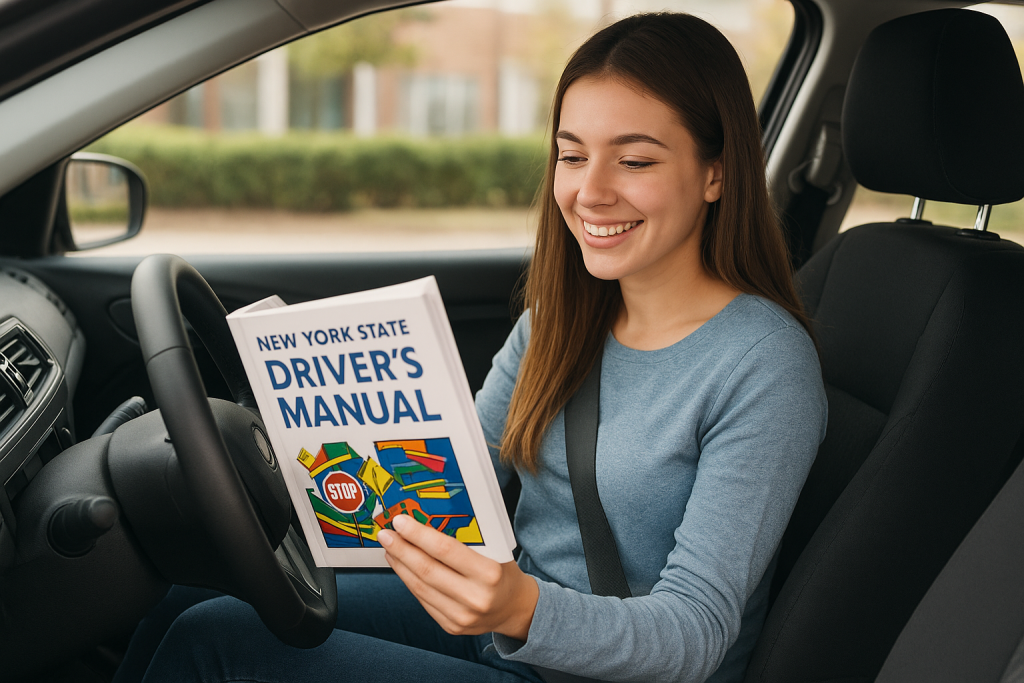
If you haven’t had hundreds of hours of driving practice, don’t worry. You can still pass the test by being strategic with your preparation.
1. Prioritize High-Value Skills
Focus on the skills that examiners pay close attention to:
- Parallel parking.
- Three-point turns.
- Smooth starts and stops.
- Lane changes with mirror and blind spot checks.
- Stopping at the correct point at stop signs and lights.
Even short practice sessions on these key skills can make a big difference.
2. Practice Defensive Driving
Examiners want to see that you’re aware of your surroundings. Always:
- Check mirrors regularly.
- Scan ahead for hazards.
- Keep a safe following distance.
- Yield to pedestrians, cyclists, and emergency vehicles.
3. Simulate the Road Test Route
If possible, practice driving in the area where your test will take place. Familiar roads can reduce nerves and help you anticipate tricky spots like busy intersections or narrow streets.
4. Stay Calm and Consistent
You don’t need perfection. A few small mistakes won’t fail you as long as they don’t add up to more than 30 points. Prioritize safe, steady driving over speed or flair.
5. Get Professional Guidance
A lesson or two with a licensed instructor can give you invaluable feedback. At Road Tests NY, we offer mock road tests that replicate the DMV exam so you know exactly what to expect.
What to Expect on Test Day
1. Paperwork Check
Bring the required documents: your learner’s permit, 5-hour pre-licensing certificate, and a vehicle with valid registration, inspection, and insurance.
2. The Road Test Process
The test usually takes about 15 minutes and covers:
- Parallel parking.
- A three-point turn.
- Stopping at intersections.
- Right and left turns.
- Lane changes and merging.
- Defensive driving behavior.
3. Examiner Instructions
The examiner will give clear directions like “Make a right turn at the next corner.” If you don’t hear or understand, ask them to repeat this won’t count against you.
4. After the Test
You’ll receive your results online, usually the same day. If you pass, you’ll get instructions on upgrading your permit to a driver’s license.
Tips for Overcoming Nerves
It’s natural to feel nervous, especially if you don’t have much driving experience. Here’s how to stay calm:
- Arrive early to avoid rushing.
- Practice deep breathing before the test begins.
- Remind yourself: You don’t need a perfect score.
- Focus on one step at a time rather than the entire test.
- Think safe, not fast—examiners value caution over confidence.
FAQs About the NY Road Test Scoring System
Q: How many mistakes can I make and still pass?
A: You can lose up to 30 points and still pass, as long as you don’t commit an automatic fail.
Q: What counts as an automatic failure?
A: Dangerous errors like running a red light, ignoring stop signs, speeding excessively, driving on the wrong side of the road, or causing an accident.
Q: Do I need to be perfect to pass?
A: No. Many drivers make small mistakes like slight turns too wide but still pass. The key is avoiding dangerous errors.
Q: Can I pass with limited driving experience?
A: Yes. Many first-time drivers pass by focusing on the scoring system, practicing core skills, and driving safely.
Q: Should I take lessons before my test?
A: Even a few lessons can make a huge difference, especially for tricky skills like parallel parking.
Q: How long does the test last?
A: Most tests take about 15 minutes, though it can vary slightly depending on traffic and location.
Final Thoughts
Passing your NY road test is absolutely possible even with limited driving experience. The key is understanding the NY road test scoring system, practicing the most important skills, and staying calm on test day. Remember, the DMV examiner isn’t looking for a perfect performance. They simply want to know that you can drive safely and responsibly.
At Road Tests NY, we specialize in helping drivers prepare with scheduling assistance, mock tests, and professional training. Whether you’re a first-time driver or someone who just needs a confidence boost, we’ll help you get road-test ready.