
One of the most critical skills you’ll need to demonstrate during your New York road test is your ability to safely handle intersections. Intersections are high-risk areas where accidents are more likely to occur, and showing that you can approach and navigate them with caution and awareness is essential for passing your road test. Whether you’re turning, merging, or simply driving through, handling intersections correctly is a key part of your overall driving ability.
In this article, we’ll cover everything you need to know about approaching and navigating intersections safely during your road test. From understanding traffic signals to checking your surroundings, these tips will help you navigate intersections with confidence and improve your chances of success on test day.
1. Understanding Different Types of Intersections
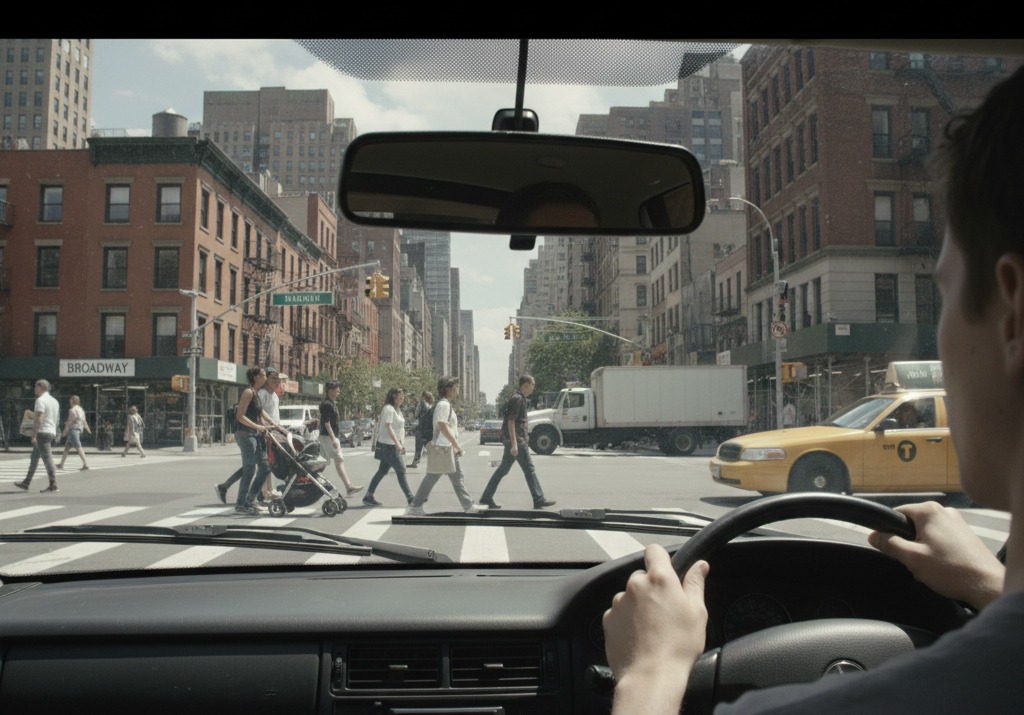
Not all intersections are created equal. Some are controlled by stop signs, others by traffic lights, and some are even roundabouts or uncontrolled intersections. Knowing how to handle each type of intersection is crucial for passing your road test.
Controlled Intersections: These intersections are regulated by stop signs, yield signs, or traffic lights. You’ll need to obey the signals and follow the rules accordingly.
- Stop Signs: At stop signs, you must come to a complete stop, check for traffic in all directions, and proceed when it’s safe.
- Yield Signs: Yield signs indicate that you must give the right of way to other vehicles or pedestrians before proceeding.
- Traffic Lights: When approaching a traffic light, you need to obey the signals—red means stop, yellow means slow down and prepare to stop, and green means go, but always check for pedestrians and other vehicles before proceeding.
- Uncontrolled Intersections: These intersections have no stop signs or traffic lights, meaning drivers must use their judgment and yield to the right-of-way rules.
- Yield to the Right-of-Way: In uncontrolled intersections, you must yield to drivers already in the intersection or those approaching from the right if no other signs are present.
- Yield to the Right-of-Way: In uncontrolled intersections, you must yield to drivers already in the intersection or those approaching from the right if no other signs are present.
- Roundabouts: Roundabouts are circular intersections where traffic moves in one direction. Always yield to vehicles already in the roundabout and enter when it’s safe to do so.
Understanding the type of intersection you’re approaching will help you make safer decisions and demonstrate your knowledge of traffic laws during your road test.
2. Always Obey Traffic Signals and Signs
Traffic signals and signs are in place to keep drivers safe, so obeying them is crucial. During your road test, your examiner will be watching closely to see if you follow the proper rules at each intersection.
- Stop Signs: When you approach a stop sign, you must come to a complete stop before the white line or crosswalk, even if the intersection appears clear. Failing to stop fully can result in an automatic fail on your road test.
- Yield Signs: At a yield sign, you don’t have to stop unless necessary, but you must slow down and be prepared to stop if there is oncoming traffic or pedestrians.
- Traffic Lights: Follow the signals at traffic lights. If the light turns yellow while you’re approaching, it’s generally best to stop unless you’re too close to the intersection to do so safely. When the light is green, always check for pedestrians and cross traffic before proceeding.
It’s essential to not only obey traffic signals and signs but also to understand them and anticipate the appropriate action. This shows the examiner that you’re not just following rules, but are fully aware of the road conditions and traffic flow.
3. Check Your Surroundings and Stay Alert
Approaching intersections requires more than just following signs and signals it also involves being aware of your surroundings. As you approach any intersection, you need to actively scan for potential hazards, pedestrians, cyclists, and other vehicles.
- Look Left, Right, Left: Always check both directions before proceeding through an intersection. In many cases, traffic from the left or right could be approaching, and you need to make sure it’s safe to go.
- Watch for Pedestrians: Pedestrians may be crossing at or near intersections, so be prepared to stop if necessary. Ensure you look for pedestrians at crosswalks and in areas where they might be crossing.
- Check for Other Vehicles: In addition to pedestrians, check for vehicles that may be turning or entering the intersection, especially at busy intersections where there are multiple lanes of traffic.
By staying alert and aware of your surroundings, you’ll be able to anticipate any potential hazards and avoid accidents at intersections. Your examiner will be looking for this level of awareness and attention to detail.
4. Approach Intersections with Caution
When approaching an intersection, always reduce your speed and be prepared to stop, even if you have the right of way. This helps you react quickly to unexpected situations, such as pedestrians crossing, other drivers running red lights, or other unforeseen obstacles.
- Slow Down: As you approach an intersection, slow down and be ready to stop. Even if you have a green light, always check for pedestrians and other vehicles before proceeding.
- Don’t Rush: Avoid rushing through intersections, even if you’re familiar with the area or there are no vehicles around. Intersections are high-risk zones, and rushing increases the chance of making mistakes.
- Stop Behind the Line: Always stop behind the white line at an intersection if you have a stop sign or red light. Stopping at the correct spot allows you to see better and gives you a safe distance from cross-traffic and pedestrians.
5. Make Turns Carefully at Intersections
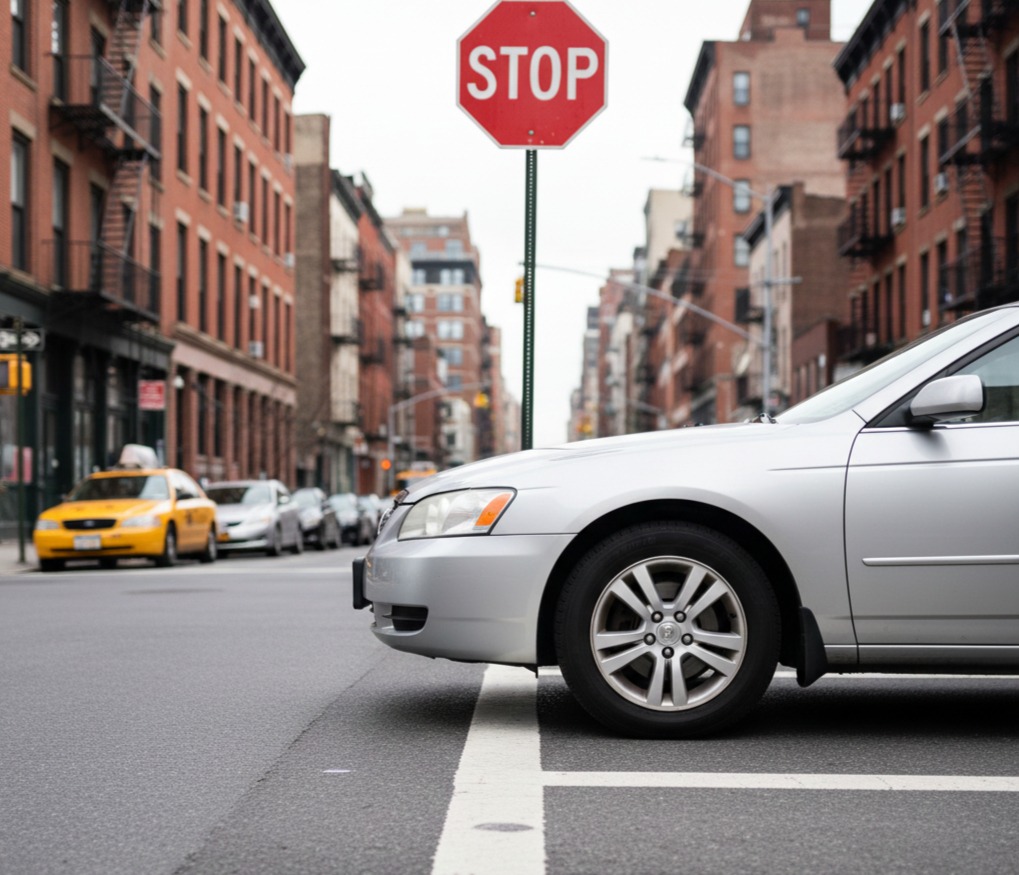
Making turns at intersections is a skill that requires precision and control. Whether you’re turning left, right, or making a U-turn, following the proper steps is essential for passing your road test.
- Turning Right: When turning right at an intersection, make sure to signal in advance and check for pedestrians and cyclists. Yield to pedestrians crossing at the intersection before making the turn.
- Turning Left: If turning left, signal well in advance, check for oncoming traffic, and wait for a safe gap before proceeding. If you’re turning left at a green light, be sure to check for pedestrians and vehicles coming from the opposite direction.
- U-Turns: Always check for signs that prohibit U-turns before attempting one at an intersection. Make sure the intersection is clear of traffic and pedestrians, and only make a U-turn if it is safe and legal to do so.
6. Don’t Block the Intersection
Another common mistake is blocking an intersection. If you can’t make it all the way through an intersection due to traffic or other obstacles, don’t enter it in the first place.
- Stop Before the Intersection: If the traffic light turns red or you can’t clear the intersection because of traffic congestion, stop before the intersection line and wait until it’s safe to proceed. Blocking an intersection could result in a traffic violation and could negatively impact your road test.
7. Handling Complex Intersections
Some intersections can be more complicated, especially in busy urban environments like New York. These intersections may involve multiple lanes of traffic, dedicated turning lanes, or complex signal patterns. When navigating these, it’s essential to remain calm and focused.
- Multi-Lane Intersections: If you’re approaching a multi-lane intersection, make sure you are in the correct lane for your intended direction. Always signal early, check your mirrors and blind spots, and be mindful of other vehicles in adjacent lanes.
- Pedestrian Crossings and Bike Lanes: In New York, many intersections involve bike lanes and pedestrian crossings. Always check for pedestrians at crosswalks and watch for cyclists in bike lanes, particularly when making right turns or turning left from a dedicated left-turn lane.
8. Common Mistakes to Avoid at Intersections
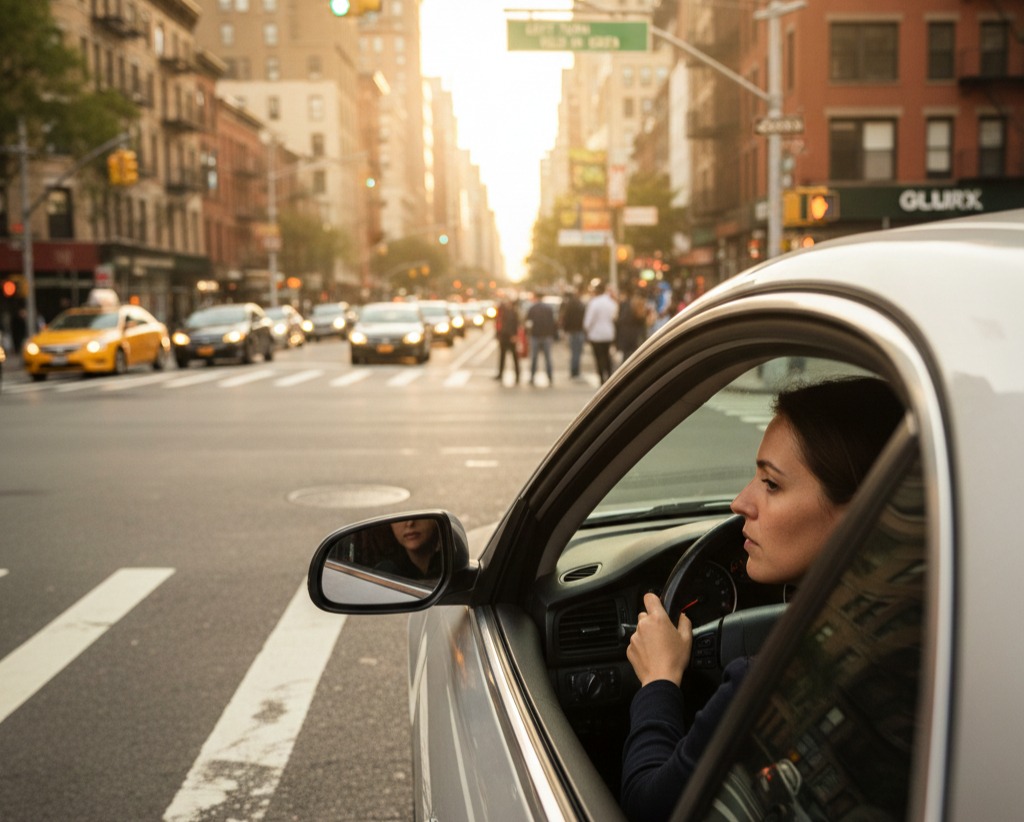
Many drivers fail their road tests due to mistakes made at intersections. Here are some common errors to avoid:
- Running a Red Light: Always stop at red lights. Running a red light can result in an automatic fail.
- Not Yielding to Pedestrians: Failing to yield to pedestrians in a crosswalk is dangerous and can lead to a fail.
- Not Stopping at Stop Signs: You must come to a complete stop at a stop sign, even if the intersection appears clear. Failing to stop or rolling through a stop sign is a common mistake.
- Inadequate Scanning: Failing to scan the intersection properly for pedestrians, cyclists, or other vehicles can result in a hazardous situation.
Frequently Asked Questions (FAQ)
1. What should I do if I approach an intersection and the light turns yellow?
If you’re already in the intersection when the light turns yellow, continue through. If you’re approaching the intersection, prepare to stop unless it’s unsafe to do so.
2. Can I make a U-turn at an intersection during my road test?
You can make a U-turn at an intersection if there are no signs prohibiting it and it’s safe to do so. Always check for traffic and pedestrians before attempting a U-turn.
3. What if I’m not sure who has the right of way at an intersection?
When in doubt, yield to the vehicle that is already in the intersection or approaching from the right if the intersection is uncontrolled.
4. How do I know when it’s safe to turn left at an intersection?
You should only turn left when it is safe, and there is no oncoming traffic or pedestrians in the crosswalk. Always wait for a clear gap and check thoroughly before turning.
Conclusion
Navigating intersections is a key part of your New York road test, and mastering this skill will greatly increase your chances of success. By following these tips understanding different intersection types, obeying traffic signals, staying alert, and making careful turns you can confidently handle intersections and demonstrate your driving proficiency.
For more tips, road test preparation, and resources for passing your New York road test, visit Road Tests NY